

Nordic reflections
Set in wintry Norway, characters in trio of stories ponder words and teachings from the past
Advertisement
Read this article for free:
or
Already have an account? Log in here »
To continue reading, please subscribe:
Monthly Digital Subscription
$0 for the first 4 weeks*
- Enjoy unlimited reading on winnipegfreepress.com
- Read the E-Edition, our digital replica newspaper
- Access News Break, our award-winning app
- Play interactive puzzles
*No charge for 4 weeks then price increases to the regular rate of $19.00 plus GST every four weeks. Offer available to new and qualified returning subscribers only. Cancel any time.
Monthly Digital Subscription
$4.75/week*
- Enjoy unlimited reading on winnipegfreepress.com
- Read the E-Edition, our digital replica newspaper
- Access News Break, our award-winning app
- Play interactive puzzles
*Billed as $19 plus GST every four weeks. Cancel any time.
To continue reading, please subscribe:
Add Free Press access to your Brandon Sun subscription for only an additional
$1 for the first 4 weeks*
*Your next subscription payment will increase by $1.00 and you will be charged $16.99 plus GST for four weeks. After four weeks, your payment will increase to $23.99 plus GST every four weeks.
Read unlimited articles for free today:
or
Already have an account? Log in here »
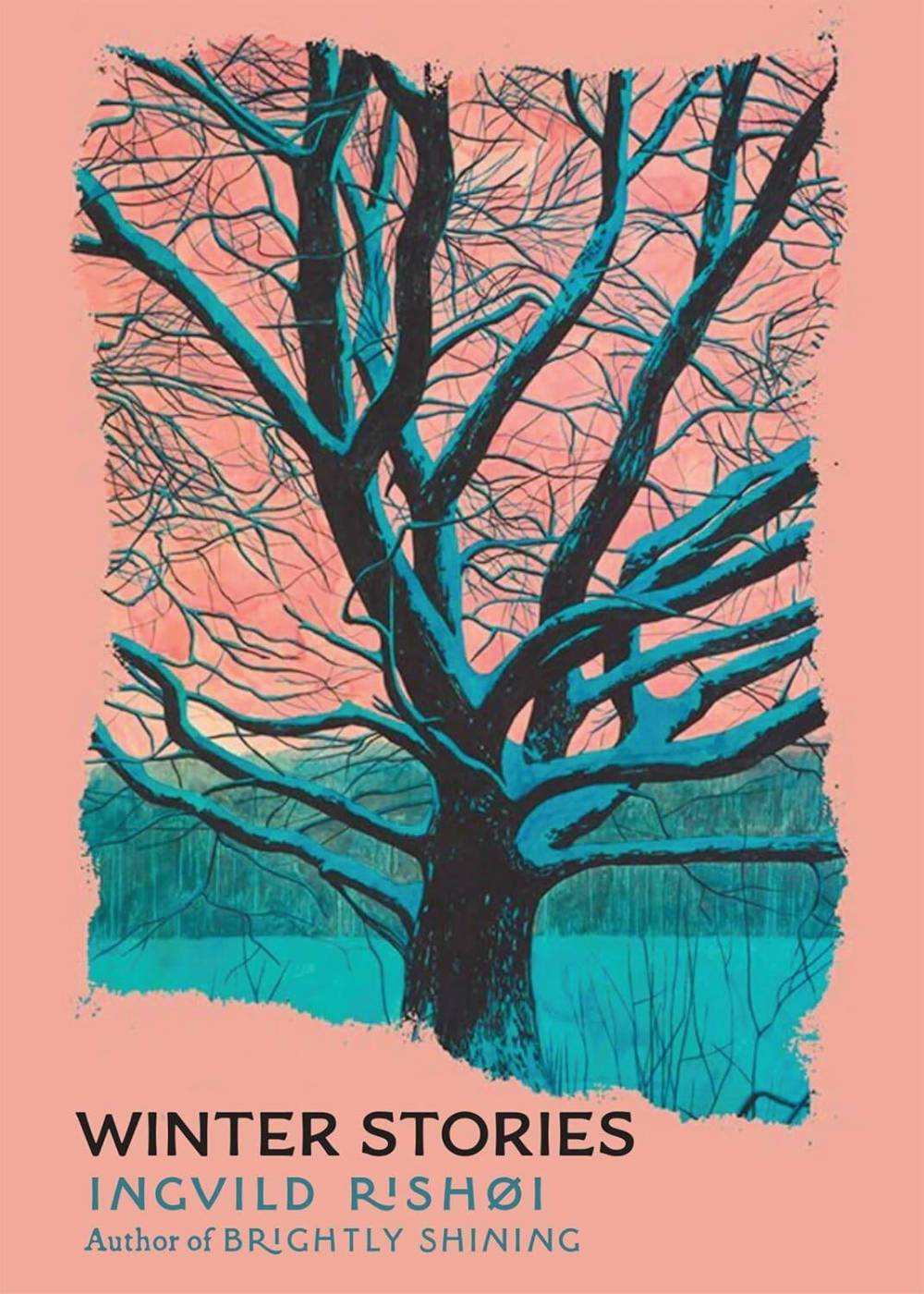
Ingvild Rishøi is a new voice in Norwegian literature for Canadian audiences, thanks to consecutive December releases of the English translations of her Christmas novel Brightly Shining in 2024 and this year’s collection of short fiction, Winter Stories.
Since it was published in Norway in 2021, Brightly Shining became a bestseller across Europe, was named one of Oprah Daily’s Best Books of 2024 and was recently adapted to film.
In January 2014, Rishøi’s Vinternoveller — published in English in the present day as Winter Stories, with translation by Diane Oatley — was already hailed by critics as contender for book of the year in Norway, despite the remaining 11 months to go.
Mathias Fossum photo
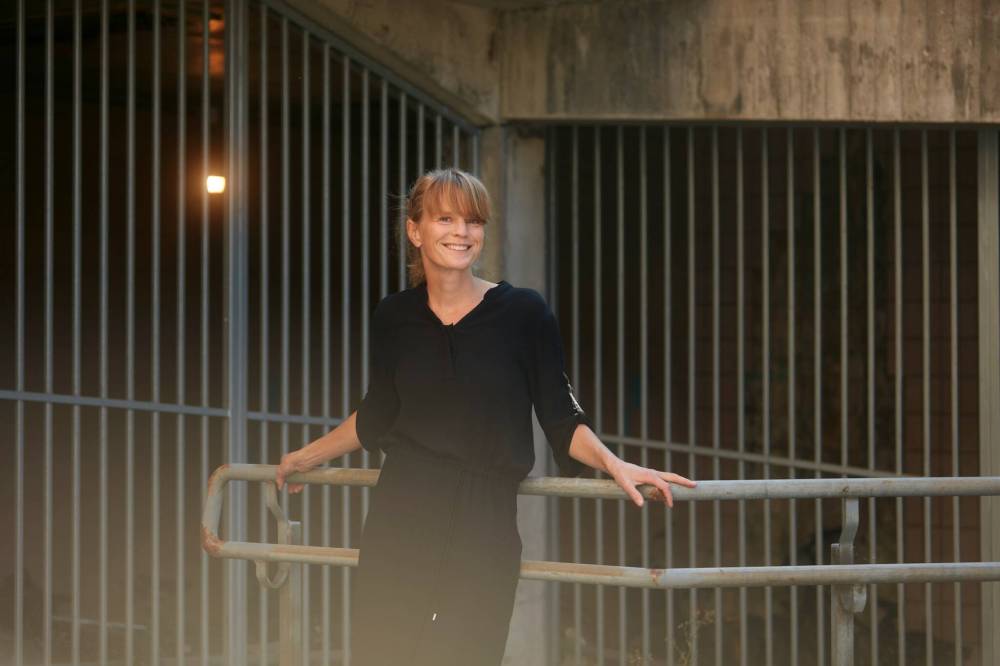
Ingvild Rishøi’s Winter Stories was originally published in Norway in 2014; the three stories explore the lives of people on the fringes of society.
Ten years and several books later, Rishøi was winner of the Dobloug Prize by the Swedish Academy for her contributions to Norwegian literature.
Of the Oslo author’s seven books to date, the majority of Rishøi’s books are collections of short fiction. Winter Stories, the collection at hand, contains three stories set in contemporary Norway’s winter season and features the lives of people on the fringes of society.
In We Can’t Help Everybody, a young mother and her five-year-old daughter give their krona away, only to discover there is not enough left for their own very real needs. It is Christmastime and a stranger enters their midst.
In The Right Thomas, a man 30 hours out of jail prepares to host his young son, but struggles to purchase a pillow and make dinner. Distracted by the pub and a woman from his past, he thinks to himself, when she lights up a cigarette and says it’s only white trash who smoke now, “I know who’s white trash, it’s people like me.”
In Siblings, troubled 17-year-old Rebekka and her younger sister and brother from different fathers run away together, fleeing the breakup of their family by child services. They know where they’re going, but they may not have the resources to get there.
Aside from the viscerally wintry settings, to which Canadian readers can relate, these stories are connected by a striking interiority of the struggling characters within. From their actions, each one appears to make mistakes without self-reflection, but a glimpse at their inner monologue shows immense executive functioning efforts beneath the surface, almost (but not quite) making a difference to the outside world.
The young mother in the first story recalls past teachings from the health clinic, “who is supposed to be consoling whom,” as she berates herself in the arms of her reassuring child in the fitting room of a store.
In the second story, Thomas enters the pub instead of heading home, but not before sessions with his psychologist play out in his mind: “Now is the time when I must show that everything is a choice. Not choosing is also a choice. Now I have to think about how it once was, and how it can be once more.” He is so, so close to intervening on his own behalf to do and to become better.
Winter Stories
In the case of Rebekka, it is the words of her friend and first heartbreak, Cecile, that resurface in the present crisis at a critical moment: “you have to look people in the eyes if you want them to trust you.” Rebekka’s ability to summon this feedback and act on it will have stakes of the highest consequence for herself and her siblings.
The subject of contemporary Norwegian literature brings to mind the works of recent Nobel Prize winner Jon Fosse and the autofiction of Karl Ove Knausgaard and Vigdis Hjorth.
The brilliant stories of Ingvild Rishøi are a welcome addition. May the rest of her works be translated and distributed in quick succession.
Sara Harms is a Winnipeg editor.