First comes the shock
Considering options and finding strength in community after prostate cancer diagnosis
Advertisement
Read this article for free:
or
Already have an account? Log in here »
To continue reading, please subscribe:

Digital Subscription
One year of digital access for only $205*
- Enjoy unlimited reading on winnipegfreepress.com
- Read the E-Edition, our digital replica newspaper
- Access News Break, our award-winning app
- Play interactive puzzles
*First annual payment billed as $205.00 + GST for one year. This annual subscription will automatically renew at $233.00 + GST every 52 weeks (10% off the regular annual price of $259.35). Offer available to new and qualified returning subscribers only. Cancel any time.
To continue reading, please subscribe:
Add Free Press access to your Brandon Sun subscription for only an additional
$1 for the first 4 weeks*
- Enjoy unlimited reading on winnipegfreepress.com
- Read the E-Edition, our digital replica newspaper
- Access News Break, our award-winning app
- Play interactive puzzles
*Your next Brandon Sun subscription payment will increase by $1.00 and you will be charged $17.95 plus GST for four weeks. After four weeks, your payment will increase to $24.95 plus GST every four weeks.
Read unlimited articles for free today:
or
Already have an account? Log in here »
Hey there, time traveller!
This article was published 30/12/2025 (284 days ago), so information in it may no longer be current.
When I was diagnosed with prostate cancer in the fall of 2024, it wasn’t entirely unexpected.
At 75, with a family history of the disease, I had always known it was more a matter of when than if. I’ve long been vigilant — regular checkups, bloodwork and conversations with my doctor were part of my routine.
Still, hearing the diagnosis out loud was a moment that shifted everything, marking the beginning of a journey that would challenge me physically, emotionally and mentally.
SUPPLIED
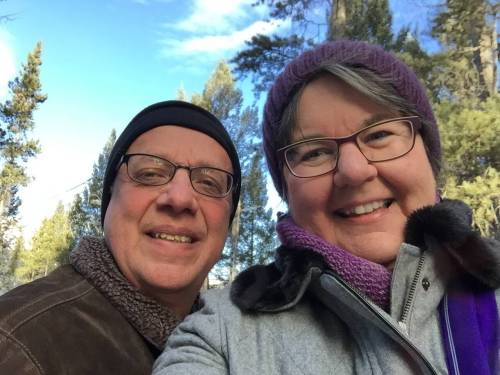
Martin Zeilig, with partner Jennifer, is more mindful of celebrating milestones.
Diagnosis and initial treatment
Once the shock settled, I turned my attention to understanding the road ahead. The cancer was confirmed through a biopsy. (Microscopic examination of prostate biopsies allows some prediction of the tumour’s grade or Gleason score.)
My urologist laid out the treatment options: hormone therapy, radiation and surgery. Given my age and overall health, he initially recommended hormone therapy followed by radiation. Surgery was also on the table, but not the first choice.
The prostate is a gland wrapped around the urethra. Its main function is to produce part of the semen ejaculated at male orgasm. In the longer term, many men having a radical prostatectomy will lose the ability to have natural erections, although this can improve with time or with treatment.
In January, I began hormone therapy. I took 50 mg of Bicalutamide daily — a medication that blocks the effects of testosterone, which fuels prostate cancer growth.
Shortly after, I received an abdominal injection designed to suppress testosterone production at the hormonal level. These treatments were meant to slow the cancer’s progression and prepare my body for the next phase.
Physically, the side effects were manageable (though one unexpected effect, hot flashes erupting like Mount Etna, had my partner, Jennifer, calling me “Mr. Volcano,” and not in a romantic way).
Emotionally, it was more complicated. There’s a strange tension in knowing your body is being chemically altered to fight something that isn’t causing immediate pain — but could be advancing. I found myself reflecting more deeply, journaling and trying to stay grounded.
Even now, some physical reminders linger — persistent swelling in my feet, ankles and belly. They’re not debilitating, but a quiet echo of the treatment’s reach.
Eventually, I told my urologist I wanted to meet with the surgeon. Continuing with hormone therapy would have meant more injections and radiation treatment. I wanted something more definitive — something that felt like a clear step toward resolution.
Surgery and recovery
I underwent a radical prostatectomy and lymph node dissection on July 25 at Grace Hospital. Leading up to the procedure, I focused on preparing mentally and physically. I leaned heavily on Jennifer, whose steady presence and quiet strength helped me stay grounded.
I stayed active and tried to maintain a sense of normalcy, even though I hadn’t shared the diagnosis with most friends until just days before the surgery.
SUPPLIED
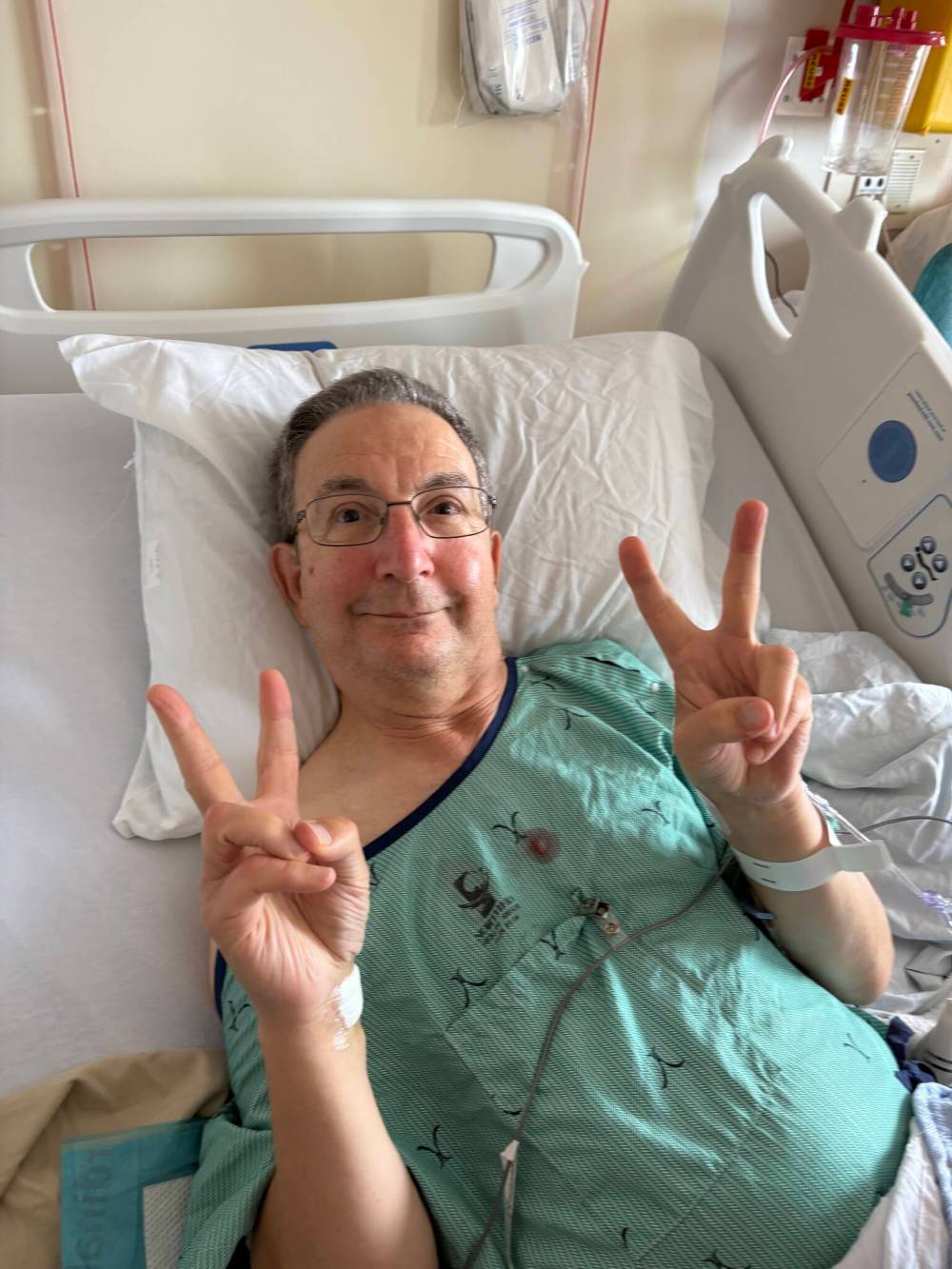
Martin Zeilig says having a good sense of humour is an effective treatment.
The surgery went smoothly, thanks to the skilled team at Grace. I spent several days in the hospital, surrounded by compassionate nurses and attentive staff.
For the first two weeks after returning home, a home-care nurse visited regularly to check on my catheter and surgical staples. Both were removed on Aug. 7 in the surgeon’s office by his nurse — a small milestone that felt like a big step.
Coming home was both a relief and a challenge. Recovery is not linear — it’s a mix of progress and setbacks, good days and slow ones.
Nearly 10 weeks later, on Oct. 1, I had my post-operative checkup with my surgeon. He was reassuring: “The good news is that your PSA (prostate-specific antigen) is undetectable, although we have to keep monitoring closely because you were on hormonal treatment before your surgery. The other things are that you are completely continent. You don’t leak urine. You void with a good stream and empty your bladder almost completely. Those are all good things.”
That moment brought a wave of relief. I felt like I could finally exhale.
Support and gratitude
I don’t know how I would have gotten through this without the love and support of Jennifer, a source of strength throughout every stage. From appointments to recovery walks, from encouragement to shared laughter, she made the unbearable feel bearable.
Friends also rallied around me and Jen; their kindness made a real difference. And while I’m not yet back to full strength, I feel hopeful.
Lessons in health and resilience
This experience has reinforced the importance of being proactive. Because of my family history, I’ve always taken my health seriously. That vigilance likely helped catch the cancer early and gave me options. I encourage others — especially men over 50 — to talk to their doctors, ask questions and stay informed.
Prostate cancer is common, but it’s also highly treatable when caught early. (A blood test to check PSA levels is one way to detect cancer.)
I’ve thought often about the play Wit, in which the protagonist, a brilliant professor, faces ovarian cancer with intellect and isolation — until she realizes that what she truly needs is compassion. Her journey reminded me that illness isn’t just a medical condition, it’s a human experience. And like her, I’ve come to understand that kindness and connection matter more than stoicism.
Emotionally, the journey has been humbling. There’s a vulnerability that comes with illness, especially one that affects such a personal part of your identity. But there’s also strength in facing it head-on, in making informed choices and in allowing yourself to be cared for.
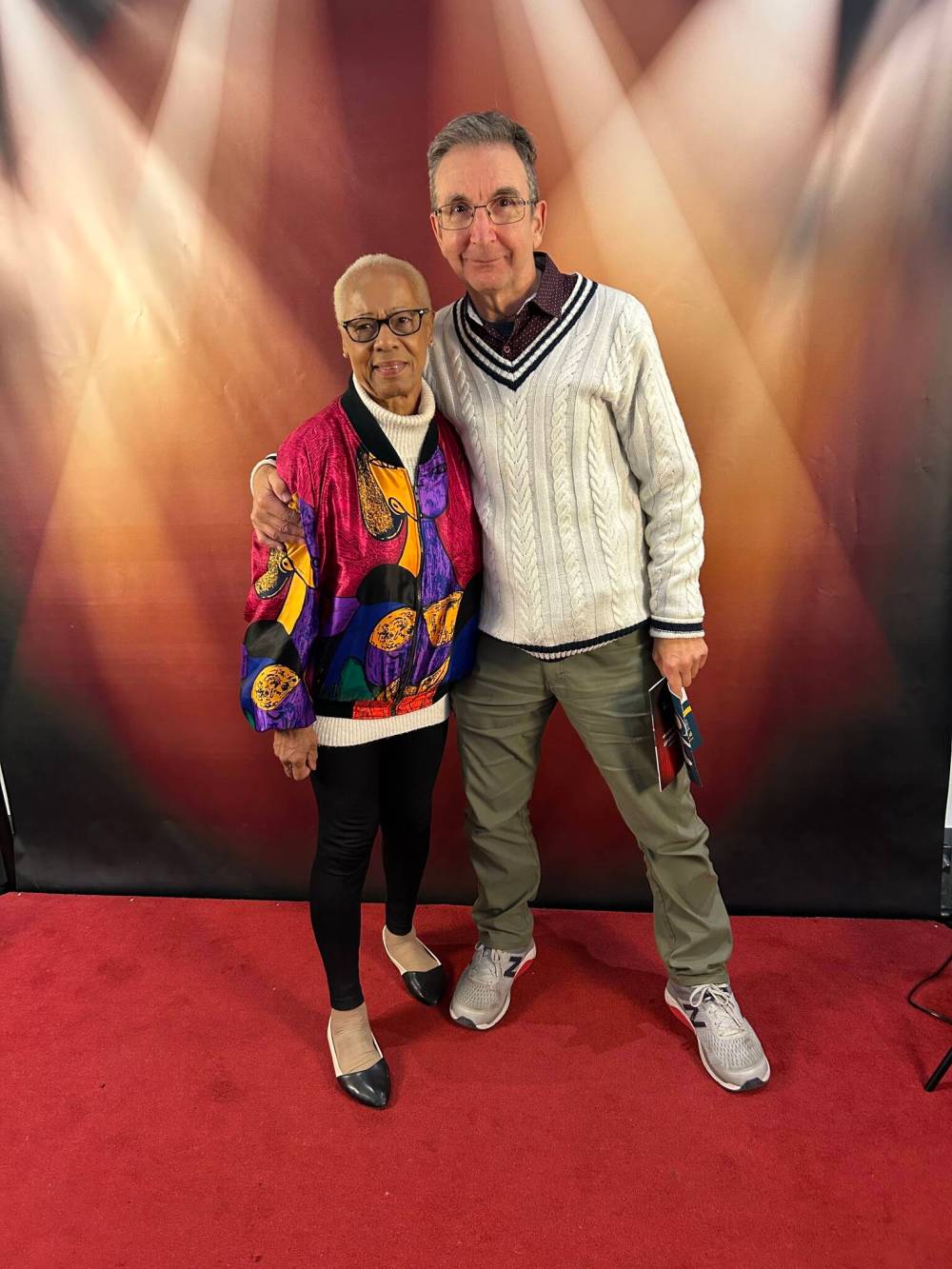
SUPPLIED
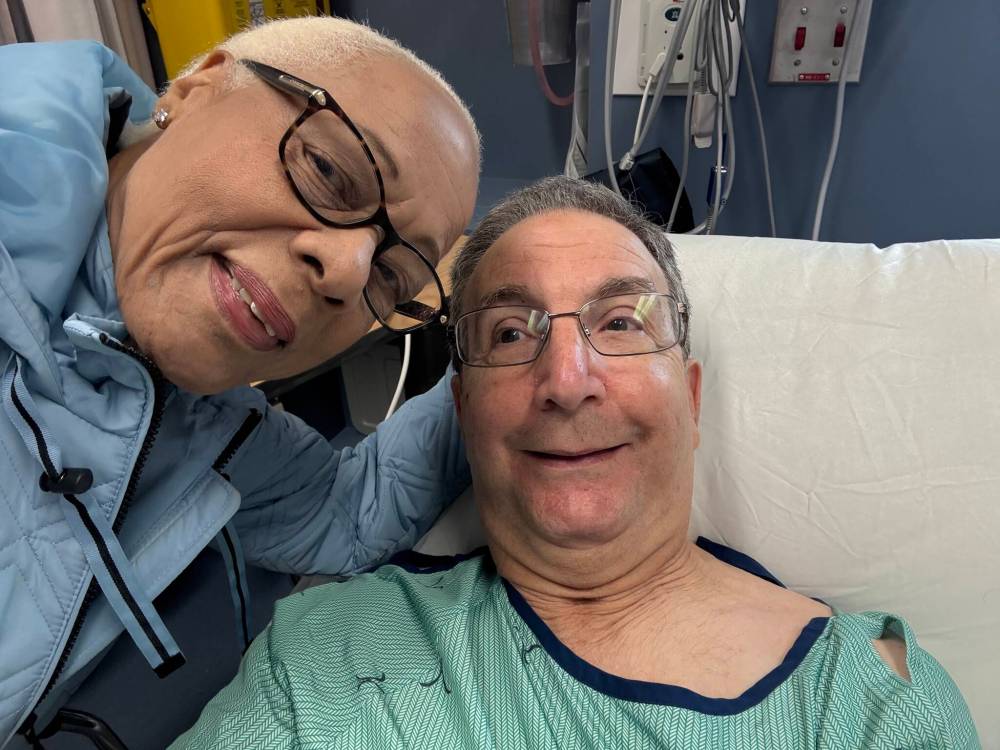
Martin Zeilig, here with partner Jennifer, is looking forward to celebrating milestones and reconnecting with family members who live in other countries.
I’ve also learned to be patient with myself. Recovery isn’t a race — it’s a process that requires grace, flexibility and a willingness to listen to your body. Some days are better than others, and that’s OK. I make a point to walk every day, either with Jen or on my own — often through Assiniboine Park or in our downtown neighbourhood.
Looking ahead
As I continue to heal, I’m thinking about what comes next. I’m eager to reconnect with creative projects that were put on hold. I’m also looking forward to celebrating milestones, reconnecting with family in the United States and England, and continuing to appreciate the quiet beauty of life in all its varied forms.
I don’t know exactly what the future holds, but I feel more grounded than I did a year ago. Cancer has a way of clarifying priorities. It strips away distractions and brings what matters into sharper focus: health, relationships and purpose.
And while medical charts don’t measure it, a sense of humour has been one of the most effective treatments. I still remember telling a nurse at Grace Hospital — while proudly making my rounds with a catheter and drainage bag in tow —that I was now “the king of the fourth floor,” having conquered both sides of the hallway after just a couple of days. Me, the nurse and my royal entourage.
That moment, like so many others, reminded me that laughter lightens the load.
And when your body starts co-operating again, even in the most basic ways, it feels like a standing ovation. Recovery isn’t glamorous, but those small victories deserve their own applause.
For anyone walking a similar path, know that you’re not alone. There’s strength in community, in storytelling and in the determination to keep moving forward.
arts@freepress.mb.ca
History
Updated on Tuesday, December 30, 2025 9:02 AM CST: Corrects spelling of Martin Zeilig in photo cutlines