The Winnipeg Free Press would like to show you notifications for breaking news and noteworthy local journalism.
No Thanks
Allow
Notification Settings
This browser doesn't support push notifications at the moment. Check browsers features, update your browser or try to use one from the list of recommended to manage your notifications settings:
Firefox (27+)
Google Chrome (30+)
Safari ( MacOS 13+ with browser 16.1+ and iOS 16.4+ ) / Note make sure Push API support enabled under Settings > Safari > Advanced > Experimental Features
Microsoft Edge
If you wish to manage your notification settings from this browser you will need to update your browser's settings for this site. Just click button below and allow notifications for this site
Note Safari 16.4+ working on iOS devices also need this site app to be installed at device's Home Screen for Push Notifications to work
Notifications are blocked for this site. If you wish to manage your notification settings from this browser you will need to update your browser's settings. Usually you'd need to click on site options icon to the left of address bar and change notifications preferences/permissions from there
*Billed as $5.77 plus GST every four weeks. After 52 weeks, price increases to the regular rate of $19.95 plus GST every four weeks. Offer available to new and qualified returning subscribers only. Cancel any time.
To continue reading, please subscribe:
Add Free Press access to your Brandon Sun subscription for only an additional
*Your next Brandon Sun subscription payment will increase by $1.00 and you will be charged $17.95 plus GST for four weeks. After four weeks, your payment will increase to $24.95 plus GST every four weeks.
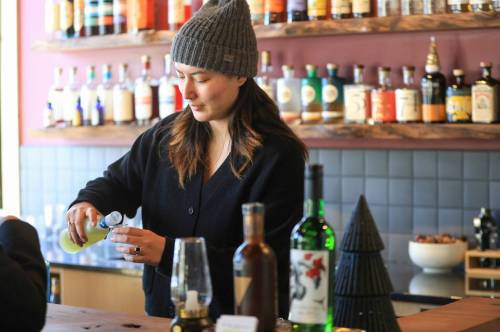
There’s no point calling the rise of low/no-alcohol drinks a trend anymore — it has become a full-blown movement.
Hey there, time traveller!
This article was published 17/01/2026 (281 days ago), so information in it may no longer be current.
There’s no point calling the rise of low/no-alcohol drinks a trend anymore — it has become a full-blown movement.
Sure there’s Dry January and Sober October, but there’s also a larger overall move towards moderation and a growing number of people embracing a sober lifestyle for all manner of reasons.
An increasing number of lounges and eateries are offering more (and more innovative) mocktails, as well as alcohol-free beers and wines. The number of dealcoholized options at grocery stores, beer vendors, Liquor Marts and the like has never been higher.
In short, the low/no-alc phenomenon is here to stay.
In Manitoba, some of the boom can definitely be attributed to the work of the couple behind the Winnipeg-based Sobr Market.
The brainchild of Shane and Jessie Halliburton, Sobr Market began as an online-only presence in 2023 before the pair opened a bricks-and-mortar location on Academy Road.
Three years later, Sobr Market has shops in Alberta, B.C. and Ontario, thanks in part to a collaboration with Walmart that has seen micro-bottle shops set up in a handful of locations. (The Walmart at 2370 McPhillips St. is home to one of said shops, offering a couple hundred low/no-alcohol beer, wine, mocktail and spirits options.)
In addition to bringing a comprehensive range of alcohol-free options for all tastes, Sobr Market also offers the chance to try many of its products before you buy.
Quality-wise, zero- or low-alcohol options continue to improve. The canned mocktails mimic the real-deal options easily, and locals such as Shrugging Doctor Beverage Co. and Farmery have produced zero-alcohol sangria and caesars, respectively.
Non-alcoholic beer options continue to keep pace nicely with with their boozy brethren, with a growing number of breweries introducing tasty low/no-alcohol options.
That includes right here in Manitoba. Locals making low/zero-alc brews include Farmery, Low Life Barrel House, Lake of the Woods Brewing Co. and, most recently, Trans Canada Brewing Co., who just released a low-alc (less than 0.5 per cent alcohol by volume, or ABV) version of their popular Bluebeary Ale. (I wasn’t able to track any down in time to include tasting notes this week.)
On the wine front, the options are slightly more mixed. Most low/no-alcohol wines are a touch on the sweet side, which tends to work best in bubblies and worst in reds, with varying success in still whites and rosés. Most of the mass-produced dealcoholized wines found at grocery stores are pretty bad, but those carried by Sobr Market (and, to a lesser extent, private wine stores) offer a wider range of styles and quality, with many coming from smaller producers.
Readers: What low/no-alcohol drinks have impressed you? Is there interest in an increased amount of non-alcoholic drinks coverage here? Let me know.
Drinks of the week
Peroni Nastro Azzurro 0.0%
(Rome, Italy — prices of cans, bottles and six-packs vary, widely available)
Pale straw in appearance and clear, this zero-alc Italian brew brings fresh malt, red apple, cracked biscuit and subtle herbal notes aromatically.
It’s dry, light-bodied and crisp, aping the regular Peroni nicely in the malt, biscuit and apple notes, retaining that underlying herbal flavour as well.
The big breweries (including Heineken, Beck, Asahi, Corona and the like) continue to do good work on the non-alcoholic front. Available at Liquor Marts, Sobr Market, grocery stores and beyond 3.5/5
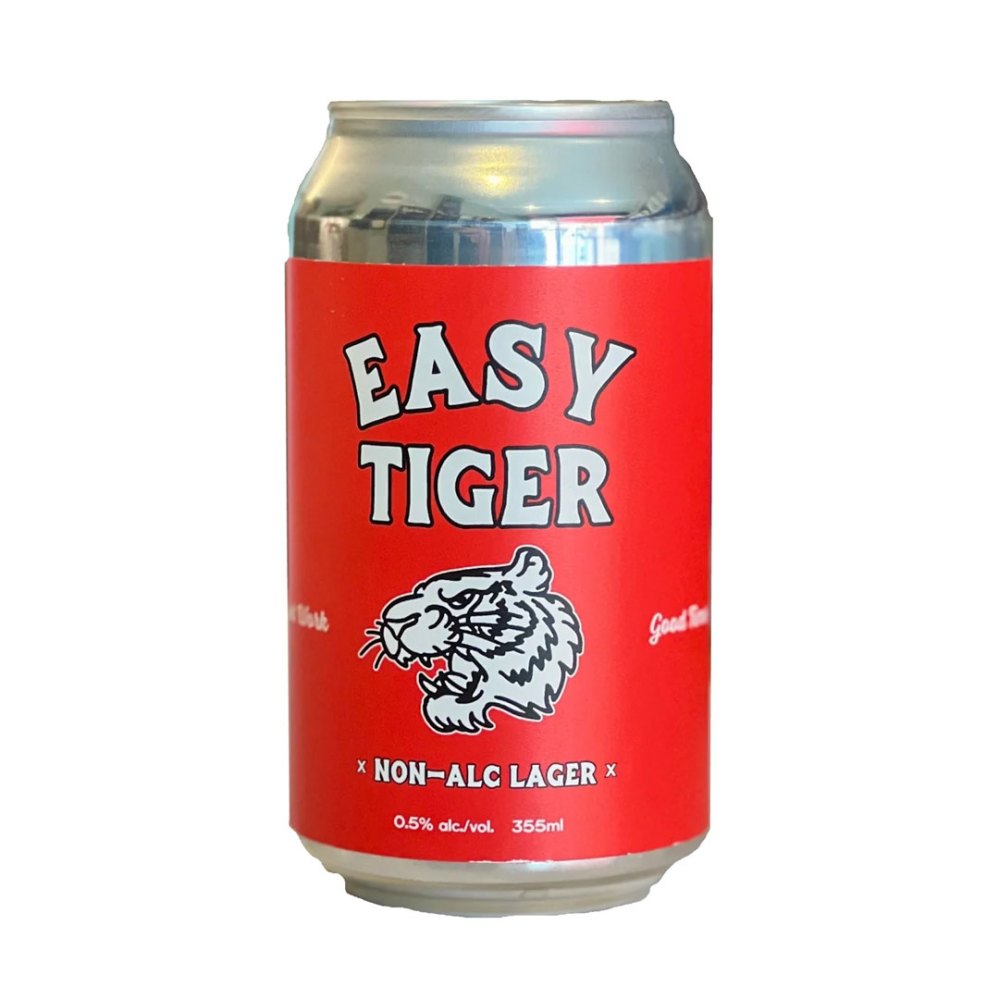
Town Brewery Easy Tiger Non-Alc Lager
(Whitby, Ont. — $3.75/355ml can, Sobr Market)
Pale gold in appearance and clear, this 0.5 per cent ABV lager offers up-front biscuit and malt aromas, with hints of toasted nut and chalky components.
On the dry, light-plus bodied palate there’s a touch of rounder red apple flavours that come with the biscuit, crisp malt and subtle nutty note, with good depth of flavour and right in line with your typical lager. Nicely done. 4/5
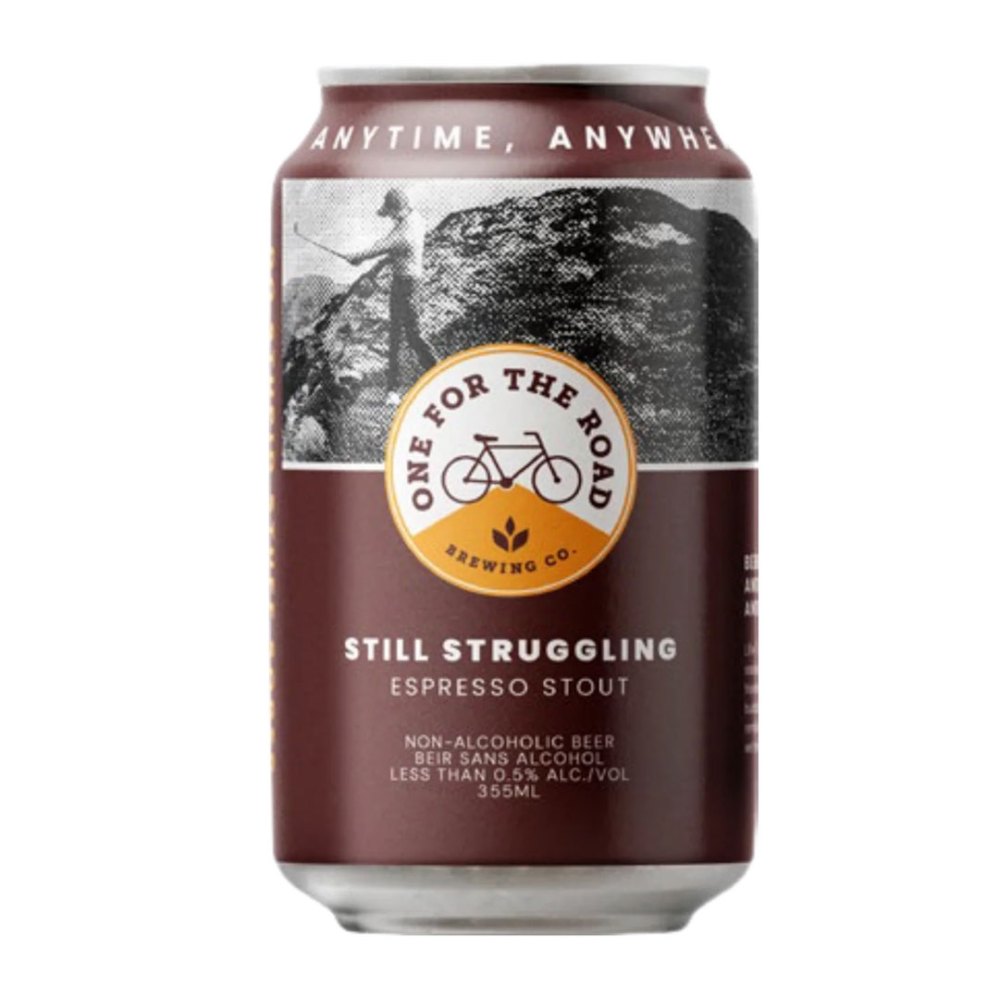
One for the Road Brewing Co. Still Struggling Espresso Stout
(Calgary — $2.80/355ml cans, Sobr Market)
Deep cola brown in appearance with an off-white head — not as deep in colour as, say the Guinness 0.0 — there’s a lovely espresso bean note that comes through aromatically alongside dark malt, cocoa, vanilla and spice on this “less than 0.5 per cent” stout.
It’s dry and light-plus bodied — surprisingly on the leaner side, in fact — with a slightly bitter herbal note that comes with the espresso and dark malt flavours as well as hints of cocoa and toffee.
Decent flavours, but lacks the chewier, more robust texture of other non-alcohol stouts. 2.5/5
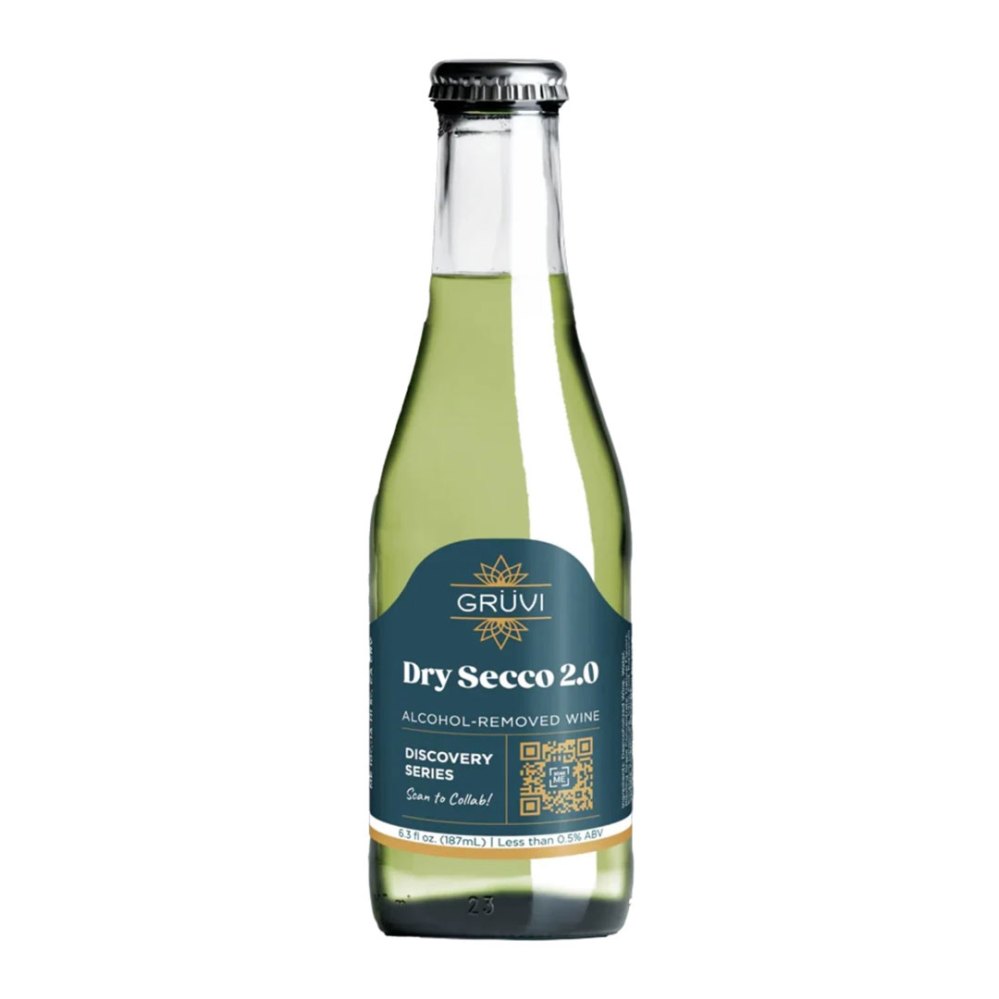
This “alcohol-removed wine” (less than 0.5 per cent ABV) contains dealcoholized wine and Riesling grape concentrate (among other things), and is pale straw in appearance, bringing pretty perfume, floral, red apple and pear notes.
On the palate it’s mainly dry and delivers a decent amount of Riesling-like flavours — red apple, lemon candy, some herbal notes — with medium acidity and a modest finish.
One of the better non-alcohol bubblies I’ve tried. 3.5/5
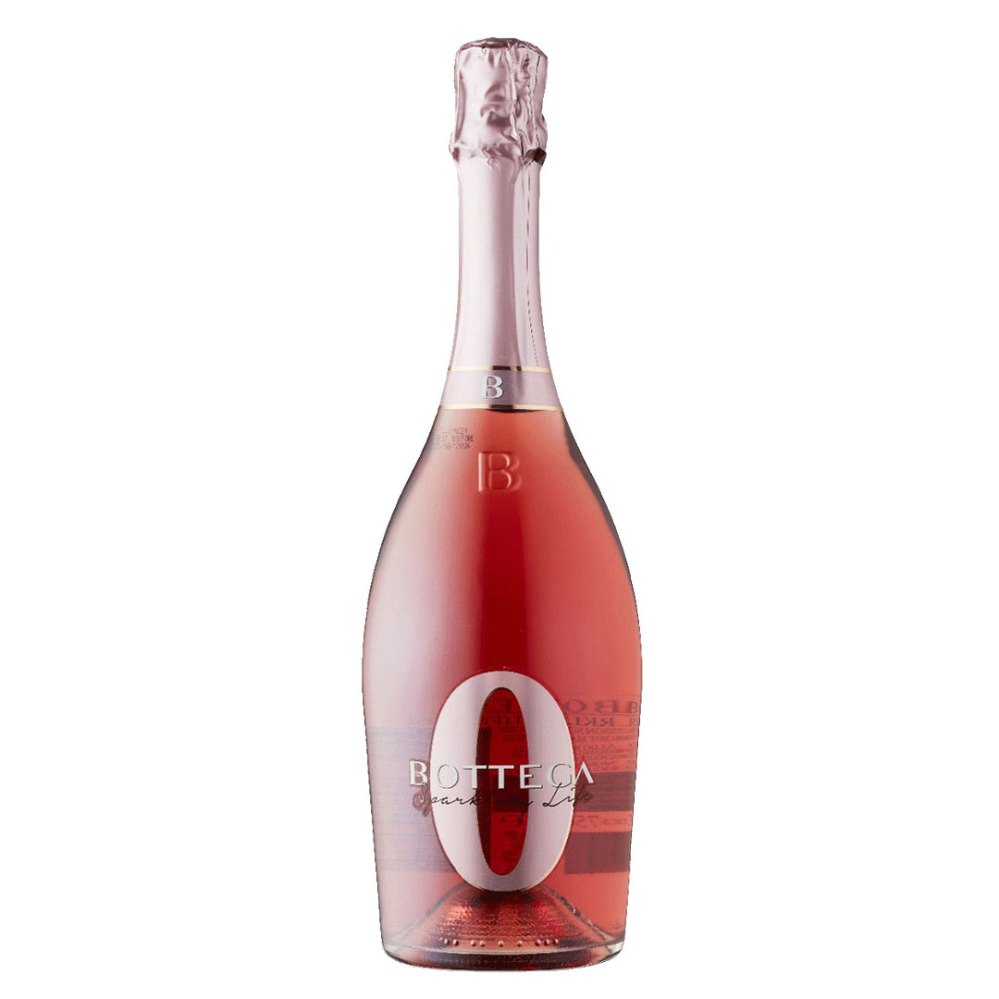
Bottega 0 Sparkling Life Rosé
(Italy — $13.99/750ml bottle, Liquor Marts and beyond)
The stalwart Italian sparkling wine producer has ventured into zero-alcohol fizz, the rosé made from a minimum 70 per cent grape must.
It’s bright pink in colour and offers aromas of watermelon and cherry candies, a subtle raspberry note and hints of fresh-cut flowers.
On the palate it’s light-plus bodied and fairly sweet, with loads of red berry/cherry candy and a peachy note and almost a hint of spice. Fans of sweeter Moscato d’Asti bubblies, take note. 3/5
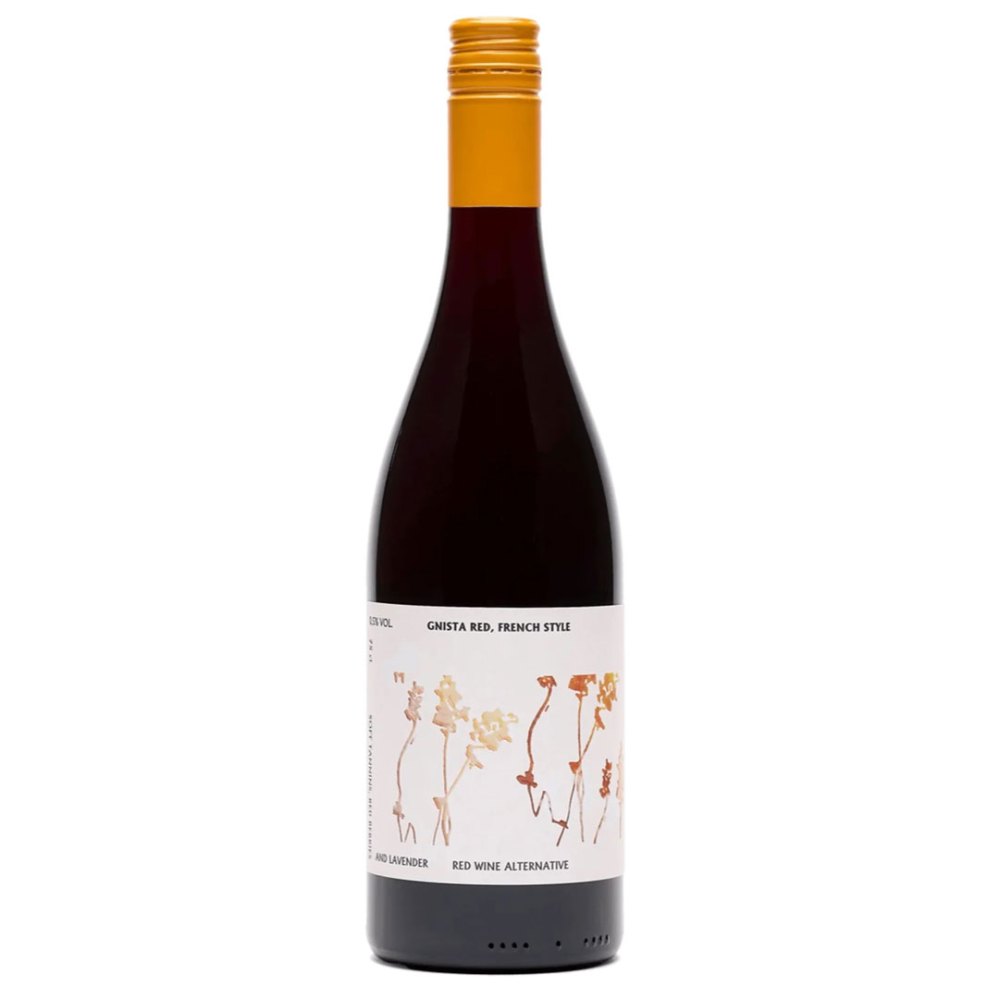
Gnista NV Red, French Style
(Sweden — $22.50/750ml bottle, Sobr Market)
This “red wine alternative” brings some mixed messaging — the label says it’s to be served like a French wine, but cautions “don’t expect it to taste like one.”
Made from grape, sour cherry and cranberry juices along with oak, raisins, black pepper and “extracts made from vodka” (it’s 0.3 per cent alcohol), it’s pale ruby and slightly hazy in appearance, bringing mulled wine/fruitcake notes aromatically.
It’s light-plus bodied and quite sweet, with the fruity flavours going toe to toe with the spice and oak components, and some modest tannins. Disregard the serving suggestion and either slightly chilled (with ice, sangria style) or slightly warmed (a-la mulled wine). 2.5/5
winnipegfreepress.com/bensigurdson
Ben Sigurdson Literary editor, drinks writer
Ben Sigurdson is the Free Press‘s literary editor and drinks writer. He graduated with a master of arts degree in English from the University of Manitoba in 2005, the same year he began writing Uncorked, the weekly Free Press drinks column. He joined the Free Press full time in 2013 as a copy editor before being appointed literary editor in 2014. Read more about Ben.
In addition to providing opinions and analysis on wine and drinks, Ben oversees a team of freelance book reviewers and produces content for the arts and life section, all of which is reviewed by the Free Press’s editing team before being posted online or published in print. It’s part of the Free Press‘s tradition, since 1872, of producing reliable independent journalism. Read more about Free Press’s history and mandate, and learn how our newsroom operates.
Our newsroom depends on a growing audience of readers to power our journalism. If you are not a paid reader, please consider becoming a subscriber.
Our newsroom depends on its audience of readers to power our journalism. Thank you for your support.
Ben Sigurdson Literary editor, drinks writer
Ben Sigurdson is the Free Press‘s literary editor and drinks writer. He graduated with a master of arts degree in English from the University of Manitoba in 2005, the same year he began writing Uncorked, the weekly Free Press drinks column. He joined the Free Press full time in 2013 as a copy editor before being appointed literary editor in 2014. Read more about Ben.
In addition to providing opinions and analysis on wine and drinks, Ben oversees a team of freelance book reviewers and produces content for the arts and life section, all of which is reviewed by the Free Press’s editing team before being posted online or published in print. It’s part of the Free Press‘s tradition, since 1872, of producing reliable independent journalism. Read more about Free Press’s history and mandate, and learn how our newsroom operates.
Our newsroom depends on a growing audience of readers to power our journalism. If you are not a paid reader, please consider becoming a subscriber.
Our newsroom depends on its audience of readers to power our journalism. Thank you for your support.
It took until the very end of his introductory news conference Saturday — right around the 15-minute mark — before Connor Hellebuyck was finally asked the question that hockey fans back in Winnipeg were likely waiting for.
“Is there anything you’d like to say to Jets fans?” a reporter who covers Hellebuyck’s new team, the New Jersey Devils, put to him during the session held inside the Prudential Center in Newark.
A short pause followed.
“I mean, there’s a lot. There’s a lot that I need to say,” Hellebuyck began, no doubt raising plenty of eyebrows around here and the hockey world in general.
Kazimierz Patalas left Poland in the late 1960s to make a new life for him and his family elsewhere, but he never forgot the lessons he learned as a young man in the country of his birth.
Perhaps no one lesson stuck with him more than the importance of giving back to the community. It was something he first endeavoured to do as a teen in his native Poland and continued to do for many decades after arriving in his adopted home of Winnipeg in 1967.
“He was always trying to do good for the community. I guess that was sort of ingrained in him from Poland,” says son Jacek, one of three children born to Patalas and his wife Józefa.
“Everything you did you kind of did for the community, for making sacrifices. Your life was geared towards or focused on helping society or the community where you live.”
Mike McIntyre8 minute readUpdated: Yesterday at 5:45 PM CDT
Connor Hellebuyck finally got his wish. Kevin Cheveldayoff finally got an offer he couldn’t refuse. And a long-running sports soap opera has finally ended.
The Winnipeg Jets pulled off a blockbuster deal Friday morning, shipping their disgruntled franchise goaltender to the New Jersey Devils for a package including four players and two draft picks.
Although they liked the return, nobody within the organization was popping champagne. This was, in many ways, a dark but necessary day.
“It certainly hasn’t been fun. There’s no question about it. But at the end of the day, Connor made his choice. And, as an organization, we had to act accordingly and we did,” the general manager said during an afternoon news conference inside Canada Life Centre.
An increasing number of lounges and eateries are offering more (and more innovative) mocktails, as well as alcohol-free beers and wines. The number of dealcoholized options at grocery stores, beer vendors, Liquor Marts and the like has never been higher. In short, the low/no-alc phenomenon is here to stay.
Royal Canadian Air Force personnel in Winnipeg bid farewell Saturday to the military branch’s last remaining CC-130H Hercules planes — “workhorses” that crews flew in seemingly countless combat, rescue and transport operations.
The federal government is phasing out Canada’s fleet of CC-130H Hercules aircraft, which entered service in 1974, in favour of modern planes, including the CC-295 Kingfisher, which will be used for search-and-rescue operations out of 17 Wing Winnipeg as of November.
“It’s really part of our family and one of us. This was the backbone of a lot of things that we do here out of Winnipeg,” Col. Curtis Wright, commander of 17 Wing Winnipeg, said of the “mighty Herc” after a retirement ceremony and a flypast.
The 435 Transport Search and Rescue Squadron, based at 17 Wing Winnipeg, is the final RCAF unit to fly the CC-130H Hercules. Two Winnipeg-based planes are still being flown. They will be taken out of service Nov. 1 and Nov. 18, Wright said.
Maggie Macintosh4 minute readUpdated: Yesterday at 6:14 PM CDT
Manitoba teachers are no longer allowed to text or use social media to contact a student – regardless of whether they coach a school sports team or supervise other activities outside typical instruction times.