

A champion of bilingualism
NDP minister, dedicated organizer worked to advance francophone education rights

Advertisement
Read this article for free:
or
Already have an account? Log in here »
To continue reading, please subscribe:

Digital Subscription
One year of digital access for only $205*
- Enjoy unlimited reading on winnipegfreepress.com
- Read the E-Edition, our digital replica newspaper
- Access News Break, our award-winning app
- Play interactive puzzles
*First annual payment billed as $205.00 + GST for one year. This annual subscription will automatically renew at $233.00 + GST every 52 weeks (10% off the regular annual price of $259.35). Offer available to new and qualified returning subscribers only. Cancel any time.
To continue reading, please subscribe:
Add Free Press access to your Brandon Sun subscription for only an additional
$1 for the first 4 weeks*
- Enjoy unlimited reading on winnipegfreepress.com
- Read the E-Edition, our digital replica newspaper
- Access News Break, our award-winning app
- Play interactive puzzles
*Your next Brandon Sun subscription payment will increase by $1.00 and you will be charged $17.95 plus GST for four weeks. After four weeks, your payment will increase to $24.95 plus GST every four weeks.
Read unlimited articles for free today:
or
Already have an account? Log in here »
Hey there, time traveller!
This article was published 24/01/2026 (235 days ago), so information in it may no longer be current.
Gérard Lécuyer, who died at age 88 in July, quietly helped lead Canada into uncharted political territory.
He’s remembered by family and friends as proud but self-effacing; by anglophones, as a steady, low-profile minister under Manitoba’s NDP premier Howard Pawley in the 1980s.
The Franco-Manitoban community, meanwhile, holds him in high esteem as one of Canadian bilingualism’s éminences grises.
Supplied
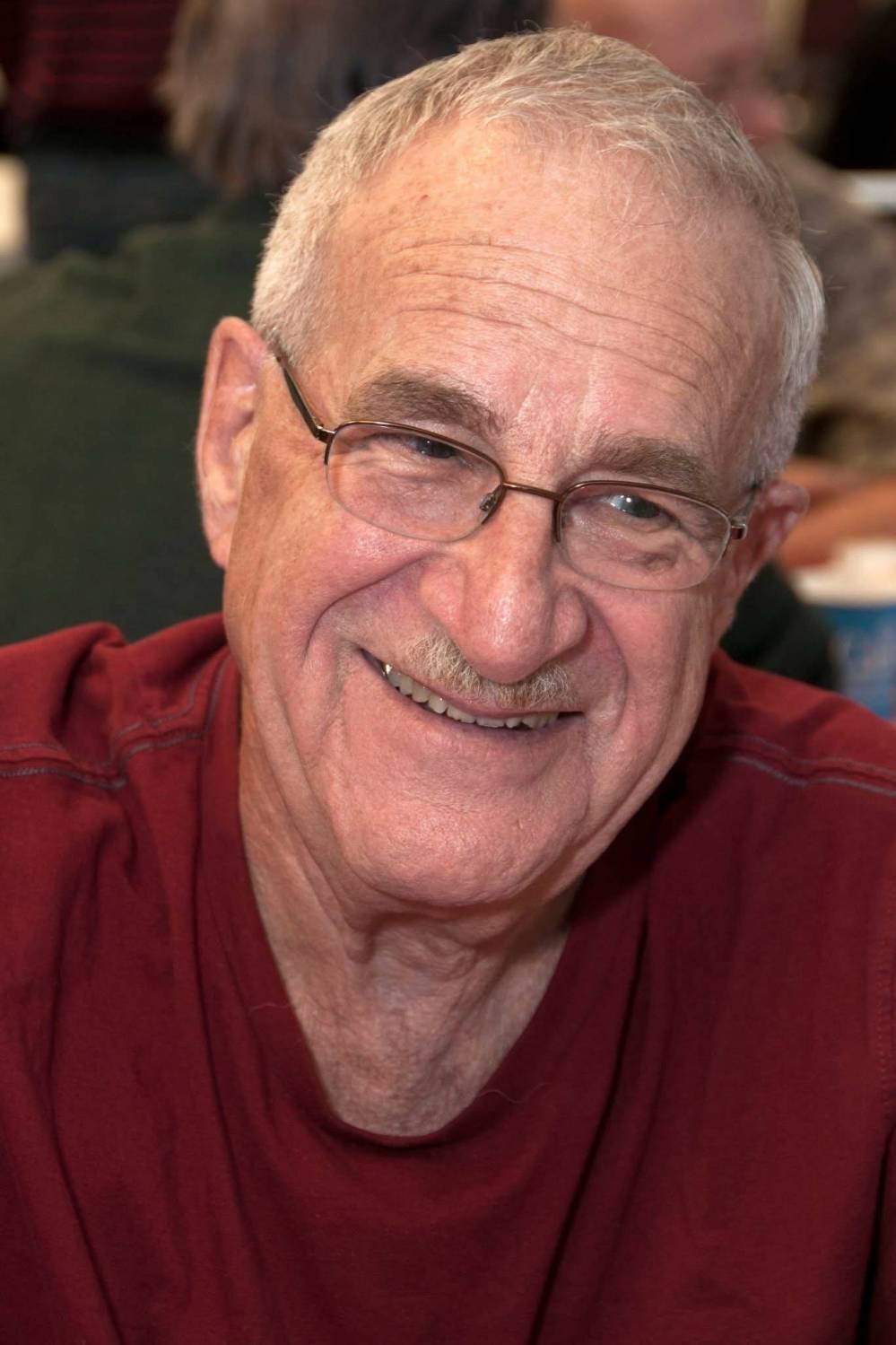
Gérard Lécuyer served as environment minister in addition to other roles during his political career.
Lécuyer was a passionate, faithful Catholic and plucky organizer whose key efforts contributed to Manitoba’s first provincewide, independent francophone school division — la Division scolaire franco-manitobaine (DSFM) — and to the Reference re Public Schools Act Supreme Court of Canada decision.
The landmark decision gives real, practical shape to one of the Canadian charter’s most unique features.
As an officially bilingual country, Canada is already in rare company. And its Constitution Act, 1982 makes it something of an outlier even within this group. It doesn’t just recognize two official languages — French and English — it lays out clear responsibilities for the government to actively support the minority communities that speak them.
It does so mainly though our charter’s Section 23, which guarantees linguistic minorities access to publicly funded education in their language.
Things were a little topsy turvy in the years immediately after the Constitution Act, 1982. Canada struggled to work out the practical meanings of its newly minted charter while tensions still simmered between provinces and between dominant and minority cultural groups, not least of all French Canada.
In Manitoba, the Fédération provinciale des comités de parents du Manitoba (FPCP), of which Lecuyer became executive director in 1990, sought to seize the moment. Its main goal was not just to overcome a century-old legal ban on teaching in French in Manitoba dating to the 19th century.
It aimed for something more ambitious: the creation of a school system by, and for, Franco-Manitobans.
“A lot of French-Canadian people across the country, we don’t want Quebec to separate,” says Lécuyer’s daughter, Michèle Lécuyer-Hutton. “My father definitely believed in a bilingual province, in a bilingual country.”
It was the FPCP that in 1988 initiated the first legal challenge to The Public Schools Act, arguing that provisions where French language minorities were concerned violated Section 23.
In 1993, the matter went to the Supreme Court of Canada, and Lécuyer — as well as FPCP president Gilbert Savard and others — went to Ottawa as an important advocate in this case.
Supplied
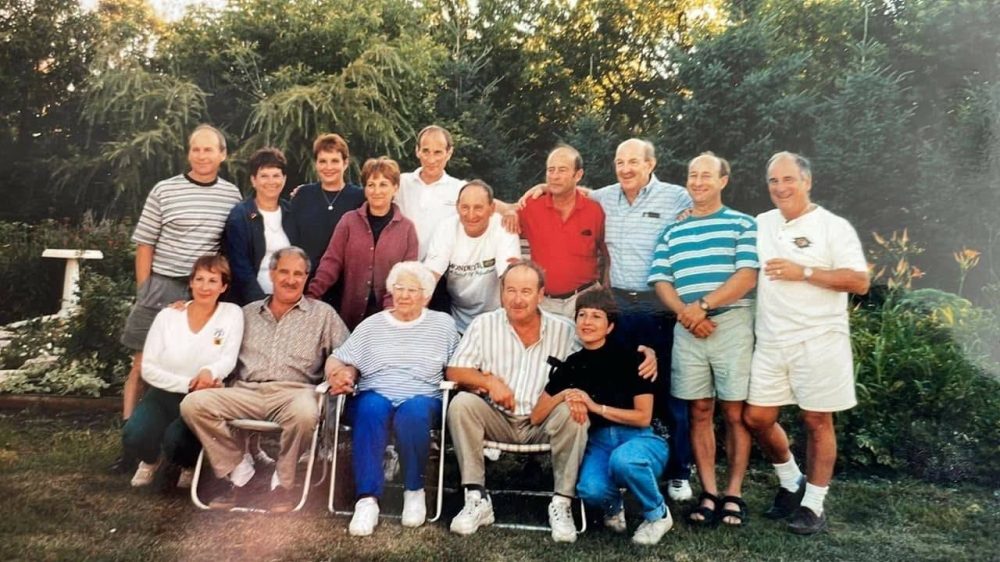
Lécuyer and his 14 siblings. Top row : Joe, Alice, Cecilia, Rose, Ron, Bernard, Andre, Paul, George, Marcel. 2nd row: Maria, Gerard, their mom Suzanne, Henry and Diane.
“He was a discreet builder… he never went making a speech, saying, ‘I’ve done this,’” says retired Radio Canada journalist and civil servant Jacqueline Blay, author of four volumes of history on Franco-Manitobans and recipient of the Order of Manitoba.
“When he went to the Supreme Court to fight for school governance, he was very proud, but didn’t go bragging.”
The final judgment didn’t just legalize the DSFM. It gave flesh and bones to abstract rights. Where Mahe v Alberta (1990) affirmed that Section 23 guarantees French-speaking minority parents’ control over their children’s education, Reference re Public Schools Act (1993) held that provinces must actually build the schools, boards and institutions to make it real.
These same obligations extend to anglophones in Quebec, protecting them against efforts to get rid of or significantly reduce anglophone boards and schools.
“Section 23 continues to be hugely important for official language minorities throughout the country,” says François Larocque, professor and research chair of the Canadian Francophonie in Law and Language Issues at the University of Ottawa. “(Reference re Public Schools Act) is cited all the time. There’s not a Section 23 case that comes up where that case is not cited.”
Growing up poor in St. Agathe during the Great Depression, as the second of 14 children, Lécuyer’s ambition to see new horizons and better his prospects did not blunt his empathy for those struggling with poverty.
He married his wife Irène in 1959, and the two stayed married until her death in 2010. By 1965 they had Michèle and Denise, with Philippe and Natalie soon to follow. That year, the family relocated to Sierre Leone where Gerard worked as a teacher through the Canadian International Development Agency (CIDA).
A little later, in the 1970s, the family moved to Algeria so their father could continue the same work.
“(Dad) found a way to bring the world to us. He bought a shortwave radio and a cassette player — two small but mighty lifelines. And through that cassette player, the soundtrack of our life in Algeria became Roger Whittaker,” says Philippe.
Supplied
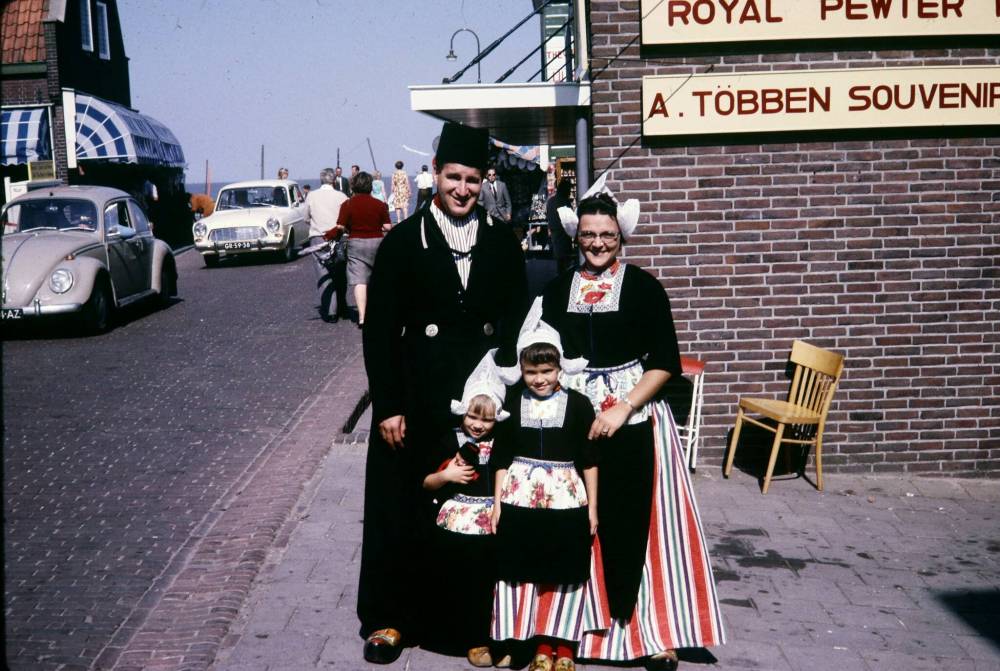
Lécuyer, Irène, Michele and Denise.
Eventually, the family returned to Winnipeg and settled into a home on Cherry Crescent. Lécuyer worked as a teacher in the St. Boniface school division and Philippe recalls a boisterous, loving household full of singing — and occasional wrestling matches between him and his papa.
In the 1981 provincial election, he became an NDP MLA after handily winning the riding of Radisson and was named government house leader shortly afterwards. Within two years, Lécuyer was minister of environment and workplace safety and health.
“Tommy Douglas was definitely (his) hero,” says Lécuyer-Hutton of the NDP’s founding leader, another leftwing Christian. “He was very sad that we never had any Métis blood … but he respected the rights for Indigenous and Métis people, that was something very important for him.”
Lécuyer lost his seat to Liberal Allan Patterson in 1988, though it gained him his freedom to focus more fully on French language rights.
Blay sees the creation of the DSFM in 1994, and the hostility with which its plans were first met, as the culmination of Anglo-Franco conflicts dating back to the Red River Rebellion (1869).
“The land was stolen and all the Oranges came from Ontario. And that’s where it starts. (The conflict) is dormant at some points and not dormant at some points,” she says.
One crucial contrast: while Métis leader Louis Riel struggled for regional government against federal overreach, the DSFM relied on federal, constitutional power against obstructions from the provincial government.
For Larocque, this dynamic flip signals how important the Charter’s Section 23 — and cases like Reference re Public Schools Act — have been for holding a bilingual Canada together.
“If the section 23 wasn’t there, French-Canadians throughout this country would not have much reason to be confident about their future,” he says. “And if you’re not teaching the minority languages, then the whole bilingual enterprise crumbles.”

Supplied
Lécuyer and his children: Philippe and Natalie (back row); Denise, Gérard and Michele (front).
Blay, for her part, calls the landmark Reference re Public Schools Act decision, “the passport we (Franco-Manitobans) need for the future.”

Life and work after Lécuyer’s time in Ottawa didn’t exactly slow down.
His roaming spirits took him to the Yukon, where he successfully advocated for French school governance rights in 1996. He spent much time with family at their cherished cottage at Albert Beach. There, he found consolation after Irène’s death and was known, as Philippe puts it, for “lending tools, time and knowledge to whomever, whether they wanted it or not.” And at 79, he walked the Camino de Santiago with his granddaughter Pascale, realizing a lifelong dream.
He died July 9 at Victoria Hospital, and his eclectic interests included a passionate place for francophonie until the end. Lécuyer-Hutton says this was in a pluralist, not a French nationalist key — a matter of believing in a bilingual Canada and the promises attached to it.
“He was very proud of the fact that his children and grandchildren went to a French school,” she says. “(But) he didn’t do any of these things because he wanted to be recognized. If he had, he would have been more vocal — but he wasn’t that kind of man.”
winnipegfreepress.com/conradsweatman
Conrad Sweatman is an arts reporter and feature writer. Before joining the Free Press full-time in 2024, he worked in the U.K. and Canadian cultural sectors and freelanced for outlets including The Walrus, VICE and Prairie Fire. Read more about Conrad.
Our newsroom depends on a growing audience of readers to power our journalism. If you are not a paid reader, please consider becoming a subscriber.
Our newsroom depends on its audience of readers to power our journalism. Thank you for your support.
A Life’s Story
A tribute to those who left a mark on our province
Conrad Sweatman is an arts reporter and feature writer. Before joining the Free Press full-time in 2024, he worked in the U.K. and Canadian cultural sectors and freelanced for outlets including The Walrus, VICE and Prairie Fire. Read more about Conrad.
Our newsroom depends on a growing audience of readers to power our journalism. If you are not a paid reader, please consider becoming a subscriber.
Our newsroom depends on its audience of readers to power our journalism. Thank you for your support.
Advertisement Advertise With Us
Advertisement Advertise With Us
History
Updated on Monday, January 26, 2026 9:48 AM CST: Corrects reference to month of Lécuyer's death