

Manitoba docs urged to speak out on preventable deaths

Advertisement
Read this article for free:
or
Already have an account? Log in here »
To continue reading, please subscribe:

Digital Subscription
One year of digital access for only $205*
- Enjoy unlimited reading on winnipegfreepress.com
- Read the E-Edition, our digital replica newspaper
- Access News Break, our award-winning app
- Play interactive puzzles
*First annual payment billed as $205.00 + GST for one year. This annual subscription will automatically renew at $233.00 + GST every 52 weeks (10% off the regular annual price of $259.35). Offer available to new and qualified returning subscribers only. Cancel any time.
To continue reading, please subscribe:
Add Free Press access to your Brandon Sun subscription for only an additional
$1 for the first 4 weeks*
- Enjoy unlimited reading on winnipegfreepress.com
- Read the E-Edition, our digital replica newspaper
- Access News Break, our award-winning app
- Play interactive puzzles
*Your next Brandon Sun subscription payment will increase by $1.00 and you will be charged $17.95 plus GST for four weeks. After four weeks, your payment will increase to $24.95 plus GST every four weeks.
Read unlimited articles for free today:
or
Already have an account? Log in here »
Hey there, time traveller!
This article was published 25/01/2026 (234 days ago), so information in it may no longer be current.
After Alberta emergency room horror stories made national news last week, a push for doctors across Canada to speak up about patients dying while waiting for care is unlikely to gain traction in Manitoba, critics say.
“Understanding what happened in a patient’s death, particularly in complex health-care settings, requires careful, evidence-based review,” Health Minister Uzoma Asagwara said Friday in an email. “Any patient death is a tragedy and our first responsibility is to treat patients and their families with dignity, respect, and care.”
Last week, a Calgary-based think tank praised ER doctors in Alberta who recently documented six cases of patients dying while waiting for emergency services. The doctors described what they called preventable deaths, along with indignities and suffering by patients, in a letter sent to the provincial government earlier this month.
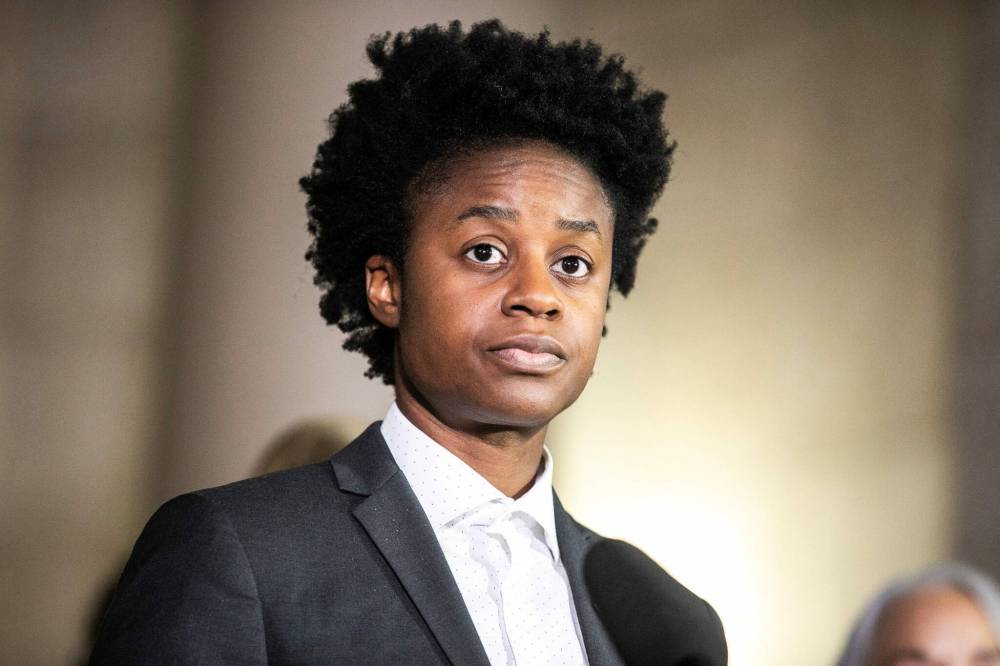
“Doctors across Canada should do what the Alberta doctors did and start start speaking out more about patients dying while waiting for treatment,” SecondStreet.org president Colin Craig in a news release. “We know it’s been happening under Conservative, NDP and Liberal governments for decades,” he said.
“The more we talk about it, the more likely we’ll see reform.”
Asagwara said when an unintended, serious event results from health service delivery — not the patient’s underlying condition — a critical incident review takes place. It’s led by medical experts to establish facts, identify contributing factors, and guide meaningful improvements so the same things don’t happen again, the minister said.
“These processes exist to ensure accuracy, protect patient privacy, and avoid speculation that can cause further harm to families and care teams,” Asagwara said.
Depending on how information is presented, immediate news of such an unwanted event can be unfair to the health professionals involved because the full story has not been told, said Paul Thomas.
“Timing is crucially important when it comes to the release of information regarding deaths due to delays in the provision of care,” said Thomas, who worked on patient safety issues for a decade outside of his role as a political studies professor at the University of Manitoba. “It is better to wait on the findings of a medical inquest or a critical incident review to avoid a rush to judgment.”
Since 2020, SecondStreet.org has released annual reports on patients dying on waiting lists in Canada and calling for transparency, accountability and reform.
Manitoba’s physician advocacy group said transparency about safety in the health-care system is important to build and maintain trust with the public.
“Manitoba has requirements already in place to report any incidents of patient harm or death caused by the delivery of health care rather than the patient’s underlying medical condition,” Doctors Manitoba spokesman Keir Johnson said in an email.
While reporting those incidents is required under law, the requirement about public reporting of incidents is less clear, Johnson said. Incident summaries are publicly reported “on occasion.”
Less than half of Manitoba doctors — 40 per cent — feel they can raise concerns without fear of consequences, Johnson said, referring to results from a recent Doctors Manitoba survey. It’s a major concern but not a surprise when most Manitoba physicians aren’t protected by whistleblower legislation, he said.
“This can lead to moral distress and, ultimately, contribute to challenges with retaining physicians,” Johnson said
Asagwara said that all health-care workers in Manitoba are encouraged to raise concerns about patient safety and system pressures.
“We have been clear that speaking up should never come with fear of retribution,” the minister said. “We are a listening government, and front-line voices matter. We know health-care workers show up every day doing their best in incredibly demanding circumstances, and we are committed to supporting them as they care for Manitobans.”
The Progressive Conservatives have called for an independent public inquiry into the deaths of three patients awaiting medical care in the past 15 months.

Debbie Fewster, 69, died Oct. 13, 2024 while waiting for cardiac surgery; Chad Giffin, 49, died in the emergency room waiting for care at Health Sciences Centre on Jan. 7, 2025; and Genevieve Price, 82, died Nov. 22, 2025 waiting for care at Grace Hospital.
“We support increased transparency and accountability in all aspects of health care – including emergency rooms,” PC health critic Kathleen Cook said Friday.
In December, she introduced “Debbie’s Law,” a private member’s bill that would make reporting of all patient deaths linked to health care delays for life-saving procedures mandatory.
A critical incident review is being held into Price’s death as well as a secondary investigation led by the health minister.
carol.sanders@freepress.mb.ca
Carol Sanders
Legislature reporter
Carol Sanders is a reporter at the Free Press legislature bureau. The former general assignment reporter and copy editor joined the paper in 1997. Read more about Carol.
Every piece of reporting Carol produces is reviewed by an editing team before it is posted online or published in print — part of the Free Press‘s tradition, since 1872, of producing reliable independent journalism. Read more about Free Press’s history and mandate, and learn how our newsroom operates.
Our newsroom depends on a growing audience of readers to power our journalism. If you are not a paid reader, please consider becoming a subscriber.
Our newsroom depends on its audience of readers to power our journalism. Thank you for your support.
Carol Sanders
Legislature reporter
Carol Sanders is a reporter at the Free Press legislature bureau. The former general assignment reporter and copy editor joined the paper in 1997. Read more about Carol.
Every piece of reporting Carol produces is reviewed by an editing team before it is posted online or published in print — part of the Free Press‘s tradition, since 1872, of producing reliable independent journalism. Read more about Free Press’s history and mandate, and learn how our newsroom operates.
Our newsroom depends on a growing audience of readers to power our journalism. If you are not a paid reader, please consider becoming a subscriber.
Our newsroom depends on its audience of readers to power our journalism. Thank you for your support.
Related Articles
Alberta emergency doctors detail waiting room horrors, preventable deaths to minister



Advertisement Advertise With Us
Advertisement Advertise With Us