N.S. RCMP say officers faced racist comments during raid at Indigenous cannabis store
Advertisement
Read this article for free:
or
Already have an account? Log in here »
To continue reading, please subscribe:

Digital Subscription
One year of digital access for only $205*
- Enjoy unlimited reading on winnipegfreepress.com
- Read the E-Edition, our digital replica newspaper
- Access News Break, our award-winning app
- Play interactive puzzles
*First annual payment billed as $205.00 + GST for one year. This annual subscription will automatically renew at $233.00 + GST every 52 weeks (10% off the regular annual price of $259.35). Offer available to new and qualified returning subscribers only. Cancel any time.
To continue reading, please subscribe:
Add Free Press access to your Brandon Sun subscription for only an additional
$1 for the first 4 weeks*
- Enjoy unlimited reading on winnipegfreepress.com
- Read the E-Edition, our digital replica newspaper
- Access News Break, our award-winning app
- Play interactive puzzles
*Your next Brandon Sun subscription payment will increase by $1.00 and you will be charged $17.95 plus GST for four weeks. After four weeks, your payment will increase to $24.95 plus GST every four weeks.
Read unlimited articles for free today:
or
Already have an account? Log in here »
Hey there, time traveller!
This article was published 05/02/2026 (222 days ago), so information in it may no longer be current.
HALIFAX – An RCMP manager in Nova Scotia says he takes issue with officers being called white supremacists and Nazis during a recent police raid of an Indigenous-run cannabis dispensary, calling such statements “racist commentary.”
In response, a Mi’kmaq lawyer accused police of painting themselves as victims and heightening tensions for Indigenous communities that have been rocked by unproven allegations from provincial politicians about unlicensed cannabis dispensaries and human trafficking.
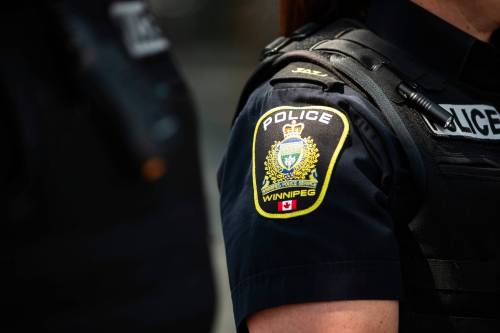
On Thursday, Supt. Jason Popik with the Southwest Nova District RCMP said officers were met with “verbal assault” during a Jan. 30 police search and cannabis seizure near the Annapolis Valley.
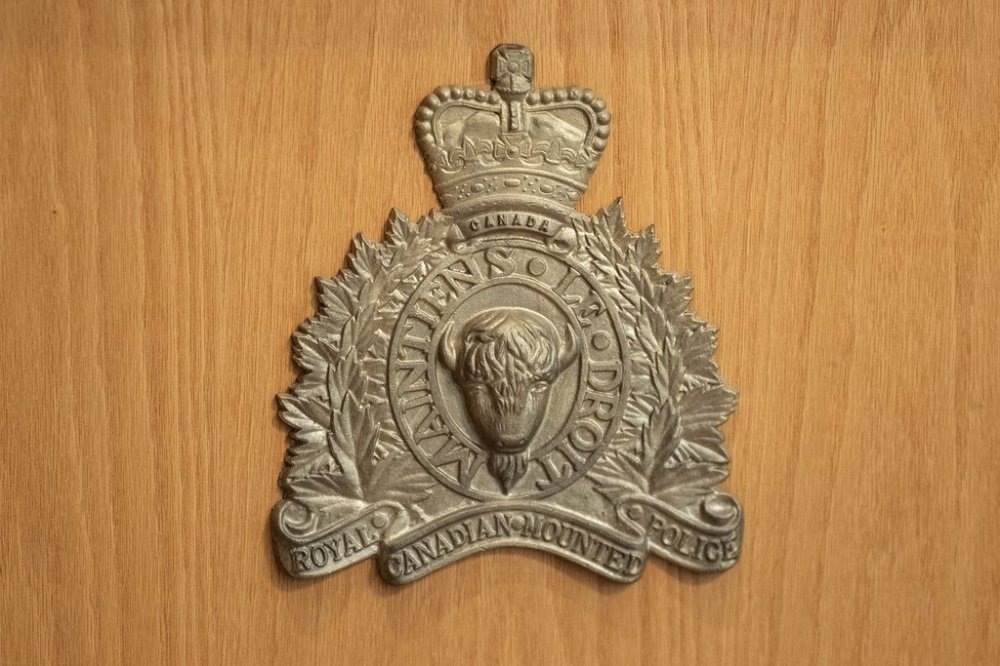
“We get into the site and we’re faced with swearing, racist language,” he said in an interview. “When I say racist language — when people start identifying the colour of your skin, the race you come from and use derogatory terms like ‘white supremacist,’ I take that to be a racist language.”
“When people are calling the police officers Nazis, that’s a derogatory term to reflect their feelings towards the people that are there doing their job,” he said.
Cody Ward, a Mi’kmaq man from Sipekne’katik First Nation, filmed police on Jan. 30 searching a truckhouse-style cannabis shop in Welton Landing, N.S., operated by his uncle. Ward, who asserts he has a treaty right to sell cannabis, can be heard on video saying the RCMP members are behaving like Nazis following orders.
“I hope your kids look at you and think: ‘Dad, you’re a … Nazi,'” he said in the video.
In an interview Thursday, Ward said the officers carrying out the provincial government’s wishes to crack down on illegal cannabis are taking part in racist action against Mi’kmaq businesses. “If you’re going to practise racist assimilation, you’re probably going to get called a racist,” he said.
The provincial government issued a directive on Dec. 4 for police to prioritize the enforcement of illegal cannabis and penned a letter to 13 Mi’kmaq chiefs asking for their co-operation. The directive has prompted criticism that Premier Tim Houston’s government may be interfering with law enforcement to target First Nations communities.
Provincial law strictly controls the sale of cannabis, which is done through Nova Scotia Liquor Corp. outlets. There are 51 legal cannabis outlets across the province; one is located on a First Nations reserve.
Houston and Popik have said enforcement applies to all illegal dispensaries, not just those that are Indigenous-operated. But the two major cannabis seizures in Popik’s district since December involved Indigenous-run shops. “There hasn’t been one non-Indigenous (dispensary) that we’ve dealt with” since the directive, Popik said.
The RCMP issued a press release Tuesday about the Welton Landing seizure, with Popik calling out the “racist commentary” officers were faced with, commending them for maintaining professionalism and “persistence in stopping the illegal cannabis market.”
Popik said Thursday he felt it was important to highlight the “bad behaviour” directed toward officers. “For people to believe they can disregard, denigrate, attack police officers verbally, that’s unacceptable.”
The Nova Scotia government has said its crackdown on illegal cannabis shops was motivated in part by a desire to rein in human trafficking and ensure cannabis sold in the province is not contaminated with fentanyl. However, the federal justice minister and local police have said they have not received reports of human trafficking linked to contraband cannabis, and police in Nova Scotia have said they have no evidence of fentanyl being present in seized cannabis.
Mi’kmaq lawyer Tuma Wilson said in an interview Thursday that the RCMP’s accusations of being verbally assaulted further villainize Indigenous-run dispensaries, in light of the unfounded claims about fentanyl and trafficking.
“This is someone who is actively participating in economic racism, claiming that they’re the victim of some sort of reverse-racism for being reminded about history,” Wilson said, referring to Popik’s comments. “It’s obscene, it’s kind of ridiculous. And it would be funny if it wasn’t so obscene.”
“It’s stoking the fire of anti-Indigenous racism,” Wilson said.
This report by The Canadian Press was first published Feb. 5, 2026.