

Citing AP investigation, new bill seeks to prohibit DHS from using full-body restraints
Advertisement
Read this article for free:
or
Already have an account? Log in here »
To continue reading, please subscribe:
Monthly Digital Subscription
$1 per week for 24 weeks*
- Enjoy unlimited reading on winnipegfreepress.com
- Read the E-Edition, our digital replica newspaper
- Access News Break, our award-winning app
- Play interactive puzzles
*Billed as $4.00 plus GST every four weeks. After 24 weeks, price increases to the regular rate of $19.95 plus GST every four weeks. Offer available to new and qualified returning subscribers only. Cancel any time.
Monthly Digital Subscription
$4.99/week*
- Enjoy unlimited reading on winnipegfreepress.com
- Read the E-Edition, our digital replica newspaper
- Access News Break, our award-winning app
- Play interactive puzzles
*Billed as $19.95 plus GST every four weeks. Cancel any time.
To continue reading, please subscribe:
Add Free Press access to your Brandon Sun subscription for only an additional
$1 for the first 4 weeks*
*Your next subscription payment will increase by $1.00 and you will be charged $16.99 plus GST for four weeks. After four weeks, your payment will increase to $23.99 plus GST every four weeks.
Read unlimited articles for free today:
or
Already have an account? Log in here »
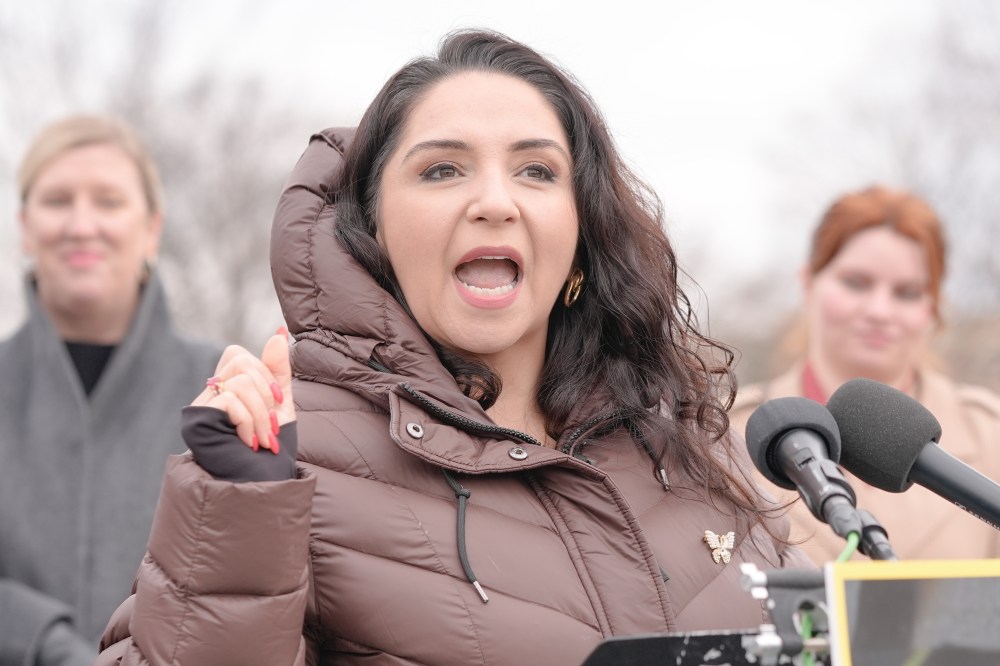
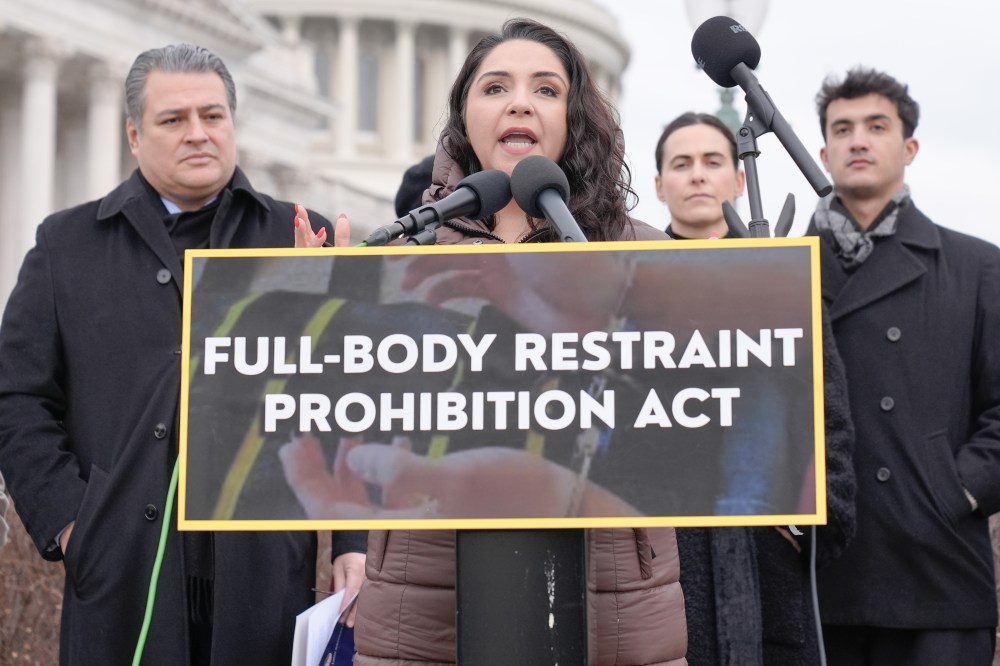
The Department of Homeland Security would be barred from using a full-body restraint device called the WRAP under a new bill introduced in the House on Wednesday.
The “Full-Body Restraint Prohibition Act,” sponsored by U.S. Rep. Delia Ramirez, D-Ill., would prohibit future purchases of the device and create oversight and reporting requirements.
In announcing the legislation, Ramirez cited an Associated Press investigation that revealed several examples of U.S. Immigration and Customs Enforcement, part of DHS, using the device on people — sometimes for hours — on deportation flights dating to 2020.

The WRAP “fuels destruction in our communities and human suffering. This legislation is an additional step to end the pain and violence caused by DHS,” Ramirez said in a statement.
Made by California-based Safe Restraints Inc., the WRAP is the subject of several federal lawsuits likening its incorrect usage to punishment and even torture. Advocates have expressed concern that ICE is not tracking the WRAP’s use as required by federal law when officers use force, making it difficult to discern exactly how many people are being subjected to the restraints.
In addition to reporting on ICE’s use of the device, the AP identified a dozen fatal cases in the last decade where local police or jailers around the U.S. used the WRAP and autopsies determined “restraint” played a role in the death.
DHS has not answered detailed questions from the AP about the use of the WRAP and did not respond to a request for comment on the bill.
The AP found that ICE has used the device despite internal concerns voiced in a 2023 report by the civil rights division of DHS, in part due to reports of deaths involving use of the WRAP by local law enforcement. Ramirez also cited reporting by Bloomberg Law on the WRAP.
Federal purchasing records show that DHS paid Safe Restraints Inc. $268,523 since it started purchasing the devices in late 2015, during the Obama administration, through June 2025. Government purchasing records show the two Trump administrations have been responsible for about 91% of that spending.
Charles Hammond, the company’s CEO, said in a statement that the WRAP was designed to provide a “safer, more humane, pain-free alternative to other restraint methods.”
“Eliminating The WRAP from these situations would not lead to safer outcomes; it would force the return to alternative restraints and tactics proven to cause pain, injury and even fatalities,” Hammond said.
The company made a modified version of the device for ICE, Hammond said. The ICE version had changes meant to allow people to be kept in it during flights and long bus trips.

Still, ICE officials have a much lower threshold for deploying the WRAP than the manufacturer advises, the AP found. Detainees interviewed by the AP said ICE officers used the restraints on them after they had already been shackled. They said this was done to intimidate or punish them for asking to speak to their attorneys or expressing fear at being deported, often to places they fled due to violence and torture.
Hammond told the AP that, if true that some people were not being violent and simply protesting verbally, putting them in the WRAP could be improper use.
After AP’s investigation in October, a group of 11 Democratic U.S. senators wrote a letter to top immigration officials citing the AP’s investigation and saying ICE’s use of the full-body restrains onboard deportation flights is raising “serious human rights concerns.”
___
Contact AP’s global investigative team at Investigative@ap.org or https://www.ap.org/tips/