

For frigid East it may be hard to fathom, but the US had its second-warmest winter on record
Advertisement
Read this article for free:
or
Already have an account? Log in here »
To continue reading, please subscribe:
Monthly Digital Subscription
$1 per week for 24 weeks*
- Enjoy unlimited reading on winnipegfreepress.com
- Read the E-Edition, our digital replica newspaper
- Access News Break, our award-winning app
- Play interactive puzzles
*Billed as $4.00 plus GST every four weeks. After 24 weeks, price increases to the regular rate of $19.95 plus GST every four weeks. Offer available to new and qualified returning subscribers only. Cancel any time.
Monthly Digital Subscription
$4.99/week*
- Enjoy unlimited reading on winnipegfreepress.com
- Read the E-Edition, our digital replica newspaper
- Access News Break, our award-winning app
- Play interactive puzzles
*Billed as $19.95 plus GST every four weeks. Cancel any time.
To continue reading, please subscribe:
Add Free Press access to your Brandon Sun subscription for only an additional
$1 for the first 4 weeks*
*Your next subscription payment will increase by $1.00 and you will be charged $16.99 plus GST for four weeks. After four weeks, your payment will increase to $23.99 plus GST every four weeks.
Read unlimited articles for free today:
or
Already have an account? Log in here »
It may be cold comfort for Americans in the East and Midwest who shivered through blizzards and subfreezing blitzes, but this past winter was the second-warmest on record for the continental United States, federal meteorologists calculated Monday.
The Lower 48 states averaged 37.13 degrees Fahrenheit (2.85 degrees Celsius) from December through February, which is considered meteorological winter. That’s just one-third of a degree below that of the warmest winter, a record set two years ago. National Oceanic and Atmospheric Administration winter temperature records go back 131 years. The U.S. winter average temperature is 32.2 F (0.1 C).
The higher average temperature was driven primarily by the area west of the Mississippi River, which largely missed out on winter this year, said Russell Vose, NOAA’s climate monitoring chief. The West saw record or near-record warmth all winter, while the East had cold spells that weren’t as extreme in comparison to the West’s heat. A greater land area of the country also saw unusual warmth over bitter cold.
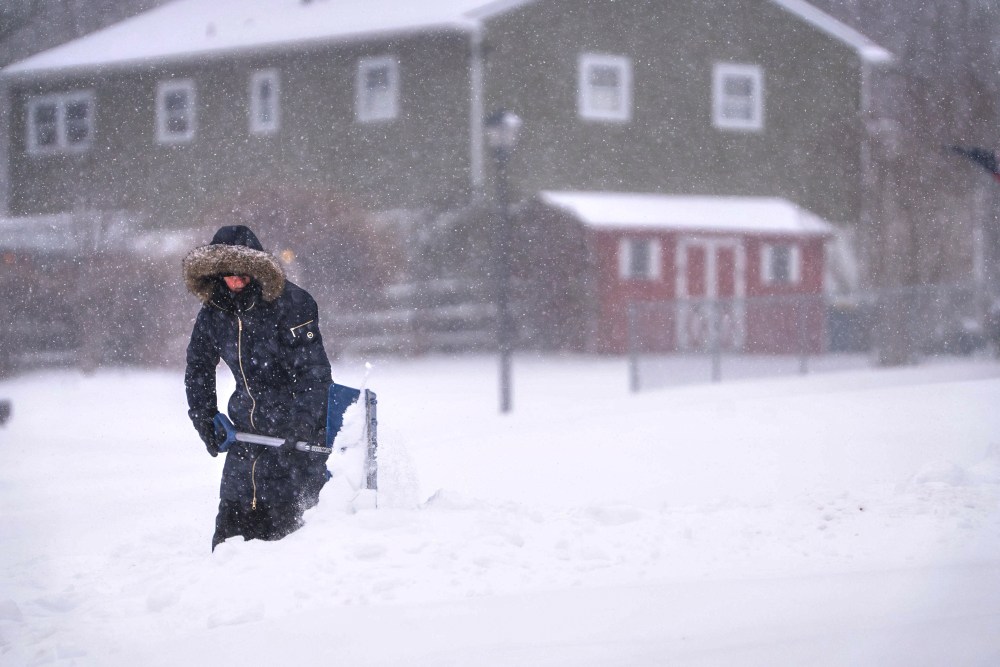
“The East, especially the Northeast, had winter,” Vose said. “In the West, there were certainly places where you could say we missed the winter.”
Nine states broke or tied records for the warmest winter: Arizona, Colorado, Nevada, New Mexico, Oklahoma, Oregon, Texas, Utah and Wyoming, according to NOAA. By comparison, the state with the coldest rank for the winter was Delaware, and it only had its 28th coldest on record. Eight of the record-warm states are in the top 10 in land area for the Lower 48, while Delaware is the second-smallest.
And the cold, while it seemed harsh and long-lasting, didn’t stretch all winter, said Yale Climate Connections meteorologist Jeff Masters.

“We had a pretty impressive long stretch of unbroken cold that was very notable. But the total duration for the whole winter, not so much,” he said.
February was the fourth-warmest on record nationally with Arizona, Colorado, New Mexico, Oklahoma and Wyoming having their warmest February on record. January was the 24th-warmest month nationally, and December was the fifth-warmest.
In the past 50 years, winter in the Lower 48 states has warmed by 3.95 degrees Fahrenheit (2.19 degrees Celsius), far more than any of the other three seasons, according to NOAA.
___
The Associated Press’ climate and environmental coverage receives financial support from multiple private foundations. AP is solely responsible for all content. Find AP’s standards for working with philanthropies, a list of supporters and funded coverage areas at AP.org.