Research aims to prevent Type 2 diabetes Expansion of northern Manitoba program works to stem intergenerational nature of the disease
Read this article for free:
or
Already have an account? Log in here »
To continue reading, please subscribe:

Digital Subscription
One year of digital access for only $205*
- Enjoy unlimited reading on winnipegfreepress.com
- Read the E-Edition, our digital replica newspaper
- Access News Break, our award-winning app
- Play interactive puzzles
*First annual payment billed as $205.00 + GST for one year. This annual subscription will automatically renew at $233.00 + GST every 52 weeks (10% off the regular annual price of $259.35). Offer available to new and qualified returning subscribers only. Cancel any time.
To continue reading, please subscribe:
Add Free Press access to your Brandon Sun subscription for only an additional
$1 for the first 4 weeks*
- Enjoy unlimited reading on winnipegfreepress.com
- Read the E-Edition, our digital replica newspaper
- Access News Break, our award-winning app
- Play interactive puzzles
*Your next Brandon Sun subscription payment will increase by $1.00 and you will be charged $17.95 plus GST for four weeks. After four weeks, your payment will increase to $24.95 plus GST every four weeks.
Read unlimited articles for free today:
or
Already have an account? Log in here »
Hey there, time traveller!
This article was published 17/03/2026 (185 days ago), so information in it may no longer be current.
Dr. Brandy Wicklow’s research has helped reverse the development of Type 2 diabetes in dozens of children living in northern Manitoba.
“We’ve prevented a lot of flights and medical admissions to hospital,” says the professor of pediatrics and child health at the Max Rady College of Medicine and researcher with the Children’s Hospital Research Institute of Manitoba.
Wicklow is the principal investigator of the Next Generation (NextGen) Birth Cohort study, which follows a large group of First Nations and Métis children whose parents have been diagnosed with Type 2 diabetes in childhood or gestational diabetes during pregnancy.
MIKAELA MACKENZIE / FREE PRESS Dr. Brandy Wicklow is the principal investigator of the Next Generation (NextGen) Birth Cohort study.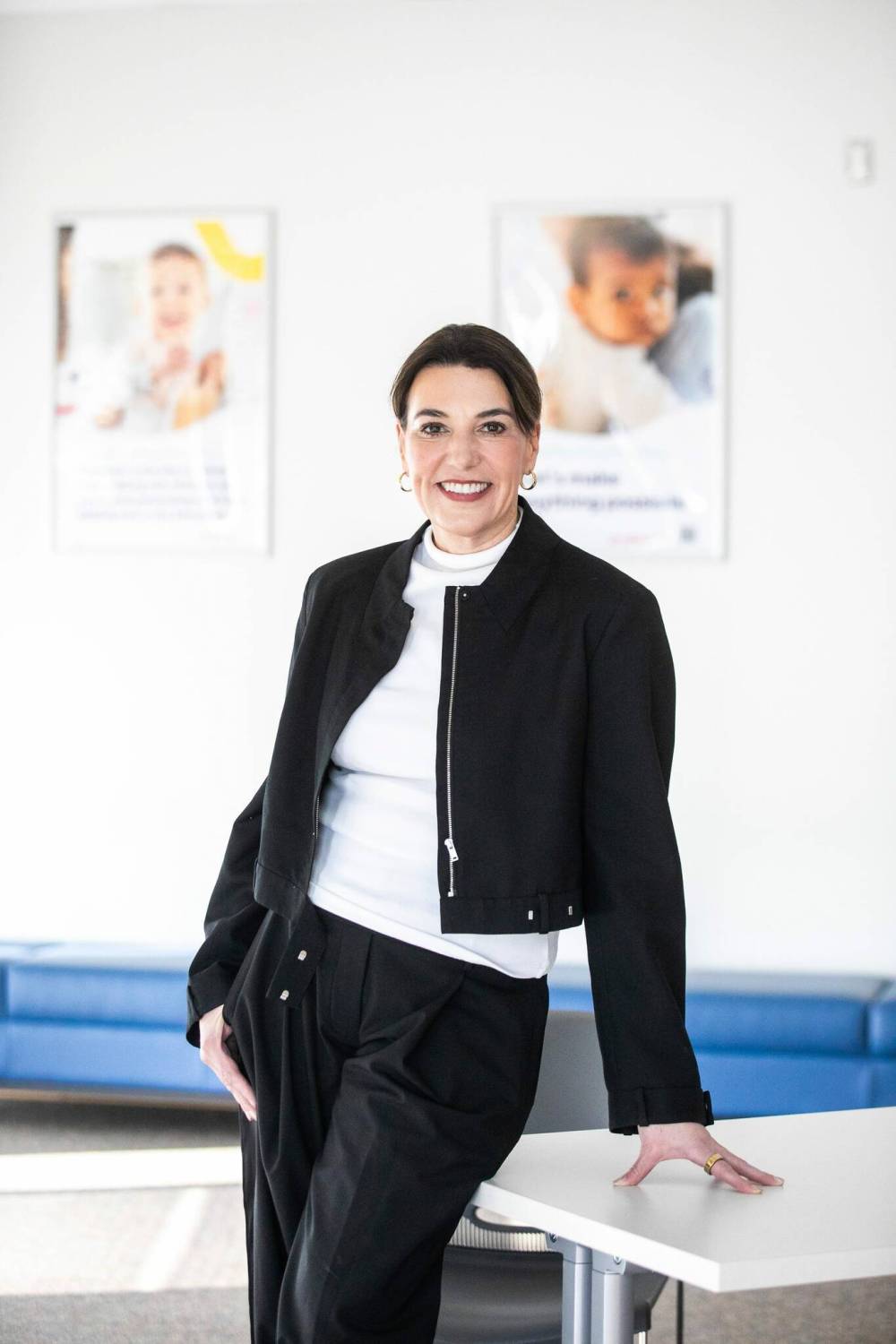
The goal is to prevent and better understand the intergenerational nature of the disease, which disproportionately affects Indigenous communities in Manitoba.
The research program is set to expand thanks to a recent $1.5-million grant from the Canadian Institutes of Health Research.
Type 2 diabetes is a chronic illness in which the body can’t use insulin properly, leading to high blood sugar and possible damage to the kidneys and other vital organs. It can develop in childhood or adulthood; there is no cure.
The NextGen team visits northern First Nations several times a year to collect blood and urine samples, deliver medical care and conduct diabetes screenings — the latter has been an important preventative measure. Of the 548 parent-child pairs in the study, Wicklow has caught and reversed 60 cases of pre-diabetes through nutrition and lifestyle counselling.
“We’ve prevented a lot of flights and medical admissions to hospital.”
“If we screen kids early, we can prevent them from, one, getting very sick with their diabetes, and two, perhaps prevent them from progressing from pre-diabetes to diabetes,” she says, adding the grant funding will allow the research team to upgrade its screening equipment.
The NextGen study has found that children born to mothers with Type 2 diabetes are 14 times more likely to develop the disease themselves.
It’s unclear what exactly is happening in the womb, but Wicklow believes cellular information passed from mom to baby is being impacted by epigenetic mechanisms — environmental factors, such as stress and diet, that can alter the way genes behave. This is also commonly known as blood memory.
The systemic disenfranchisement of Indigenous nations in Canada via colonization has resulted in long-lasting intergenerational trauma, poverty and food insecurity — all of which affect maternal health and nutrition, says Wicklow.
“When we looked at blood memory, we did see that there are certain things that seem to be passed along, certain patterns of enzymes and proteins that are different between babies that are born to moms with and without diabetes,” she says.
Breastfeeding appears to be a potent antidote.
“If you breastfeed at birth… it will reduce the risk of your child having Type 2 diabetes.”
“If you breastfeed at birth, even colostrum (the first form of milk) for the first three days, it will reduce the risk of your child having Type 2 diabetes,” Wicklow says.
“We think that it’s possible that breast milk changes those (enzyme profiles) back to looking more like unexposed babies.”
The new funding will also support the development of two postnatal interventions: lactation counselling rooted in traditional teachings and designed for moms who often have to travel far from home to give birth; and land-based mom and baby classes.
The latter will be piloted in Garden Hill, St. Theresa Point, Red Sucker Lake and Wasagamack first nations. Activities will include land-based teachings, berry and medicine picking, gardening and fishing.
“It’s general healthy living programming, but it will help prevent diabetes when you’re moving, working the land, using traditional food systems,” Wicklow says.
Study participants, community members and elders have been involved in creating every aspect of the NextGen study, including co-authoring the successful grant proposal.
Ownership and empowerment have been key to the success of the long-term study, which has been running since 2003 and now includes a parent advisory circle to ensure the research is culturally relevant.
“The only way this is going to be sustainable is if the community believes in it and believes that it’s helping the children and believes they were a part of the voice designing it,” says Wicklow, who describes herself as a white settler of Ukrainian descent.
“I’m eternally humbled by the generosity of the people who live in the North.”
The NextGen study is one of nine University of Manitoba research programs to receive a total of $7.2 million in grant funding from the Canadian Institutes of Health Research.
“I’m eternally humbled by the generosity of the people who live in the North.”
Other recipients are studying arthritis and joint care in First Nations populations; childhood brain disorders; infant pulmonary hypertension; the role of genetics in schizophrenia; sexually transmitted and blood-borne infections in underserved populations; childhood brain cancer; the impact of Winnipeg’s expected safe consumption site on those with substance-use disorders; and the ways youth use artificial intelligence for mental health support.
winnipegfreepress.com/evawasney

Eva Wasney covers environmental issues in Manitoba for The Narwhal in partnership with the Winnipeg Free Press. Read more about Eva.
Every piece of reporting Eva produces is reviewed by an editing team before it is posted online or published in print — part of the Free Press‘s tradition, since 1872, of producing reliable independent journalism. Read more about Free Press’s history and mandate, and learn how our newsroom operates.
Our newsroom depends on a growing audience of readers to power our journalism. If you are not a paid reader, please consider becoming a subscriber.
Our newsroom depends on its audience of readers to power our journalism. Thank you for your support.