Romany family’s plight uplifting, haunting chronicled in gritty, magical prose
Advertisement
Read this article for free:
or
Already have an account? Log in here »
To continue reading, please subscribe:

Digital Subscription
One year of digital access for only $205*
- Enjoy unlimited reading on winnipegfreepress.com
- Read the E-Edition, our digital replica newspaper
- Access News Break, our award-winning app
- Play interactive puzzles
*First annual payment billed as $205.00 + GST for one year. This annual subscription will automatically renew at $233.00 + GST every 52 weeks (10% off the regular annual price of $259.35). Offer available to new and qualified returning subscribers only. Cancel any time.
To continue reading, please subscribe:
Add Free Press access to your Brandon Sun subscription for only an additional
$1 for the first 4 weeks*
- Enjoy unlimited reading on winnipegfreepress.com
- Read the E-Edition, our digital replica newspaper
- Access News Break, our award-winning app
- Play interactive puzzles
*Your next Brandon Sun subscription payment will increase by $1.00 and you will be charged $17.95 plus GST for four weeks. After four weeks, your payment will increase to $24.95 plus GST every four weeks.
Read unlimited articles for free today:
or
Already have an account? Log in here »
Hey there, time traveller!
This article was published 04/04/2026 (189 days ago), so information in it may no longer be current.
Lynn Hutchinson Lee, a multimedia artist and prolific writer of speculative short stories, focuses on the intersection of poverty-stricken workers in 1980s Ontario and the lasting traditions of the Romany people after they’ve emigrated to Canada.
Hutchinson Lee is of mixed ancestry, and is of Anglo-Romany descent on her father’s side. She writes frequently about Romany culture and traditions, as can be seen in the stories she’s published in numerous Canadian journals and anthologies, her previous novella, Origins of Desire in Orchid Fens, and in her debut novel Nightshade.
Set in the ’80s in Ontario’s tobacco belt, the novel follows Zelda, her mother and aunties, who travel as itinerant workers on various farms. At the novel’s outset, the family has just been hired on at a tobacco plantation owned by Jack Tormentine. The workers, and thus Zelda and her family, are provided only an abandoned and filthy hotel as lodgings. The work in the tobacco fields is gruelling and dangerous.
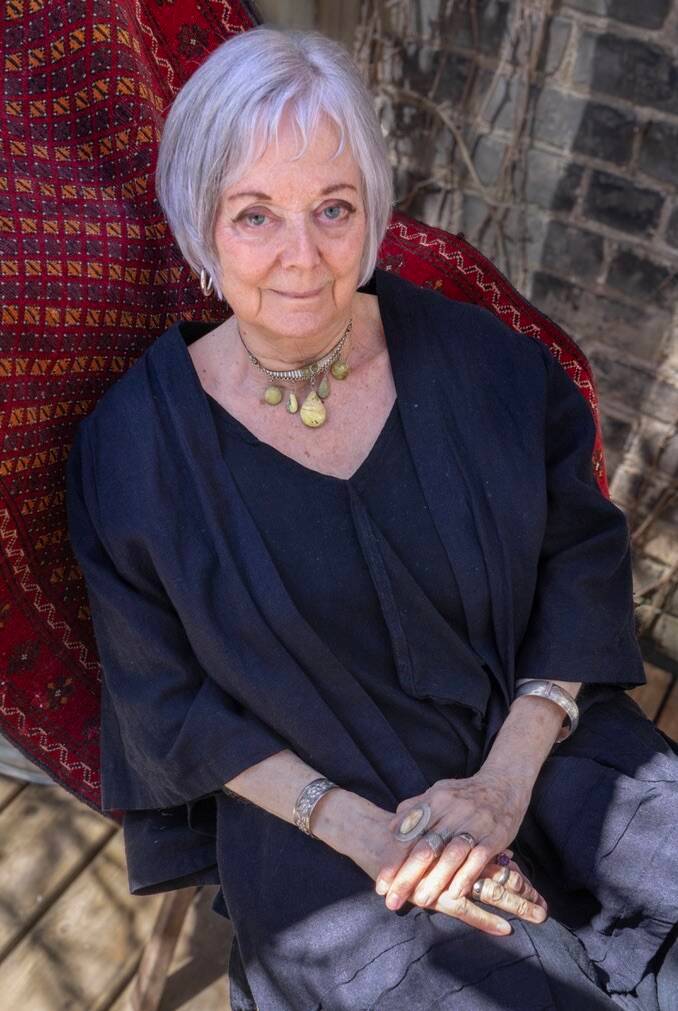
Ingrid Mayrhofer photo
Lynn Hutchinson Lee
While travelling in search of work, the Romany women hold fast and bring their traditions along with them, including a troupe of elaborate puppets. They perform puppet shows for extra money, but the puppets are also extended members of the family with their own personalities and, in the case of Puri Dai — the grandmother puppet — voices of their own.
Most of the novel is told in Zelda’s first-person perspective, but there are short chapters told in Puri Dai’s voice; she is perceptive and protective of Zelda, and wise enough to know when to let the youngest woman of the family make her own mistakes and learn for herself.
The women are visited by the plantation owner’s wife, Trixie Tormentine, who seems interested in befriending Zelda. The young Romany woman is quickly enamoured with Trixie’s grace and expensive lifestyle. Zelda’s mother and aunts suspect something more self-serving in Trixie’s interactions. Even so, Zelda begins working directly for Mrs. Tormentine and becomes increasingly covetous of the lavish lifestyle the plantation owners enjoy.
The longer Zelda works for Trixie, the more her employer’s casual cruelty is directed at her. Another family of migrant workers from Guatemala join Zelda’s family in the hotel, but the plantation owner is especially cruel to Dolores, that family’s youngest member. Zelda’s friendship with Dolores allows her to see the consequences of the Tormentines’ cruelty and exploitation, and she begins to find the mansion and fancy clothes and expensive jewelry less enticing.
Hutchinson’s writing in Nightshade is both gritty and magical, capturing the sweat and toil of the fields and barns on the plantation as well as the otherworldly awe of the sentient puppets. The magic realism is never over the top or intrusive, but instead feels like an embodiment of the Romany tradition; its wisdom, its stories, its love and connection to family. Despite being set in the ’80s, the novel has a vivid gothic sensibility. There is a palpable threat throughout the narrative, but it never comes from the otherworldly elements; the threats to Zelda and her family are firmly grounded in the reality in which they are forced to live.
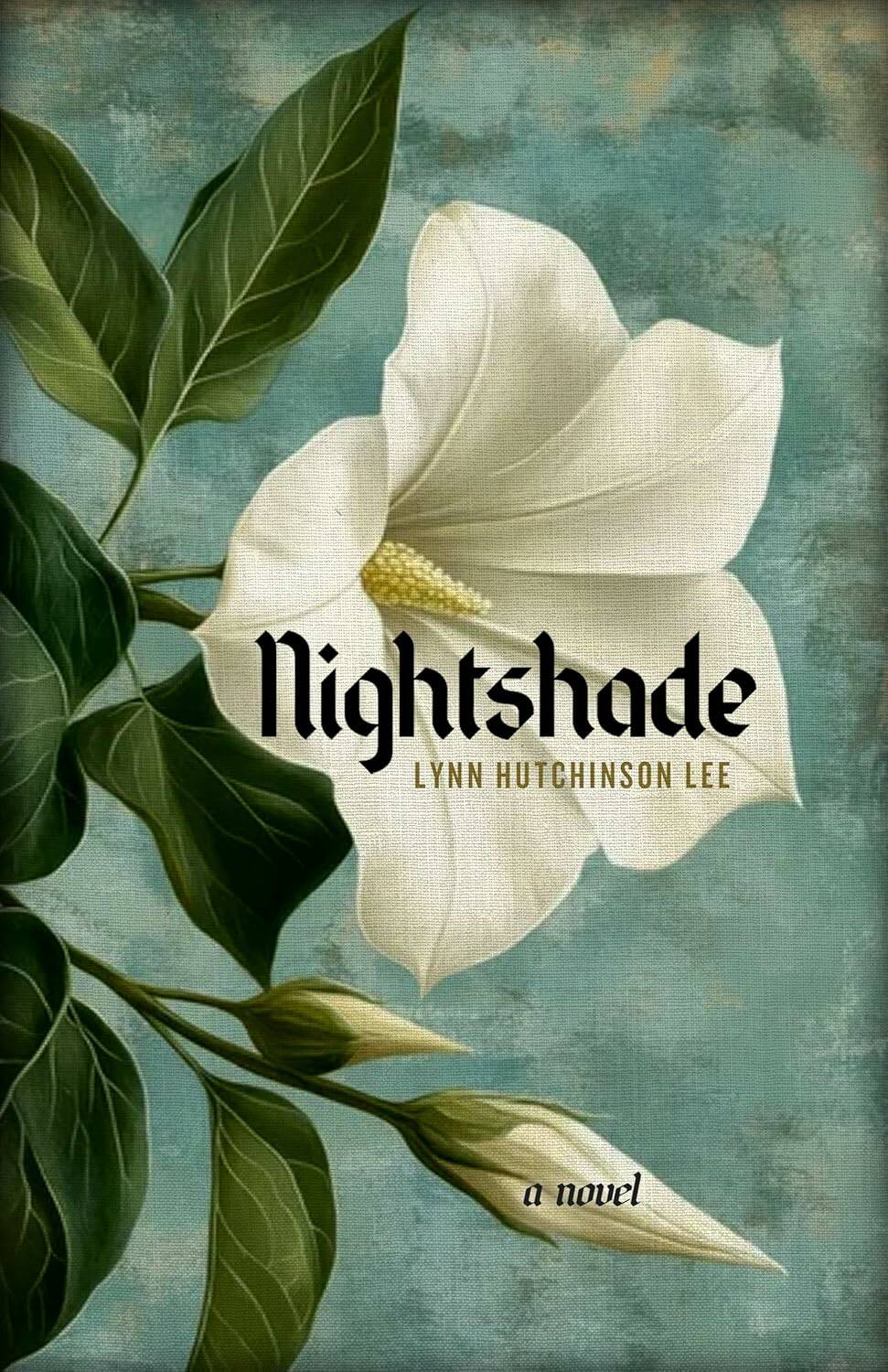
Nightshade

With its layering of magic realism and its lusciously gothic sense of dread, Nightshade is somehow both uplifting and haunting — an enticing coming-of-age novel, and a nuanced and tender exploration of the Romany diaspora.
Keith Cadieux is a Winnipeg writer and editor. His latest story collection Donner Parties and Other Anti-Social Gatherings is out now from At Bay Press and was named one of the Best Books of 2024 by the Free Press. He also co-edited the horror anthology What Draws Us Near, published by Little Ghosts Books.