Welcome to the dark side Artemis II crew captures eclipse, Earthrise, far side of moon during lunar flyby

NASA released new photos Tuesday captured by the Artemis II astronauts.

Read this article for free:

or

Already have an account? Log in here »

To continue reading, please subscribe:

Subscribe and receive a limited-edition Free Press branded hat or tote.

Digital Subscription

One year of digital access for only $205*

  • Enjoy unlimited reading on winnipegfreepress.com
  • Read the E-Edition, our digital replica newspaper
  • Access News Break, our award-winning app
  • Play interactive puzzles

*First annual payment billed as $205.00 + GST for one year. This annual subscription will automatically renew at $233.00 + GST every 52 weeks (10% off the regular annual price of $259.35). Offer available to new and qualified returning subscribers only. Cancel any time.

To continue reading, please subscribe:

Add Free Press access to your Brandon Sun subscription for only an additional

$1 for the first 4 weeks*

  • Enjoy unlimited reading on winnipegfreepress.com
  • Read the E-Edition, our digital replica newspaper
  • Access News Break, our award-winning app
  • Play interactive puzzles
Start now

*Your next Brandon Sun subscription payment will increase by $1.00 and you will be charged $17.95 plus GST for four weeks. After four weeks, your payment will increase to $24.95 plus GST every four weeks.

NASA released new photos Tuesday captured by the Artemis II astronauts.

Artemis II’s lunar fly-around and intense observation period lasted seven hours.

A total solar eclipse greeted the three Americans and one Canadian as the moon temporarily blocked the sun from their perspective.
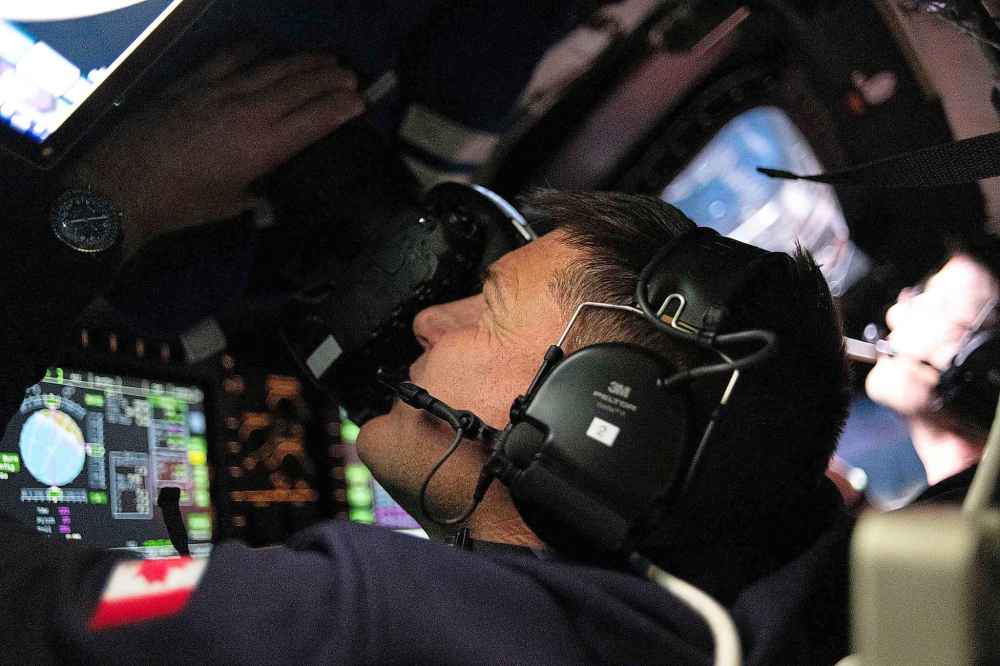
Canadian astronaut Jeremy Hansen takes images through the Orion spacecraft window early in teh Artemis II lunar flyby. (NASA)

Venturing as close as 4,067 miles (6,545 kilometers) to the gray dusty surface, the astronauts zipped through a list of more than two dozen photo targets, using powerful Nikon cameras as well as their iPhones to zoom in on impact craters and other intriguing lunar features.

The U.S.-Canadian crew has now begun their return to Earth. They will splashdown in the Pacific near San Diego on Friday.

With files from The Associated Press
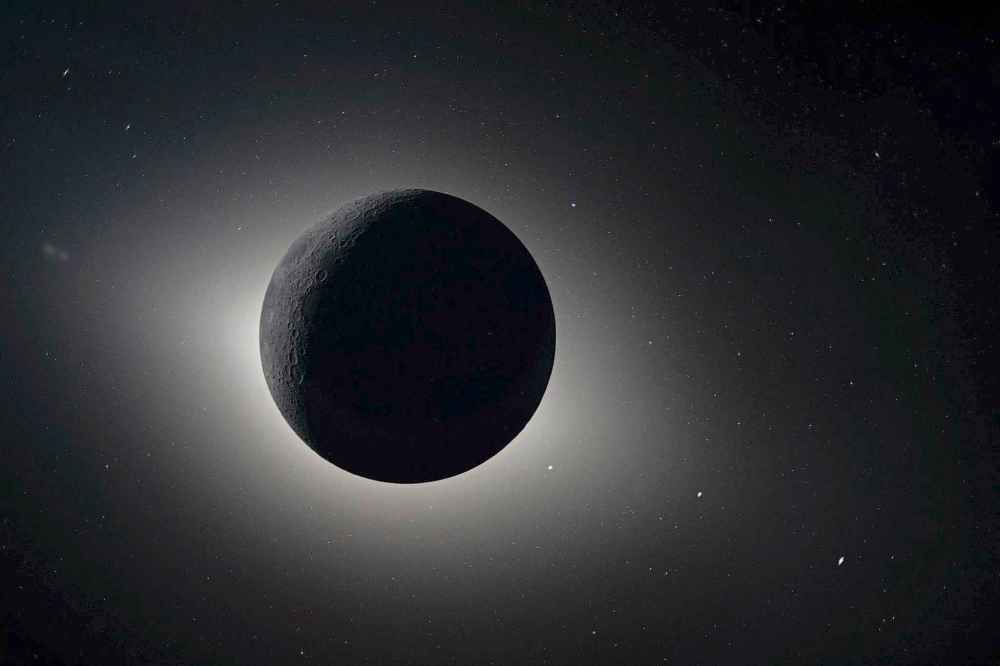


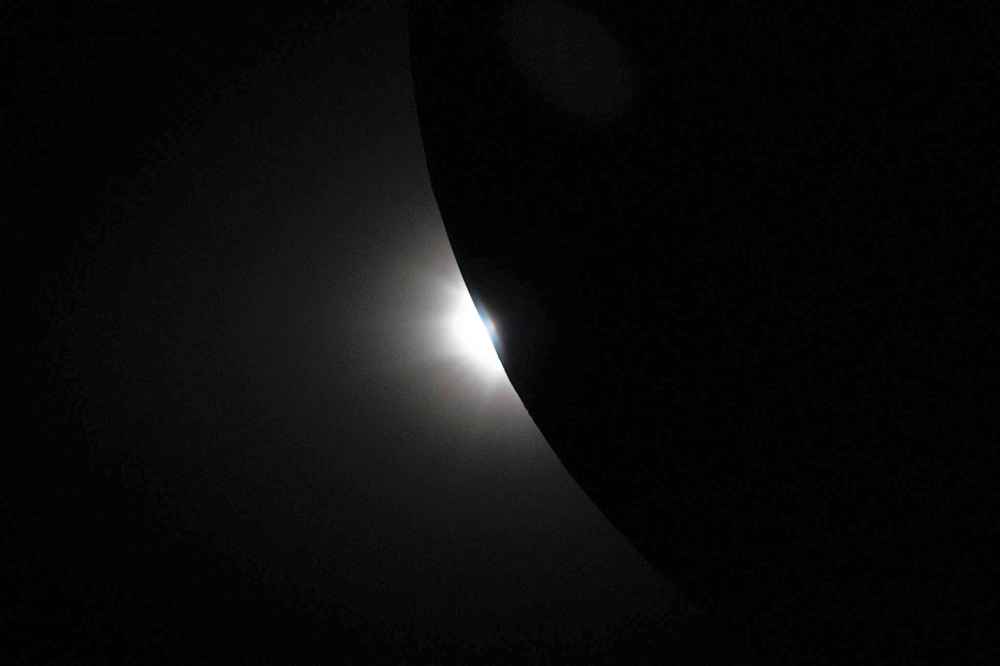
The moon eclipses the sun as seen from the Artemis II mission lunar flyby on Monday, April 6, 2026. (NASA / The Associated Press)


From this deep-space vantage point, the moon appeared large enough to sustain nearly 54 minutes of eclipse totality, far longer than total solar eclipses typically seen from Earth. The bright silver glint on the left edge of the image is the planet Venus. (NASA)
The sun begins to peek out from behind the moon as the eclipse transitions out of totality. (NASA / The Associated Press)
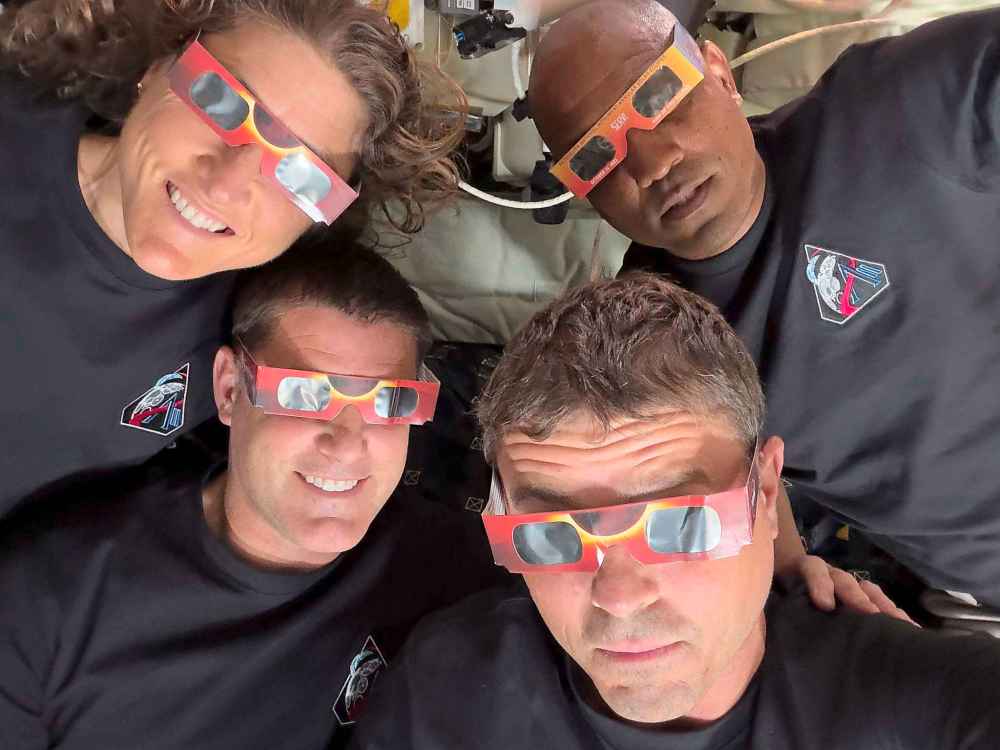
The Artemis II crew pose with eclipse viewers. Counterclockwise from top left: Mission Specialist Christina Koch, Mission Specialist Jeremy Hansen, Commander Reid Wiseman, and Pilot Victor Glover. (NASA / The Associated Press)
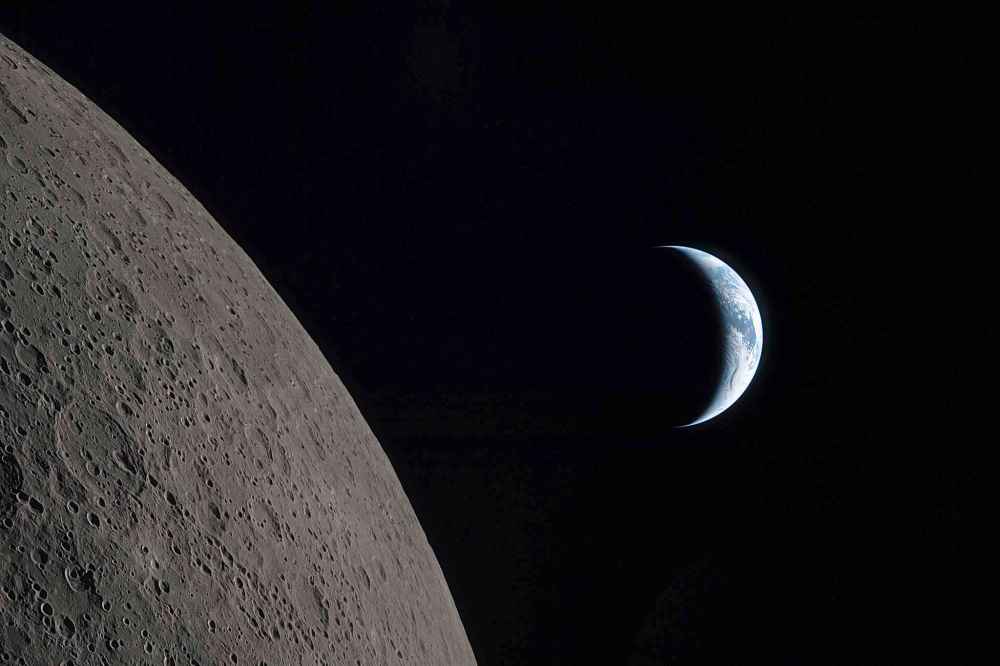
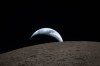
Earth next to the moon before Earthset. (NASA / The Associated Press)
This image was captured at 6:41 p.m. EDT, on April 6, 2026, just three minutes before the Orion spacecraft and its crew went behind the Moon and lost contact with Earth for 40 minutes before emerging on the other side. (NASA)
Earthset captured through the Orion spacecraft window. The dark portion of Earth is experiencing nighttime. On Earth’s day side, swirling clouds are visible over Australia and Oceania. (NASA / The Associated Press)
Another view of Earthset. (NASA)
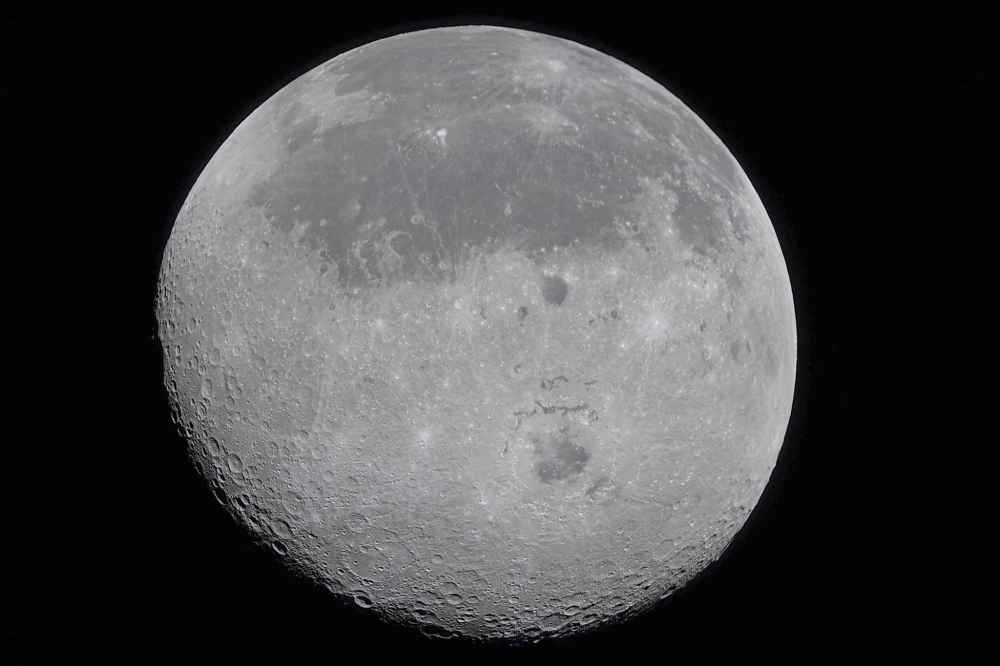
The near side of the moon (the hemisphere we see from Earth) is visible at the top half of the disk, identifiable by the dark splotches that are ancient lava flows. At the lower center is Orientale basin, a nearly 600-mile-wide crater that straddles the Moon’s near and far sides. Everything below the crater is the far side, not visible from Earth. (NASA / The Associated Press)
The Orientale basin has a black patch of ancient lava in the center that punched through the Moon’s crust in an eruption billions of years ago. (NASA)
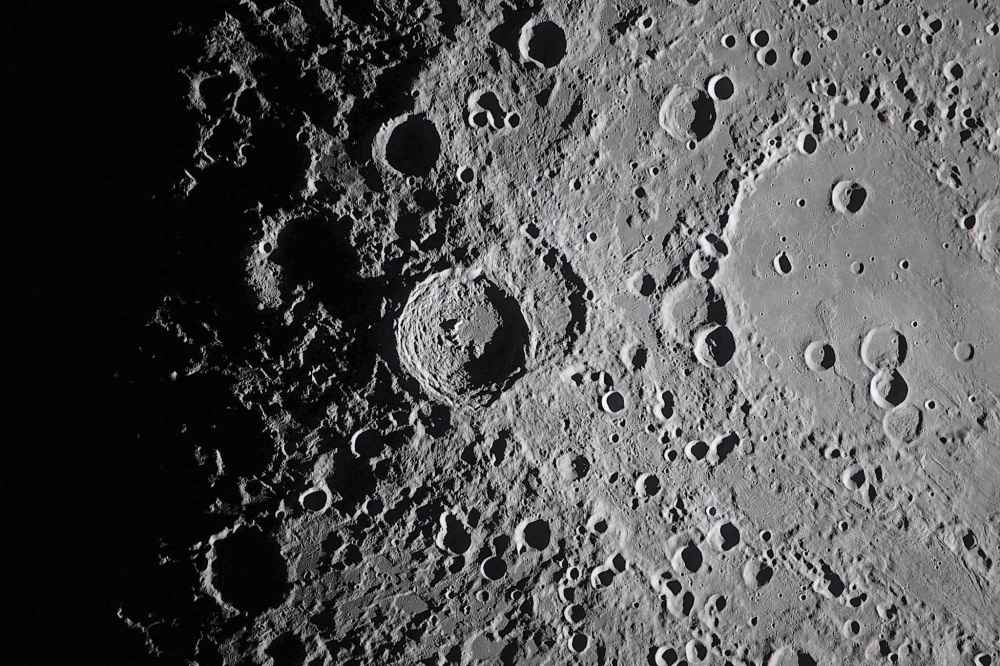
Vavilov Crater on the rim of the older and larger Hertzsprung basin. (NASA / The Associated Press)
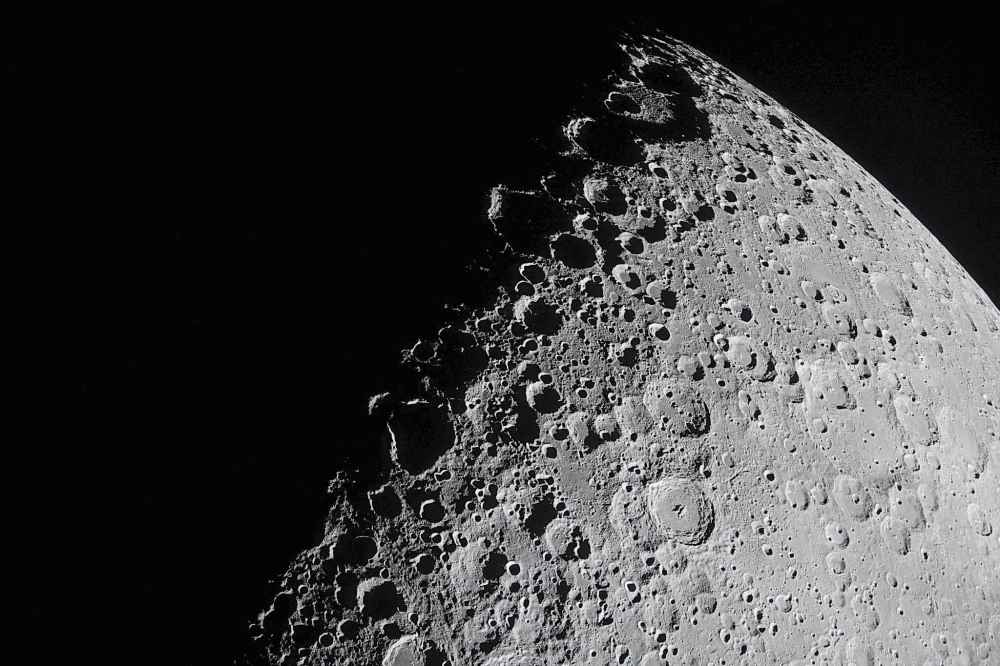
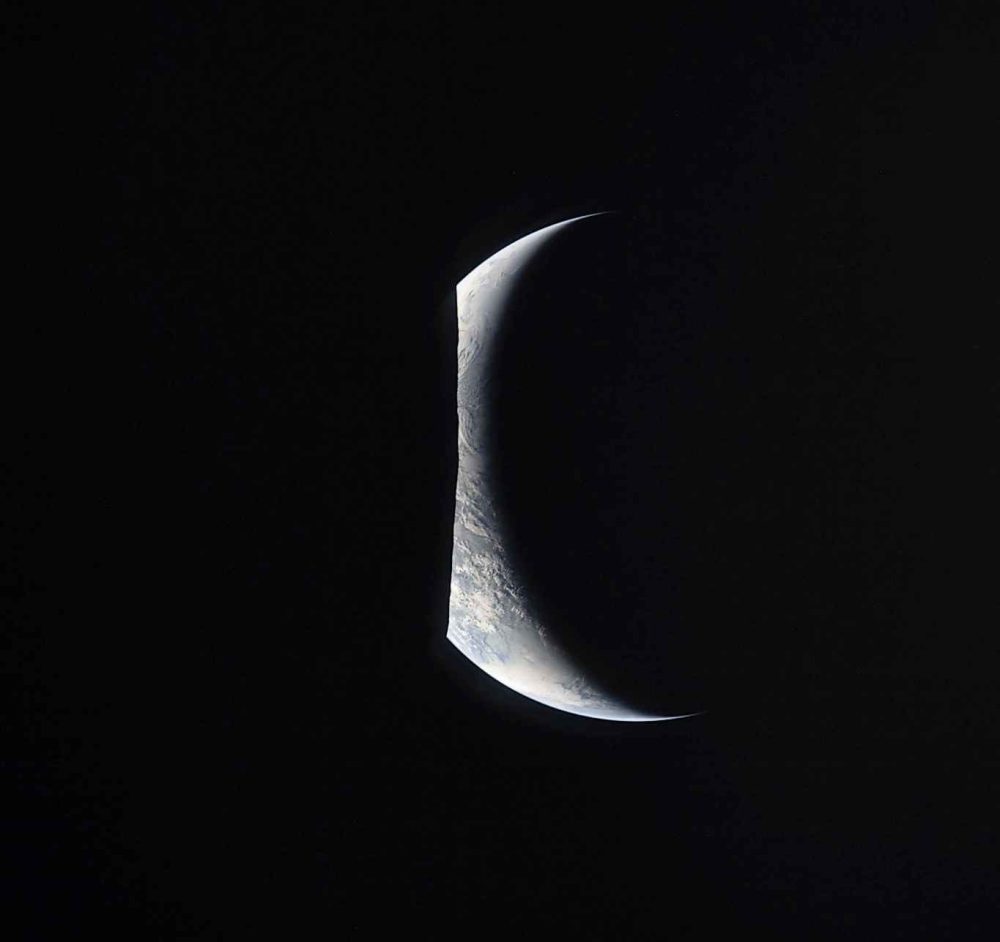
Part of the moon comes into view along the terminator -- the boundary between lunar day and night. (NASA / The Associated Press)
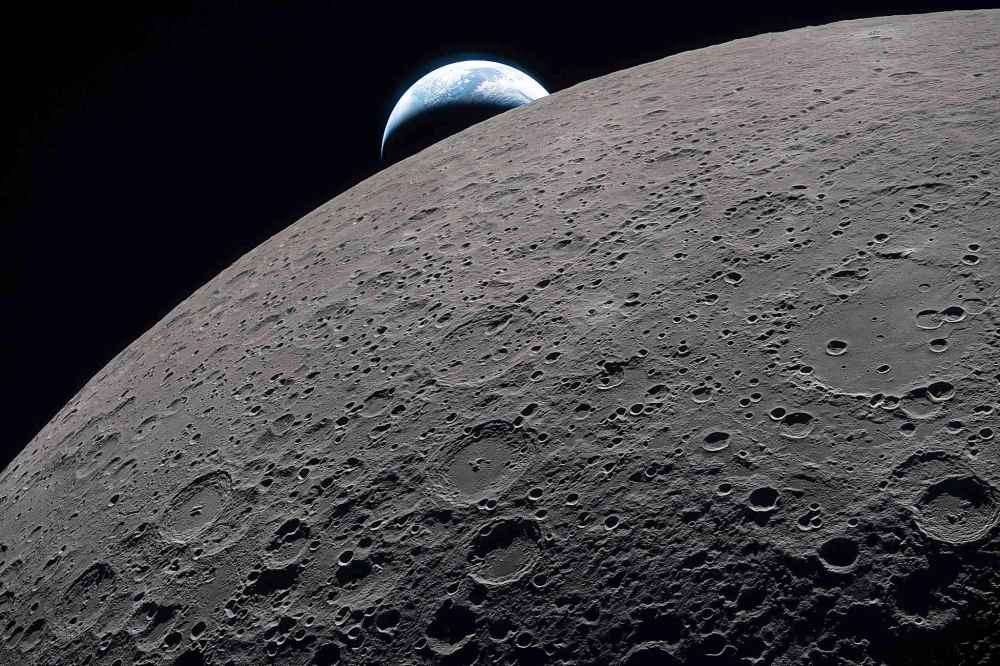
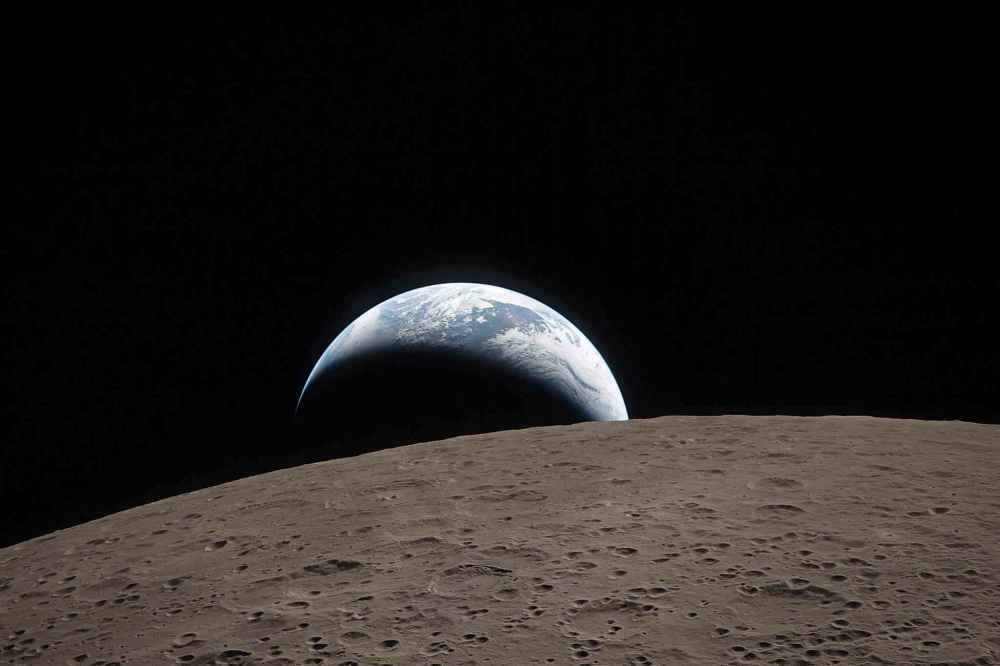
Earthrise captured through the Orion spacecraft window at 7:22 p.m. ET during the Artemis II crew’s flyby of the moon’s far side.  (NASA)
Earthrise captured through the Orion spacecraft window at 7:22 p.m. ET during the Artemis II crew’s flyby of the moon’s far side. (NASA)
Report Error Submit a Tip

More Stories

Province announces model to determine flood assistance

Free Press staff 2 minute read Updated: 6:54 AM CDT

The provincial government has introduced a model to calculate disaster financial assistance for Manitobans affected by severe flooding.

The province said Monday it would use a rapid residential assessment model in order to speed up payments to those who suffered basement flooding between June 6 and July 1, a news release stated.

The model calculates initial assistance payments based on factors like water depth, basement size, room type, restoration need, alongside the level of finishing.

It also includes emergency work, like water extraction costs and costs associated with removing damaged material, with the aim to help homeowners make their basements livable again quickly.

Homeless standstill can’t be addressed until province, city collaborate

Dan Lett 5 minute read Preview

Homeless standstill can’t be addressed until province, city collaborate

Dan Lett 5 minute read Yesterday at 3:19 PM CDT

What we have here is a basic failure to understand the dynamics of homelessness.

Last week, the Free Press documented the friction between Osborne Village residents and business owners and homeless individuals seeking refuge at Oak Table, a drop-in centre that provides food, shelter from the heat and cold, and access to social services.

Oak Table operates out of space in St. Augustine Church, located on River Avenue just east of Osborne Street. The aforementioned residents and business owners, as well as employees of a daycare that operates out of the same church, all expressed concerns about discarded drug paraphernalia, garbage and open drug use by the people visiting Oak Table.

It’s not hard to sympathize with people who are tired of dealing with this mess and mayhem. Still, it should be said that Oak Table, a private not-for-profit organization affiliated with an umbrella social services agency called 1JustCity, is not in the wrong place.

Read
Yesterday at 3:19 PM CDT

Student of the Prairie

Melissa Martin 8 minute read Preview

Student of the Prairie

Melissa Martin 8 minute read 2:01 AM CDT

In Andrian Makhnachov’s first nine days as a Winnipegger, he immersed himself in the city’s most distinctive delights. He went to the Goldeyes’ Ukrainian Night, toured the Manitoba Museum and cheered the Sea Bears at Canada Life Centre.

He sampled boxes of treats from local institutions such as Baked Expectations and Oh Doughnuts. He tried pickerel for the first time, and even a Jeanne’s Cake. (His diplomatic verdict on the city’s most intensely debated dessert: “I think it’s a very interesting experience … maybe there’s some special way I should eat it and it’s going to be better.”)

Still, the rising social media star encountered a few challenges. When Makhnachov first planned his move here from Regina, he’d picked an apartment in the Exchange District, not realizing there were few grocery stores within walking distance. For now, he’s making do with Giant Tiger.

For all the ups and downs, there is no doubt in the Ukrainian-Canadian’s mind that he made the right decision to move his life, and his burgeoning influencer career, to Winnipeg.

Read
2:01 AM CDT

In pictures: Artemis II crew captures eclipse, Earthrise, far side of moon during lunar flyby

Photography by NASA 3 minute read Preview

In pictures: Artemis II crew captures eclipse, Earthrise, far side of moon during lunar flyby

Photography by NASA 3 minute read Friday, May. 1, 2026

NASA released new photos Tuesday captured by the Artemis II astronauts.

Artemis II’s lunar fly-around and intense observation period lasted seven hours.

A total solar eclipse greeted the three Americans and one Canadian as the moon temporarily blocked the sun from their perspective.

Venturing as close as 4,067 miles (6,545 kilometers) to the gray dusty surface, the astronauts zipped through a list of more than two dozen photo targets, using powerful Nikon cameras as well as their iPhones to zoom in on impact craters and other intriguing lunar features.

Read
Friday, May. 1, 2026

Fringe reviews #16: I need an extra show

Free Press review team 8 minute read Preview

Fringe reviews #16: I need an extra show

Free Press review team 8 minute read Sunday, Jul. 19, 2026

Filthy Fakespeare, Just You and Me, The Review, Serious Comedy, This Is, You Are Happy, Real Grilfriend, Push Your Wheelchair

Read
Sunday, Jul. 19, 2026

Bombers battle back to beat Redblacks in OT

Taylor Allen 6 minute read Preview

Bombers battle back to beat Redblacks in OT

Taylor Allen 6 minute read Updated: Yesterday at 9:44 AM CDT

OTTAWA — For three and a half quarters, it looked like it was going to be a night Dru Brown would want to forget.

And in some ways, he still might want to erase Sunday from his memory because it wasn’t overly pretty.

But in the end, Brown got his revenge and the Winnipeg Blue Bombers recovered from a sloppy start to escape the nation’s capital with a 36-34 overtime victory over the Ottawa Redblacks.

The game literally went down to the wire as it remained tied after two overtime mini-games and had to be decided by alternating two-point conversion attempts from the 3-yard line — a first in CFL history as the new overtime format was introduced this season.

Read
Updated: Yesterday at 9:44 AM CDT