Trump administration proposes gutting rules targeting coal plant ash that threatens groundwater
Advertisement
Read this article for free:
or
Already have an account? Log in here »
To continue reading, please subscribe:

Digital Subscription
One year of digital access for only $205*
- Enjoy unlimited reading on winnipegfreepress.com
- Read the E-Edition, our digital replica newspaper
- Access News Break, our award-winning app
- Play interactive puzzles
*First annual payment billed as $205.00 + GST for one year. This annual subscription will automatically renew at $233.00 + GST every 52 weeks (10% off the regular annual price of $259.35). Offer available to new and qualified returning subscribers only. Cancel any time.
To continue reading, please subscribe:
Add Free Press access to your Brandon Sun subscription for only an additional
$1 for the first 4 weeks*
- Enjoy unlimited reading on winnipegfreepress.com
- Read the E-Edition, our digital replica newspaper
- Access News Break, our award-winning app
- Play interactive puzzles
*Your next Brandon Sun subscription payment will increase by $1.00 and you will be charged $17.95 plus GST for four weeks. After four weeks, your payment will increase to $24.95 plus GST every four weeks.
Read unlimited articles for free today:
or
Already have an account? Log in here »
The Trump administration on Thursday proposed weakening rules for the disposal of ash produced by burning coal that can contain hazardous heavy metals and contaminate groundwater. Those regulations were strengthened under the Biden administration as part of a wider crackdown on pollution from coal-fired power plants.
The Trump administration proposed easing standards for monitoring and protecting groundwater near some coal ash sites, and rolling back rules that require the cleanup of entire coal properties rather than just the sites where ash was dumped. The revisions would also make it easier to reuse coal ash for other purposes.
EPA Administrator Lee Zeldin said the proposal reflects the agency’s “commitment to restoring American energy dominance, strengthening cooperative federalism, and accommodating unique circumstances at certain (coal) facilities.”
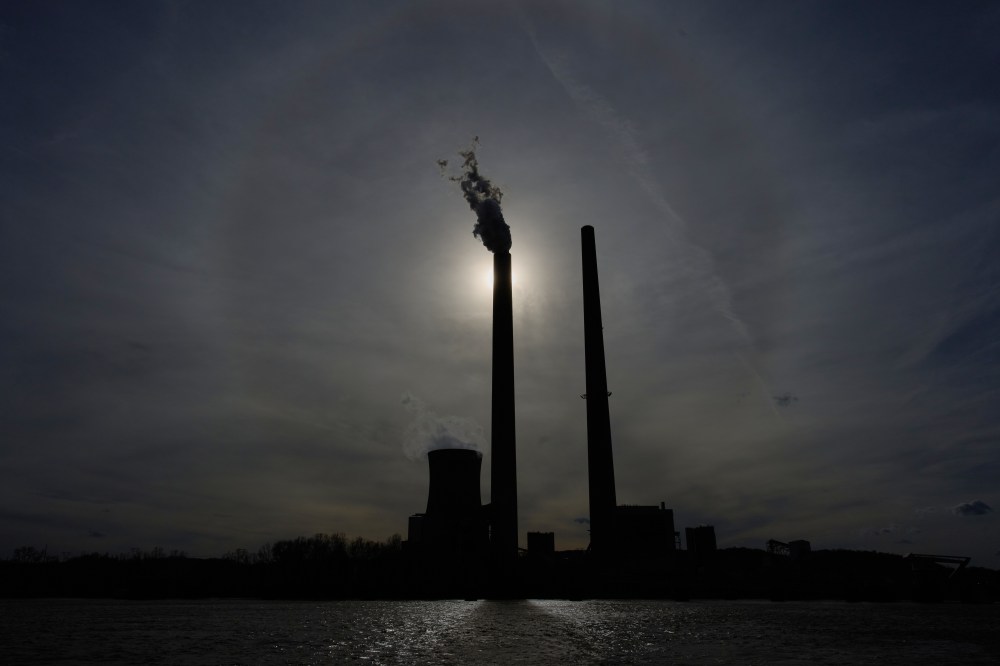
Burning coal produces tremendous amounts of ash, a waste product that contains heavy metals such as mercury, lead and cobalt. If not stored properly, coal ash can contaminate groundwater. Coal plants are often situated on the banks of rivers or other waterways, with waste ash sitting nearby.
Opponents say the proposal, which grants states and other regulators the ability to grant exemptions from national standards, may open the door for companies to leave coal ash sitting in groundwater.
The Biden-era EPA in 2022, for example, rebuffed the Gen. James Gavin Power Plant in southern Ohio for trying to close a coal ash disposal site that the agency said was in contact with groundwater. In January 2025, with Trump back in the White House, coal industry entities asked Zeldin to revise the agency’s stance on the issue.
“Opening the door to leaving ash in groundwater undermines one of the central protections of this rule, and that’s essentially what this does,” said Nick Torrey, an attorney with the Southern Environmental Law Center, a nonprofit.
The agency’s proposal does state that an owner would be required to ensure that the ash “poses no reasonable probability of adverse effects on human health and the environment.”
The Biden-era coal ash protections also required the cleanup of places like the Michigan City Generating Station in Indiana, by Lake Michigan. Local activists are worried about the land created at the site, which is composed in part of coal ash. The 2024 rules set deadlines for cleanup.
At Michigan City and many other sites, standards to clean up the coal ash used to make land would be eliminated under the agency’s proposal.
The proposed rule also seeks to lift restrictions on the use of coal ash — called “beneficial use” by the EPA — in secondary materials such as cement and as structural fill.
The agency also said that industry and others have said the health risks from coal ash were overstated in previous EPA assessments. Federal officials said the estimated cost savings were more than enough to justify the proposed changes.
The owners of Gavin Power Plant declined to comment. The owners of Michigan City Generating Station did not immediately comment.
The Utility Solid Waste Activities Group “appreciates EPA’s efforts to address the significant challenges our members are facing in implementing” the existing regulations, John Mavretich, executive director of the industry association, said in a statement.
He added the group “supports changes that move away from the existing ‘one-size-fits-all’ framework and incorporate site-specific flexibility, an approach that is common in other environmental programs.”
The genesis of these rules and current context
The EPA first set standards for coal ash during the Obama administration. They included requirements for companies to line new storage sites, monitor water and close leaky ponds, often requiring the material to be moved elsewhere. In 2024, then-President Joe Biden’s administration eliminated exemptions that had been granted to some older coal ash sites.
The move is the latest in a series of Trump administration efforts to weaken clean air and water standards as part of regulatory relief for the fossil fuel industry. It’s also in line with Republican President Donald Trump’s efforts to boost U.S. coal and suppress cleaner alternatives, all the while declaring a “national energy emergency.”
The coal industry has argued that a host of stringent rules that raise the cost of operating a coal plant prematurely push them into retirement.
A coalition of coal and energy associations wrote last year: “EPA’s recent unprecedented expansion of the federal (coal ash) regulations has needlessly diverted funds from the power sector’s efforts to meet the Nation’s growing energy needs; increased costs for power companies and consumers without corresponding benefits to public health or the environment.”

Disasters first prompted the EPA to regulate coal ash. The agency started looking into the problem after a dike failed in Tennessee in 2008, spreading coal ash over 300 acres or 120 hectares and forcing a massive cleanup. Workers involved in that effort said the ash exposure caused cancers. In 2014, tens of thousands of tons spilled in North Carolina.
“The Trump administration just took a sledgehammer to the health protections in place for toxic coal pollution,” said Lisa Evans, senior counsel at environmental group Earthjustice. “This is yet another handout to the coal power industry at the expense of our health, water, and wallets.”
In other moves, the EPA earlier this year weakened limits on mercury and other toxic emissions from coal-fired power plants. The Trump administration has also halted the planned shutdown of several coal plants, citing the need for consistent power during major storms or periods of high demand, and arguing that without it, the grid would be less reliable.
___
The Associated Press’ climate and environmental coverage receives financial support from multiple private foundations. AP is solely responsible for all content. Find AP’s standards for working with philanthropies, a list of supporters and funded coverage areas at AP.org.