

California ski resort extends its season after a major spring snowstorm
Advertisement
Read this article for free:
or
Already have an account? Log in here »
To continue reading, please subscribe:
Digital Subscription
One year of digital access for only $1.44 a week*
- Enjoy unlimited reading on winnipegfreepress.com
- Read the E-Edition, our digital replica newspaper
- Access News Break, our award-winning app
- Play interactive puzzles
*Billed as $5.77 plus GST every four weeks. After 52 weeks, price increases to the regular rate of $19.95 plus GST every four weeks. Offer available to new and qualified returning subscribers only. Cancel any time.
To continue reading, please subscribe:
Add Free Press access to your Brandon Sun subscription for only an additional
$1 for the first 4 weeks*
- Enjoy unlimited reading on winnipegfreepress.com
- Read the E-Edition, our digital replica newspaper
- Access News Break, our award-winning app
- Play interactive puzzles
*Your next Brandon Sun subscription payment will increase by $1.00 and you will be charged $17.95 plus GST for four weeks. After four weeks, your payment will increase to $24.95 plus GST every four weeks.
Read unlimited articles for free today:
or
Already have an account? Log in here »
MAMMOTH LAKES, Calif. (AP) — A spring storm dumped more than than 3.5 feet (1 meter) of snow in California’s eastern Sierra Nevada, briefly closing a key interstate and extending the ski season at Mammoth Mountain.
The weekend storm came just weeks after a March heat wave melted much of California’s snow, forcing many ski resorts to close. More snow was possible Monday.
On April 1, the Sierra snowpack, which provides one-third of California’s water, stood at just 18% of average, a reading in the mountains near Lake Tahoe found. It was the second-lowest mark for that date on record.
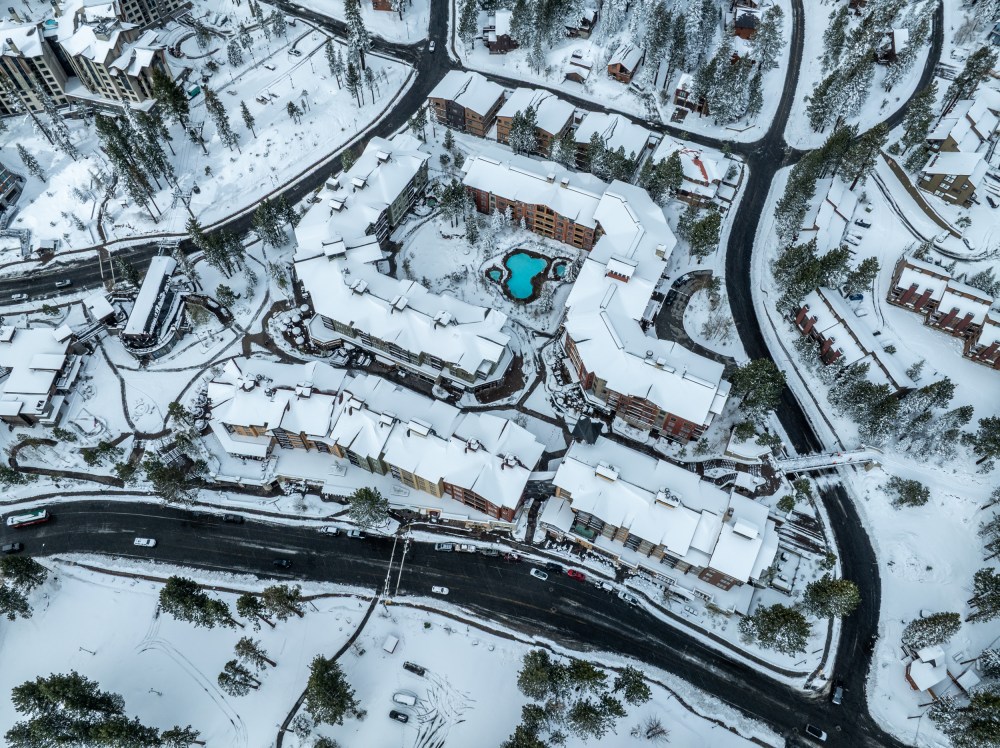
The UC Berkeley Central Sierra Snow Lab reported 42.5 inches (53.5 cm) between Friday and Sunday, which “has been great to create a late-season snowpack. ”
“Unfortunately, record warm temps this winter means that we’re still well below average for the water year,” the lab said on social media.
Interstate 80 in Northern California was shut down Sunday because of blizzard conditions, and chain controls were in place early Monday for the important route between San Francisco and Lake Tahoe.
The storm also brought strong winds, heavy rain and hail to many areas. A tornado touched down Sunday near Sacramento, but no damage was reported, the National Weather Service said.
Mammoth Mountain said 11 lifts were running Monday. Skies were clearing but another couple of inches (5 centimeters) of snow was possible, the resort said in its daily report.
“While fresh snow may look inviting, hazards like dirt, rocks, and bushes remain just below the surface. Ski and ride with caution and avoid venturing off trail,” the report said.
Snow was vanishing across much of the U.S. West after a warm winter with poor skiing conditions gave way to early spring record heat. This month, Colorado reported its worst snowpack since statewide recordkeeping began in 1941.
Officials warned the measurements are a clear sign that water shortages could worsen the ongoing significant drought, barring an unexpected deluge.
Cities in the region are imposing water-use restrictions, and ranchers are wondering how they will feed and water their cattle. The threat of devastating wildfires looms.