First Nations overdose deaths in B.C. drop in 2025, but still disproportionally high
Advertisement
Read this article for free:
or
Already have an account? Log in here »
To continue reading, please subscribe:

Digital Subscription
One year of digital access for only $205*
- Enjoy unlimited reading on winnipegfreepress.com
- Read the E-Edition, our digital replica newspaper
- Access News Break, our award-winning app
- Play interactive puzzles
*First annual payment billed as $205.00 + GST for one year. This annual subscription will automatically renew at $233.00 + GST every 52 weeks (10% off the regular annual price of $259.35). Offer available to new and qualified returning subscribers only. Cancel any time.
To continue reading, please subscribe:
Add Free Press access to your Brandon Sun subscription for only an additional
$1 for the first 4 weeks*
- Enjoy unlimited reading on winnipegfreepress.com
- Read the E-Edition, our digital replica newspaper
- Access News Break, our award-winning app
- Play interactive puzzles
*Your next Brandon Sun subscription payment will increase by $1.00 and you will be charged $17.95 plus GST for four weeks. After four weeks, your payment will increase to $24.95 plus GST every four weeks.
Read unlimited articles for free today:
or
Already have an account? Log in here »
VANCOUVER – The number of overdose deaths of First Nations people in British Columbia dropped by about a third in 2025 but the population continues to be disproportionately impacted by the province’s toxic drug crisis that has killed more than 18,000 people in the last decade.
Dr. Nel Wieman, the chief medical officer with the First Nations Health Authority, said Wednesday that emergency has been used for political gain by some, putting progress at risk.
The health authority released data that is First Nation specific for 2025 on the day after the province marked 10 years since declaring a public health emergency on April 14, 2016.
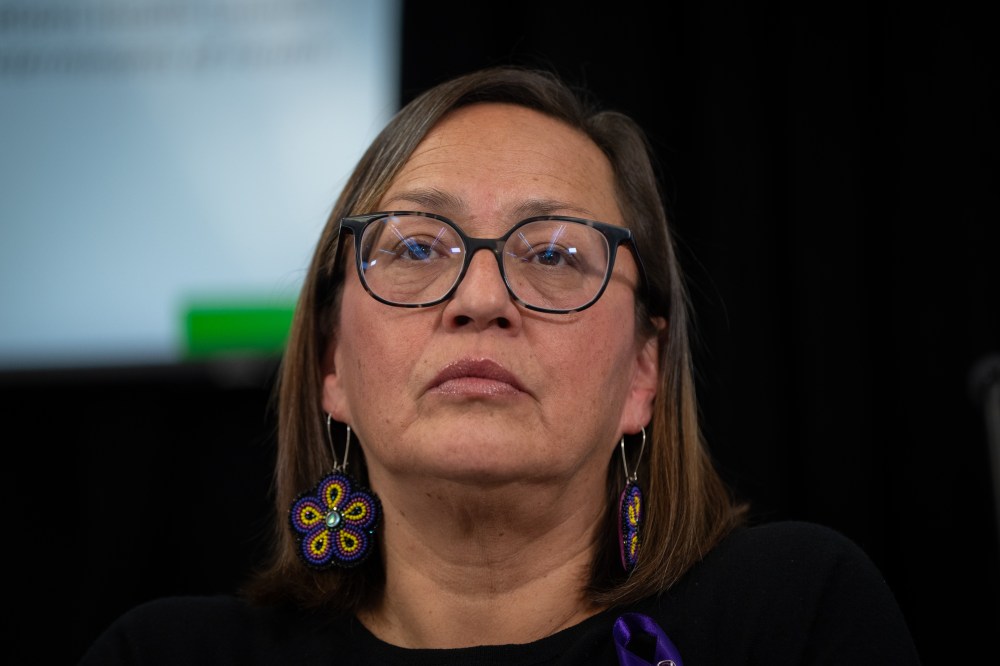
“The politicization of this emergency and the increased vilification of people who use substances threatens progress, especially as the backlash against proven, evidence-based harm reduction measures that save lives hits First Nations people the hardest, deepening existing inequities,” she said.
While progress has been made, there are significant headwinds, Wieman said.
“These include the inaccessibility of substance-use services in communities closer to home, the lack of long-term sustained and flexible funding, and the ever-changing, dangerous, and potentially lethal unregulated drug supply that is the major driver of deaths and poisonings.”
Numbers released by the health authority show 289 First Nations members died of overdoses in 2025 compared with 433 the year before.
First Nations members in B.C. make up approximately 3.4 per cent of the population, but account for 15.8 per cent of all toxic drug deaths in 2025.
Wieman said there is common misinformation that people struggling with substance use simply go to treatment and all of a sudden are able to return home and never face the problem again.
She said users are vilified as part of stoking fear around public safety.
“I really feel that there is a responsibility by our political and other leaders to stop scoring political points off of people who are struggling, and stop vilifying, portraying them, feeding into the stereotypes,” she said.
British Columbia has rolled back or eliminated multiple programs that were designed to help with the crisis, including ending a decriminalization pilot project covering small amounts of drugs and curtailing the province’s safer supply program so that consuming the prescription alternatives must be witnessed by a health-care worker.
At the time, the province said the change was aimed reducing the risk of the drugs being diverted to the black market.
Figures from the B.C. Health Ministry show there were fewer than 3,900 users of the program as of December 2024 and Wieman said “disinformation that people are running around all over the province diverting their pharmaceutical alternatives is a fallacy.”
She said a change requiring people who take the safer drugs in front of a witness is a barrier for First Nations people who live remotely.
“Some people have to travel hours to get to a pharmacy. So, to go even once a week is a full-time job that day,” she said.
“Daily witnessed dosing therefore precludes a First Nations person or any other British Columbian who lives in a remote or isolated area from participating in that service if they need it.”
She said the health authority is working on the issue with the help of the province.
“We have strong views around how to have First Nations-led initiatives as part of the toxic drug crisis. But we really do rely on our partners to work with us,” she said.

Following the health authority’s event, the BC Coroners Service released figures that show 115 residents died in February due to unregulated drug toxicity, down from 150 in January.
The coroners service says that equates to about 4.1 deaths per day and that 78 per cent of the people who died in February were men.
The statement says stimulants were the most common substance detected in those who overdosed this at 83 per cent, followed by fentanyl or its analogs at 80 per cent.
This report by The Canadian Press was first published April 15, 2026.
Note to readers:This is a clarified story. A previous version said the health authority released Indigenous-specific data. In fact, the data was specific to First Nations.