

Narrative threads
Stories serve to connect characters in ambitious debut spanning centuries
Advertisement
Read this article for free:
or
Already have an account? Log in here »
To continue reading, please subscribe:
Digital Subscription
One year of digital access for only $75*
- Enjoy unlimited reading on winnipegfreepress.com
- Read the E-Edition, our digital replica newspaper
- Access News Break, our award-winning app
- Play interactive puzzles
*Billed as $5.77 plus GST every four weeks. After 52 weeks, price increases to the regular rate of $19.95 plus GST every four weeks. Offer available to new and qualified returning subscribers only. Cancel any time.
Monthly Digital Subscription
$4.99/week*
- Enjoy unlimited reading on winnipegfreepress.com
- Read the E-Edition, our digital replica newspaper
- Access News Break, our award-winning app
- Play interactive puzzles
*Billed as $19.95 plus GST every four weeks. Cancel any time.
To continue reading, please subscribe:
Add Free Press access to your Brandon Sun subscription for only an additional
$1 for the first 4 weeks*
- Enjoy unlimited reading on winnipegfreepress.com
- Read the E-Edition, our digital replica newspaper
- Access News Break, our award-winning app
- Play interactive puzzles
*Your next Brandon Sun subscription payment will increase by $1.00 and you will be charged $17.95 plus GST for four weeks. After four weeks, your payment will increase to $24.95 plus GST every four weeks.
Read unlimited articles for free today:
or
Already have an account? Log in here »
In her ambitious debut novel Homebound, San Francisco Bay-area author Portia Elan spans 600 years to suggest that no matter how disengaged and divided our world may become, it is the stories we build together that connect us to our communities, both born and found.
The first story begins in 1983. Becks is a 19-year-old aspiring computer game programmer and punk rock fan, devastated by the recent death of her uncle — the one person in her family with whom she shared interests and felt truly bonded. After listening to an old message on her grandmother’s answering machine, she is devastated to learn that her uncle lied to her — he hadn’t died of simple pneumonia, but rather AIDS, which at that time was known as GRID (Gay-Related Immune Deficiency).
Becks feels betrayed that he didn’t share this big truth with her. Her life further spirals when her best friend’s new boyfriend tells Becks that they’re aware her feelings toward Veronica are not just that of a friend. He tells her to stop — her feelings will never be returned.
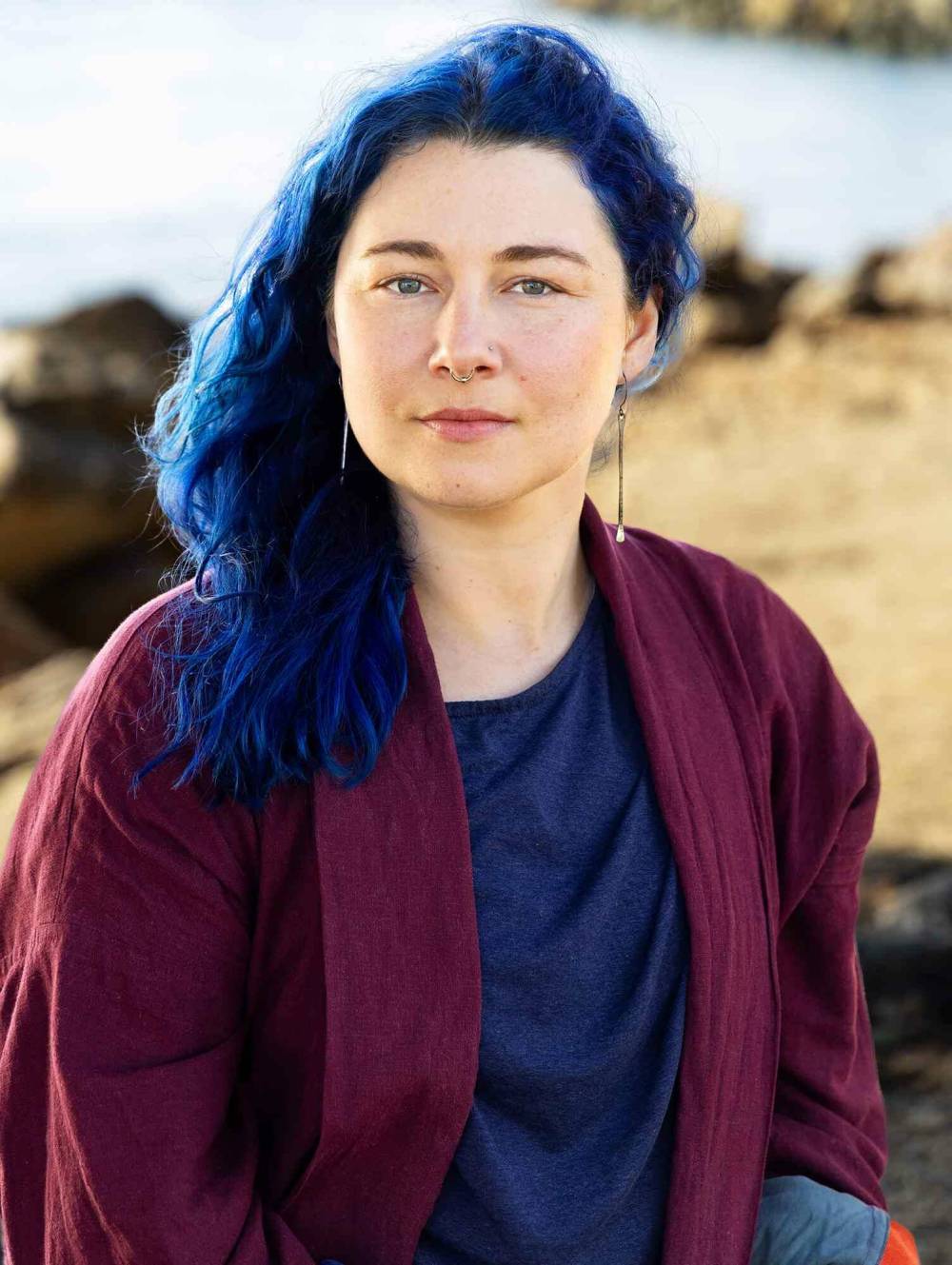
Clayton J. Mitchell photo
Portia Elan deftly weaves story strands together with the flare of a game designer.
As her life further unravels, she finally opens an envelope her uncle left for her. Inside, she finds floppy disks that contain the start of a text-based computer game they’d planned to create together. Within the disks she finds the truth of his illness that he hoped to tell her about in person; he’d thought they’d have time. He describes the world of their game as “complex, interconnected, and in transition.” When he adds that this is “our world,” it feels like an Easter egg description that applies directly to the reader.
In another storyline six centuries into the future, we discover a flooded year 2586 with pockets of people struggling to survive. Among them is Yesiko, a life-battered ship’s captain who keeps her patched salvage ship afloat with the help of her only crewmate and friend, Root.
Driven by an opportunity to repay the massive debt she willingly incurred to save Root’s life, Yesiko accepts a high-paying fee-for-passage job from a mysterious trio: teenaged Shula, her younger brother Tov, and their companion, an intelligent android called Chaya. As the reason for their journey is revealed, we learn Chaya’s origin story and how its purpose was lost as stories became misconstrued.
Within these storylines there are chapters devoted to an early-style text-based computer game, Homebound, which is revealed to be the one Becks was to develop with her uncle. In some ways, it is the most cohesive story — the golden key to how the years, and each character’s story, connect.
Throughout the narrative there are themes of resilience, acceptance, compassion, humanity and love. And the importance of story is a constant.
When Yesiko discovers Root telling tales to their passengers, he joyfully explains, “We are storying,” a reminder how one story begets another and creates connection and empathy between the tellers.
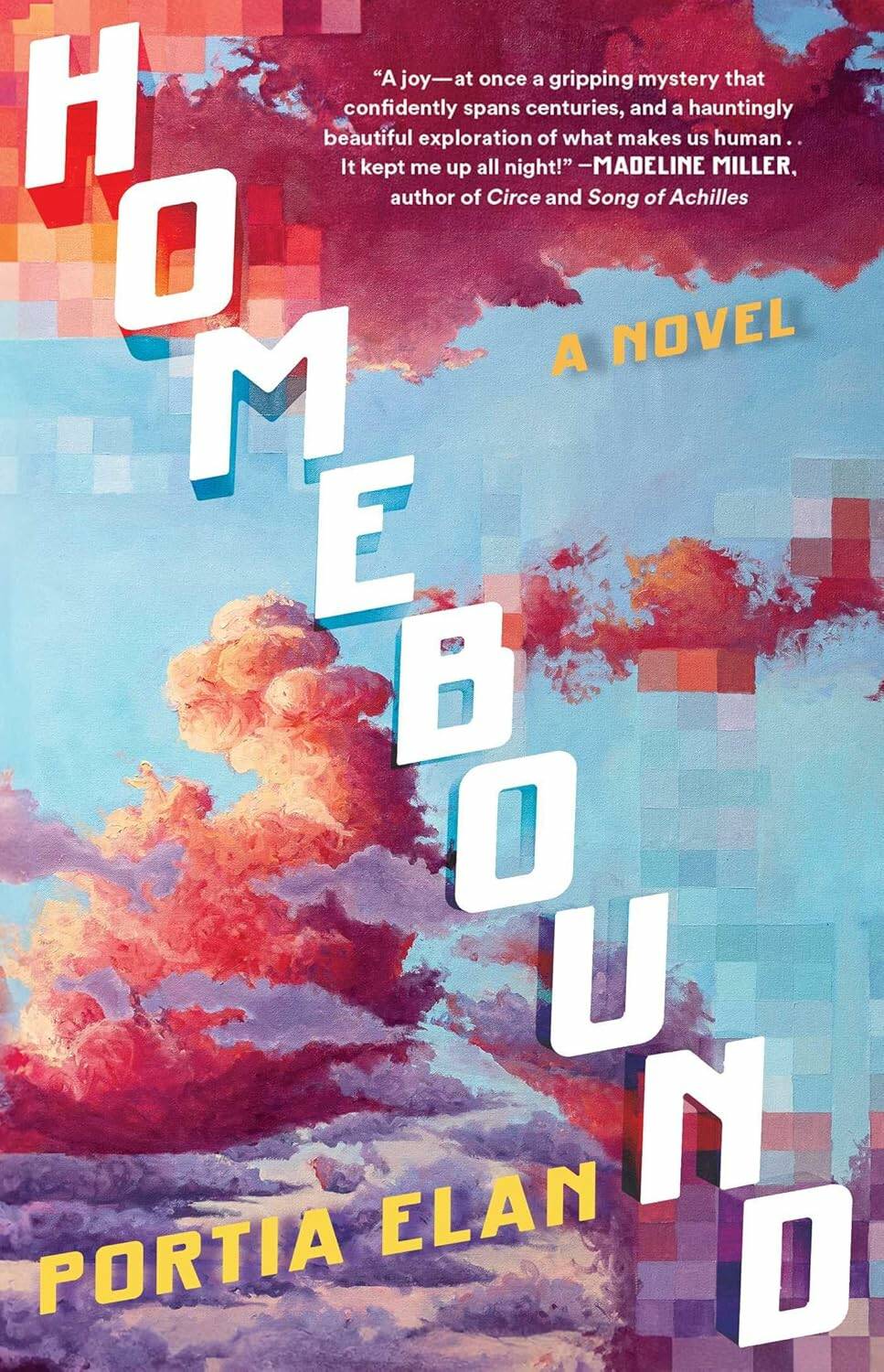
Homebound
In a poignant moment as we wind toward the conclusion, Chaya asks its creator, “Why are we?” It is life’s ultimate question. This novel suggests the answer may lie in our connections through story.
Homebound may be a challenging read for those who prefer a more direct timeline and narrative. However, there is a particular beauty in how Elan weaves story strands with the flair of a game designer. If we choose to move forward, we may unlock great reward.
Anita Daher is an author, actor and nana in Winnipeg.