

Fighting for the life of Riley Bisson
Advertisement
Read this article for free:
or
Already have an account? Log in here »
To continue reading, please subscribe:

Digital Subscription
One year of digital access for only $205*
- Enjoy unlimited reading on winnipegfreepress.com
- Read the E-Edition, our digital replica newspaper
- Access News Break, our award-winning app
- Play interactive puzzles
*First annual payment billed as $205.00 + GST for one year. This annual subscription will automatically renew at $233.00 + GST every 52 weeks (10% off the regular annual price of $259.35). Offer available to new and qualified returning subscribers only. Cancel any time.
To continue reading, please subscribe:
Add Free Press access to your Brandon Sun subscription for only an additional
$1 for the first 4 weeks*
- Enjoy unlimited reading on winnipegfreepress.com
- Read the E-Edition, our digital replica newspaper
- Access News Break, our award-winning app
- Play interactive puzzles
*Your next Brandon Sun subscription payment will increase by $1.00 and you will be charged $17.95 plus GST for four weeks. After four weeks, your payment will increase to $24.95 plus GST every four weeks.
Read unlimited articles for free today:
or
Already have an account? Log in here »
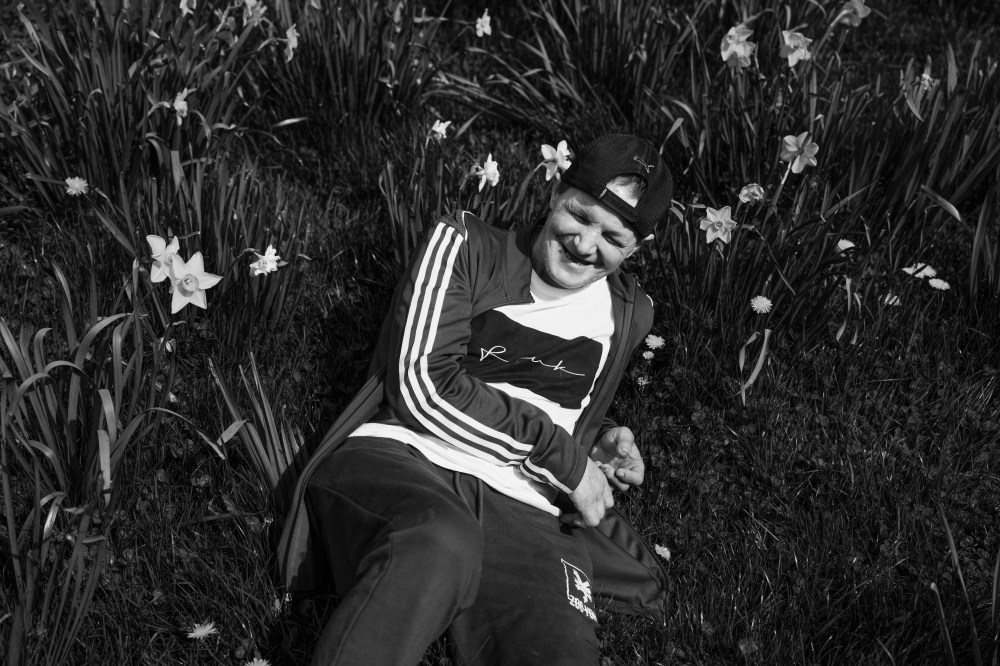
Riley Bisson finds joy in many of the simple pleasures of life: rock music, flowers, sharing a laugh with friends. But the 50-year-old and her mother, Rose, are united by a haunting, imminent fear — that Riley will be dead within the next few months.
Their distress is rooted in the impending closure of Toronto’s Moss Park Consumption and Treatment Service (Moss Park CTS). Riley makes daily visits to Moss Park CTS, Toronto’s first permanent supervised consumption site. She has come to regard the site as both a refuge, a place to connect with friends and to receive the medical and psychological help that she urgently needs.
Moss Park CTS is located in downtown Toronto, which many consider to be the epicentre of Ontario’s opioid crisis. In the past eight years since the site opened its doors, it has reversed nearly 5,000 overdoses. Within weeks, it is set to be shuttered along with eight other safe consumption sites across Ontario as the provincial government withdraws its funding of the consumption sites.
Ema Popovic, a spokesperson for Health Minister Sylvia Jones, said the government is spending $560 million to replace “the failed approach of drug injection sites” with its abstinence-based model known as homelessness and addiction recovery treatment, or HART, hubs.
The move to close the sites has sparked widespread anger and fear among those who depend on these services, as well as their loved ones and advocates who say the closures will lead to more overdose deaths and lead to surging health-care costs as hospitals and emergency services are left to face the brunt of the opioid crises.
Rose, who lives in Port Colborne, Ont., southwest of Toronto, is desperate for the site to stay open, as she feels it keeps Riley safe from the devasting drug toxicity crisis that claimed more than 5,000 lives in Ontario between 2024 and 2025.
Riley, a trans person who lives in a shelter, drifted from her family to protect them from her opioid addiction. For the first time in years, she visited and reconnected with Rose earlier this year. With the support of staff at Moss Park CTS and her primary care physician, mother and daughter have re-established their bond through weekly phone calls.
Riley says she misses being close to her family and savouring her mom’s home-cooked meals. The last time this happened regularly was in the 1990s.
Rose vows to continue to fight for Riley. While their shared fears of the worst possible scenario for Riley loom large, mother and daughter are united in a common hope: for Riley to beat her addiction, to be safe, to be home — and for Riley to live.
This report by The Canadian Press was first published May 19, 2026.