

Plasma-collection machine sounded multiple warning alerts before woman’s seizure, death: Health Canada

Advertisement
Read this article for free:
or
Already have an account? Log in here »
To continue reading, please subscribe:

Digital Subscription
One year of digital access for only $205*
- Enjoy unlimited reading on winnipegfreepress.com
- Read the E-Edition, our digital replica newspaper
- Access News Break, our award-winning app
- Play interactive puzzles
*First annual payment billed as $205.00 + GST for one year. This annual subscription will automatically renew at $233.00 + GST every 52 weeks (10% off the regular annual price of $259.35). Offer available to new and qualified returning subscribers only. Cancel any time.
To continue reading, please subscribe:
Add Free Press access to your Brandon Sun subscription for only an additional
$1 for the first 4 weeks*
- Enjoy unlimited reading on winnipegfreepress.com
- Read the E-Edition, our digital replica newspaper
- Access News Break, our award-winning app
- Play interactive puzzles
*Your next Brandon Sun subscription payment will increase by $1.00 and you will be charged $17.95 plus GST for four weeks. After four weeks, your payment will increase to $24.95 plus GST every four weeks.
Read unlimited articles for free today:
or
Already have an account? Log in here »
The machine that was used to collect plasma from a 22-year-old Winnipeg university student before she went into cardiac arrest and later died issued multiple warning alerts, including at least one that should have resulted in halting the donation, according to newly obtained Health Canada documents.
Rodiyat Alabede’s family received a tranche of documents this week related to investigation by Health Canada and plasma collection company Grifols into the Taylor Avenue Grifols Plasma Donation Centre, where Alabede donated plasma before her death last October.
The machine connected to Alabede issued four alerts related to high return pressure in the vein and lack of blood flow in the approximate 45 minutes she was donating plasma Oct. 25, the Health Canada report revealed.
MIKAELA MACKENZIE / FREE PRESS FILES The Taylor Avenue Grifols Plasma Donation Centre, where Alabede donated plasma before her death last October.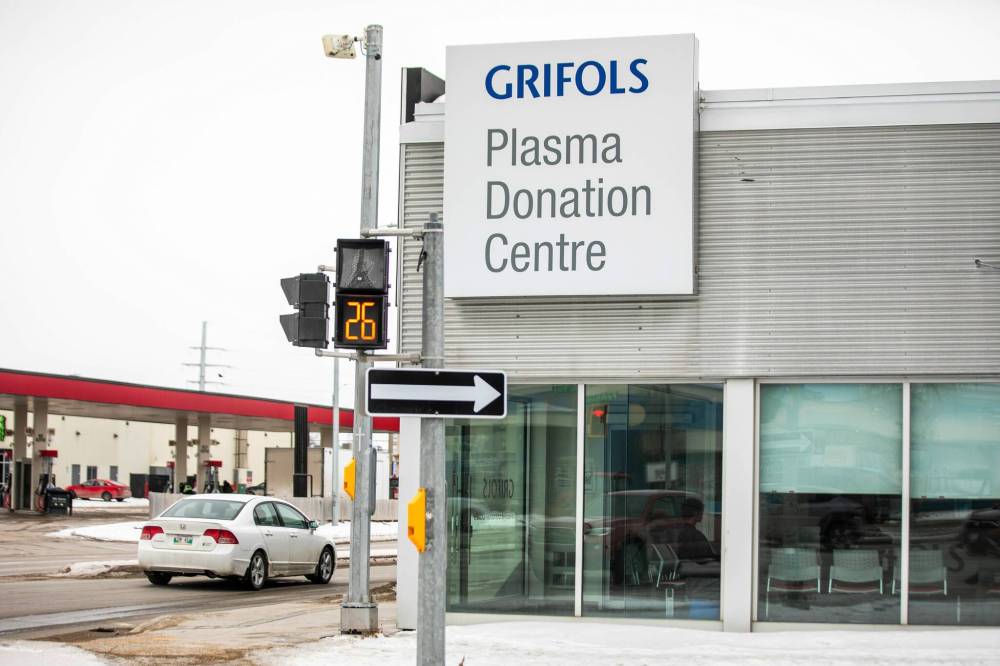
Staff are required to stop the procedure if the return pressure is greater than 40 millimetres of mercury at zero millilitres per minute return rate but they continued the collection process when Alabede’s return pressure hit 52 millimetres of mercury at zero millilitres per minute return rate, the documents say.
According to an internal report from Grifols, Alabede had a seizure and lost consciousness about 45 minutes after beginning the donation process. The procedure was stopped and paramedics were called, and she was transported to St. Boniface Hospital, where she died.
Grifols’ investigation marked five alerts, including one that happened immediately after Alabede began showing a negative reaction. Both reports note Alabede did not express any distress or discomfort through the first four alerts.
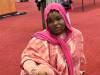
GOFUNDME The 22-year-old student Rodiyat Alabede who died in 2025, after donating plasma at a Grifols facility in Winnipeg.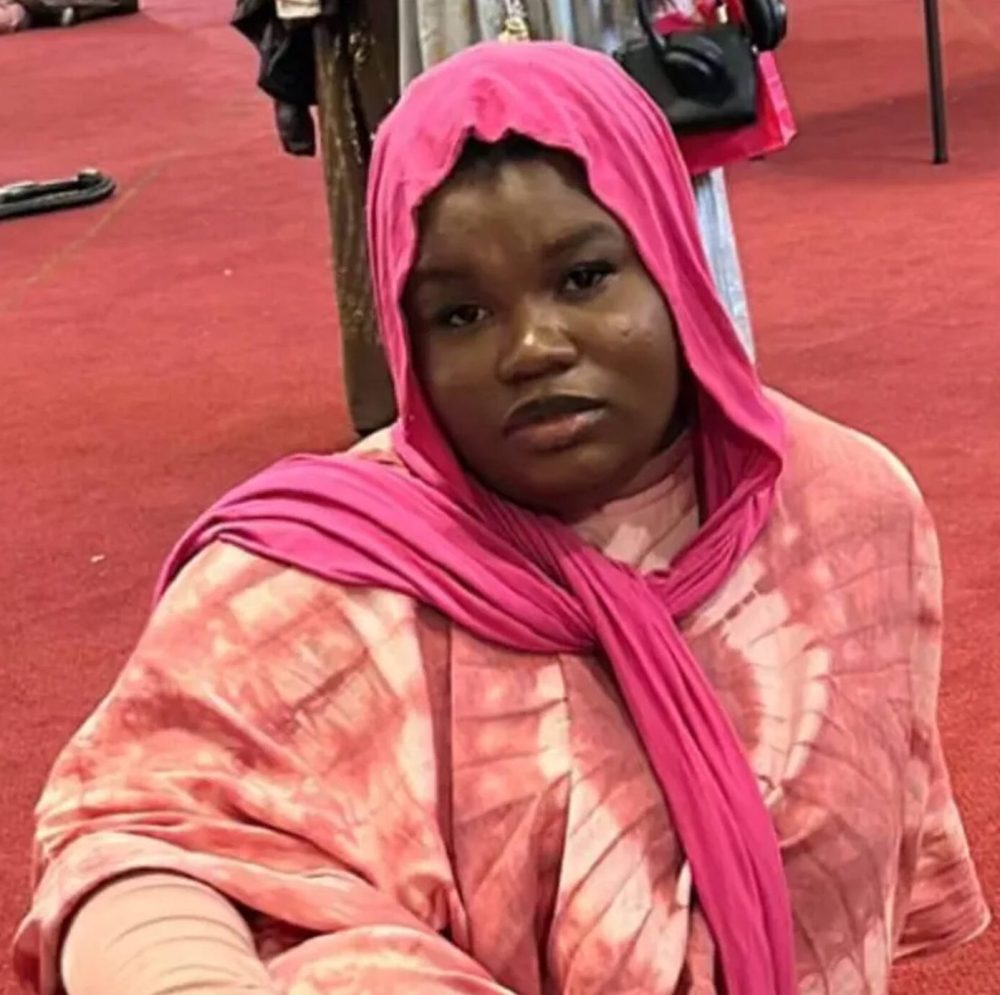
Alabede’s family says the investigation shows that she suffered a “violent, traumatic death” and they want to see the case be reopened by Health Canada.
“The documents obtained demonstrate a wanton disregard for the basic standard of care Grifols pharmaceuticals was legally obligated to provide and did not,” said Katherine Lanteigne, a safe-blood advocate speaking on behalf of the family, in a statement Friday.
The Health Canada report noted multiple other issues at the Taylor Avenue site, including inadequate training programs for staff, machines not set up correctly and illegible and incomplete record-keeping
Health Canada has said its assessment found no link between Alabede’s death and her plasma donation. The federal body regulates the Spain-based Grifols, which has 16 for-profit plasma donation centres across the country, including two in Winnipeg.
A second person in Winnipeg died after donating plasma Jan. 30 at the Grifols location on Innovation Drive.
“A wanton disregard for the basic standard of care Grifols pharmaceuticals was legally obligated to provide and did not.”
The Free Press reached out the chief medical examiner for comment Friday. A Health Canada spokesperson was not able to respond to questions sent Friday by the end of the day.
A pathologist’s summary of the autopsy from the chief medical examiner’s office provided to the Free Press said Alabede likely had a cardiomyopathy, which can result in a sudden arrhythmia, loss of consciousness and death, at times without prior symptoms.
“(Alabede) did not appear to be stressed in any way during her plasma donation nor was there evidence of a complication that may contribute to death both in the reported history of the plasma donation or during the autopsy,” the report reads. “While a complication from plasma donation cannot entirely be excluded from contributing to death, in this case it is unlikely.”
A spokesperson for Grifols said the company would like the opportunity to meet with Alabede’s family, but said it was “important to reiterate that all assessments related to the Winnipeg incidents show no link to the donation process.”
“The investigation found no evidence of a machine malfunction or staff error that contributed to the donor’s serious adverse event,” the spokesperson said in an email.

Lanteigne said the family wants to know why Grifols’ screening process cleared Alabede to donate plasma if she had a heart condition, and said reports presented to the family showed a number of discrepancies. They have called for any investigation led by the federal government to include independent experts.
“The family wants answers as to why there has been such a trail of deception regarding the loss of their beloved family member,” she wrote.
“But first the family is demanding that ethical medical practitioners and experts are assigned to her case so the truth can be documented… Ms. Alabede is a victim; she is not responsible for her own death.”
malak.abas@freepress.mb.ca
Malak Abas is a city reporter at the Free Press. Born and raised in Winnipeg’s North End, she led the campus paper at the University of Manitoba before joining the Free Press in 2020. Read more about Malak.
Every piece of reporting Malak produces is reviewed by an editing team before it is posted online or published in print — part of the Free Press‘s tradition, since 1872, of producing reliable independent journalism. Read more about Free Press’s history and mandate, and learn how our newsroom operates.
Our newsroom depends on a growing audience of readers to power our journalism. If you are not a paid reader, please consider becoming a subscriber.
Our newsroom depends on its audience of readers to power our journalism. Thank you for your support.
Malak Abas is a city reporter at the Free Press. Born and raised in Winnipeg’s North End, she led the campus paper at the University of Manitoba before joining the Free Press in 2020. Read more about Malak.
Every piece of reporting Malak produces is reviewed by an editing team before it is posted online or published in print — part of the Free Press‘s tradition, since 1872, of producing reliable independent journalism. Read more about Free Press’s history and mandate, and learn how our newsroom operates.
Our newsroom depends on a growing audience of readers to power our journalism. If you are not a paid reader, please consider becoming a subscriber.
Our newsroom depends on its audience of readers to power our journalism. Thank you for your support.
Related Articles
Collection firm’s pay-for-plasma model under fire again
Advertisement Advertise With Us
Advertisement Advertise With Us