Competition Bureau to examine food supply chain practices amid high grocery prices
Advertisement
Read this article for free:
or
Already have an account? Log in here »
To continue reading, please subscribe:

Digital Subscription
One year of digital access for only $205*
- Enjoy unlimited reading on winnipegfreepress.com
- Read the E-Edition, our digital replica newspaper
- Access News Break, our award-winning app
- Play interactive puzzles
*First annual payment billed as $205.00 + GST for one year. This annual subscription will automatically renew at $233.00 + GST every 52 weeks (10% off the regular annual price of $259.35). Offer available to new and qualified returning subscribers only. Cancel any time.
To continue reading, please subscribe:
Add Free Press access to your Brandon Sun subscription for only an additional
$1 for the first 4 weeks*
- Enjoy unlimited reading on winnipegfreepress.com
- Read the E-Edition, our digital replica newspaper
- Access News Break, our award-winning app
- Play interactive puzzles
*Your next Brandon Sun subscription payment will increase by $1.00 and you will be charged $17.95 plus GST for four weeks. After four weeks, your payment will increase to $24.95 plus GST every four weeks.
Read unlimited articles for free today:
or
Already have an account? Log in here »
OTTAWA – The Competition Bureau is looking to investigate how competition along the food supply chain affects grocery prices for consumers.
The bureau says it will look for potential issues in three key areas: production and processing, transportation and distribution, and retail pricing practices.
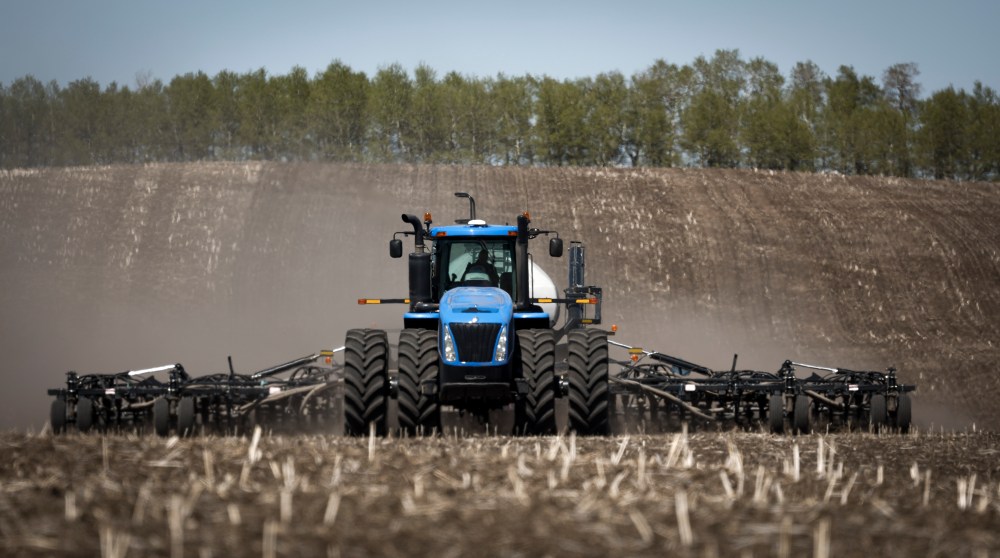
That means tracking competition along the way, as seeds are sown at farms or livestock are raised at ranches, to getting them processed as raw input or ready-to-eat items and loading them onto trucks to reach wholesalers and distributors.
The bureau will also investigate how these items are priced on store shelves and how consumers buy them using tools such as loyalty programs. The retail pricing investigation will include examining algorithmic pricing, shrinkflation, and skimpflation, which refers to reducing the quality for the same price.
The bureau says this is not a market study, but rather a broad approach to understanding where the bureau is needed and actions policy-makers can take to improve affordability.
Jeanne Pratt, interim commissioner of competition, says the cost of food matters to all Canadians and strong competition can help keep prices in check. She’s also asking industry stakeholders to share their experiences.
The latest investigation will build on the findings of the bureau’s 2023 retail grocery market study, which found greater competition could help lower prices and spur innovation.

The final report is expected to be published next spring, which will include findings and recommendations to governments on how competition could be improved across the food supply chain.
This report by The Canadian Press was first published June 16, 2026.