Excavating a mystery
Deft dual timeline offers plenty to dig up in archaeological thriller
Advertisement
Read this article for free:
or
Already have an account? Log in here »
To continue reading, please subscribe:

Digital Subscription
One year of digital access for only $205*
- Enjoy unlimited reading on winnipegfreepress.com
- Read the E-Edition, our digital replica newspaper
- Access News Break, our award-winning app
- Play interactive puzzles
*First annual payment billed as $205.00 + GST for one year. This annual subscription will automatically renew at $233.00 + GST every 52 weeks (10% off the regular annual price of $259.35). Offer available to new and qualified returning subscribers only. Cancel any time.
To continue reading, please subscribe:
Add Free Press access to your Brandon Sun subscription for only an additional
$1 for the first 4 weeks*
- Enjoy unlimited reading on winnipegfreepress.com
- Read the E-Edition, our digital replica newspaper
- Access News Break, our award-winning app
- Play interactive puzzles
*Your next Brandon Sun subscription payment will increase by $1.00 and you will be charged $17.95 plus GST for four weeks. After four weeks, your payment will increase to $24.95 plus GST every four weeks.
Read unlimited articles for free today:
or
Already have an account? Log in here »
We learn astoundingly early in this otherwise welcoming book that one of our several narrators — the paramount one — will die.
This is the first of several intriguing things about this at-first-blush straightforward, dual-timeline murder mystery. One timeline toils hands-on in the archaeological sands of 1903 British Imperial Egypt, while the other studies away in the comfy armchairs of an archaeological museum of 2019 Toronto. Guess what? The two meet at the end.
Our author, Toronto-based Kate Hilton, is a busy person, crafting an increasingly successful fiction-writing career, especially working in tandem with Elizabeth Renzetti on the emerging “Quill & Packet” mystery series, while somehow keeping a private psychotherapist practice afloat. Now, with City of the Muse, she has her fourth solo effort as a novelist.
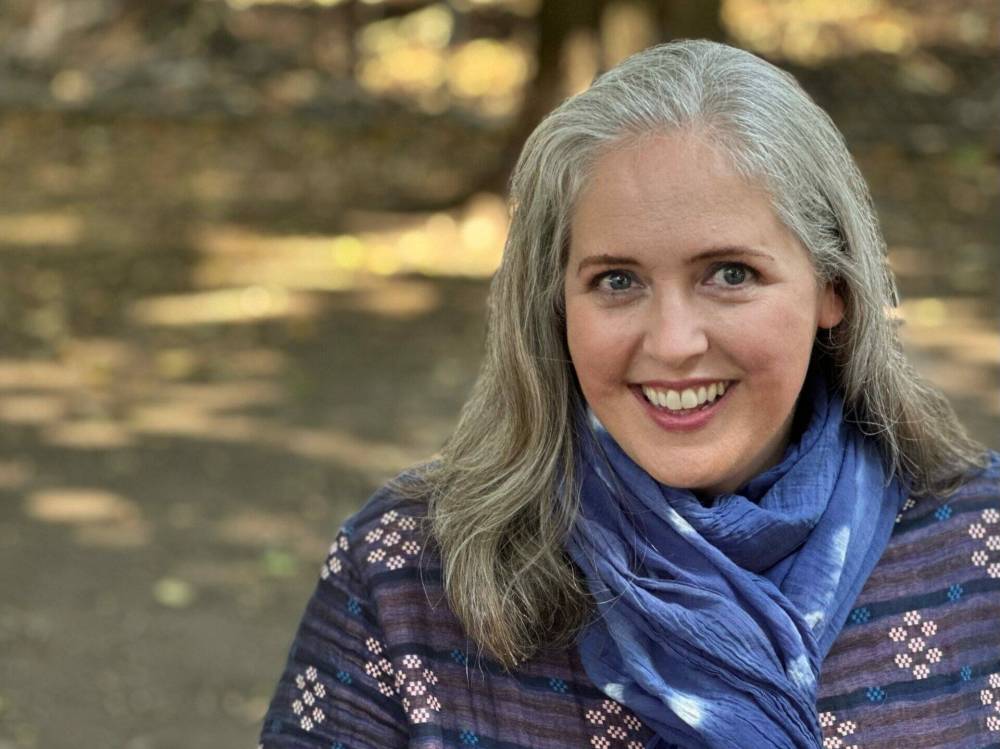
Betsy Hilton photo
Toronto’s Kate Hilton has co-written a handful of mysteries with journalist Elizabeth Renzetti; City of the Muse is Wilton’s fourth solo novel.
There can be no question this effort resides at a nexus of her passions, classics and archaeology, but also the ways museums, trailblazing women, poetry and true crime seem so often to lurk in these venues.
A second intrigue here is the cast of characters. There are reams of them, enough that it’s rather difficult to keep track without a notepad at the ready.
Our all-star Egypt-based oldies include: central node Helen Gardiner, our very much doomed diarist, a manuscript expert and translator extraordinaire; Emmett Olsen, our alcoholic leader of the excavation that turns up the precious scripts that allow Helen to do her virtuoso thing; Calvin Drake, the funder of these excavations and, rather predictably, our seemingly principal baddie; Nora Alcott, his unfortunate sometime mistress and, it turns out, the golden-hearted one who will oversee our mystery’s effective parlour room scene; Iris Wentworth, co-worker of Helen’s and our lynch-pin that connects the timelines not so much by plot as by simple genealogy; and Alistair Banks, our much expected cleric-on-the-spot who interprets things about the dig in his own very peculiar manner.
The roster for our youth corps at the Toronto Archaeological Museum (TAM) is similarly lengthy, but nowhere near as deep. Only one really need be named: Maddie Sloan, a diligent and ambitious but downtrodden (in oh-so-many ways) archivist at TAM. Maddie is Iris’s great-grandchild. The others here are more brands than humans: the TED Talk superstar. That superstar’s bitter ex-wife. The expert computer guy who happens not only to be a digital text expert, but the exact type needed at this very moment — and he’s right there! And so on.
A third intrigue emerges from the novel’s clever title. Half of this book, the “ancient” half, is set in the excavations at the truly ancient city of Calliopolis. This is a (fictional) city south of Cairo devoted to Calliope, one of the nine Muses whom the Greek-speaking world believed inspired human cultural output. Calliope was often considered the chief of these Muses, as her sphere of influence was epic poetry, the grandest of the arts.
The other half of the book is set in a museum, where scholars are preoccupied with trying to decipher those enchanting ancient texts about things uncertainly mythical or historical. The book would land in a different genre if our intrepid academics did not stumble upon a very modern, very historical murder mystery — and so they do, and we’re off on our dual-timeline murder mystery.
A fourth intrigue here is our own deciphering. What is this book really about? Is it a study of myth versus history? Is it an inquiry into the nature of archaeology — that is, the digging up of the past? Is it a celebration of a bygone era, a work of dripping nostalgia? Is it an exploration of the very idea of writing? Is it an homage to that band of nine mythological women, the Muses, and their lead singer, Calliope? Is it an ode to an individual historical woman, Sappho, the glorious pre-Classical Greek poet from the Isle of Lesbos whose poetry survives so desperately poorly and yet is in part found here? Is it — through this tale mostly of Helen, her female coworkers and their legacy, having found, identified, preserved and translated Sappho’s wondrous verse — a celebration of women generally speaking?
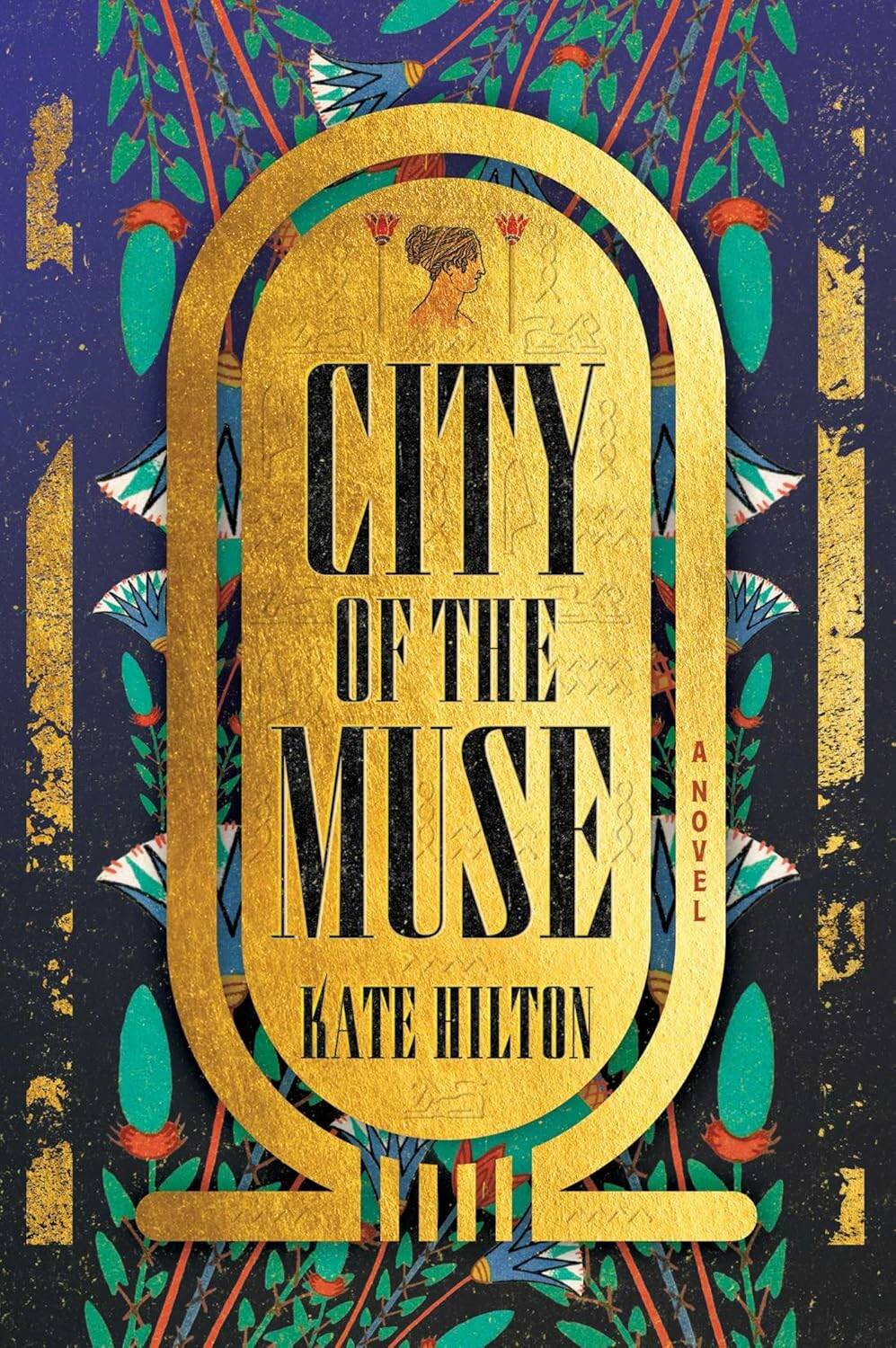
City of the Muse
So, there are intrigues here — but is the book unusual? Not really. Think Titanic, Big Fish, The Seven Husbands of Evelyn Hugo, The Death of Mrs. Westaway, The Notebook, Possession, The English Patient. Or, if you want to get really close, think Dan Brown’s The Da Vinci Code.
City of the Muse fits right in to that group in delightful, inspiring and intriguing ways, but it also fits in in many routine, light and perhaps prosaic ways.
Readers who know who they are have an easy decision to make.
Laurence Broadhurst teaches English and religion at St. Paul’s High School in Winnipeg.