‘I got eaten alive’: Alberta facing prolonged mosquito season not seen in decades
Advertisement
Read this article for free:
or
Already have an account? Log in here »
To continue reading, please subscribe:

Digital Subscription
One year of digital access for only $205*
- Enjoy unlimited reading on winnipegfreepress.com
- Read the E-Edition, our digital replica newspaper
- Access News Break, our award-winning app
- Play interactive puzzles
*First annual payment billed as $205.00 + GST for one year. This annual subscription will automatically renew at $233.00 + GST every 52 weeks (10% off the regular annual price of $259.35). Offer available to new and qualified returning subscribers only. Cancel any time.
To continue reading, please subscribe:
Add Free Press access to your Brandon Sun subscription for only an additional
$1 for the first 4 weeks*
- Enjoy unlimited reading on winnipegfreepress.com
- Read the E-Edition, our digital replica newspaper
- Access News Break, our award-winning app
- Play interactive puzzles
*Your next Brandon Sun subscription payment will increase by $1.00 and you will be charged $17.95 plus GST for four weeks. After four weeks, your payment will increase to $24.95 plus GST every four weeks.
Read unlimited articles for free today:
or
Already have an account? Log in here »
EDMONTON – Entomologist Ken Fry says he got dozens of mosquito bites while golfing in central Alberta this week.
“I got eaten alive,” Fry said with a laugh.
“If I allow myself to scratch, then it just makes it worse so I ignore it as much as possible.”
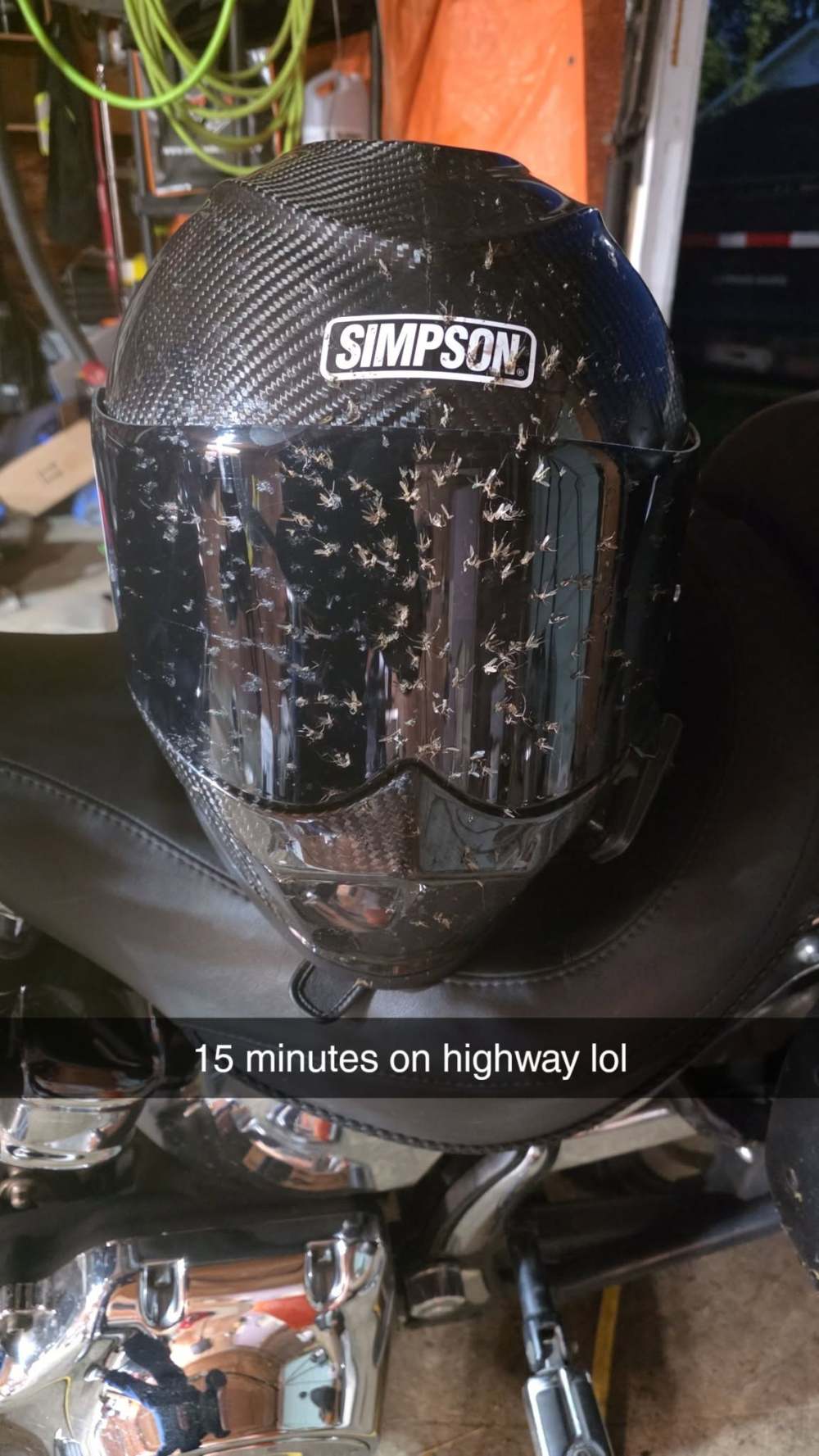
Fry says he is among many Albertans who haven’t been able to avoid the blood feeders in weeks.
Mike Jenkins, a biological sciences technician for the City of Edmonton, says they are facing a prolonged mosquito season not seen in decades.
He says the last time Edmontonians were vigorously swatting the flies was in 1990.
“I got so many mosquito bites. I actually got one on my tongue back then,” Jenkins said in a Monday phone interview.
“She took off before I noticed that she was feeding on my tongue. But, yeah, that was not a fun one.”
Heavy rainfall in Alberta is behind the mosquito boom.
In 1990, Jenkins said it had been raining in the province since May. “This year, we’ve been seeing mosquitoes since the real heavy rains came in about late June,” he said.
“It’s been probably years since we’ve seen sustained multiple weeks’ worth of rainfall. There’s water in places I haven’t seen in literally decades. The mosquitoes are being produced from those habitats.”
Jenkins said the city is hearing from a lot of locals complaining about the flies.
Bug spray has also been flying off the shelves and Albertans have taken to social media to swap tips on where to find the latest stock.
Fry, who also teaches entomology at Olds College, says the mosquitoes have been laying eggs near bodies of water. Their eggs can stick around for up to a decade and they hatch under water, too, into larvae, which look like small worms. These sleeper-skeeters grow into adults in 10 days.
So with more rainfall, the eggs that weren’t able to hatch during the drier summers Alberta has had in the last few years are hatching now, Fry said. That’s compounded their boom.
“Eggs can sense that they’re now under water and that there’s organic matter there for the larvae to feed on,” Fry said. “So they help keep your streams and creeks clean.”
Birds and other systems have also been feasting on the larvae. When the mosquitoes hatch, the females are fertilized by the males.
Then hungry females needing protein to grow eggs begin doing what humans least enjoy: sucking their blood.
The females can lay about 100 eggs at a time.
Jenkins said the city is trying to reduce the number of mosquitoes this summer. Trucks have been spraying pesticide along roadways.
He said if Alberta continues to see more rain in the following years, the flies are set to return again in abundance as this season has seen thousands of new eggs.
“The mosquitoes that are out there now are going to be laying eggs. That’s going to refill that egg bank.”
Fry said Albertans should avoid wearing dark and rough clothing, and cover their skin as much as possible.
“Don’t look like a cow, because mosquitoes are adapted to blood feeding on deer, moose, horses, and cows,” he said.
“You can’t win here, because if you wear light-colored clothing, then you look like a flower. And the females also like nectar.”
Primary Care Alberta says in a June notice that those bitten by mosquitoes should keep an eye out for West Nile virus symptoms.
It said: “While the risk of West Nile virus remains low in Alberta, some mosquitoes can carry the virus, so it’s best to avoid being bitten at all.”
This report by The Canadian Press was first published July 14, 2026.