

Russia’s central bank gingerly cuts rates, caught between business complaints and inflation
Advertisement
Read this article for free:
or
Already have an account? Log in here »
To continue reading, please subscribe:

Digital Subscription
One year of digital access for only $205*
- Enjoy unlimited reading on winnipegfreepress.com
- Read the E-Edition, our digital replica newspaper
- Access News Break, our award-winning app
- Play interactive puzzles
*First annual payment billed as $205.00 + GST for one year. This annual subscription will automatically renew at $233.00 + GST every 52 weeks (10% off the regular annual price of $259.35). Offer available to new and qualified returning subscribers only. Cancel any time.
To continue reading, please subscribe:
Add Free Press access to your Brandon Sun subscription for only an additional
$1 for the first 4 weeks*
- Enjoy unlimited reading on winnipegfreepress.com
- Read the E-Edition, our digital replica newspaper
- Access News Break, our award-winning app
- Play interactive puzzles
*Your next Brandon Sun subscription payment will increase by $1.00 and you will be charged $17.95 plus GST for four weeks. After four weeks, your payment will increase to $24.95 plus GST every four weeks.
Read unlimited articles for free today:
or
Already have an account? Log in here »
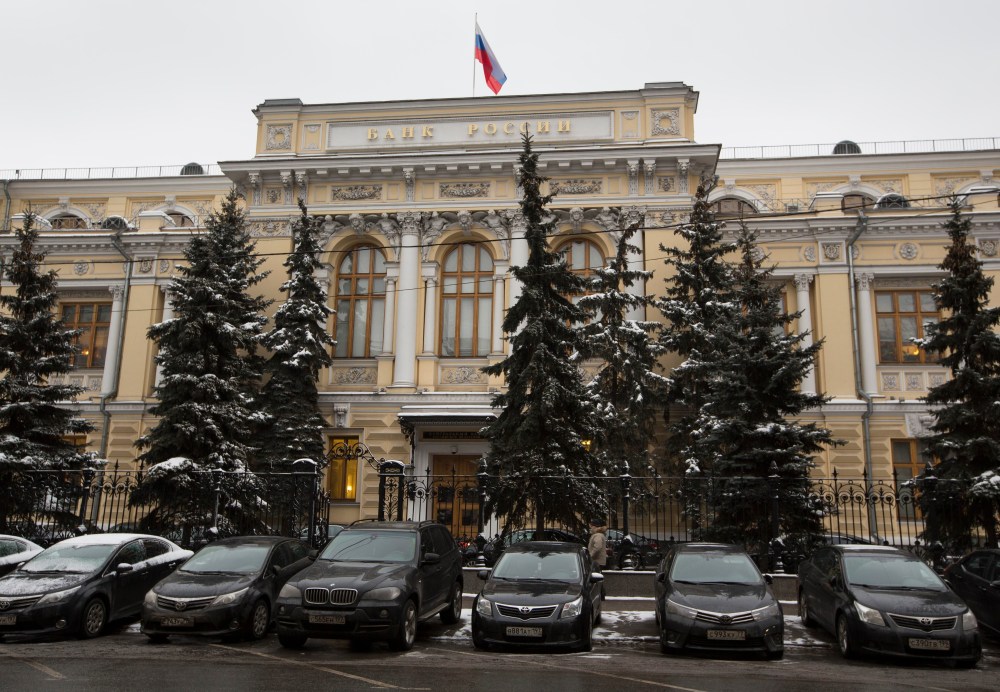
FRANKFURT, Germany (AP) — Russia’s central bank made a smaller than usual interest rate cut on Friday, a compromise move to support stagnating economic growth even as inflation fueled by war spending remains higher than the bank’s target.
The quarter-point cut to 14% shows the bank slowing its pace of rate cuts from a peak of 21% last year. The bank had been cutting by at least a half-percentage point until a quarter-point cut on June 19.
The slowing pace of cuts appears to be a compromise between complaints from Russia’s business lobby about high rates and the central bank’s aim of reducing inflation to its target of 4% annually. High rates combat inflation but make life more expensive for businesses that want to borrow to invest or cover expenses.
On Wednesday, Alexander Shokhin, head of the Russian Union of Industrialists and Entrepreneurs business association, warned of a wave of “autumn bankruptcies” if the central bank maintained its rate level.
Russia’s economy held up better than many expected despite Western sanctions after Putin launched the invasion of Ukraine. The budget has been supported by continuing exports of oil, while military orders kept factories running.
Inflation however has been fed by increased government spending on the war and more recently by higher fuel prices, the result of Ukrainian drone attacks that have disabled refineries and led to shortages in some areas. Unemployment however remains low and the central bank said that some of the current inflationary pressure was due to temporary factors.
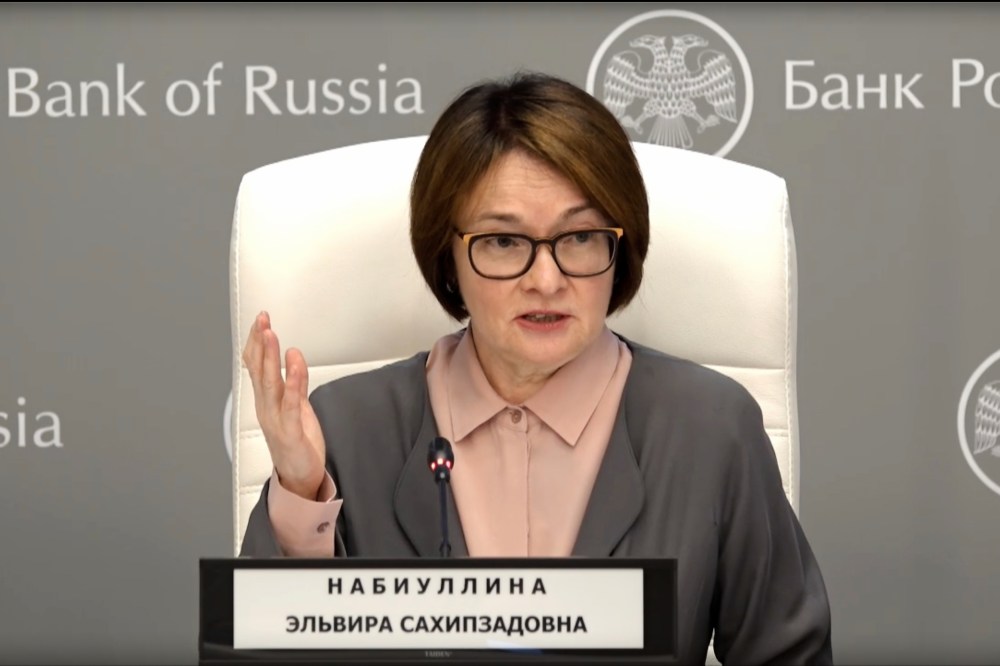
Recent price inflation “was largely provoked by the situation in the fuel market,” Bank of Russia Governor Elvira Nabiullina said in a statement.
She said higher fuel prices were feeding into the prices of other goods, and into people’s expectations for inflation because gasoline is a significant portion of regular household and business expenses. She added however that “as the situation in the fuel market stabilizes, inflation expectations are likely to go down.”

Annual inflation stood at 5.9% as of July 20 and is forecast to be 6%-7% next year, still above the bank’s goal of 4%, while companies reported significantly lower expectations for demand and production.
Growth has slowed from over 4% per year in 2023-4 and 1% last year as the stimulus from increased federal spending on defense has worn off. The government has forecast 0.4% this year. In recent days the economy has faced further disruption from Ukrainian drone attacks on the warehouses of Wildberries, the country’s biggest online retailer and an outlet for hundreds of thousands of small businesses.