

US existing homes fall 1.7% in July as record prices, high mortgage rates stifle would be-buyers
Advertisement
Read this article for free:
or
Already have an account? Log in here »
To continue reading, please subscribe:

Digital Subscription
One year of digital access for only $205*
- Enjoy unlimited reading on winnipegfreepress.com
- Read the E-Edition, our digital replica newspaper
- Access News Break, our award-winning app
- Play interactive puzzles
*First annual payment billed as $205.00 + GST for one year. This annual subscription will automatically renew at $233.00 + GST every 52 weeks (10% off the regular annual price of $259.35). Offer available to new and qualified returning subscribers only. Cancel any time.
To continue reading, please subscribe:
Add Free Press access to your Brandon Sun subscription for only an additional
$1 for the first 4 weeks*
- Enjoy unlimited reading on winnipegfreepress.com
- Read the E-Edition, our digital replica newspaper
- Access News Break, our award-winning app
- Play interactive puzzles
*Your next Brandon Sun subscription payment will increase by $1.00 and you will be charged $17.95 plus GST for four weeks. After four weeks, your payment will increase to $24.95 plus GST every four weeks.
Read unlimited articles for free today:
or
Already have an account? Log in here »
WASHINGTON (AP) — Sales of previously occupied U.S. homes slowed again in July as record prices and the highest mortgage rates in a year prove to be an insurmountable hurdle for many prospective homebuyers.
Existing home sales fell 1.7% last month from June to a seasonally adjusted annual rate of 4.06 million units, the National Association of Realtors said Tuesday. That’s slightly above the 4.05 million pace economists were expecting, according to FactSet.
July sales, however, were up 0.7% compared with last year.
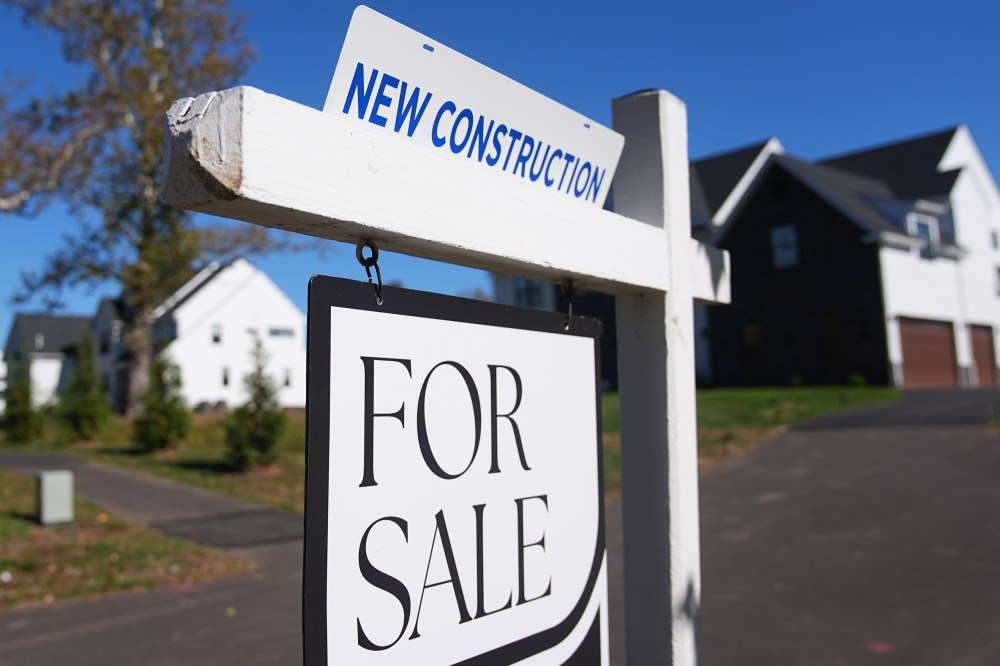
Home prices continued to rise, hitting unprecedented levels for the month of July, NAR said. The U.S. median sales price increased 2% from a year earlier, to $434,100.
In June, the median sales price hit $442,800, an all-time high for any month on data going back to 1999, NAR said. Home prices have risen on an annual basis for 37 months in a row.
Last week, mortgage buyer Freddie Mac reported that the benchmark 30-year fixed rate mortgage rate rose to 6.69%, its highest level in just over a year. It was the fifth consecutive week that the average rate rose, marking the latest strain for prospective homebuyers who are facing steep borrowing costs.
It is difficult to find good news about the U.S. housing market from the July report, said Carl Weinberg, chief economist at High Frequency Economics.
“No one who has a home already can afford to sell it,” said Weinberg. “People with ultra-low COVID-era mortgages cannot afford to give them up. If no one is selling, no one can be buying, and inventories are low.”
Home sales have been mostly hovering close to a 4-million annual pace for about three years, far short of the historic norm that is closer to 5.2 million.
The U.S. housing market has been in a slump since 2022, when mortgage rates began to climb from pandemic-era lows. Sales of previously occupied U.S. homes were essentially flat last year, stuck at a 30-year low.
Sales remain sluggish as mortgage rates have mostly trended higher in the months since the war between the U.S. and Iran started. Expectations of higher inflation amid surging oil prices have pushed up the long-term bond yields that lenders use as a guide to pricing home loans, causing mortgage rates to climb.

Home inventory levels also remain well below historical norms.
There were 1.54 million unsold homes at the end of last month, down 1.9% from June and 0.6% less than July last year, NAR said. That’s well short of the roughly 2 million homes for sale that was typical before the COVID-19 pandemic.
July’s month-end inventory translates to a 4.6-month supply at the current sales pace. Traditionally, a 5- to 6-month supply is considered a balanced market between buyers and sellers.
Regionally, prices in the Northeast continue to rise faster than the rest of the country, jumping 5.2% year-over-year, driven by a shortage of inventory.
NAR said that 29% of sales were first-time homebuyers, down from 33% in June but up slightly from 28% in July 2025. Historically, first-time buyers make up closer to 40% of home sales.