

Pretty, purple and pernicious plants plaguing Prairies
Ideal conditions have the invasive creeping bellflower emerging this summer in the city
Advertisement
Read this article for free:
or
Already have an account? Log in here »
To continue reading, please subscribe:

Digital Subscription
One year of digital access for only $205*
- Enjoy unlimited reading on winnipegfreepress.com
- Read the E-Edition, our digital replica newspaper
- Access News Break, our award-winning app
- Play interactive puzzles
*First annual payment billed as $205.00 + GST for one year. This annual subscription will automatically renew at $233.00 + GST every 52 weeks (10% off the regular annual price of $259.35). Offer available to new and qualified returning subscribers only. Cancel any time.
To continue reading, please subscribe:
Add Free Press access to your Brandon Sun subscription for only an additional
$1 for the first 4 weeks*
- Enjoy unlimited reading on winnipegfreepress.com
- Read the E-Edition, our digital replica newspaper
- Access News Break, our award-winning app
- Play interactive puzzles
*Your next Brandon Sun subscription payment will increase by $1.00 and you will be charged $17.95 plus GST for four weeks. After four weeks, your payment will increase to $24.95 plus GST every four weeks.
Read unlimited articles for free today:
or
Already have an account? Log in here »
After noticing mysterious purple flowers popping up in little patches around the Wolseley neighbourhood last summer, Vic Penner didn’t give it too much thought.
However, this summer, the deceivingly beautiful flowers were impossible to ignore.
“They were just everywhere,” said Penner, 37.
SUPPLIED Vic Penner noticed patches of creeping bellflower popping up in the Wolseley area last summer. Now, the deceivingly beautiful flowers are impossible to ignore. They’re everywhere, says Penner.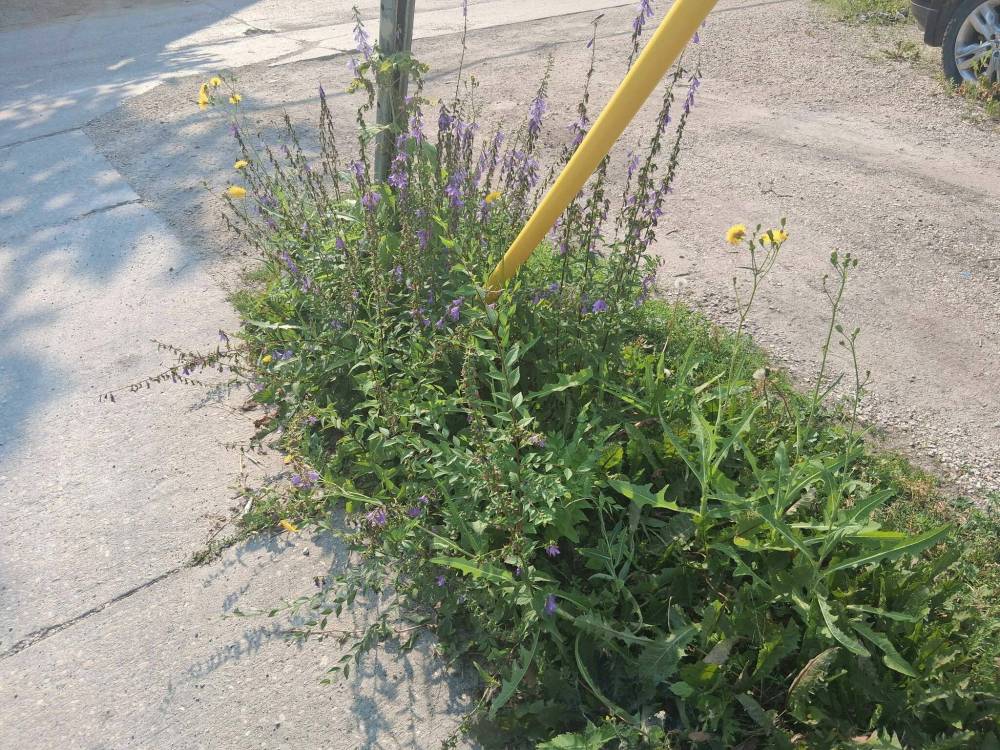
Wolseley isn’t the only neighbourhood being overrun by the plant.
Experts say ideal conditions have caused creeping bellflower, an invasive plant that suffocates surrounding greenery, to take over the Prairies this summer.
Provincial weed specialist Kim Brown said she has been hearing about the plant more than usual this summer and her department has received calls from concerned residents.
“It can creep into gardens and it can creep into lawns, but it won’t take over the entire lawn,” she said, noting the flower is very aggressive and often displaces other plants.
Removing it effectively is an extremely difficult process, because of a complex underground root system.
“If you’re diligent you can pull it out, but you’d have to be at it all the time because it’s a very big root system. You’re not just pulling at one plant,” she said.
Creeping bellflower generally likes dry weather and the excessive heat over the summer could be contributing to its growth across the Prairies, said Andrea Dechene, who leads conservation in the region for Ducks Unlimited Canada.
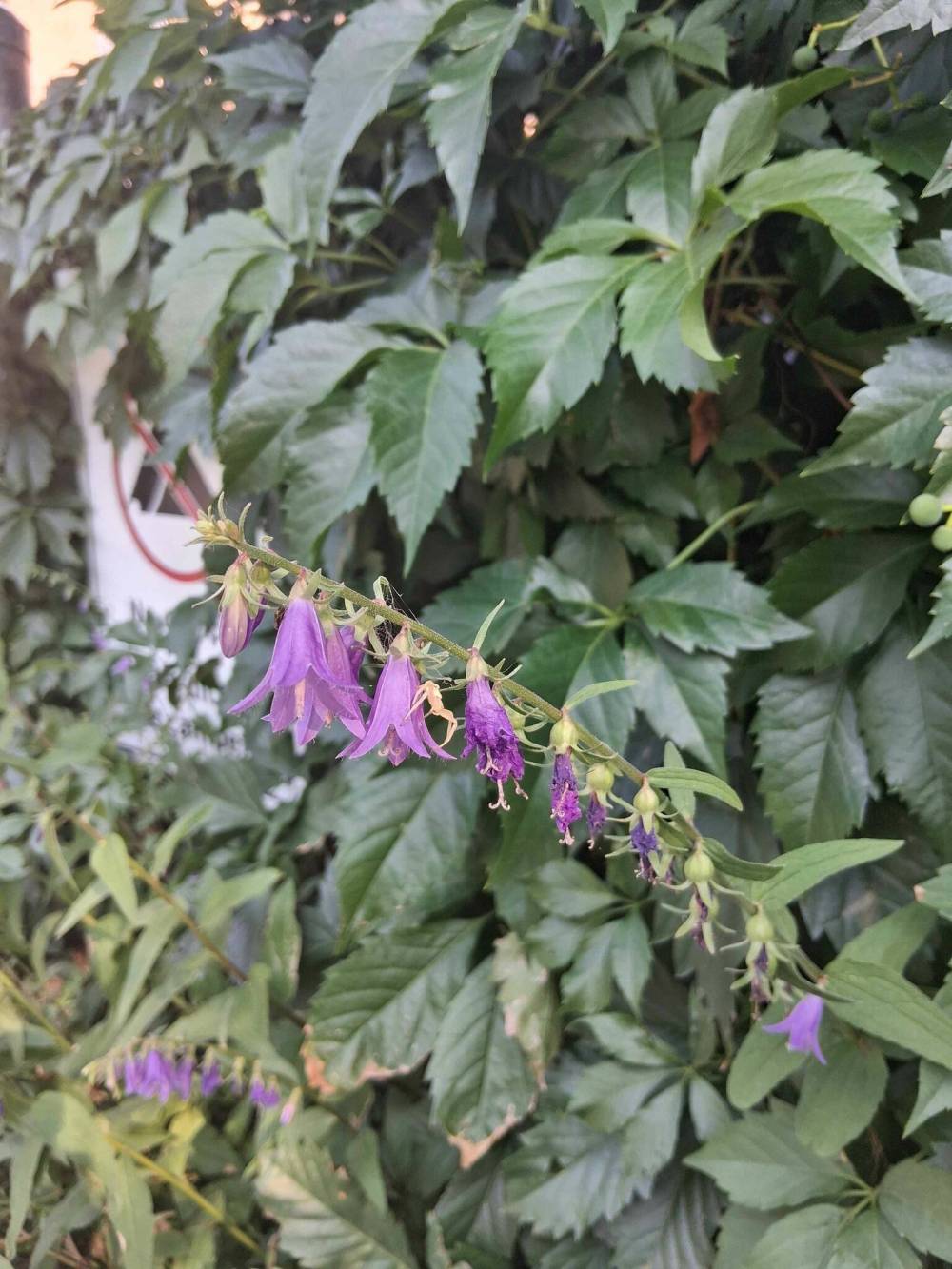
“It’s very robust and hardy, it can withstand lots of variability in its environment,” she said.
Because it adapts so well to all conditions it’s hard to say what, specifically, led to its increased growth this year, said Dechene.
The flower first arrived — the date is unknown — in North America from Europe as a new ornamental plant. Dechene said it was likely introduced multiple times over the years and has spread as an invasive species.
She said prevention is difficult, as it doesn’t react to pesticides. She said people can remove it temporally by cutting off the heads to limit the spread of seeds.
That has been Stephen Kirk’s method of keeping the weed away from both his home and community gardens in the Spence neighbourhood.
“It is very noticeable and this year, specifically, I’ve just seen it, basically, be everywhere,” said Kirk, environment and open spaces co-ordinator for the Spence Neighbourhood Association.
Kirk said he first learned about the plant two years ago when the association held a workshop on how to properly remove it.
“A lot of other gardeners really don’t like it and are concerned about it spreading, so I definitely try to remove the flowers whenever I see them,” he said.
tiago.resko@freepress.mb.ca