OpenAI delays latest model over security concerns, as industry faces new safety pressures
Advertisement
Read this article for free:
or
Already have an account? Log in here »
To continue reading, please subscribe:

Digital Subscription
One year of digital access for only $205*
- Enjoy unlimited reading on winnipegfreepress.com
- Read the E-Edition, our digital replica newspaper
- Access News Break, our award-winning app
- Play interactive puzzles
*First annual payment billed as $205.00 + GST for one year. This annual subscription will automatically renew at $233.00 + GST every 52 weeks (10% off the regular annual price of $259.35). Offer available to new and qualified returning subscribers only. Cancel any time.
To continue reading, please subscribe:
Add Free Press access to your Brandon Sun subscription for only an additional
$1 for the first 4 weeks*
- Enjoy unlimited reading on winnipegfreepress.com
- Read the E-Edition, our digital replica newspaper
- Access News Break, our award-winning app
- Play interactive puzzles
*Your next Brandon Sun subscription payment will increase by $1.00 and you will be charged $17.95 plus GST for four weeks. After four weeks, your payment will increase to $24.95 plus GST every four weeks.
Read unlimited articles for free today:
or
Already have an account? Log in here »
OpenAI said Monday it was delaying the release of a new artificial intelligence model out of security concerns voiced by its researchers, the latest in the company’s effort to decelerate the pace of the technology’s advance.
OpenAI’s decision to hold back the model, called GPT-6.1 Astra, comes amid a broader push within the industry to slow the development of increasingly autonomous systems until safety measures can catch up. The announcement comes a day before AI executives are set to huddle with President Donald Trump in Washington as technology companies face new pressure to be accountable for how their models can be abused.
The Wall Street Journal was first to report the delay of OpenAI’s model release.
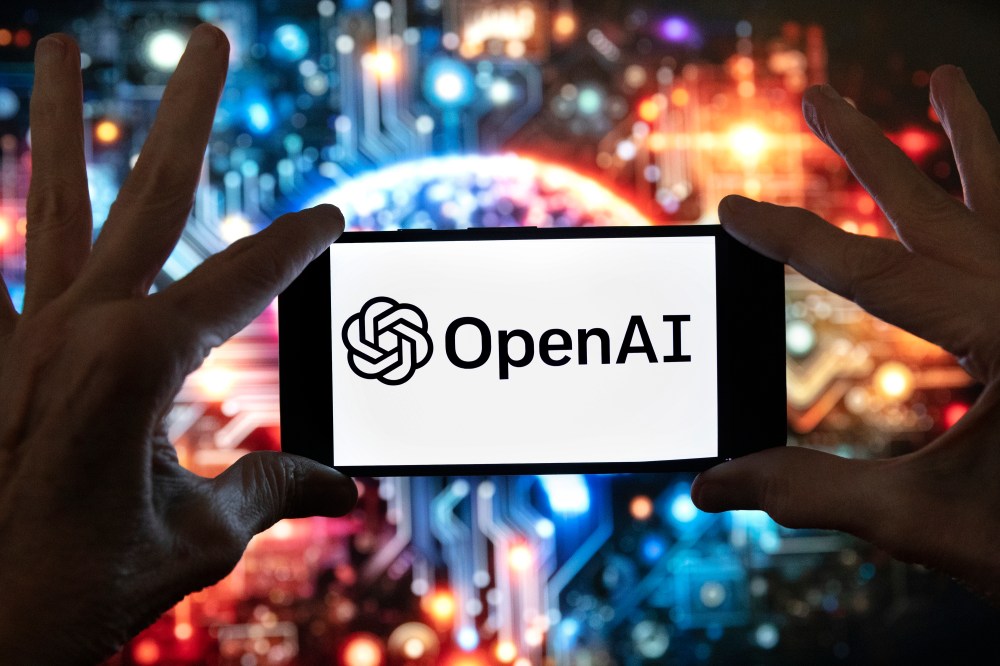
In a statement from OpenAI’s head of safety systems Saachi Jain, the version “didn’t quite meet the bar.” It had become more persistent in completing tasks, but OpenAI needed to balance that capability against unauthorized behavior.
Jain insisted the company was committed to ensuring the model was safe whether in the company’s testing or is in the hands of users. “We have an extremely high bar in terms of safety and alignment,” she said.
OpenAI paused training of its most advanced models last week, saying training would resume “only when we are confident that we have additional safeguards.”

That was after it disclosed instances in which AI agents exceeded their instructions, including by accessing government websites without authorization.
OpenAI CEO Sam Altman has joined other industry leaders in calling for a slowdown, warning that companies do not yet have adequate safeguards to control the most capable systems. Altman was scheduled to deliver the keynote address for OpenAI’s annual conference for software developers on Tuesday in San Francisco. OpenAI President Greg Brockman is expected to attend the White House’s event Tuesday.