Faith at city hall
Mayoral candidates answer questions about working with city’s religious communities

Advertisement
Read this article for free:
or
Already have an account? Log in here »
To continue reading, please subscribe:

Digital Subscription
One year of digital access for only $205*
- Enjoy unlimited reading on winnipegfreepress.com
- Read the E-Edition, our digital replica newspaper
- Access News Break, our award-winning app
- Play interactive puzzles
*First annual payment billed as $205.00 + GST for one year. This annual subscription will automatically renew at $233.00 + GST every 52 weeks (10% off the regular annual price of $259.35). Offer available to new and qualified returning subscribers only. Cancel any time.
To continue reading, please subscribe:
Add Free Press access to your Brandon Sun subscription for only an additional
$1 for the first 4 weeks*
- Enjoy unlimited reading on winnipegfreepress.com
- Read the E-Edition, our digital replica newspaper
- Access News Break, our award-winning app
- Play interactive puzzles
*Your next Brandon Sun subscription payment will increase by $1.00 and you will be charged $17.95 plus GST for four weeks. After four weeks, your payment will increase to $24.95 plus GST every four weeks.
Read unlimited articles for free today:
or
Already have an account? Log in here »
In September, longtime faith columnist John Longhurst surveyed the leading Winnipeg mayoral candidates about how they would work with the city’s faith community if they were elected.
Incumbent Scott Gillingham and his two main challengers, Kevin Klein and Mike Vogiatzakis, were asked the following questions.
1. As mayor, what will you do to recognize and support the efforts of Manitoba faith groups that serve the most vulnerable in the province?
2. Winnipeg churches exploring ways to convert their buildings into affordable housing are facing challenges such as funding and dealing with variances and zoning regulations. As mayor, what will you do to help churches use their buildings to address the pressing need for affordable housing? The City of Edmonton, for example, has created a $2-million fund for churches through its Faith Lands Affordable Housing Incentive program.
3. The Halo Project, which measures the financial and social impacts of Canadian congregations, estimates Winnipeg’s 307 places of worship provide more than $443 million of benefits through a range of services, including hosting harm-reduction services, running food banks, providing programs for youth and seniors, job training, support for refugees and hosting concerts. This is a cost the city would have to absorb if these places of worship ceased to exist. What will you do as mayor to support places of worship as community assets?
4. The rise in antisemitism and Islamophobia makes members of those faith groups worry about safety and security. What will you do as mayor to address this concern?
5. City hall can be hard for organizations, such as faith groups, to navigate. The City of Toronto adopted a motion in June that directed city staff to examine how it could improve faith communities’ access to information about space bookings, permits, parking exemptions and transportation, as well as community safety and inclusion. As mayor, would you be open to providing similar help to Winnipeg faith groups?
JOHN WOODS / FREE PRESS files If elected, Scott Gillingham says he will continue to recognize and support the efforts of Manitoba faith groups as they serve the most vulnerable and others in the province.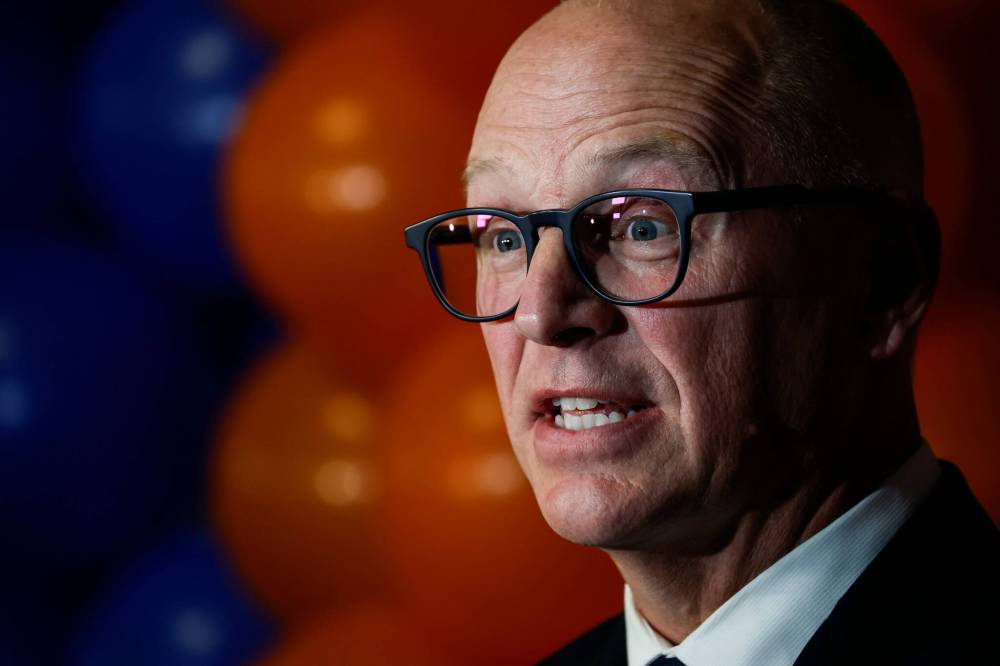
^
Scott Gillingham
If elected, Gillingham says he will continue to recognize and support the efforts of Manitoba faith groups as they serve the most vulnerable and others in the province.
“I’ll continue to build on the way I have recognized and appreciated the faith groups as I did in my first term in office,” he said. “Faith communities play such an important role in strengthening our community. They’re on the front lines of feeding the hungry and providing shelter for the homeless.”
By way of example, he pointed to the 2025 wildfire evacuations, when groups like Khalsa Aid, Mennonite Disaster Service and the Salvation Army helped evacuees at the Leila soccer complex.
“Right there, I saw first-hand the power and the important work of what these various faith communities do to help people in their time of deep need,” he said.
During his time as mayor, Gillingham created a Multi-faith and Cultural Liaison Circle. He believes it accomplished some initial goals, such as making sure faith communities had a direct line to the mayor’s office about their concerns and priorities, but he discovered there was overlap with the Manitoba Multifaith Council.
As a result, the circle was merged with the council. “It was an opportunity to bring the work together to broaden the table,” he said, adding he stays in touch with the council.
Gillingham noted that conversations about city hall usually revolve around physical infrastructure like roads, transit and sewers. “But Winnipeg is really fortunate to have a faith infrastructure that meets the needs of those who are vulnerable and struggling with poverty,” he said.
Gillingham is familiar with the Halo Project, and the millions of dollars in value provided by faith communities. “These are benefits that our city receives,” he said, adding he will continue to see places of worship as community assets.
If re-elected, Gillingham said he will continue to visit places of worship to “let them know that I, as mayor, value them, the community they create, the impact and benefit they are to the city.”
Faith communities, he added, play a role that “governments can never and will never play … there’s a complementary relationship between government and faith communities.”
Gillingham noted the city is already helping places of worship convert their properties to affordable housing through a concierge service that helps them navigate city hall. “That is one of the big things I hear churches talk about all the time, which is, ‘we’d like to do that, but we don’t know how,’” he said.
His commitment to helping churches create affordable housing could include funding, such as in Edmonton. “I don’t know that there’s any funding available currently, but that’s not to say that a new envelope of funding may come available in the future,” he said.
The safety of places of worship is important, he said. “There is no place for hate in this city,” Gillingham said, adding “no one should feel threatened because of what they believe. I want to see members of our Jewish community, or any other faith community, feel supported … we need to continue to listen to those communities to understand their fears, and work to provide the security required.”
For Gillingham — a former pastor — “Christian faith is still core to who I am. It determines my values, my commitment to service. And it has led me to a deep appreciation for the vital work and presence of faith communities in our city.”
Governments at every level haven’t always appreciated “the richness our faith communities bring, and the critical value they provide,” he said. “I appreciate the work they’re doing, and look forward to working with them further in the future.”
MIKE DEAL / FREE PRESS files For Kevin Klein, places of worship ‘are often the ones who show up when city hall does not. They should be treated as partners, not as a permit problem.’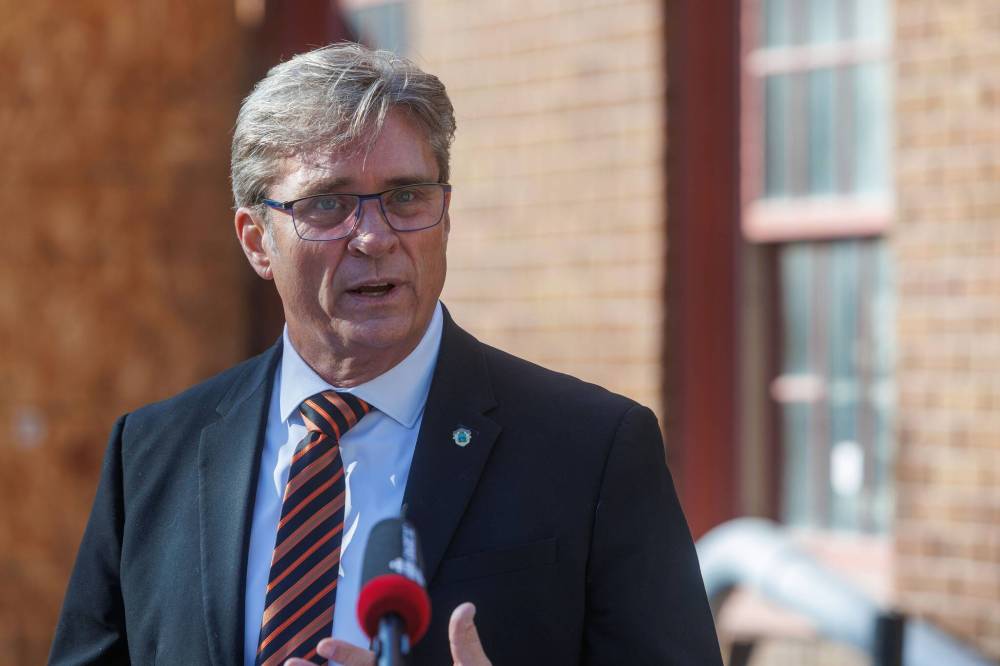
^
Kevin Klein
For Klein, places of worship “are often the ones who show up when city hall does not. They should be treated as partners, not as a permit problem.”
If elected, he will point existing housing and outreach dollars at programs that are already working, such as those being offered by faith groups to “feed the hungry, shelter the homeless, and walk with people through addiction and mental illness … I will stop city departments from building a weaker version three blocks away.”
Klein also wants to make it easier for small congregations to apply for funding “without hiring a consultant. The people doing the work will be in the room before the budget is set.”
When it comes to helping churches convert properties into housing, “Edmonton got this right,” he said. “I will bring a Winnipeg version to council, built with a community foundation and aimed only at that early stage, with federal housing dollars in the stack.”
He is impressed by how Toronto made it easier for faith groups to navigate city hall. “Winnipeg should do the same,” he said, adding he would bring a motion for a “single window, one contact, plain language, set timelines,” for faith and other community groups. “This is not special treatment. It is basic competence,” he said.
If a faith group wants affordable housing on land it already owns, “it will get one staff contact and a zoning path that does not take two years,” he added.
For Klein, places of worship are community assets with their various programs. “If those doors closed, the city could not write a cheque big enough to replace them,” he said.
In terms of offering financial support for places of worship that serve the community, Klein noted they “are already tax-exempt. I will not invent a new break, and I will not let the exemption cover commercial activity. What I will do is count these buildings as assets when we plan food security, recreation, settlement and neighbourhood safety. A program serving the public should not get lost on the permit desk. The cheapest social service in this city is the one already running in a church basement. My job is to keep the lights on for it.”
Klein believes that nobody should be afraid to go to a place of worship. “I will sit down with the Winnipeg Police Service and with faith leaders, start with the sites at highest risk, and put a plan in place: threat assessments, cameras and lighting where they are needed, patrols at high holy day services, and a direct line to police before an incident, not after,” he said.
Where the City of Toronto put $2.5 million into bollards and hardened entrances, up to $100,000 a site for places of worship at risk, Klein would bring “a smaller, targeted Winnipeg version for documented high-risk sites, paired with the federal Security Infrastructure Program so local taxpayers are not carrying the whole cost.”
If elected, Klein says his “door will be open” to faith community leaders. “I will ask what is working, what in the city is breaking, and what we can do together. Better days are ahead for Winnipeg with change that makes sense. Part of that change is noticing who has been holding this city up all along,” he said.
For Klein, “Winnipeg is home to many faiths, and to people who hold none,” adding that “a mayor serves the whole city.” At the same time, “faith is part of our family. It was not always easy for me to say that. I struggled with religion for years after the murder of my mom. I blamed God for the troubled and abusive life I had. I have since realized He was with me every step of the way, through times that made me strong. That is personal. It is not a test for anyone else.”
Mike Sudoma / Free Press files For Mike Vogiatzakis, ‘faith groups are on the front lines every day.’ As mayor, he would bring these groups into the city’s work on homelessness, safety and community services.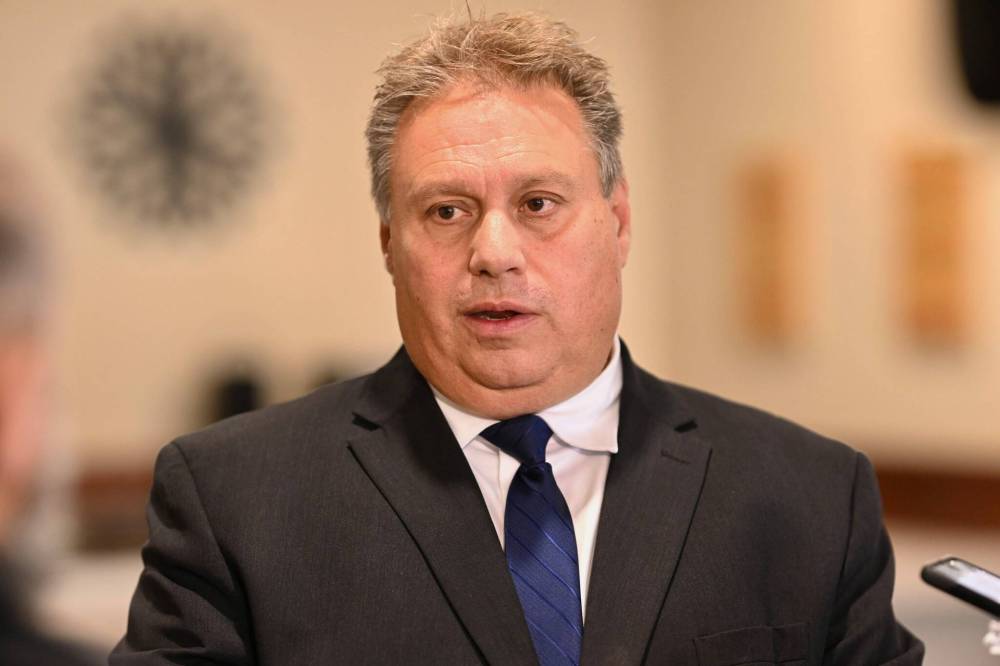
^
Mike Vogiatzakis
For Vogiatzakis, “faith groups are on the front lines every day.” As mayor, he would bring these groups into the city’s work on homelessness, safety and community services. “I would ask what support they need, help them connect people to city services and make it easier for them to apply for funding when they are delivering a service to the public. I would want those opportunities to be fair and open to faith and non-faith organizations alike.”
City hall should assist places of worship wanting to create affordable housing, he said, coming alongside before they spend a lot of money.
“I would arrange an early meeting with the right city staff to explain zoning, variances, permits, costs and timelines,” he said, adding that “making permits easier is a major part of my campaign. I want clear requirements, firm timelines and someone who can help applicants move a project forward instead of leaving them to find their way through one department after another.”
Vogiatzakis thinks what Edmonton is doing to help places of worship create affordable housing “is worth considering … I would ask city staff to bring council a Winnipeg proposal with its cost and funding options.” He would not, however, promise a set amount of money “without showing residents how we would pay for it.”
For him, antisemitism and Islamophobia “have no place in Winnipeg. I would meet with affected communities and the police to hear what is happening and what protection is needed,” he said, adding he appreciates Toronto’s approach to protecting locations at risk.
To help places of worship navigate city hall, Vogiatzakis wants them to easily “know where to go and get a clear answer.” He would support a review of city services and “work toward one clear point of contact for faith groups.”
“I am a Christian and highly active in my church,” Vogiatzakis said. “My faith is important to me, and I believe the Christian community makes an enormous contribution to Winnipeg. I also respect the work of other faith communities and the freedom of every person to believe differently, or not to practise a faith.”
Jdl562000@yahoo.com
The Free Press is committed to covering faith in Manitoba through our Religion in the News project. This reporting continues because readers like you step forward to fund it.
Donate now to support our reporting on religion.
Your donation is eligible for a charitable tax receipt.
BECOME A FAITH JOURNALISM SUPPORTER
Our newsroom depends on a growing audience of readers to power our journalism. If you are not a paid reader, please consider becoming a subscriber.
Our newsroom depends on its audience of readers to power our journalism. Thank you for your support.
The Free Press is committed to covering faith in Manitoba through our Religion in the News project. This reporting continues because readers like you step forward to fund it.
Donate now to support our reporting on religion.
Your donation is eligible for a charitable tax receipt.
BECOME A FAITH JOURNALISM SUPPORTER
Our newsroom depends on a growing audience of readers to power our journalism. If you are not a paid reader, please consider becoming a subscriber.
Our newsroom depends on its audience of readers to power our journalism. Thank you for your support.
Advertisement Advertise With Us
Advertisement Advertise With Us
The Free Press acknowledges the financial support it receives from members of the city’s faith community, which makes our coverage of religion possible.