

Buddy comedy adventure a charming journey
Absurdist New Zealand film sweet and subversive
Advertisement
Read this article for free:
or
Already have an account? Log in here »
To continue reading, please subscribe:
Monthly Digital Subscription
$1 per week for 24 weeks*
- Enjoy unlimited reading on winnipegfreepress.com
- Read the E-Edition, our digital replica newspaper
- Access News Break, our award-winning app
- Play interactive puzzles
*Billed as $4.00 plus GST every four weeks. After 24 weeks, price increases to the regular rate of $19.95 plus GST every four weeks. Offer available to new and qualified returning subscribers only. Cancel any time.
Monthly Digital Subscription
$4.99/week*
- Enjoy unlimited reading on winnipegfreepress.com
- Read the E-Edition, our digital replica newspaper
- Access News Break, our award-winning app
- Play interactive puzzles
*Billed as $19.95 plus GST every four weeks. Cancel any time.
To continue reading, please subscribe:
Add Free Press access to your Brandon Sun subscription for only an additional
$1 for the first 4 weeks*
*Your next subscription payment will increase by $1.00 and you will be charged $16.99 plus GST for four weeks. After four weeks, your payment will increase to $23.99 plus GST every four weeks.
Read unlimited articles for free today:
or
Already have an account? Log in here »
Hey there, time traveller!
This article was published 15/07/2016 (3539 days ago), so information in it may no longer be current.
Every once in a while, a small, unheralded film comes along, so smart and funny, such a pleasure to experience, you can’t believe your luck. Hunt for the Wilderpeople is such a film.
The wacky story of the way-unlikely alliance between an overweight reprobate of a teenager and a surly, wilderness-loving loner, Wilderpeople was written and directed by New Zealand’s Taika Waititi, whose last credit was the admired vampire mockumentary What We Do in the Shadows.
Wilderpeople was a surprise audience favourite at Sundance, where everyone who mentioned it smiled at the memory, and with good reason. The film has a gently absurdist quality, a simultaneously sweet and subversive sensibility all its own, mixing warmth, adventure and comedy in ways that consistently surprise.
Much of this tone comes from the novel Wilderpeople is based on, Wild Pork and Watercress by Barry Crump, an idiosyncratic author so beloved in New Zealand he has sold more than a million books in a four-million-person country. (Crump’s one-of-a-kind New Zealand TV spots for Toyota four-wheel-drive vehicles, available on YouTube, made him even more of a national figure before his death in 1996.)
The combination of Crump’s sensibility, Waititi’s growing stature as a filmmaker and an irresistible story persuaded some of New Zealand’s top actors, starting with the veteran Sam Neill, letter-perfect as unbending outdoorsman Hec Faulkner, to take roles in the picture.
But Wilderpeople wouldn’t be the success it is without its 13-year-old co-star, Julian Dennison. A talented performer in only his third feature, Dennison creates a convincingly multidimensional character whose personal unpredictability and sincere spontaneity is never in doubt.
Wilderpeople opens deep in the New Zealand bush, with a police car headed for a remote, isolated cabin. In the back seat is sullen, overweight Ricky Baker (Dennison), a city kid far from home and about to get farther.
Taking Baker to the latest in a long string of foster homes are a policeman named Andy (Oscar Kightley) and officious Paula Hall (Rachel House) of Child Welfare, who ominously describes Ricky as “a bit of a handful, a real bad egg.”
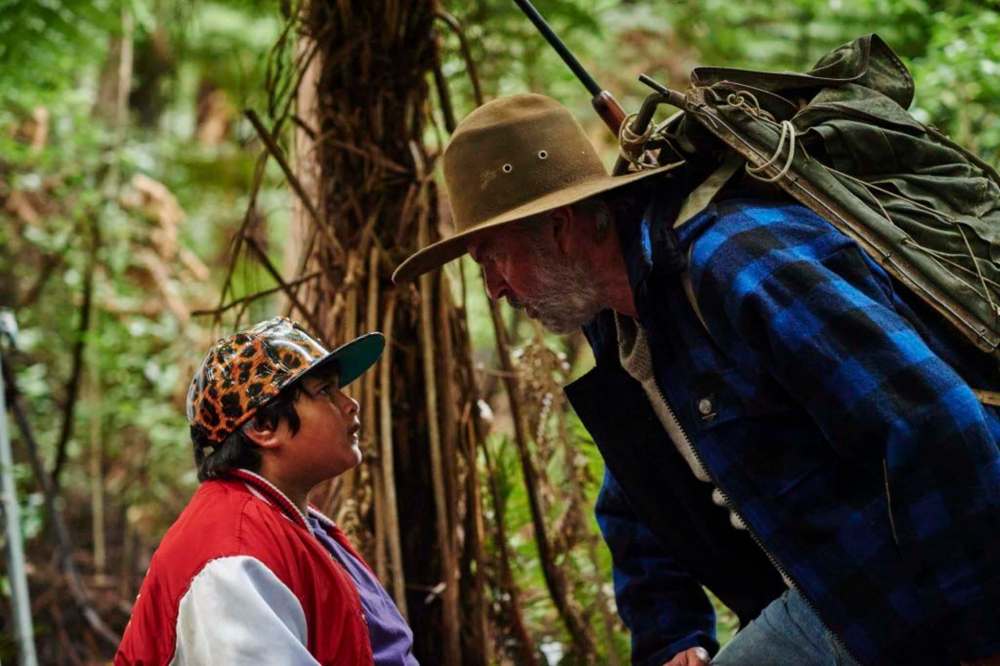
Having no such qualms is new foster mother Bella Faulkner (Rima Te Wiata), overflowing with enthusiasm and good spirits, who promptly gives the suspicious Ricky a hug as big as all outdoors.
Bella’s husband, Hec, is something else entirely. First glimpsed toting home an enormous wild boar he’s killed, Hec favours Ricky with a look that could freeze molten steel and asks, “Ever worked on a farm before, or are you just ornamental?”
Hec’s disdain notwithstanding, it becomes clear that Ricky is not a bad boy, just neglected. He may say things like, “I’m a menace to society,” but his fondness for hot water bottles (essential for nighttime warmth in the outback) gives him away.
Things start to look promising for Ricky on his 13th birthday. He gets a dog (which he promptly names Tupac) and a song written in his honour by Bella proclaiming him “once neglected, now accepted.”

Suddenly, through no fault of his own, everything changes for Ricky. Child Welfare wants him back, and while Ricky, ever the gangster, hopes for “a shootout like Scarface,” Hec plans to disappear into the bush. By himself. Ricky says they could be a team on the run, but Hec contemptuously tells him, “You wouldn’t last five minutes out there.”
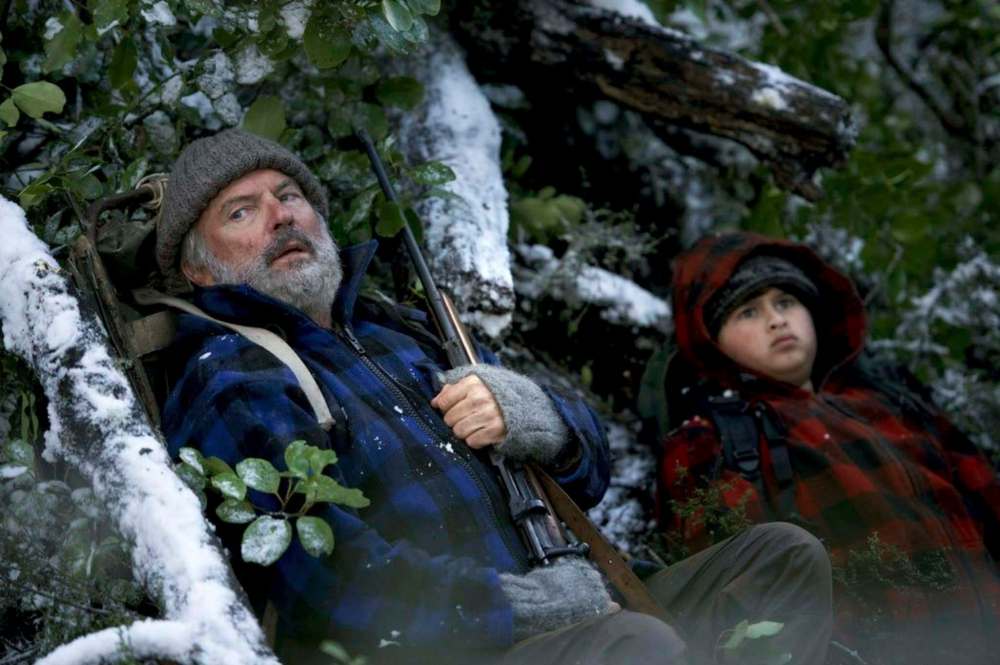
Though it’s hardly a shock that circumstances amusingly conspire to make this teaming happen, the wild and crazy comic plot twists, misadventures and misunderstandings that befall this duo manage to be as unexpected as they are amusing. Which is a lot.
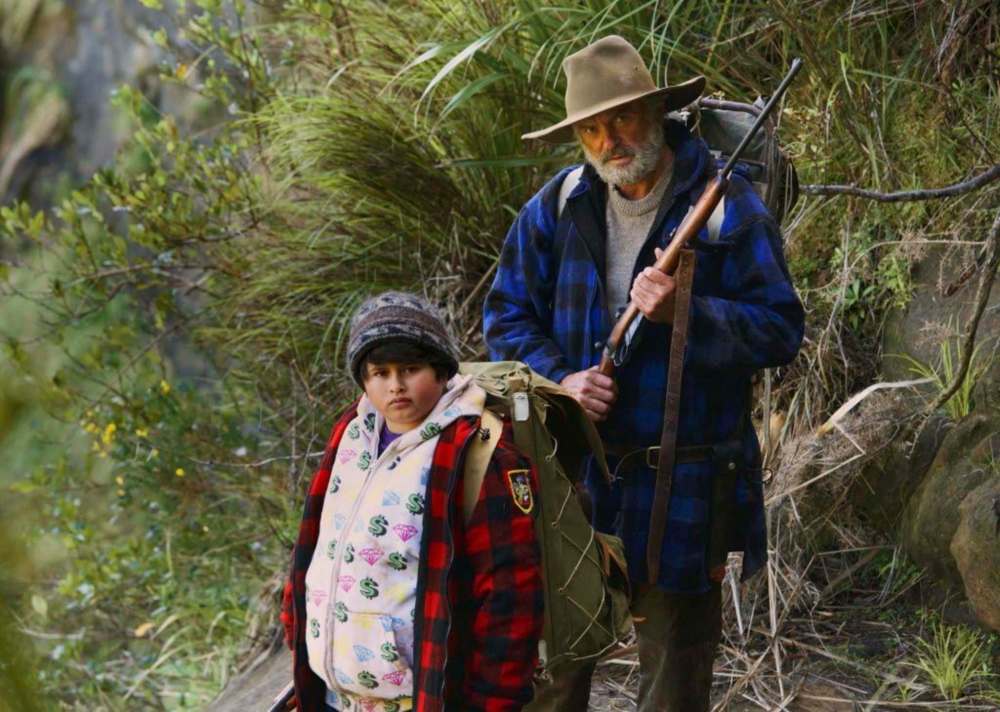
Essential in this is the utter conviction the two stars bring to characters who really do not have much use for each other. Neill’s performance is the rock that anchors everything, and Dennison is especially good at revealing the unlooked-for aspects of Ricky, such as his fondness for writing haiku and his precocious familiarity with psychological jargon like “you’re still processing.”
Director Waititi, who has an amusing cameo as a minister and whose improbable followup will be the Marvel behemoth Thor: Ragnarok, is at the heart of Wilderpeople’s success. He not only casually blends entertainment and emotional resonance, he makes creating something both site specific and universal look like the easiest task of all.
— Los Angeles Times
History
Updated on Friday, July 15, 2016 7:45 AM CDT: Trailer added.
Updated on Friday, July 15, 2016 7:48 AM CDT: Formatting fixed.