

Past performers
Late musicians all contributed to Manitoba scene
Advertisement
Read this article for free:
or
Already have an account? Log in here »
To continue reading, please subscribe:
Digital Subscription
One year of digital access for only $1.44 a week*
- Enjoy unlimited reading on winnipegfreepress.com
- Read the E-Edition, our digital replica newspaper
- Access News Break, our award-winning app
- Play interactive puzzles
*Billed as $5.77 plus GST every four weeks. After 52 weeks, price increases to the regular rate of $19.95 plus GST every four weeks. Offer available to new and qualified returning subscribers only. Cancel any time.
To continue reading, please subscribe:
Add Free Press access to your Brandon Sun subscription for only an additional
$1 for the first 4 weeks*
- Enjoy unlimited reading on winnipegfreepress.com
- Read the E-Edition, our digital replica newspaper
- Access News Break, our award-winning app
- Play interactive puzzles
*Your next Brandon Sun subscription payment will increase by $1.00 and you will be charged $17.95 plus GST for four weeks. After four weeks, your payment will increase to $24.95 plus GST every four weeks.
Read unlimited articles for free today:
or
Already have an account? Log in here »
Hey there, time traveller!
This article was published 05/03/2017 (3376 days ago), so information in it may no longer be current.
I received word recently my old friend and fellow guitarist, former Winnipegger Bob White, passed away. White was a journeyman musician who toiled on the local scene with early groups such as the Back Pages before stepping into the limelight as a member of Justin Tyme, Spice, Hurricane Hannah, LesQ and Rocki Rolletti.
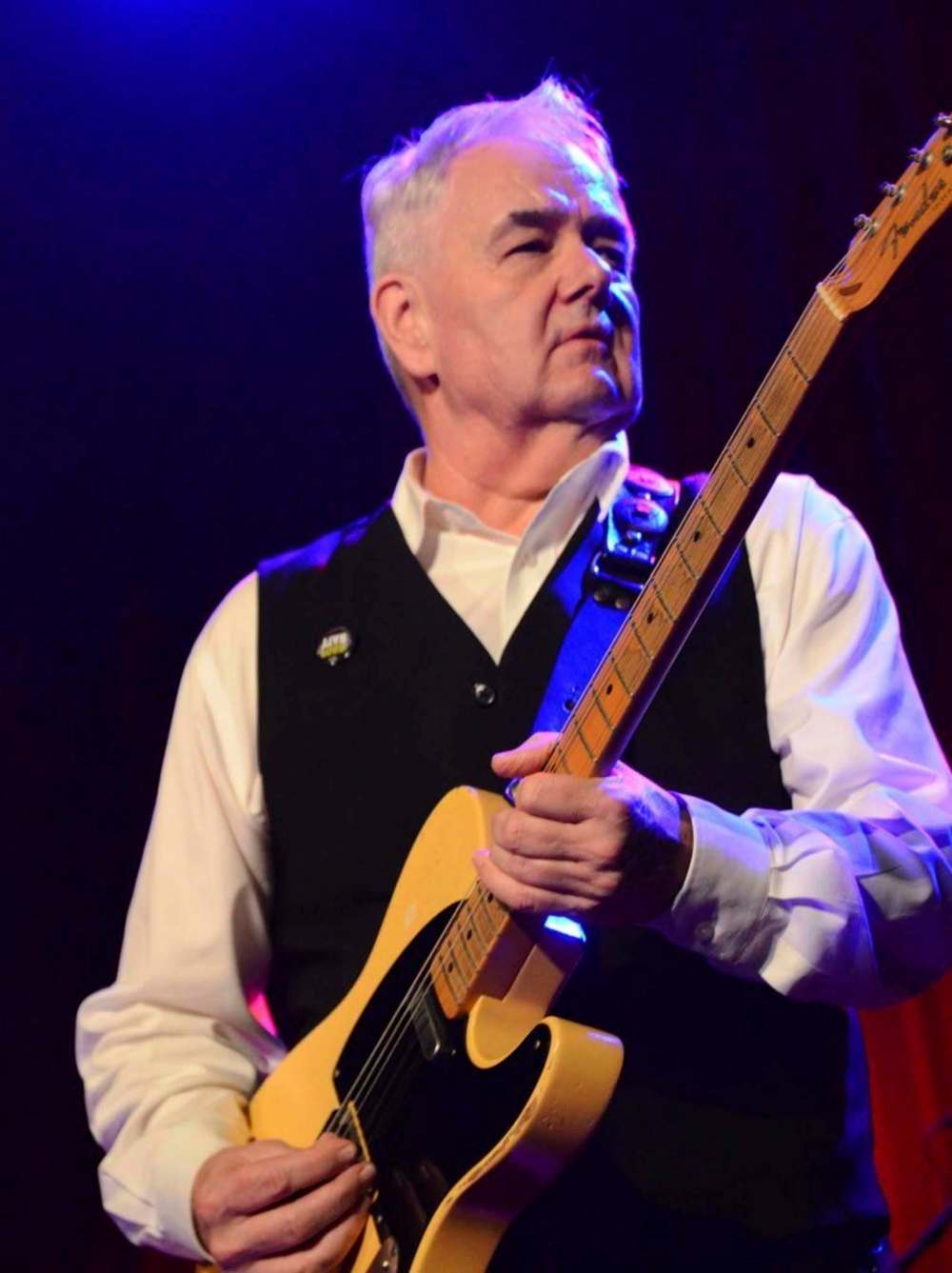
In 1982, he moved to Vancouver, where he carved out a career as a guitarist-for-hire. His band the Bobcats — featuring another former Winnipegger, Danny Casavant, and for a long time drummer Harvey Kostenchuk — held down a regular gig playing the oldies for packed houses on weekends at the Dover Arms pub. Despite his absence from our scene, White is fondly remembered here not just for his talented playing and singing but for his friendly demeanour and gregarious personality.
“I was honoured to have been able to play with Bob for so many years,” says Casavant, who worked with White in several bands. “His career was a long and interesting one that took him outside Winnipeg. He was like a brother to me, and I learned a great deal from him.”
White was in Justin Tyme’s lineup when the group performed at the legendary ManPop 70 rock festival at the old Winnipeg Stadium.
“Bob was one of the finest guitar players I had the opportunity to play with,” says Justin Tyme drummer Jim Maxwell. “I was in heaven listening to Bob and Terry Loeb play twin guitar harmony lines together. Bob was a little shy when he first joined us, but it didn’t take long for his personality to show through and his kindness, sense of humour and true talent to shine. I feel lucky to have had the opportunity to see the beginnings of what Bob would become in later life.”
I, too, had the pleasure of playing alongside White on several occasions when he and I would share guitar duties at Fabulous George & the Zodiacs reunion shows in Winnipeg. Singer Don Jordan (a.k.a. Fab George) would bring White along with him from Vancouver knowing White, not an original Zodiac, could steer the sometimes raucous band on the right course. White was the consummate professional yet always made it fun.
White’s passing made me think of those musicians I crossed paths with over the years who have since left us. While some continued to make music their livelihood — becoming, as one friend described, “foot soldiers in the music game” — others left the game altogether. Their passing may have gone largely unnoticed by many. Nonetheless, these musicians contributed to the vibrant music culture of our city and province and are thus worthy of noting. Below are a few of these fallen comrades.
● ● ●
Back in the 1960s, bass player Tony Yakimovich (a.k.a. Marriott) was a familiar face on the local music scene, first with the Cordels, later with Friday the 13th.
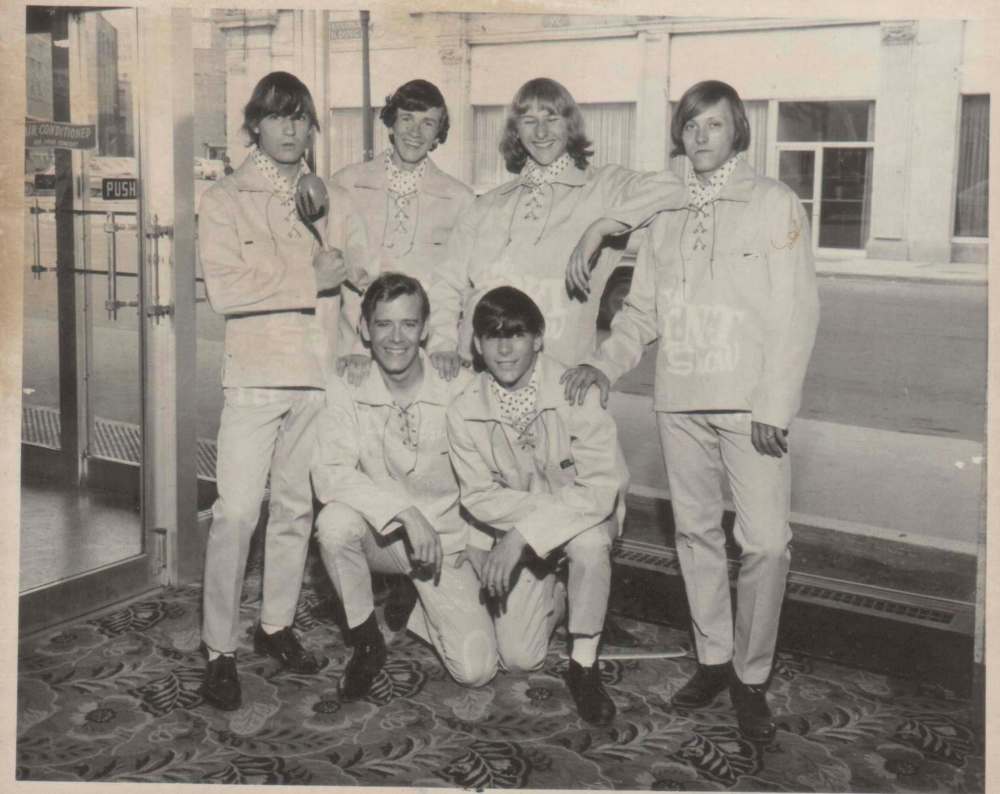
He had already achieved renown for lasting the longest on a local ferris wheel and for boasting the longest hair in town (his mother used to call him Antonia). With his big red Guild bass and cherubic face, Yakimovich attracted attention onstage. I first saw him playing with Friday the 13th when they backed singer Lucille Emond, circa 1968, at a Tee*Kays promotional event.
“He was not really outgoing,” says Candice Stearns (née Hatskin), who dated Yakimovich when she and friend Susan Flett ran a Cordels fan club. “He had a shy smile and was very serious about his music. He would also hang out with friends at the Paddlewheel at the Bay.” Adds Susan, “Tony would engage the audience and loved playing. He was one of the nicest young men I ever met.”
After a spell in a Ukrainian dance band and working as a radio DJ in Regina under the name Tony Carman, Yakimovich became an air traffic controller, working alongside another local celebrity bass player, the Mongrels’ Garth Nosworthy. He continued to play bass, switching to an upright bass to gig around town with various jazz players including Keith House in the group 2Blue. A jack of all trades, Yakimovich operated an instrument repair shop out of his house. I had the pleasure of getting to know him in more recent years and jammed with him at the Norwood Hotel one evening. Yakimovich died on Sept. 18, 2015.
● ● ●
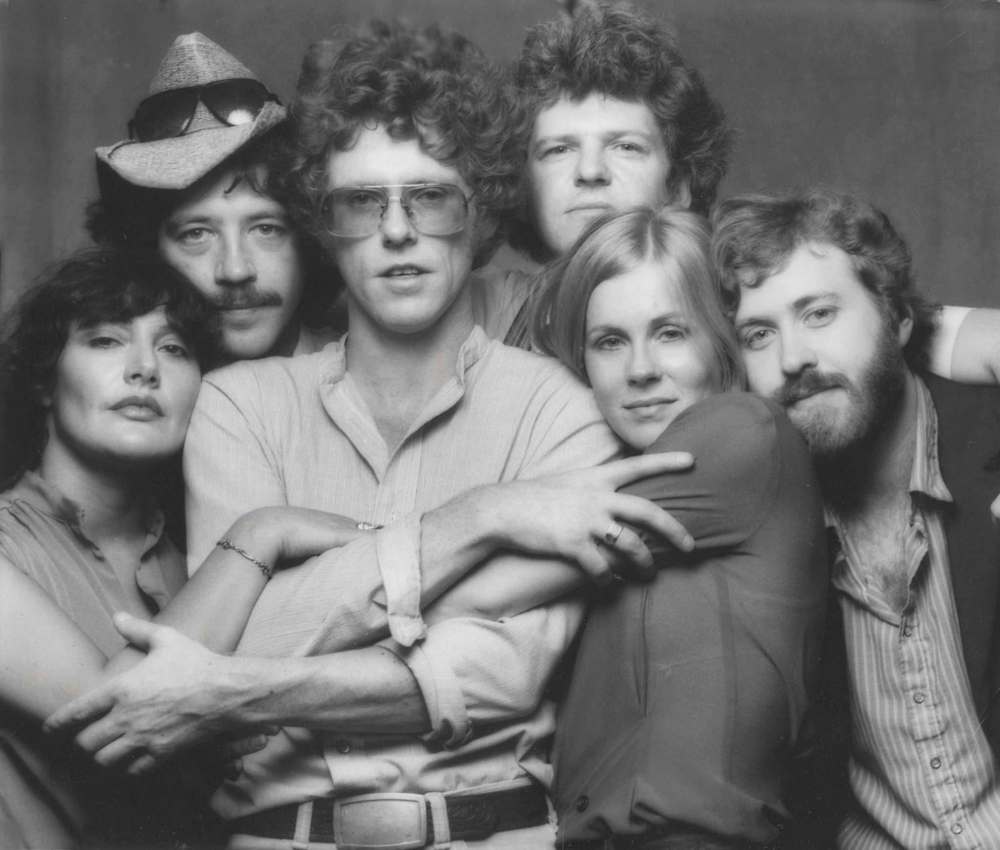
Without doubt, one of the most unassuming, easygoing musicians on the local scene was Gary Stefaniuk.
A Transcona native, he joined the Musical Odyssey on bass in 1969, staying until spring of 1970. In that time, he made friendships that lasted a lifetime.
“When Gary joined the Musical Odyssey, it was clear that he was a supportive person for the group, musically and personally,” says bandmate Paul Newsome. “He had a warm personality, and when I re-connected with him in recent years, it was as if not much had changed between us other than the passage of time.”
In later years, Stefaniuk often played alongside former Musical Odyssey drummer Gord Osland. He served his time in several local groups before being plucked from obscurity and thrust into the spotlight with highly respected rockers Scrubbaloe Caine, replacing ex-Guess Who member Jim Kale. Scrubbaloe Caine was pegged for big things but never managed to achieve the expectations posited on them. Stefaniuk returned to Winnipeg, ultimately joining forces with Graham Shaw and the Sincere Serenaders, which included Osland. “We were together for six years and had a huge following because the music, and the players were so good,” says Serenaders singer Ilena Zaramba. “Beyond the music, we were good friends, too. Our camaraderie was like a family.”
The six-piece group played the local pub scene before travelling to Los Angeles to record their debut album, yielding the Canadian hit single Can I Come Near. The band broke up in the early ’80s, and Stefaniuk took a job at Health Sciences Centre while continuing to gig on the side. I last talked to him at a celebration of the life of friend and colleague, musician Bill Merritt.
“There was no pretense or ego stuff with Gary,” says Serenaders guitarist Casavant, “despite being one of the greatest true musicians I have ever known. He always had great tone, time and musical taste.”
Shaw’s nickname for Stefaniuk was Boyo. “When Boyo and Osland were playing in the pocket, life became better,” says Shaw, on the two musicians locking into the groove. “By example and insistence, he taught me how to be a better person. We loved each other more than words could ever say.”
When the band reconvened for a gig at Club Regent Casino last year, Shaw paid tribute to his former bandmate and buddy, who passed away in July 2015 from pancreatic cancer.
“I know he’ll be watching us from above,” he said at the time.
“Gary did not like to let people know that he was suffering from cancer,” says Newsome. “I still miss the guy.”
● ● ●
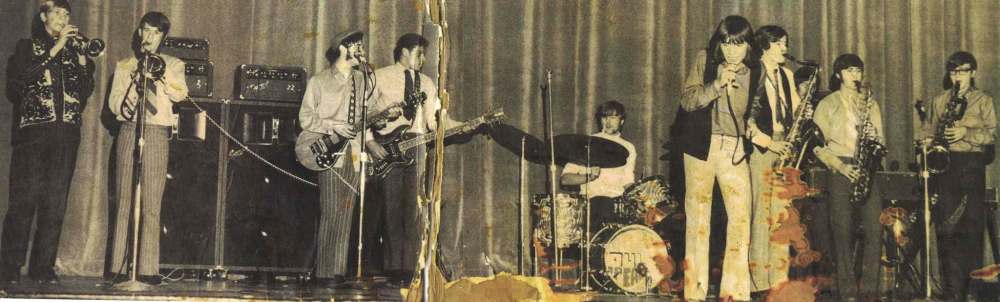
Larry Laker was fortunate to find a lifelong vocation from his passion for music. The guitarist and singer formed his first bands at Elmwood High School with classmate Ernie Kull.
“A month into the school year, a real skinny kid with poker-straight hair came into our class on a transfer from the West End,” recalls Kull. “I was watching him drawing pictures of guitars in class and had to find out who he was. The guy was Larry Laker, and we joined an R&B group of guys from school call the United Soul Appeal.”
Boasting a full horn section, the band was a popular attraction on the local dance circuit and even opened up for the Guess Who at the old Civic Auditorium. After high school, Laker took a job at Garnet amplifiers working for Gar Gillies upholstering Garnet amps. He later worked as a salesman at Major Minor music store while playing gigs with a variety of bands. He and friend Tom Dunlop formed a duo, the Other Brothers, playing a lengthy stint on weekends at the Cathay House.
“Larry never did anything other than work in the music business,” says Glenn MacRae, former manager of Long & McQuade musical instruments in Winnipeg.
“He was doing what he loved. I kept hearing about his success at Major Minor, so in 1992, when he applied for a job at Long & McQuade after Major Minor shut down, I grabbed him in a heartbeat. He was a very valued employee. Larry was known and respected in the business because he liked helping people. He was always on the leading edge of musical instrument technology. He was one of the first guys to master the guitar synthesizer and kept abreast of all the new gear.”
When it came to instrument needs, Laker was my go-to guy at Long & McQuade. He was always a friendly, welcoming face at the store. I invited him to host a guitar workshop at St. John’s Ravenscourt school when I was running a rock music program there, and the students loved him. Laker was diagnosed with prostate cancer a few years ago but kept working as long as he could. He died in April 2015. His funeral service was filled to standing-room only by local musicians.
● ● ●
In 1972, St. Vital-raised singer Suzanne Morier had the unenviable task of replacing powerhouse vocalist Aileen Murphy, the last remaining of the three Murphy sisters, in popular band Spice (formerly Sugar ‘n’ Spice).
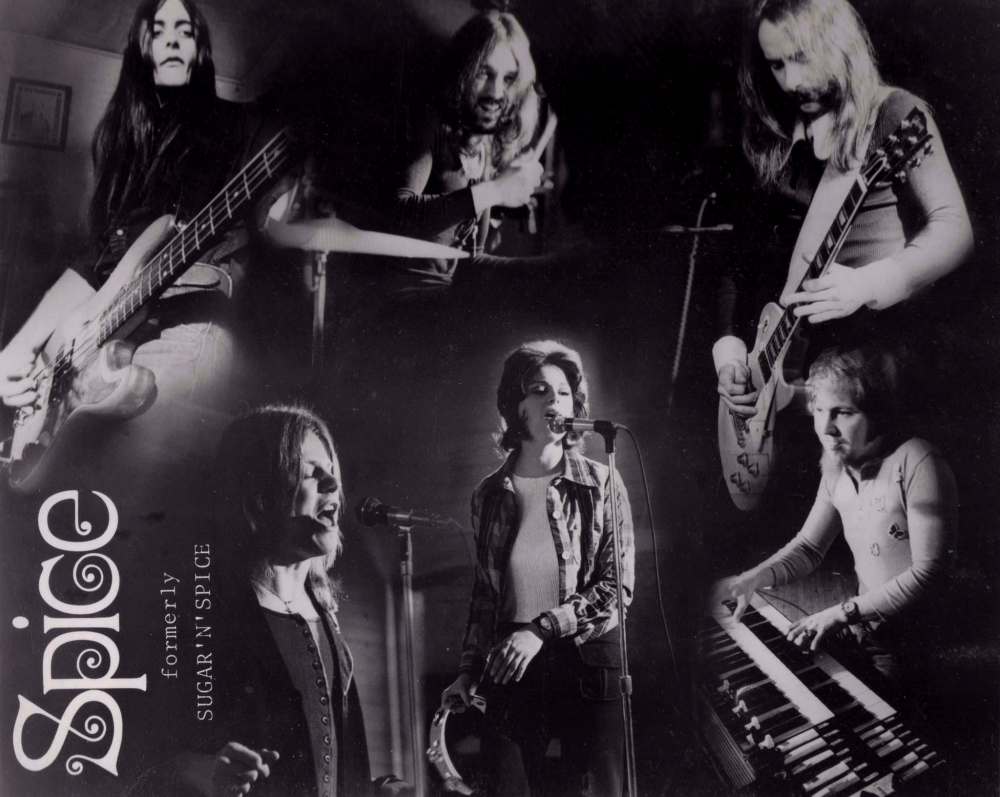
Morier made a name for herself as a versatile singer in a few lesser-known local bands, including Live Lobster, before making the leap to the big time.
“It was tough to replace Aileen,” recalls organist Chuck Gorling, “But we had gigs happening quickly, so we were lucky to find Suzanne. She was a very sweet and kind person who did her best to contribute to the group.”
Unfortunately, her tenure was short-lived. Within months, she was gone from the group. I had seen Morier with Spice at Get Together ’72 on Portage Avenue and was impressed enough to look her up to put a band together. Joined by Leonard (Lewsh) Shaw, Ron Savoie and John Nekrup, we became Cottonmouth. We played a few pubs and clubs in and around Winnipeg before folding in early 1973. Morier and I dated during the band’s tenure, and when Cottonmouth folded, so did we. I saw her a couple of times working at a Payfair Foods store on St. Mary’s Road but lost touch after that.
It would be decades before I found out what became of Morier. After noticing a memoriam in the Free Press, I connected with her sister Jan, who filled in the blanks. After moving to Ontario, an abusive relationship coupled with substance abuse ultimately ended her life in 2000. What is even sadder is she had stopped singing. She had talent and ability and loved to sing.
● ● ●
I met Ron Oswald in early 1969, when fellow Grant Park student Dave Frederickson invited me to audition for his band, the Pawnbrokers.
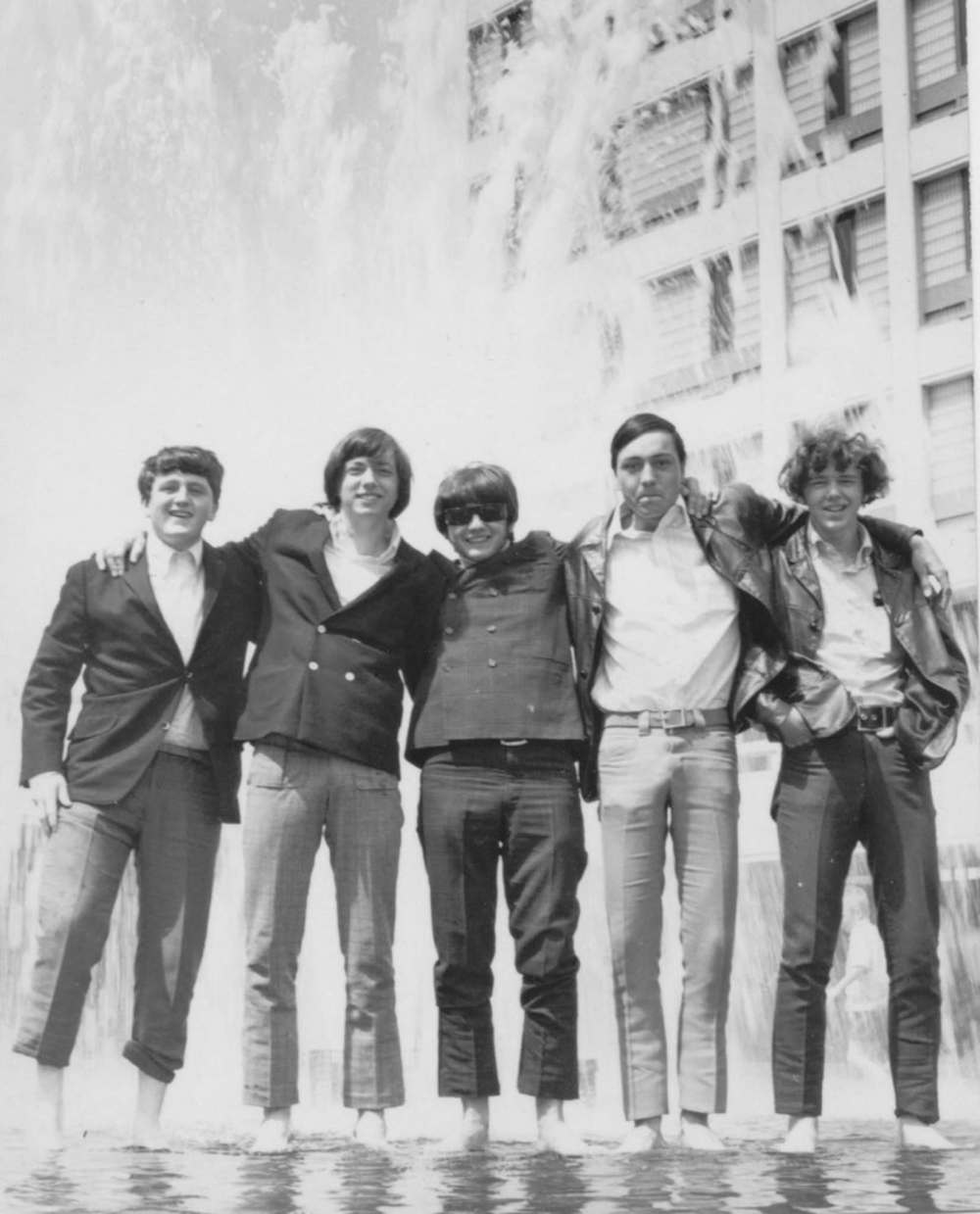
Frederickson played organ and was the only southender in the group; the other guys were from St. John’s, Sisler and Tech Voc high schools. Oswald attended the latter. He was the friendliest member of the group, and because we both played guitar, me on lead and Oswald on rhythm, we connected. The Pawnbrokers had been a Top 40 dance band playing the hits of the day but, spurred on by Oswald, were seeking to move to a heavier rock sound, and because I was a Hendrix and Cream acolyte, they recruited me. Soon after, we changed the band name to the Solar Rift Orchestra (SRO). We rehearsed at bass player Bill Choma’s parents’ warehouse in the Inkster industrial area. Oswald loved making music and was the driving force within the group, dealing with our manager and booking agent, keeping track of gigs, and organizing when and where we would meet.
“Ron had a laid-back attitude towards life,” says Pawnbrokers original bass player Jim Lavallee, who first met Ron at Isaac Newton School. “I never saw him flustered. He was a really good listener and communicator.”
Jim found it a bit incongruous Oswald had the longest hair yet his father was a barber.
Besides high school sock hops, the SRO played several “hippie” venues, including Sunday nights at the Elks Hall on Osborne Street. As well, we were hired to play fashion shows at Eaton’s downtown store and at Polo Park. We were managed by Quasimodo Agency, whose roster included the Guess Who and Wild Rice. We even auditioned unsuccessfully for an executive from RCA records.
When I left the SRO in the fall of 1969 to play electric blues with Pig Iron, Oswald was especially disappointed I was abandoning ship. I lost track of Oswald, running into him only once at Opus 69 as we contemplated album purchases. I never saw him again. When I read his obituary after his passing in October 2007, I was pleased to learn he continued to enjoy his eclectic tastes in music, amassing a large CD collection while working as a fraud investigator for the provincial government’s auditor general. He was also a longtime Winnipeg Folk Festival volunteer and recipient of its Stained Glass Banjo Award for dedicated service. Oswald’s prized red Gibson SG guitar went to his daughter Gillian who, like her dad, is a musician.
● ● ●
Bob (Moose) Jackson was a veteran on the local music scene. Born and raised south of Brandon, he came to Winnipeg in the 1950s, first playing guitar in dance bands before establishing himself as an in-demand bass player.
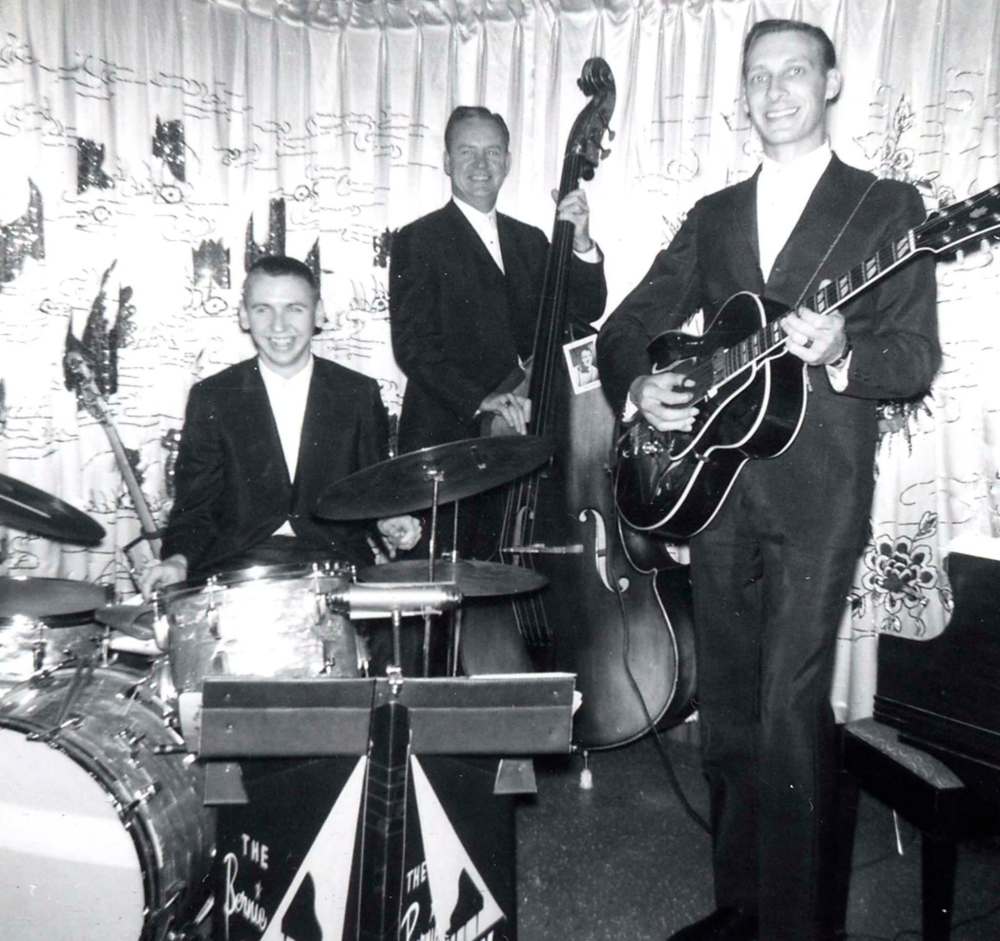
In a career spanning more than 60 years, Jackson worked with a who’s-who of players, both local and international, and was a familiar face in jazz circles. For some two decades, he appeared at the weekend jazz sessions at the Pembina Hotel with George Reznik and later reunited with him at the Fort Garry Hotel’s Palm Room after Jose Poneira passed away. Jackson was a longtime member of the local musicians union, serving on its executive and working to improve conditions for musicians.
“I started work with Moose in 1960 at Chan’s Moon Room Cabaret on Main Street with the Bernie Shaw Trio,” recalls drummer Owen Clark, author of Musical Ghosts. “We were six nights a week until 1966. He was the consummate musician and could read, fake and very importantly, he knew a million tunes or could figure them out on the spot. He was the perfect sideman, playing the tunes, encouraging everyone and having a great time. Moose loved to play, and he did every chance he got, paid or not. His wit is legendary among those who knew him.”
Clark noted Jackson’s generosity and kindness. “I remember a band, stranded and broke coming into Chan’s to offer their drums in exchange for some cash. Moose gave them money and didn’t take the drums. He just told them, ‘I’ll see you down the road.’”
I interviewed Jackson a few years back for a story on his time playing U.S. army bases in southeast Asia backing Fern Rondeau at the height of the Vietnam War. Jackson died on Jan. 31, 2017 at the age of 84.
● ● ●
I came to know of guitarist Charles Nabess much later in his career. Hailing from Thicket Portage near The Pas, Nabess, who was Métis, began playing guitar in various northern bands, including the Venturas, the Essentials and Three Hairs & a Hat, which then transformed into the Fallen Angels.
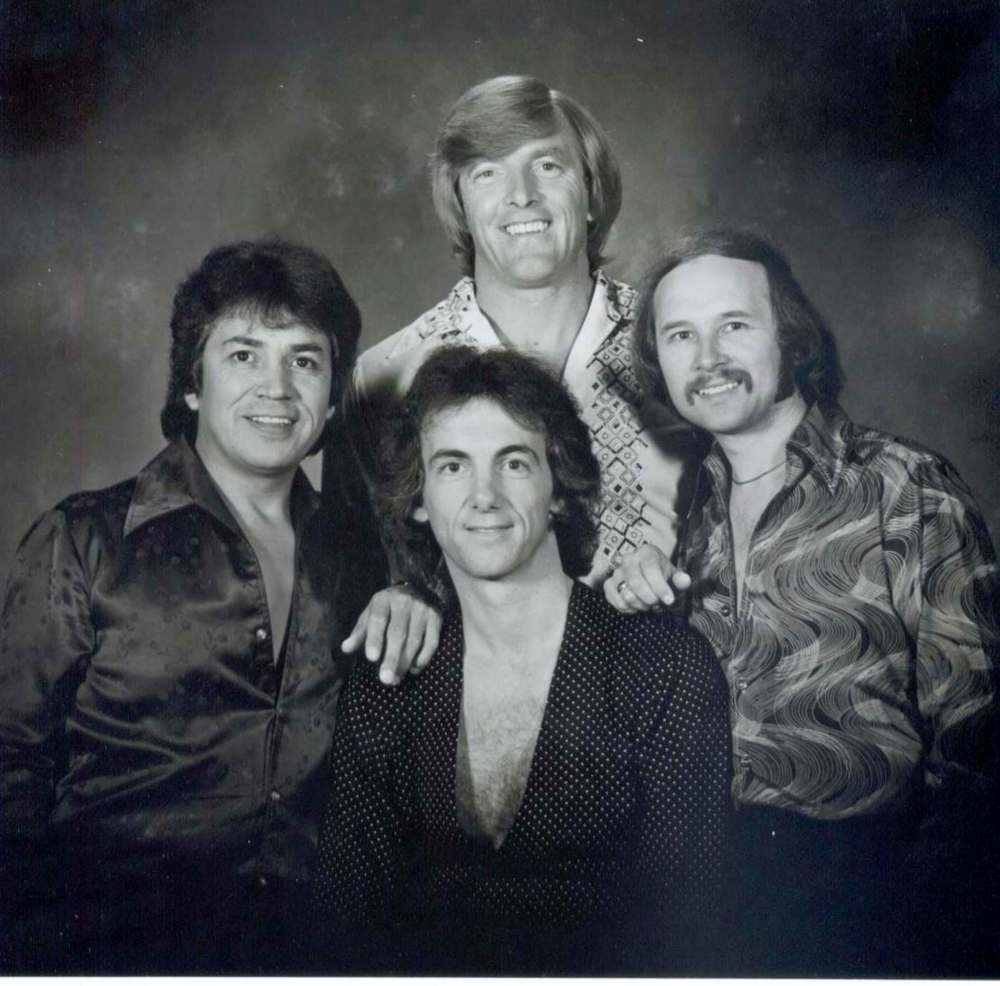
“Charles was the teacher and patient instructor of all the nuances of early rock ‘n’ roll in our town,” says Norm Richards, a drummer, northern Manitoba music historian and author of Greening of a North Boy, who played on occasion with Nabess. “As far as I’m concerned, we may have never had a rock band emerge from our community if it wasn’t for Charles Nabess.”
Nabess, his brother Donny, and Larry Haynes moved to Winnipeg, where they formed the Midnight Angels, releasing a single on Toronto’s Apex Records. Ultimately, the Midnight Angels became Three Penny Opera and over the next two decades appeared across North America and Europe, including stints in Las Vegas and on cruise ships. Sherman Murphy and Jimmy Grabowski later joined the band. Nabess’s ethnicity was concealed.
“He would be introduced as the band’s Spanish guitarist,” says NCI radio’s Dave McLeod, an indigenous music historian. “Management frowned on having a native person in the band, and yet he was the leader of the band. He had to hide behind a different identity.”
Nonetheless, Nabess became a role model. “He was a mentor for other aboriginal musicians,” says McLeod. “And in a quiet way, Charles was making a difference by showing that an aboriginal person could do this, play in a successful band and travel the world.”
Nabess died of cancer in May 2014.
● ● ●
I knew of Wesley Doll from the songwriting credit on Never Leave Me Never, local band the Love Cyrcle’s lone single on Franklin Records. We met several years later.
Although his music career was brief, Doll left us with that memorable recording orchestrated by Dave Shaw and produced by Bob Burns. In his early teens, guitarist Doll formed the Mourning Missed with Sisler High schoolmates.
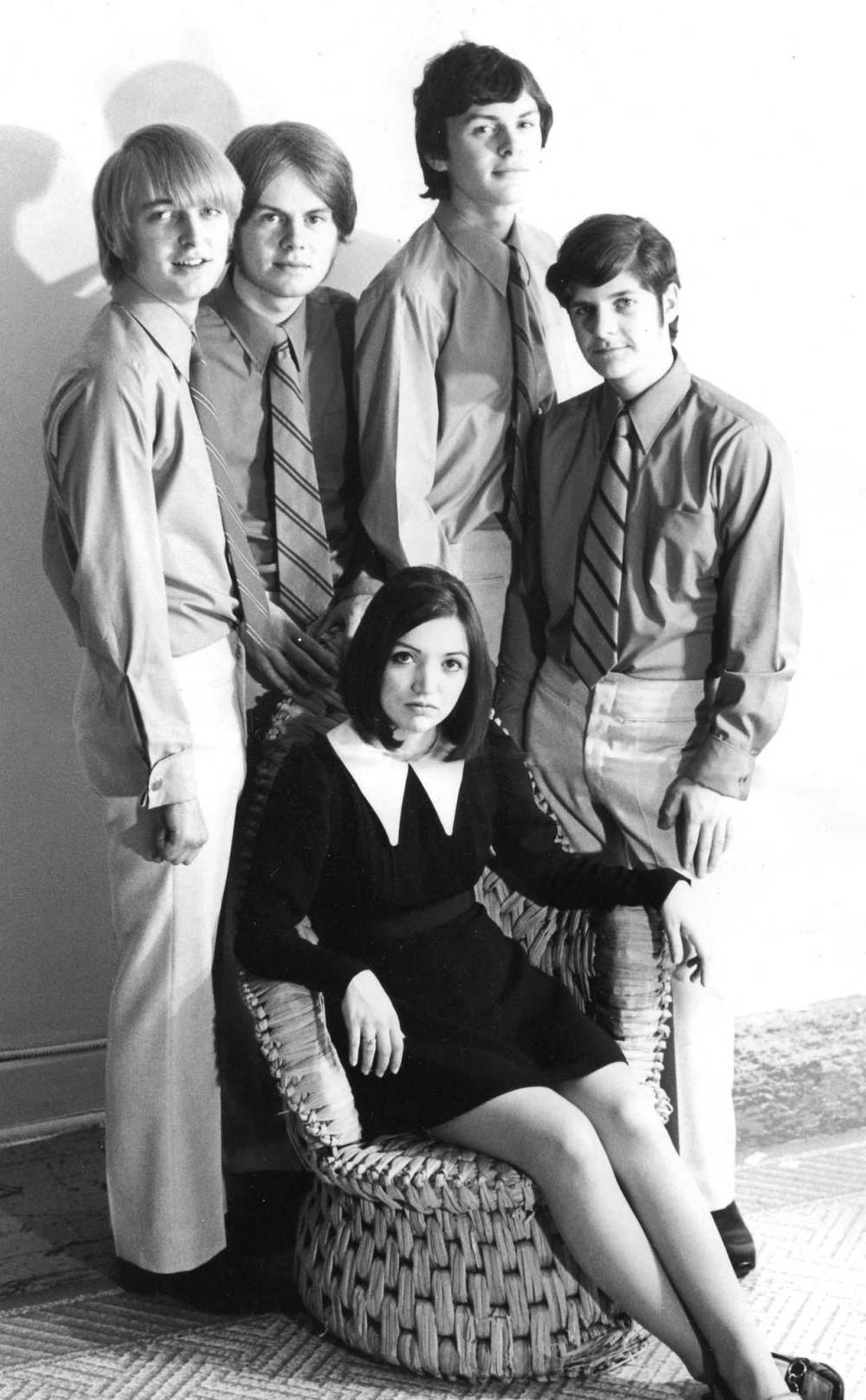
“We thought we were pretty bold, letting our hair grow to our shoulders,” recalls band member Gerry Gacek. “We would drive our Volkswagen van all day around town, pretending we were going to play some big concerts somewhere. We would often go on the road to play various Manitoba towns, and the school would let us leave at noon. That was pretty cool. We even played our own high school graduation dance on the River Rouge. Fun times.”
Gacek later penned the poignant song Precious Memories about those youthful times.
Doll and Gacek briefly backed female group the Suffragettes, where Doll met keyboard player Jaclyn (Jackie) Richards. The two went on to join the Love Cyrcle and married in 1969. In that band, Doll discovered his songwriting ability.
“His lyrics were outstanding and extremely deep,” recalls Jaclyn Doll. “He continued to write poetry and songs until his death in 2013. He was one of those rare people who looked at the world differently, never accepting things as they were, always looking for a better way.”
Doll left the band to focus on raising his children, Quentin and Krista. He worked at corrugated container company MacMillan-Bloedel in Winnipeg for 37 years, rising to manager, developing and patenting new processes and products. But he continued writing songs.
“He knew at a very young age that if you were going to make it in the music industry, you’d better be writing your own stuff,” says son Quentin, a musician himself.
“He commented to me a few times over the years that the world wasn’t looking for another cover band.”
In 2009, Doll was delighted to participate in a Love Cyrcle reunion at the Winnipeg Convention Centre, marking the release of the double CD The Best of Franklin Records, which included the band’s two recordings. He died as a result of pulmonary fibrosis in July 2013.
John Einarson writes about Manitoba’s music history. Sign up for his unique Magical Musical History tours of Winnipeg at heartlandtravel.ca.
History
Updated on Sunday, March 5, 2017 11:27 AM CST: Fixed name of organ player to Frederickson
Updated on Monday, March 6, 2017 10:32 AM CST: Corrects year of Tony Yakimovich's death
Updated on Monday, April 24, 2017 10:30 AM CDT: Changes reference to ferris wheel.