

Tantalizing and toxic
Real, potentially life-threatening danger could be lurking in your 'drop-dead gorgeous' yard
Advertisement
Read this article for free:
or
Already have an account? Log in here »
To continue reading, please subscribe:
Monthly Digital Subscription
$1 per week for 24 weeks*
- Enjoy unlimited reading on winnipegfreepress.com
- Read the E-Edition, our digital replica newspaper
- Access News Break, our award-winning app
- Play interactive puzzles
*Billed as $4.00 plus GST every four weeks. After 24 weeks, price increases to the regular rate of $19.95 plus GST every four weeks. Offer available to new and qualified returning subscribers only. Cancel any time.
Monthly Digital Subscription
$4.99/week*
- Enjoy unlimited reading on winnipegfreepress.com
- Read the E-Edition, our digital replica newspaper
- Access News Break, our award-winning app
- Play interactive puzzles
*Billed as $19.95 plus GST every four weeks. Cancel any time.
To continue reading, please subscribe:
Add Free Press access to your Brandon Sun subscription for only an additional
$1 for the first 4 weeks*
- Enjoy unlimited reading on winnipegfreepress.com
- Read the E-Edition, our digital replica newspaper
- Access News Break, our award-winning app
- Play interactive puzzles
*Your next Brandon Sun subscription payment will increase by $1.00 and you will be charged $17.95 plus GST for four weeks. After four weeks, your payment will increase to $24.95 plus GST every four weeks.
Read unlimited articles for free today:
or
Already have an account? Log in here »
Hey there, time traveller!
This article was published 31/07/2017 (3207 days ago), so information in it may no longer be current.
Your garden is a sanctuary of beautiful flowers and quiet contemplation.
But it’s also potentially full of danger.
“When it comes right down to it, we all have poison gardens,” says Colleen Zacharias, co-chair of the Manitoba Master Gardener Association and the Free Press’s gardening columnist.
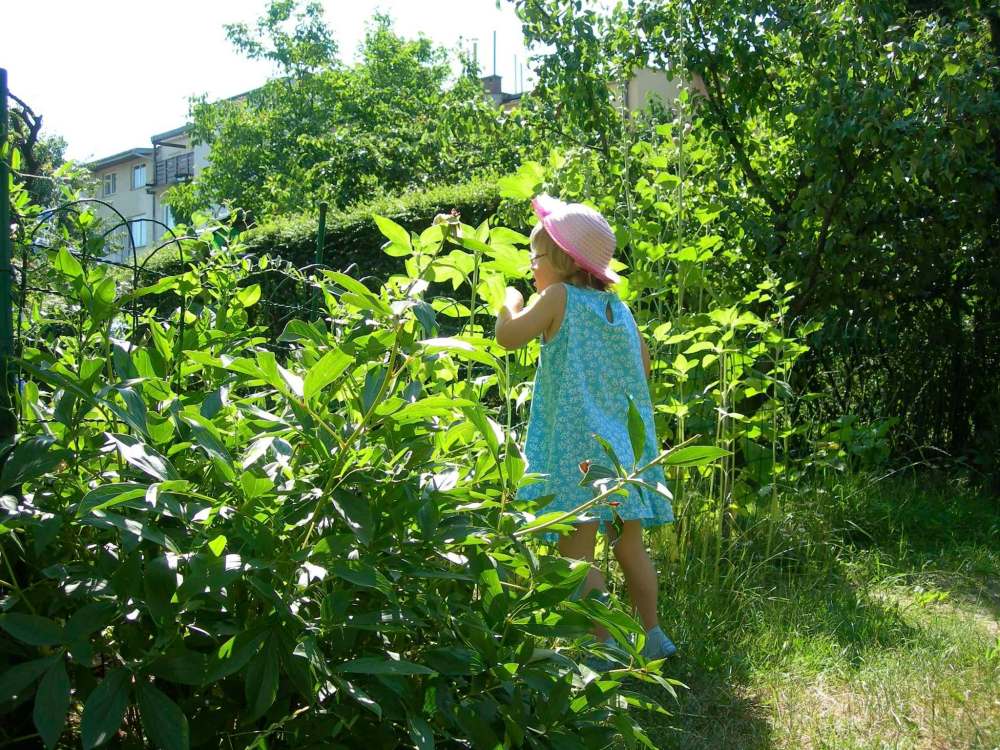
All those gorgeous blooms and fulsome foliage can cause serious illness and even death when ingested.
While most adults and children are unlikely to chow down on plants such as monkshood (a very poisonous tall plant with bright purple-blue flowers), the same can’t be said about children under the age of five.
Little ones are the most at risk for accidental poisoning — whether it’s a plant in your garden or cleaning supplies in the home.
But the risk is highest for plant poisonings when gardens are teeming with life.
“Kids up to five years old get into things throughout the year, but they tend to be more at risk at times when your normal daily routine is disturbed — like summer vacation — when they are home from school or out of daycare,” says Heather Hudson, a nurse and clinical leader with Manitoba Poison Centre, a 24-hour, call-in centre based out of the Hospital for Sick Children in Toronto.
While over-the-counter medications such as acetaminophen and cleaning products — candy-coloured laundry-soap pods are a frequent offender — top the list of calls the centre receives from frantic parents, there’s a significant increase in plant and mushroom poisonings that begins in late spring and continues though the summer and fall.
Hudson’s main message is keep an eye on little children when they’re playing outside. It’s also important to be able to identify flowers and plants in your yard.
“That way if something was to happen and you find little Johnny coming to you with a handful of berries he’s been munching on, you know what they are,” she says. “Then if you call the poison centre, we can more easily provide the right guidance.”
Most of the time the crisis ends when the phone call does.
“A big part of what we do here is preventing unnecessary visits (to hospital ERs),” she says. “Often we just provide some reassurance that it’s going to be OK.”
While there are cases that require medical attention, there aren’t many tragedies.
“Generally, with supportive care, and if we identify it early, we can manage most poisonings,” says Children’s Hospital emergency medical director Dr. Scott Sawyer.
Moreover, while many plants are listed as “toxic,” ingesting a leaf or a flower is generally not life-threatening. Many are mildly toxic, causing irritation to the skin or stomach, he says, adding there are some that are very poisonous.
The same can be said about toadstools. Local mushroom expert Tom Nagy says most fungi commonly found in your yard are benign or on the mild end of the toxicity spectrum.
“In fact, there are very few lethally poisonous fungi,” says Nagy, who writes about foraging on his blog Barefoot Foods.
“If you were to accidentally ingest a mushroom, you’re likely to survive. And if it is a poisonous species, it will likely be uncomfortable, for the most part, with gastrointestinal distress.”
Still some fungi are as deadly as their common names suggest: destroying angel and death cap. And both are found in Manitoba, Nagy says.
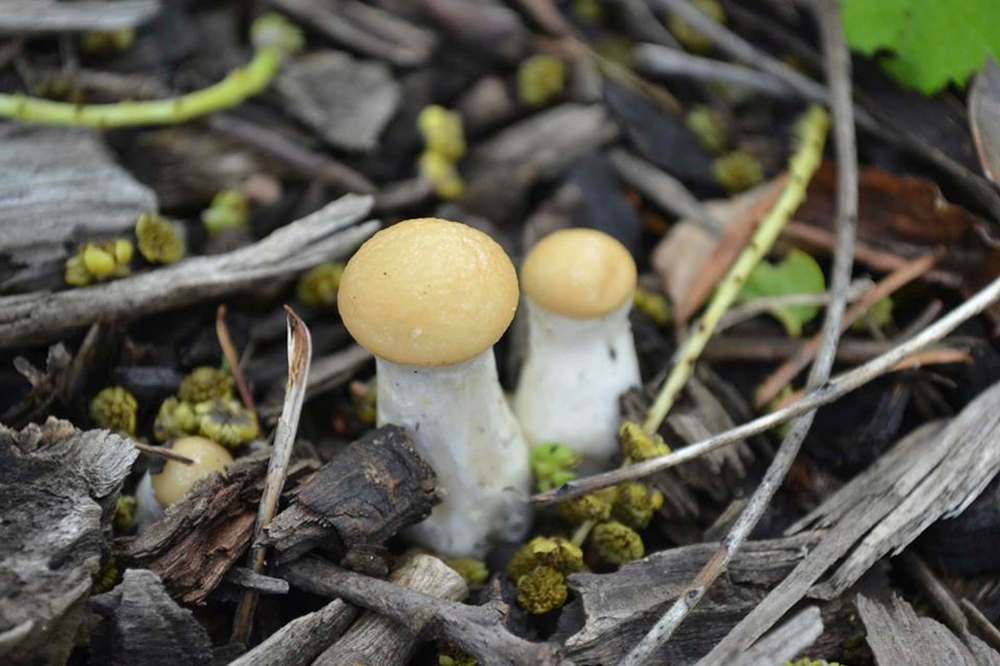
But they grow mostly in evergreen forests, he adds. “They are generally not urbanite in the sense that they require intact, minimally disturbed environments in order to grow.”
Although it’s unlikely you’ll find them in your yard, it’s better to be safe than sorry. Call the poison centre immediately if you believe your child has eaten a mushroom picked from the lawn. Even if your child doesn’t feel sick, early care is critical because lethal mushrooms’ poison often causes damage to vital organs slowly over days, he says.
“Those who have been lucky enough to survive an amanita poisoning (genus of fungi that includes the death cap and destroying angel) report feeling better after that initial rejection by the body,” Nagy says. “They then experience additional symptoms 12 hours later, sometimes a few days later, and by that time, it’s often too late.”
And “too late” can mean kidney or liver transplants in order to survive, he says.
The best treatment is an ounce of prevention. And educating children is the key part of the equation. That said; it’s difficult to teach very young children that they shouldn’t put things they find in the garden or yard in their mouths.
Supervision is essential, Hudson says, adding outdoor life with kids can be far less stressful if parents ensure they choose only non-toxic plants.
And the first and most important lesson for older ones should be they eat plants and fruits given to them by mom and dad, Zacharias says.
“It’s also a really good idea to create an area of edibles where you haven’t used any chemicals” for them to explore.

And if a little one’s curiosity does lead to the ingestion of something potentially toxic, don’t delay seeking help from the Manitoba Poison Centre.
“If they look really sick — difficulty breathing or changing colour — call 911,” Sawyer says.
Even if your child seems OK, you should still call the poison centre.
“Many times the treatments we recommend are very time sensitive,” Hudson says. “So we don’t want someone to stew over whether they should or not.”
joel.schles@gmail.com