

Against all odds
Father and son's survival of Nazi concentration camps an improbable tale of resilience
Advertisement
Read this article for free:
or
Already have an account? Log in here »
To continue reading, please subscribe:
Digital Subscription
One year of digital access for only $1.44 a week*
- Enjoy unlimited reading on winnipegfreepress.com
- Read the E-Edition, our digital replica newspaper
- Access News Break, our award-winning app
- Play interactive puzzles
*Billed as $5.77 plus GST every four weeks. After 52 weeks, price increases to the regular rate of $19.95 plus GST every four weeks. Offer available to new and qualified returning subscribers only. Cancel any time.
To continue reading, please subscribe:
Add Free Press access to your Brandon Sun subscription for only an additional
$1 for the first 4 weeks*
- Enjoy unlimited reading on winnipegfreepress.com
- Read the E-Edition, our digital replica newspaper
- Access News Break, our award-winning app
- Play interactive puzzles
*Your next Brandon Sun subscription payment will increase by $1.00 and you will be charged $17.95 plus GST for four weeks. After four weeks, your payment will increase to $24.95 plus GST every four weeks.
Read unlimited articles for free today:
or
Already have an account? Log in here »
Hey there, time traveller!
This article was published 13/06/2020 (2185 days ago), so information in it may no longer be current.
This is the remarkable story of two Jews and their nightmarish life, forever living for five years on the edge of a scream.
Book review
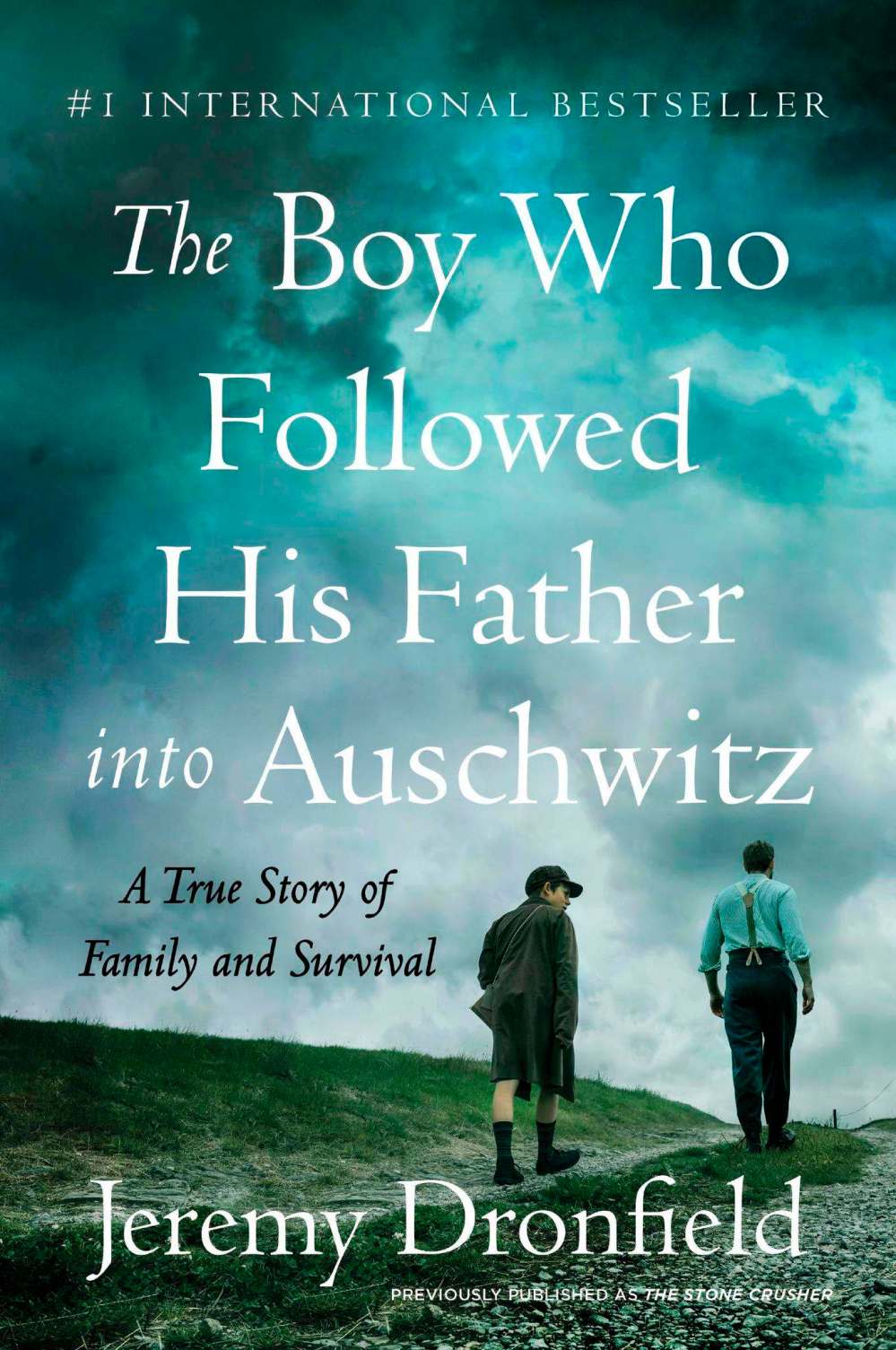
The Boy who Followed his Father into Auschwitz:
A True Story of Family and Survival
By Jeremy Dronfield
HarperCollins, 464 pages, $22
Jeremy Dronfield’s writing is so good that no sooner do you digest one chapter than you’re hungry for the next.
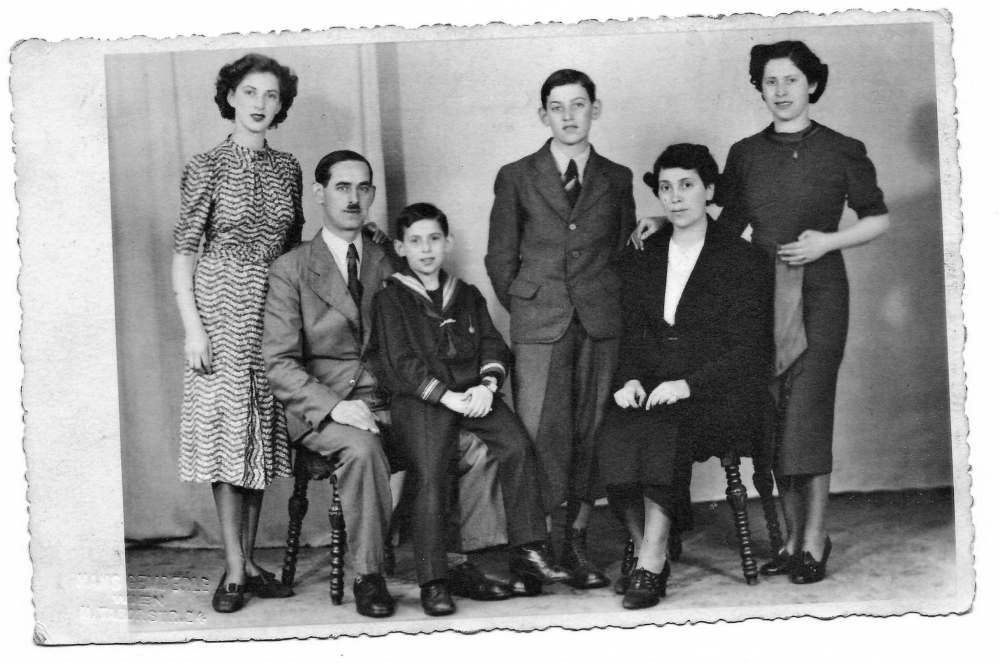
This book tells with ardour the true story of a father and son who survive the barbed-wire horror of Nazi quarries, tunnels, work camps and death camps for a terrifying six years — without, astonishingly, losing their appetite for life.
Even more inspiring, they find that being the helpless recipients of the vile in others — the hate, the savagery, the slaughter, the contempt, the hopelessness, the beatings, the torture, the filth they endure — germinates in both of them the best of human conduct and character.
The Boy who Followed his Father into Auschwitz is Dronfield’s 10th book. He is both a historian and novelist, and formerly an archaeologist, who lives in England.
The book is about Gustav Kleinmann, an upholster in Austria’s Vienna, and his son, Fritz. They are condemned Jews.
Dronfield’s documentation of the Nazi hell these two went through during the Second World War suggests that the boy’s and his father’s helplessness — death at any moment, for any reason, including no reason at all — may have encouraged them not only to overcome these brutalities but end up ennobled by them.
There were other factors. The two had a very strong desire to protect each other. This could have been because of an incentive built into some people who are closely related, and may be part of why they lived when so many prisoners around them died. Who knows — maybe luck also had something to do with it.
Regardless, if you don’t choke up reading the wholesale evil Dronfield so eloquently describes, and don’t marvel at Gustav’s and Fritz’s victory over it, you may not be human.
Gustav and Fritz spent a lot of their war in places that today represent the zenith of horror and pain — the concentration camps of Buchenwald in Germany and Auschwitz in southern Poland, morbid places that killed millions of all kinds of people to feed an absurd Nazi ideology of racial superiority and Aryan purity.
Prisoners were murdered either individually, as aberrant amusement for their keepers, or en masse with the same indifference used to squish bugs.
Dronfield recounts that to Gustav’s and Fritz’s surprise on arrival at Buchenwald in 1940, only one-fifth of the prison population was Jewish. The rest were criminals, priests, homosexuals; the largest group of prisoners were communists and socialists.
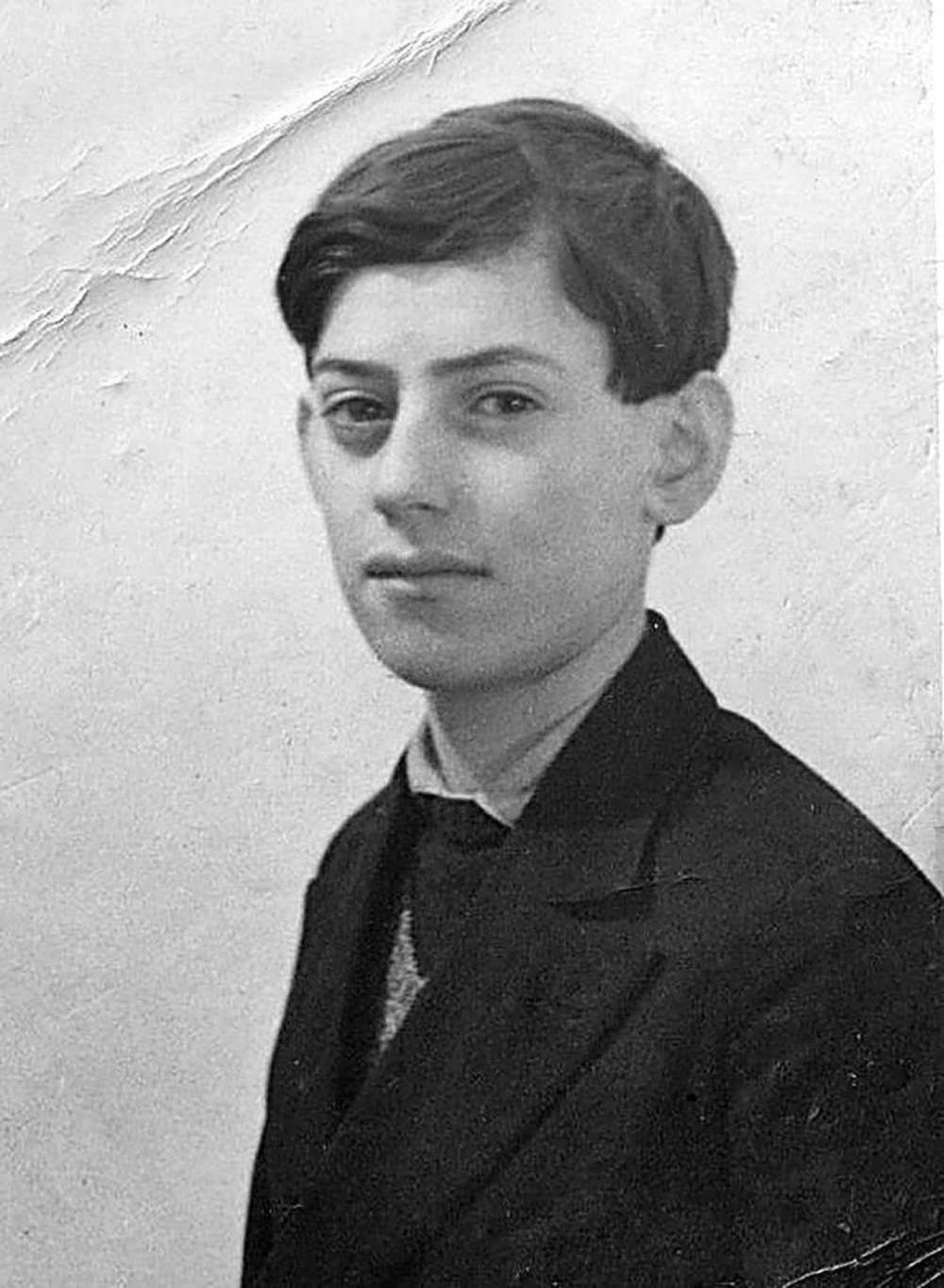
When Gustav was being moved from Buchenwald to Auschwitz, Fritz asked that he be sent there too. The enormity of his request speaks for itself; Auschwitz was well known to the prisoners as a place of certain death.
The horrors in their lives were plentiful. There was an Austrian SS officer who loved to persecute his Jewish countrymen, and was credited with murdering 40 prisoners with his own hands.
A Sgt. Hinkelmann invented a new form of torture. When a man collapsed from exhaustion working in the quarry, water would be poured into his mouth until he choked.
One sentry paid other guards to encourage new prisoners to go beyond the sentry line so those in the tower could shoot them and get three days additional holiday time for each one they killed. Prisoners were assigned to empty latrines into buckets with their bare hands. Once, when some inmates were found to have lice, their whole block was sent to the gas chambers.
One kapo, a prisoner turned guard, murdered with impunity, drowning his victims in wash basins or trampling them to death with his riding boots — especially the feeble, half-starved and sick.
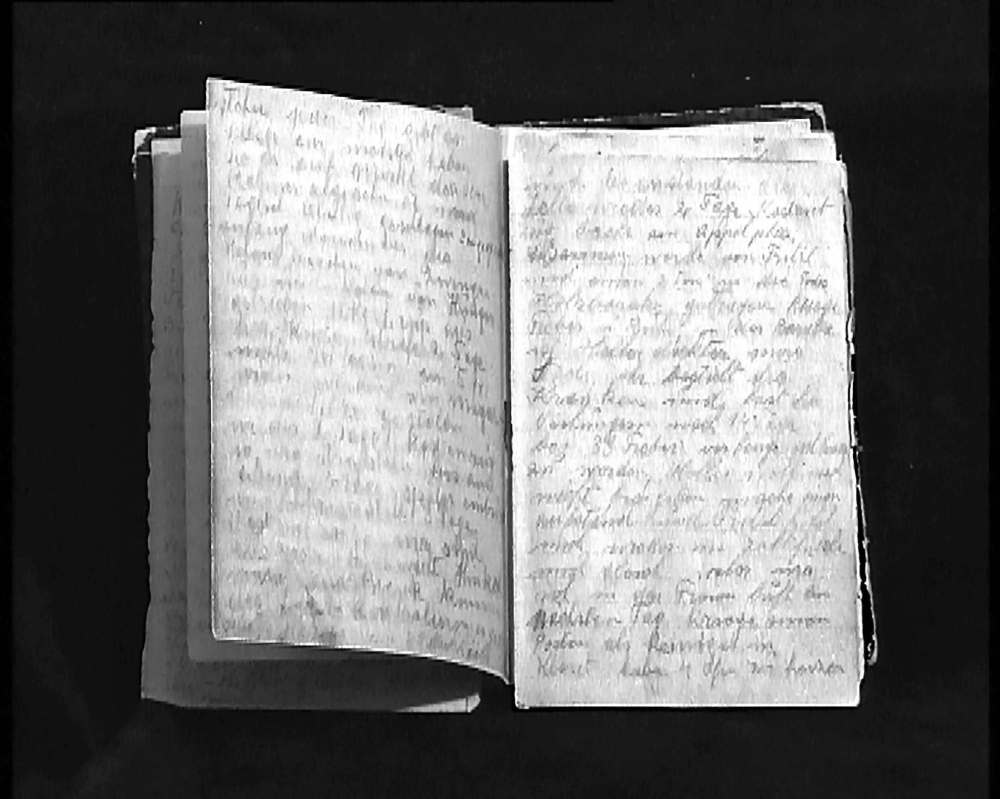
One of Gustav’s and Fritz’s nightmare journeys, by forced marches and crowded cattle cars, was going to Mittelbau-Dora concentration camp.
With those who had died from cold and starvation stacked in one corner of their car, Fritz tried to persuade his father to join him in escaping from the moving train. His weak father persuaded him to go, and Fritz leaped off the train. Guards tried to shoot him but missed.
Fritz was eventually recaptured and ended up in Mauthausen concentration camp. When liberated he weighed 79 pounds.
He returned to Vienna in 1945. Of the 1,035 Jewish men (including Gustav and Fritz) who had been taken away by train in 1939, only 26 survived.
Meanwhile, Gustav went on to Mittelbau-Dora. When liberation came he watched without emotion as fellow prisoners lynched and beat to death their SS guards and senior kapos.
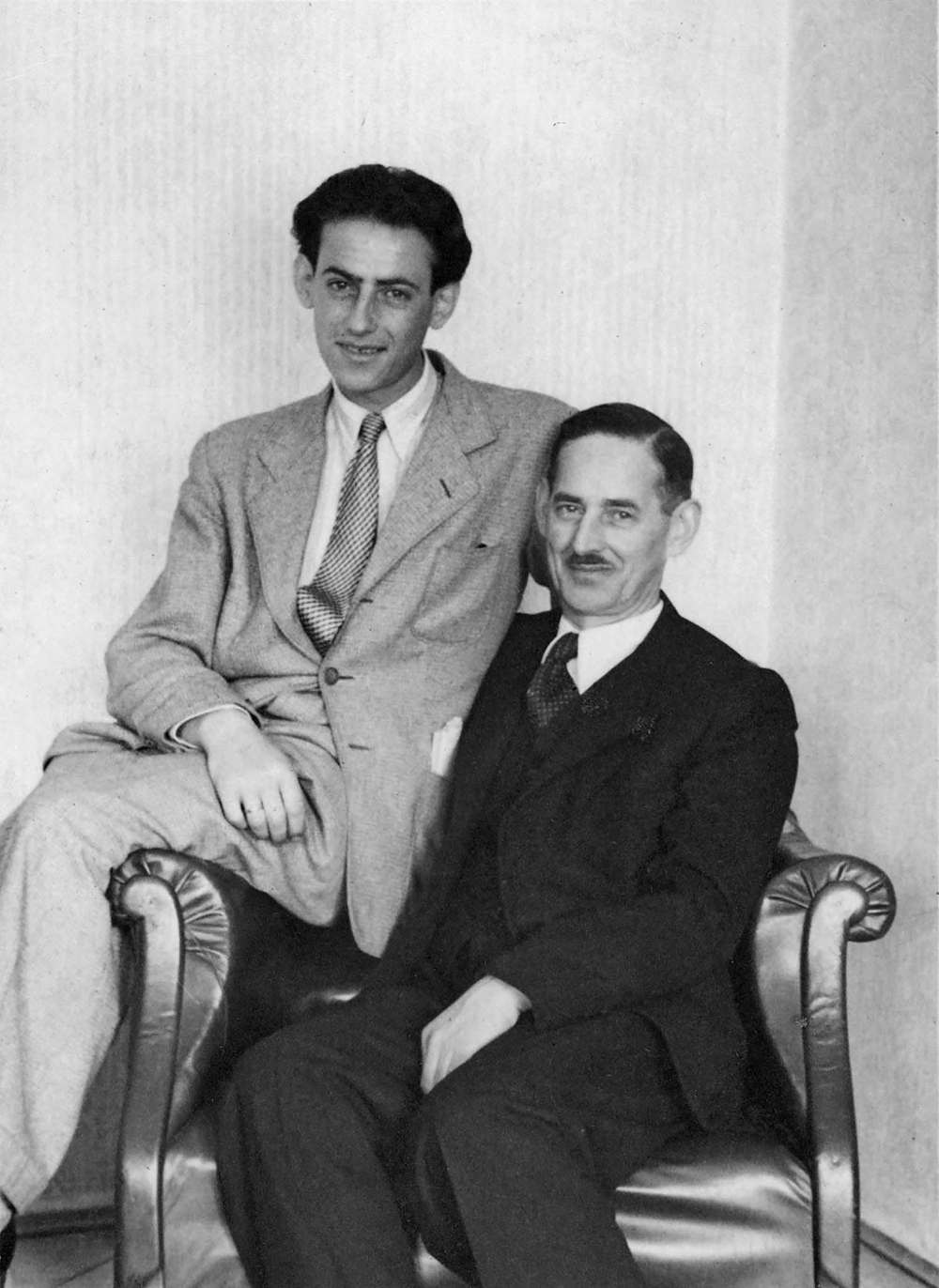
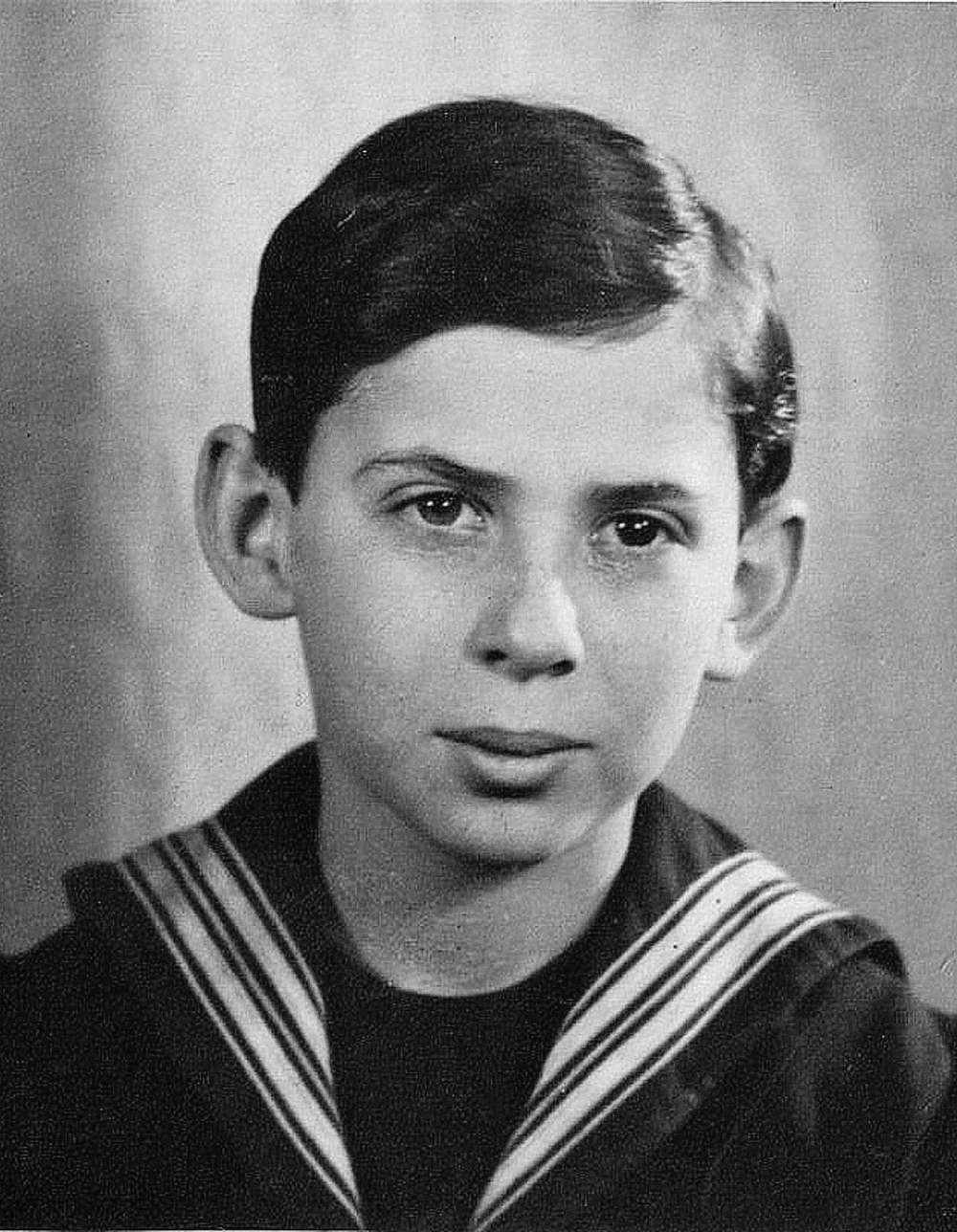
Gustav’s youngest son, Kurt, had been sent to the U.S. at age 11 to escape the war. Gustav’s wife Tini and their daughter Herta remained in Vienna, and later in the war were taken away by the Nazis and never seen again. Daughter Edith had fled to England in 1939; she and Kurt, her brother, contributed insights for Dronfield’s book.
Gustav eventually wound his way home to Vienna and the apartment block he and his family had occupied. There were new tenants in it now, but a longtime friend in another apartment told him where to find his son: Fritz was living one floor below.

Gustav went back to his old upholstery trade, married an old friend and died at age 84 in 1976. Fritz, who had been tortured by the Gestapo, never fully recovered. Nevertheless, he lived (partially paralyzed) until 2009. He was 85.
How did Gustav and his son survive when so few did?
Says Dronfield, “(they) had not only survived but prospered; through courage, love, solidarity, and blind luck, they outlasted the people who had tried to destroy them.”
Barry Craig, a retired journalist, was reading this book when anti-Semites/white supremacists interrupted a synagogue prayer service in Toronto on Zoom with verbal insults and pornography. It is another example of hate inspiring the continuing need to document and address inhumanity — as Dronfield has done here.