A taste of not being able to
Flavourless food an enduring COVID symptom

Advertisement
Read this article for free:
or
Already have an account? Log in here »
To continue reading, please subscribe:

Digital Subscription
One year of digital access for only $205*
- Enjoy unlimited reading on winnipegfreepress.com
- Read the E-Edition, our digital replica newspaper
- Access News Break, our award-winning app
- Play interactive puzzles
*First annual payment billed as $205.00 + GST for one year. This annual subscription will automatically renew at $233.00 + GST every 52 weeks (10% off the regular annual price of $259.35). Offer available to new and qualified returning subscribers only. Cancel any time.
To continue reading, please subscribe:
Add Free Press access to your Brandon Sun subscription for only an additional
$1 for the first 4 weeks*
- Enjoy unlimited reading on winnipegfreepress.com
- Read the E-Edition, our digital replica newspaper
- Access News Break, our award-winning app
- Play interactive puzzles
*Your next Brandon Sun subscription payment will increase by $1.00 and you will be charged $17.95 plus GST for four weeks. After four weeks, your payment will increase to $24.95 plus GST every four weeks.
Read unlimited articles for free today:
or
Already have an account? Log in here »
Hey there, time traveller!
This article was published 03/10/2022 (1455 days ago), so information in it may no longer be current.
On the morning I finally felt OK, I brewed some coffee.
I was a couple days into a COVID journey that had already been punctuated by drenching night-sweats and a headache that felt as though Dave Grohl had gotten back behind the kit and moved into my cranium for a multi-day drum residency.
Coffee, I thought, would be good. Coffee would be normal. I poured a steaming cup, got back under my blanket, and curled my hands around the mug. I took a sip. Nothing. It tasted like nothing. I officially had one of the COVID symptoms I was anxious about developing: loss of smell, or anosmia, which necessarily affects taste.
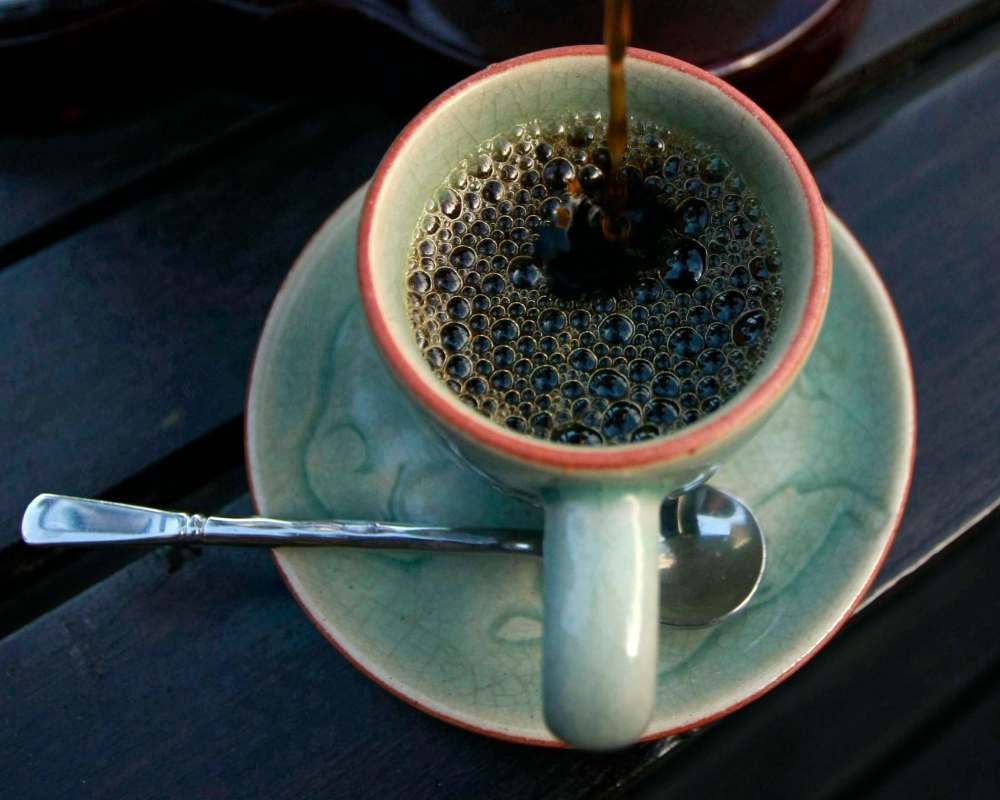
APICHART WEERAWONG / THE ASSOCIATED PRESS FILES
For columnist Jen Zoratti, drinking coffee as a person with COVID was a bitter, hot, flavourless and punitive exercise done mostly for the comfort of the ritual.
Eating is one of life’s true pleasures. Beyond nourishment, food is inextricably tied to joy, ritual, socialization, celebration, memory. When I travel, I am focused on finding great places to eat, of discovering a new dish I’ll think about for days, months, or years after the napkin has been crumpled and the bill has been paid. (This one burger I had in Chicago in the summer is now up there on my list.)
I look forward to the slice of carrot cake I eat every year on my birthday. It’s a holdover from when I was little, when my Grammy decided that spring birthdays call for carrot cake — you know, a flavour for children. Now, I rely on a good thick cream-cheese icing on a warmly spiced cake — no raisins, they are monstrous little chocolate chip imposters — to take me back to my childhood.
Losing your ability to smell and taste is incredibly destabilizing. For days, everything just smelled “hot” to me, likely owing to my raging sinuses. My tongue’s taste receptors could distinguish whether or not something was salty, sweet or bitter, but could not distinguish individual flavours; that’s a job for your sense of smell. Flavoured sparkling water? Nada. Anything sweet, such as a cookie or raspberry jam? Nothing. Some things just tasted bad and wrong; I usually love a crisp, cold fountain Coke Zero — it has to be fountain — and it tasted like effervescent cough medicine.
Food is also an incredible source of comfort, especially when one is sick. So many friends texted feel-better offerings of food and fancy coffees. “That’s so nice of you,” I’d respond, “but I wouldn’t be able to taste it.” Cue crying face emoji.
Nothing, however, will stop me from eating. My appetite is unassailable. I live in a permanent state of “I could eat.” I cannot relate to people who are like, “I was so anxious/depressed/grief-stricken I lost my appetite” or “wow, I was so busy I forgot to eat today.” Excuse me, you forgot to what now?
So ate I did, except instead of being a source of comfort and joy, eating was now the world’s most depressing mindfulness exercise. Instead of flavour and smell, I focused, instead, on the texture and temperature of my food — or, ugh, its “mouth feel” — and tried to imagine the corresponding flavours. Texture has always been an important quality to me; I like the flavour of mushrooms, for example, but they are often a no-go for me because of their texture. I ended up eating a lot of pasta, soups and smoothies during my COVID journey, as well as Ritz crackers, the salty side facedown on my tongue. They tasted like salt, not their usual buttery goodness, but I could, for a moment, be fooled into thinking I was really tasting them.

I also kept drinking coffee — bitter, hot, flavourless, punitive — mostly out of the comfort of the ritual. The rest of my routines had been obliterated; I was too tired to do anything and was afraid that I would feel this way forever or that my taste and smell would never return. I frantically googled “how many people permanently lose taste smell covid.” For a small percentage of COVID patients, anosmia lasts for months and may be permanent in some cases. They have my deepest compassion.
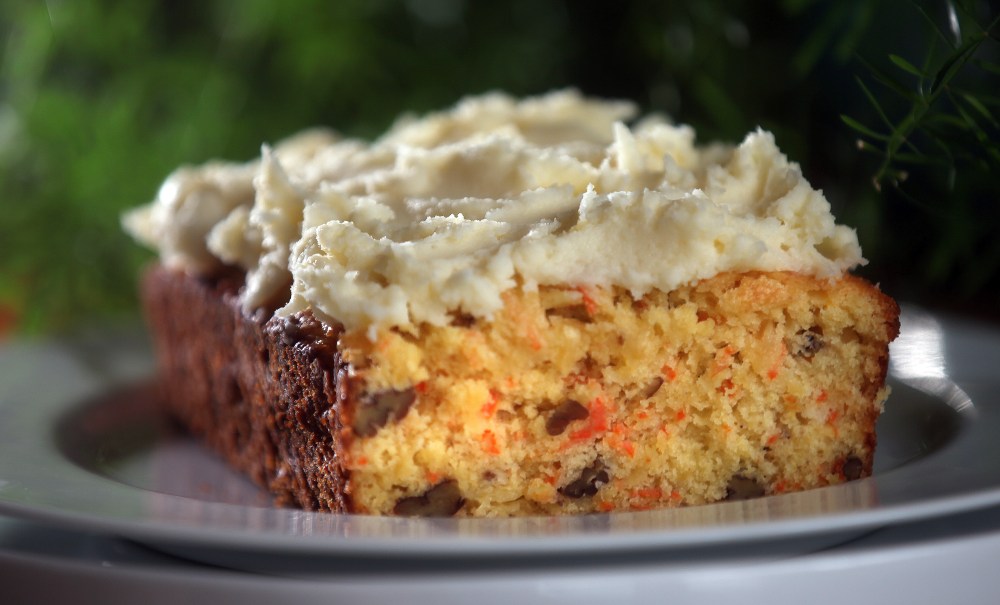
PHIL HOSSACK / WINNIPEG FREE PRESS FILES
Food is an incredible source of comfort, especially when one is sick. But it is incredibly destabilizing when one's ability to taste and smell has disappeared.
My sense of smell and taste returned after about two weeks, though not at full capacity at first. But the morning coffee came back was one for the books — it actually made me emotional. You don’t know what you’ve got ‘til its gone, etc.
I wish I could tell you this experience made me more mindful — and more grateful — about all of this, but I am back to hoovering my desk salads and sucking back my morning coffee while doing a million other tasks. But sometimes, I remember to slow down, not just to taste, but to savour.
jen.zoratti@winnipegfreepress.com
Twitter: @JenZoratti
Jen Zoratti is a columnist and feature writer working in the Arts & Life department, as well as the author of the weekly newsletter NEXT. A National Newspaper Award finalist for arts and entertainment writing, Jen is a graduate of the Creative Communications program at RRC Polytech and was a music writer before joining the Free Press in 2013. Read more about Jen.
Every piece of reporting Jen produces is reviewed by an editing team before it is posted online or published in print – part of the Free Press‘s tradition, since 1872, of producing reliable independent journalism. Read more about Free Press’s history and mandate, and learn how our newsroom operates.
Our newsroom depends on a growing audience of readers to power our journalism. If you are not a paid reader, please consider becoming a subscriber.
Our newsroom depends on its audience of readers to power our journalism. Thank you for your support.
Jen Zoratti is a columnist and feature writer working in the Arts & Life department, as well as the author of the weekly newsletter NEXT. A National Newspaper Award finalist for arts and entertainment writing, Jen is a graduate of the Creative Communications program at RRC Polytech and was a music writer before joining the Free Press in 2013. Read more about Jen.
Every piece of reporting Jen produces is reviewed by an editing team before it is posted online or published in print – part of the Free Press‘s tradition, since 1872, of producing reliable independent journalism. Read more about Free Press’s history and mandate, and learn how our newsroom operates.
Our newsroom depends on a growing audience of readers to power our journalism. If you are not a paid reader, please consider becoming a subscriber.
Our newsroom depends on its audience of readers to power our journalism. Thank you for your support.
Advertisement Advertise With Us
Advertisement Advertise With Us