Land and language
Stories from Kamloops residential school survivors, community offer road to reconciliation
Advertisement
Read this article for free:
or
Already have an account? Log in here »
To continue reading, please subscribe:
Digital Subscription
One year of digital access for only $1.44 a week*
- Enjoy unlimited reading on winnipegfreepress.com
- Read the E-Edition, our digital replica newspaper
- Access News Break, our award-winning app
- Play interactive puzzles
*Billed as $5.77 plus GST every four weeks. After 52 weeks, price increases to the regular rate of $19.95 plus GST every four weeks. Offer available to new and qualified returning subscribers only. Cancel any time.
To continue reading, please subscribe:
Add Free Press access to your Brandon Sun subscription for only an additional
$1 for the first 4 weeks*
- Enjoy unlimited reading on winnipegfreepress.com
- Read the E-Edition, our digital replica newspaper
- Access News Break, our award-winning app
- Play interactive puzzles
*Your next Brandon Sun subscription payment will increase by $1.00 and you will be charged $17.95 plus GST for four weeks. After four weeks, your payment will increase to $24.95 plus GST every four weeks.
Read unlimited articles for free today:
or
Already have an account? Log in here »
Hey there, time traveller!
This article was published 11/11/2022 (1444 days ago), so information in it may no longer be current.
In May 2021, the truth that all residential school survivors and many Canadians knew deep down came out. Two hundred and fifteen unmarked graves were discovered of precious children that were forcefully made to attend the Kamloops Indian Residential School. The two-pronged weaponry of treaties and residential schools had come to full fruition. Canada’s genocidal plans and actions opened up a new set of wounds, and more unmarked graves were (and are) to come.
And we have known for a long time. In 1988, a quiet history was published by then graduate student Celia Haig-Brown entitled Resistance and Renewal: Surviving the Indian Residential School. Now professor of education at York University, Haig-Brown used her masters’ research to gather first-hand accounts of survivor stories.
We knew, and Haig-Brown took lumps from settler historians and the churches who rolled their eyes at her methodology, attacking the idea that Indigenous voices could speak loudly and courageously about the atrocities committed by Canada.
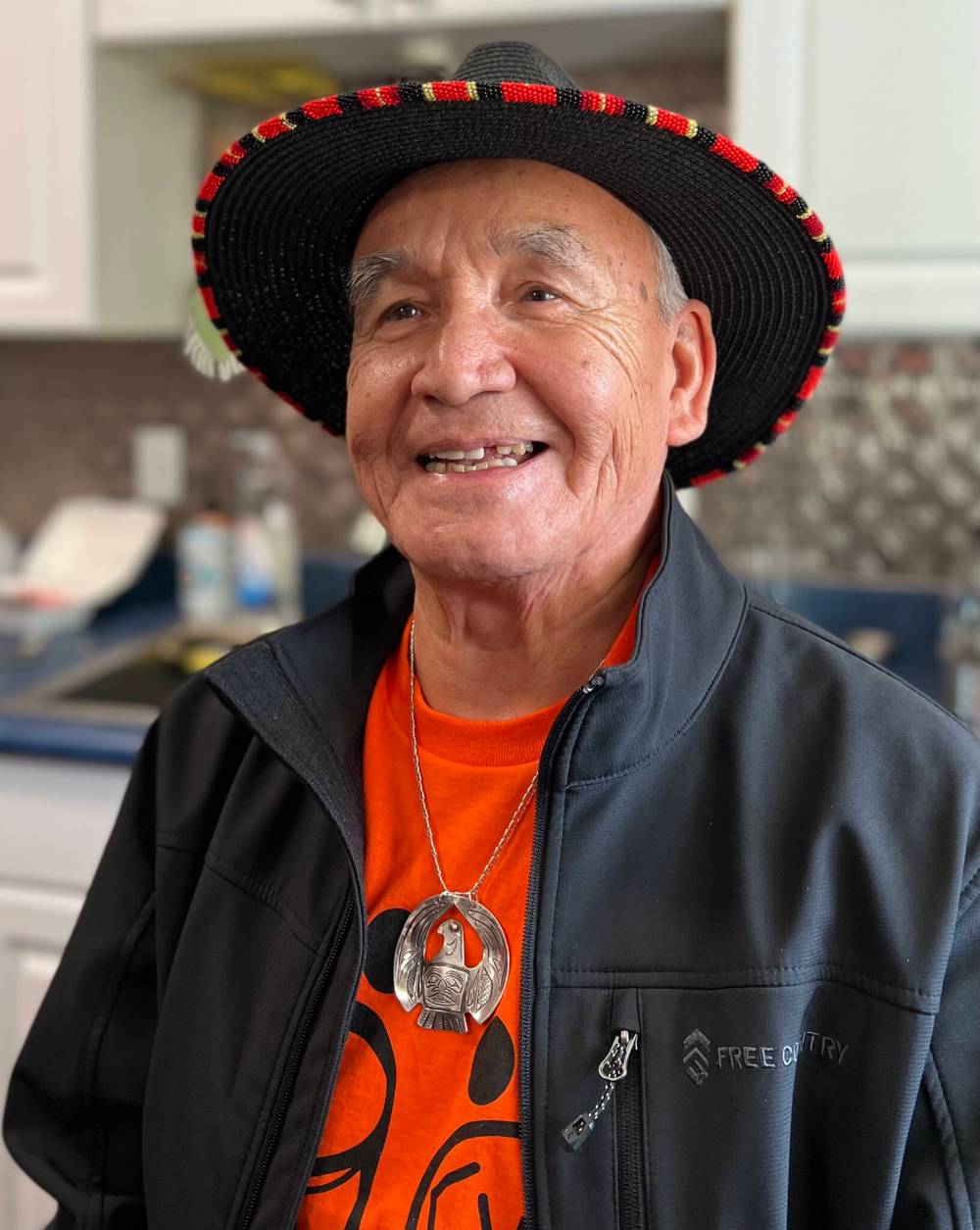
Celia Haig-Brown photo
Randy Fred
Thirty-three years later, the community has asked that Haig-Brown re-release her groundbreaking book. In Tsqelmucwilc: The Kamloops Indian Residential School — Resistance and a Reckoning, Haig-Brown’s work is surrounded by the words of community members and elders, and tells the story of survival, resistance and resurgence. Garry Gottfriedson, who offers the prologue, best describes the project: “Haig-Brown’s work stands as a blatant reminder that Canada’s genocidal policies have failed.” Despite the damage, trauma and unmarked graves, Haig-Brown’s book is a testament that survivors indeed resisted. They are still here. Flourishing.
As the author reflects on the original work and its renewal since the discovery of the unmarked graves, Haig-Brown demands that we all focus our attention on not only truth, but action: “The 215 buried in unmarked graves on the grounds of the former Kamloops Indian Residential School (KIRS) are a testament to the ongoing horrors,” and “Now that we have heard the stories, we have a responsibility to act and to contribute to just and respectful change.”
And that was the call to re-title and re-release the book. Now titled Tsqelmucwilc, meaning “we become human again,” the re-release features prologues, forwards and personal accounts from survivors, children and grandchildren, all of whom speak to the heinous experiences they encountered while at KIRS and to the resistance that they engaged in to keep their language and culture intact.
The original version of the book captures the stories of 13 survivors. From being ripped from their homes to suffering unimaginable punishment and “cultural invasion,” the calculated intentions for both church and state made their impact. Survivors at age five were confronted with the terror of these schools: “The rigid timetables, the dearth of family contact even among siblings, and the constant supervision and direction accompanied by severe punishments for deviation were aspects of a way of life foreign to Secwépemc children.”
And many did not come home.

Tsqelmucwilc

But the testimony in 1988 and in the present of the survivors speaks of a resistance to the horrors they experienced in KIRS. Through land, language and culture, the community took control of the school, established language programs and assumed control over their own education. According to KIRS survivor Maria Myers, “Despite all efforts by the Canadian government and the churches, our culture is still intact. We still live off the land…”
The healing power of the land and language is critical for all colonial systems to recognize and is clearly outlined in the Truth and Reconciliation Commission’s calls to action. It was land and language that was brutally attacked, and is now the cultural and historical elixir.
Tsqelmucwic is mandatory reading for all Canadians and should be championed by leaders, CEOs, university presidents, superintendents, elected officials and all Canadians, including political leaders who have denied Canada’s colonial past, condemn survivor compensation or walk the line with white supremacist dog whistling.
We know the truth, through works like this, and we all need to resist the sneer of those who wish to propagate a racist and genocidal state.
Matt Henderson is assistant superintendent of Seven Oaks School Division.
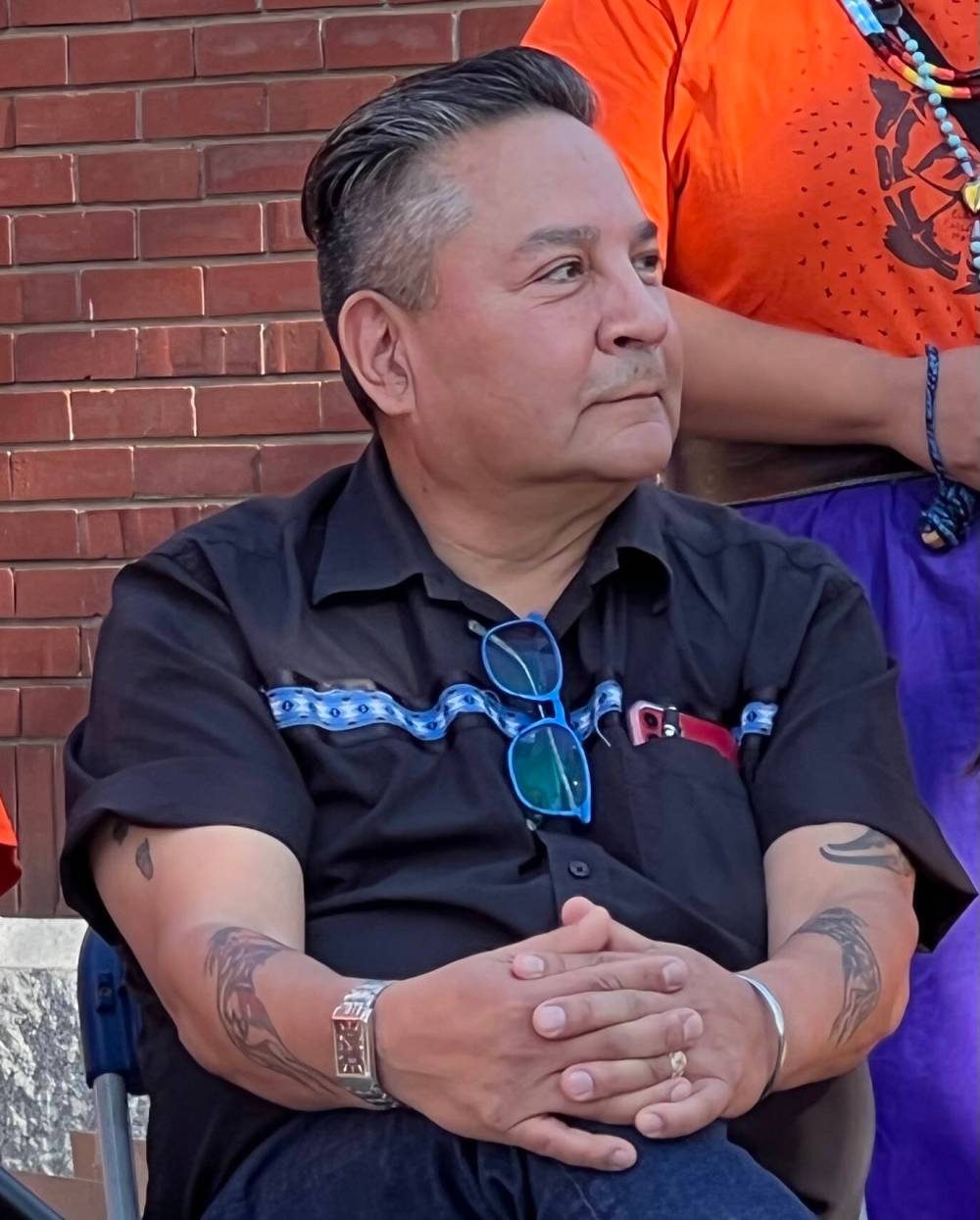
Celia Haig-Brown photo
Garry Gottfriedson
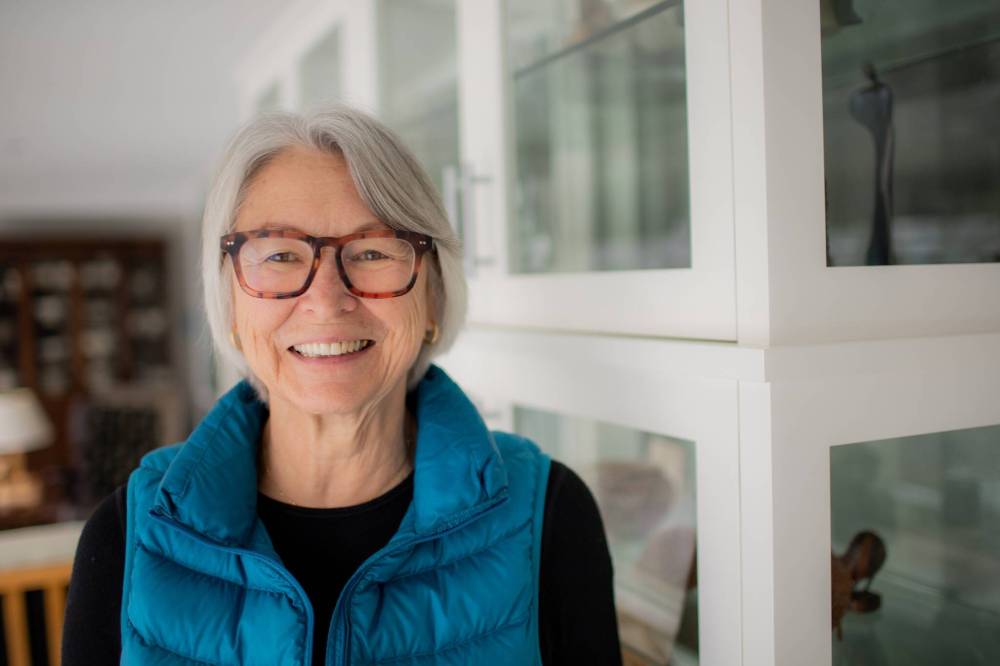
Lindsay Swanson photo
Ceia Haig-Brown

Archives Deschâtelets-NDC, Fonds Deschâtelets, St-Peter’s photographies, Kamloops Residential School
Despite the damage, trauma and unmarked graves, Haig-Brown’s book is a testament that Kamloops Indian Residential School survivors indeed resisted.