New music
Reviews of this week’s CD releases
Advertisement
Read this article for free:
or
Already have an account? Log in here »
To continue reading, please subscribe:

Digital Subscription
One year of digital access for only $205*
- Enjoy unlimited reading on winnipegfreepress.com
- Read the E-Edition, our digital replica newspaper
- Access News Break, our award-winning app
- Play interactive puzzles
*First annual payment billed as $205.00 + GST for one year. This annual subscription will automatically renew at $233.00 + GST every 52 weeks (10% off the regular annual price of $259.35). Offer available to new and qualified returning subscribers only. Cancel any time.
To continue reading, please subscribe:
Add Free Press access to your Brandon Sun subscription for only an additional
$1 for the first 4 weeks*
- Enjoy unlimited reading on winnipegfreepress.com
- Read the E-Edition, our digital replica newspaper
- Access News Break, our award-winning app
- Play interactive puzzles
*Your next Brandon Sun subscription payment will increase by $1.00 and you will be charged $17.95 plus GST for four weeks. After four weeks, your payment will increase to $24.95 plus GST every four weeks.
Read unlimited articles for free today:
or
Already have an account? Log in here »
Hey there, time traveller!
This article was published 09/02/2023 (1316 days ago), so information in it may no longer be current.
Andy Shauf
Norm
(Arts & Crafts/Anti-)
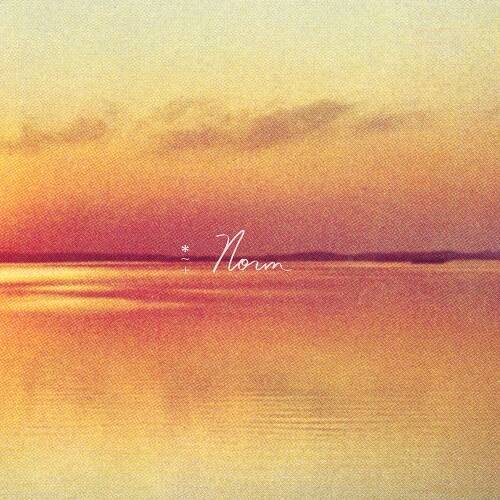
Andy Shauf’s music is an acquired taste. The Toronto-via-Regina musician sing/speaks in a soft, quasi-falsetto that’s just OK, at best, and his slow-to-mid-tempo, acoustic guitar and piano-based tunes aren’t about to froth up any mosh pits. The essence of Shauf’s appeal, then, is in his impeccable storytelling. Every lyrical and musical detail of the material on his two breakout records — 2016’s The Party and 2020’s The Neon Skyline — was meticulously constructed (Shauf played all the instruments on both) and the moods they created were intimately affecting.
Both those albums recounted the interior monologues of a sole narrator over the course of a single evening. The Party expressed the awkwardness of a self-conscious high school kid on a night out, while The Neon Skyline was a young man’s wistful revisitation of a past relationship.
With Norm, Shauf casts a broader net, shifting narrators and perspectives and spinning 12 non-linear, imagistic vignettes depicting the rather sinister obsessions and actions of a seemingly innocuous fellow named Norm.
Shauf professes to have been inspired by David Lynch’s surreal, mystifying film Mulholland Drive and he even enlisted a story editor to help him capture the essence of Norm’s earnest self-justifications and woefully misguided reflections. That he does so with his trademark, deadpan vocal delivery and the same low-key musical approach (beautifully mixed here by Neal H Pogue) as The Party and The Neon Skyline is the twist in this tale.
Without giving too much away, it can be said that Norm isn’t normal. Or is he? ★★★★ out of five
STREAM THESE: Wasted on You, Halloween Store, Sunset
— John Kendle
Tim Stafford & Thomm Jutz
Lost Voices
(Mountain Fever)
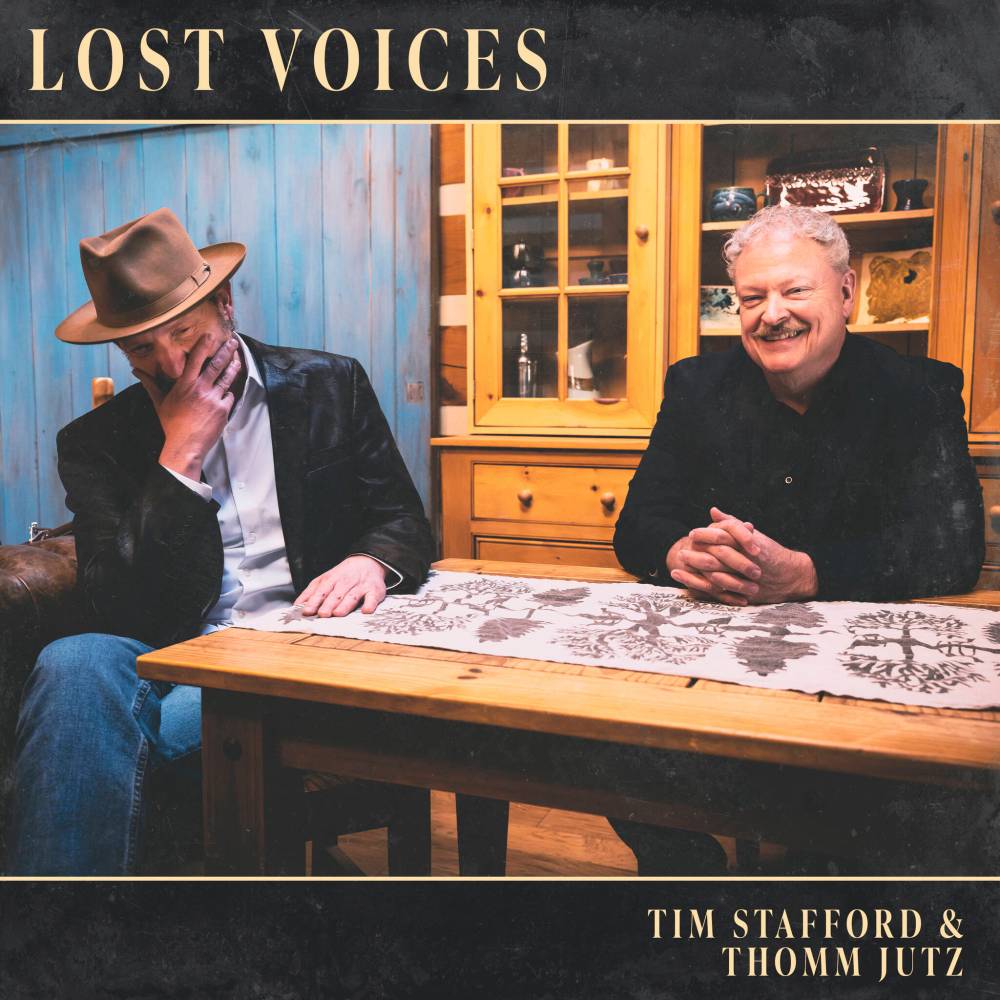
Lost Voices features new songs written in the past tense, and serves as an engaging soundtrack to neglected chapters in American history.
The album comes from the formidable singer-storyteller team of Tim Stafford, best known for his work with the bluegrass band Blue Highway, and Thomm Jutz, a classically trained native of Germany whose music is classically Americana.
As the album title suggests, Stafford and Jutz sought to bring to life forgotten voices, among them a vaudeville star, Appalachian women, Navajo code talkers and Black baseball barnstormers. There’s an ode to trees and a lovely spiritual, while morality tales of an outlaw and a family feud litter the lyrics with bodies.
Stafford and Jutz pair carefully crafted images and details with equally vivid melodies. While a few songs feature a full bluegrass combo, the duo’s handsome, intertwined vocals and acoustic guitar work carry the set as they explore a variety of styles. Jutz sings a simple, lilting Irish waltz, a train song evokes City of New Orleans, and Stafford’s all-star tenor shines on The Blue Grays, a baseball tune that swings as hard as Willie Mays.
“Lost voices can’t be heard until we set them free,” Jutz sings on the title cut. Mission accomplished. ★★★ out of five
STREAM THESE: Lost Voices, The Blue Grays
— Steven Wine, The Associated Press
William Carn
Choices
(self-produced)
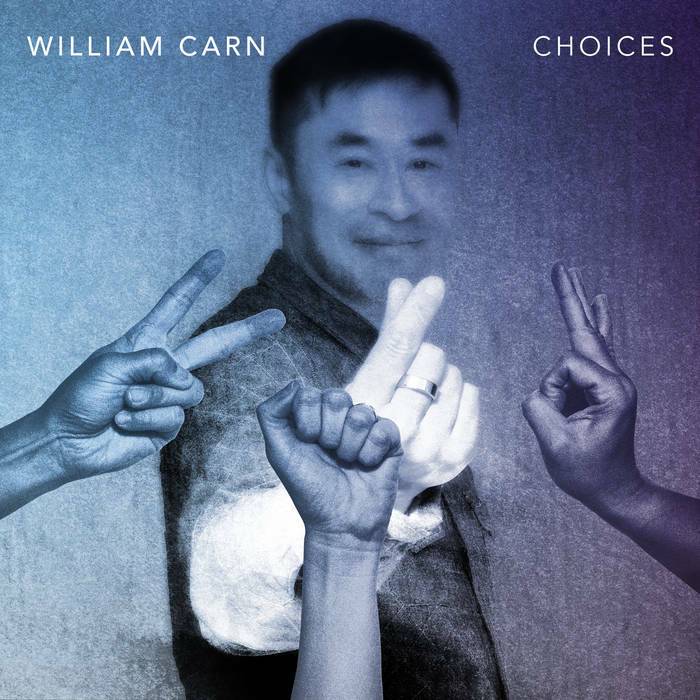
Toronto-based trombonist and composer William Carn is involved with many parts of the Canadian jazz community. A member of Ernesto Cervini’s band Turboprop, Carn is also co-leader with wife Tara Davidson of the Carn Davidson 9, a current Juno nominee for the album The History Of Us.
His album Choices is the culmination of several years of work during the pandemic and planning for a “new” way of producing the music. With various folks on different tracks, the personnel list has HiFiLo (aka Todd Pentney) on keyboards, William Sperandei on trumpet, Kelly Jefferson on tenor, Jesse Ryan on alto, Ernesto Cervini, Larnell Lewis and David DiRenzo on drums. When lockdowns started in 2020, Carn composed and recorded each of the tracks at his home, but the guest musicians he invited to participate recorded their parts individually from each of their homes. The skills of producer HiFiLo in mixing, editing and any other tweaking helped create a seamless album with a technically fascinating back story. If nothing else the pandemic has challenged musicians generally to develop incredibly ingenious ways to share their music.
All the compositions here are Carn’s and were all inspired by the realities of events during the past several years. Heroyim Slava (Glory to the Heroes) references the war in Ukraine, while fear of the unknown and protests like BLM inform other tracks. There is even a tribute to their recently deceased beloved cat. The mood and style vary from meditative to harder-edged rock-like riffs. I am always surprised when music that is “cut and pasted”, so to speak, from several sources allows the energy to be retained. The music here has intensity and depth that is really terrific. Check out The Inertia Of Complacency for example, or Get Up.
The technological experiment works well to the point where I would love the group to record now completely in person. ★★★★ out of five
STREAM THESE: The Inertia Of Complacency, Get Up
— Keith Black
Sergei Prokoviev
Symphony No. 5
Franz Welser-Möst
The Cleveland Orchestra
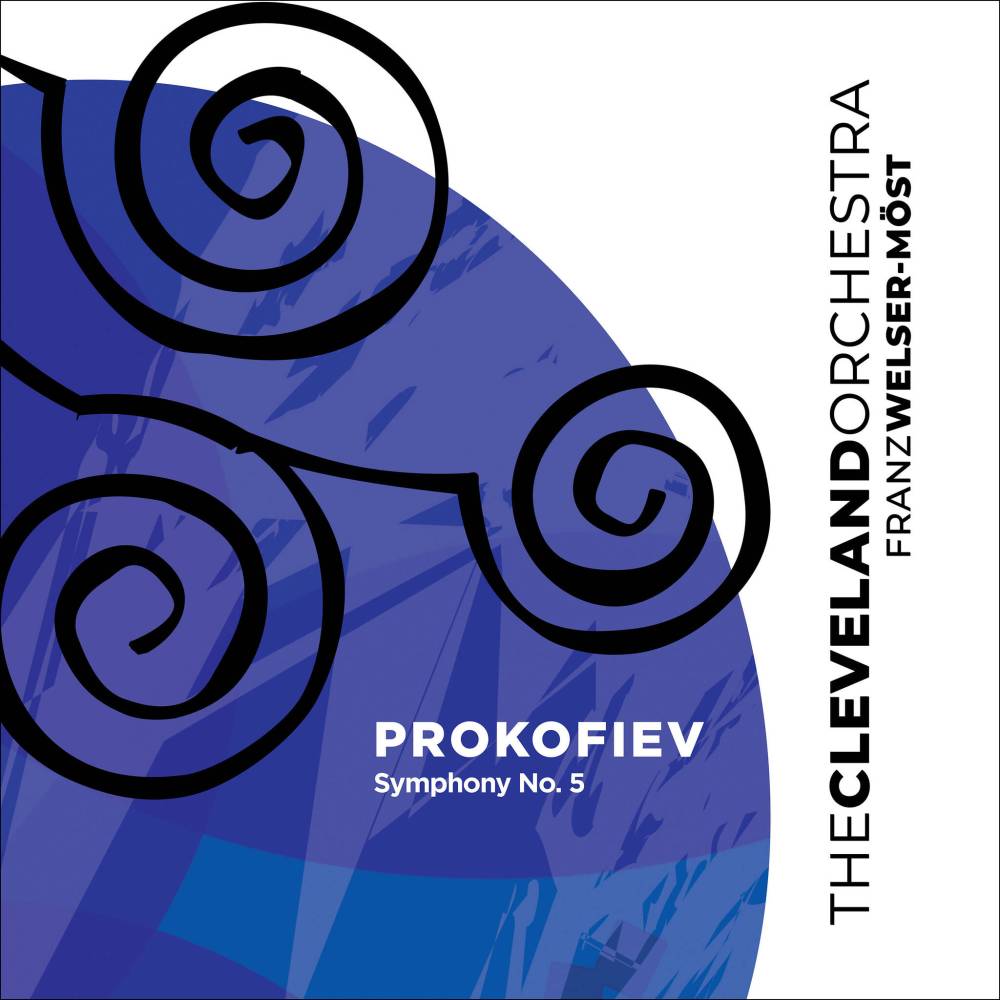
This upcoming all-digital release features the venerable Cleveland Orchestra performing Prokofiev’s Symphony No. 5 in B flat Major, Op. 100, penned during the gripping final months of World War II, lending it even greater dramatic intensity.
Franz Welser-Most artfully leads the players throughout the four-movement work composed in a mere month in 1944, and self-described by the Soviet era composer as “a symphony of the greatness of the human spirit, a song of praise of free and happy mankind.” Nonetheless, it still bristles with pointed subtext, particularly during its second movement Allegro marcato, with Prokofiev’s idiosyncratic rhythmic syncopations and acerbic, biting harmonies bleeding into more lyrical wafts of melody. The players dig in hard during the composer’s highly textural orchestration, including crisp string pizzicato effects and rat-a-tat snare drum interpolations as a forward-driving scherzo in his typical toccata mode.
The first movement Andante immediately sets a stately tone, punctuated by roaring, final tam-tam strikes, while the introspective Adagio is filled with smoothly rendered, sweeping thematic material underscoring its dreamy quality. This latter section leads to the Allegro giocoso finale where snippets of melody are tossed between individual players; before those deliciously spiky rhythms and the return of the driving snare drum cap the entire work with enduring, unsettling appeal. ★★★★ out of five
STREAM THIS: Symphony No. 5, Allegro marcato
— Holly Harris
History
Updated on Thursday, February 9, 2023 7:22 AM CST: Changes tile photo, preview text