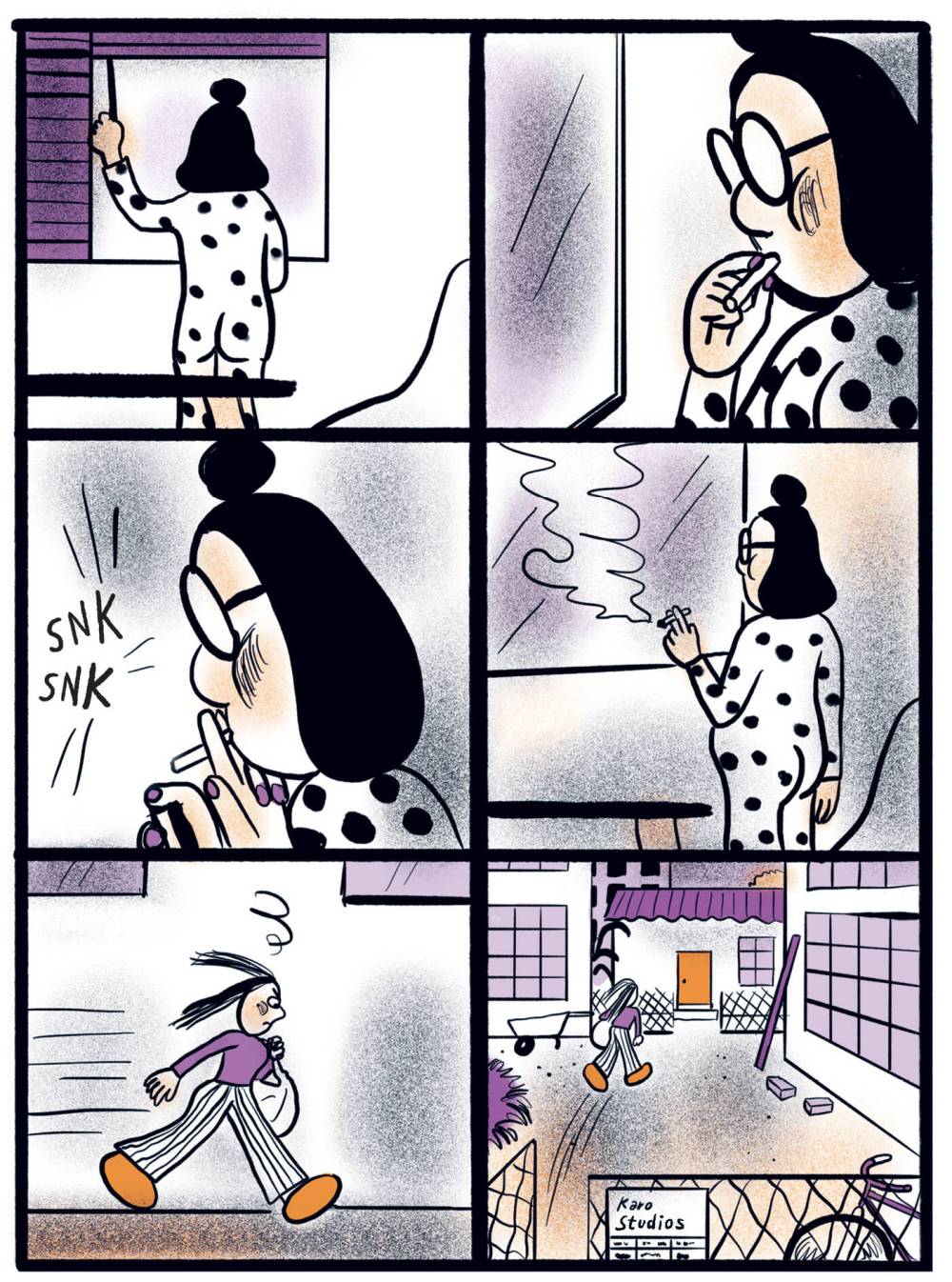
Clocking out
Therapist’s trio of patients struggle with goals, wellness and ennui in comically absurd collection
Advertisement
Read this article for free:
or
Already have an account? Log in here »
To continue reading, please subscribe:

Digital Subscription
One year of digital access for only $205*
- Enjoy unlimited reading on winnipegfreepress.com
- Read the E-Edition, our digital replica newspaper
- Access News Break, our award-winning app
- Play interactive puzzles
*First annual payment billed as $205.00 + GST for one year. This annual subscription will automatically renew at $233.00 + GST every 52 weeks (10% off the regular annual price of $259.35). Offer available to new and qualified returning subscribers only. Cancel any time.
To continue reading, please subscribe:
Add Free Press access to your Brandon Sun subscription for only an additional
$1 for the first 4 weeks*
- Enjoy unlimited reading on winnipegfreepress.com
- Read the E-Edition, our digital replica newspaper
- Access News Break, our award-winning app
- Play interactive puzzles
*Your next Brandon Sun subscription payment will increase by $1.00 and you will be charged $17.95 plus GST for four weeks. After four weeks, your payment will increase to $24.95 plus GST every four weeks.
Read unlimited articles for free today:
or
Already have an account? Log in here »
Hey there, time traveller!
This article was published 21/04/2023 (1260 days ago), so information in it may no longer be current.
Work-Life Balance is the latest offering from Berlin-based cartoonist Aisha Franz. Translated from German by Nicholas Houde, this ongoing comic series is collected here in a series of interconnected stories about young professionals and the inadequacies of wellness culture in the face of workplace malaise.
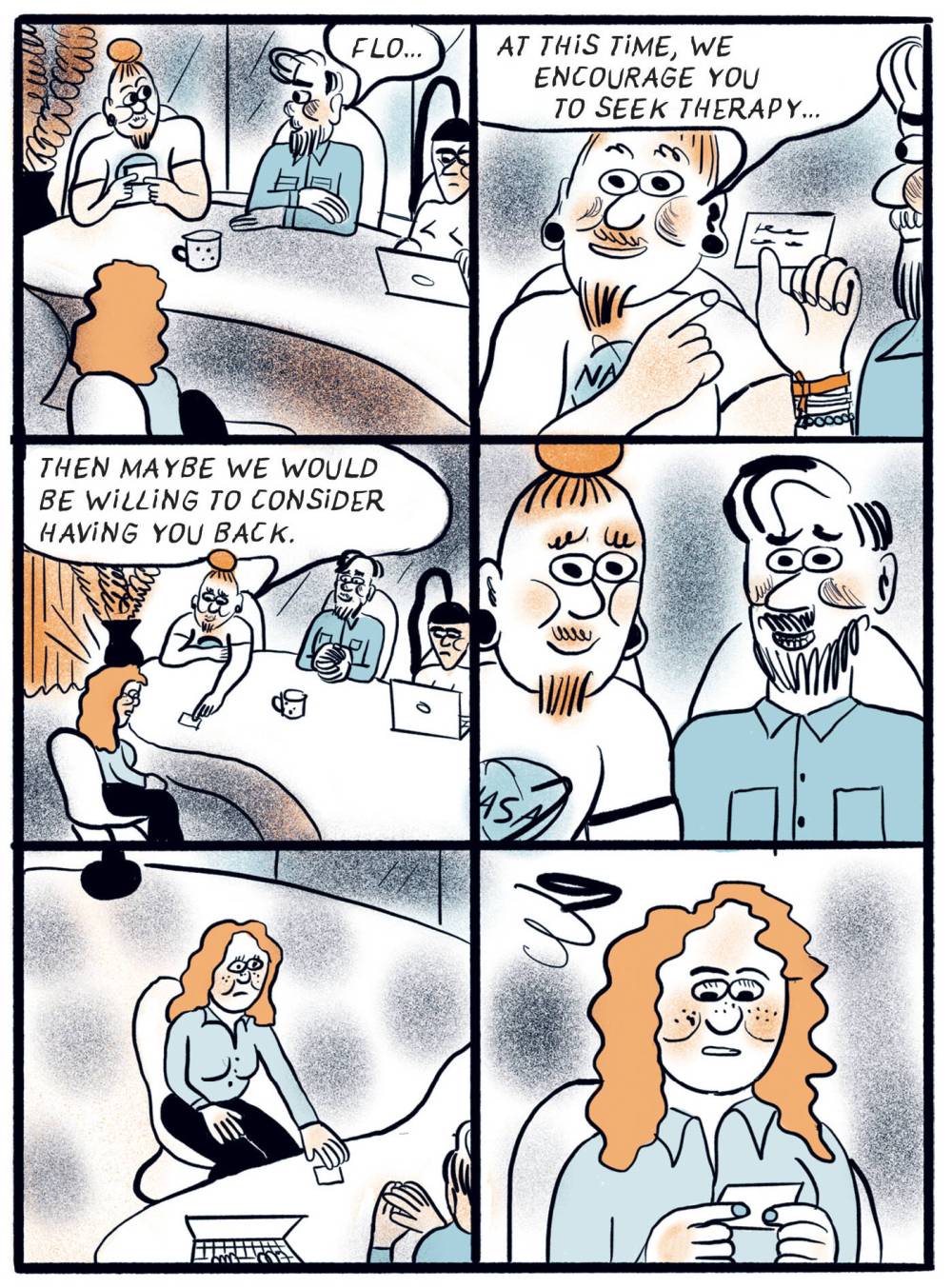
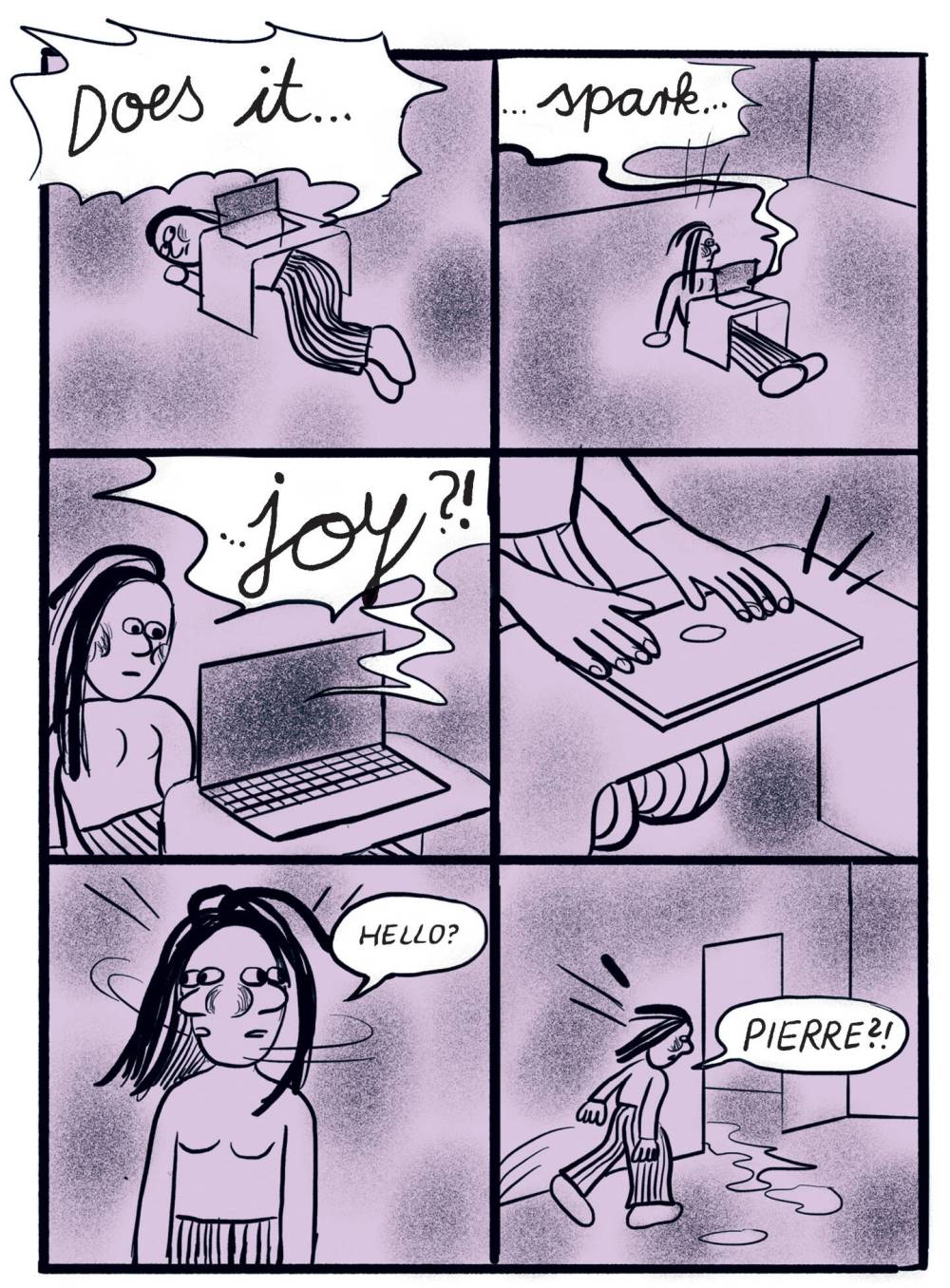
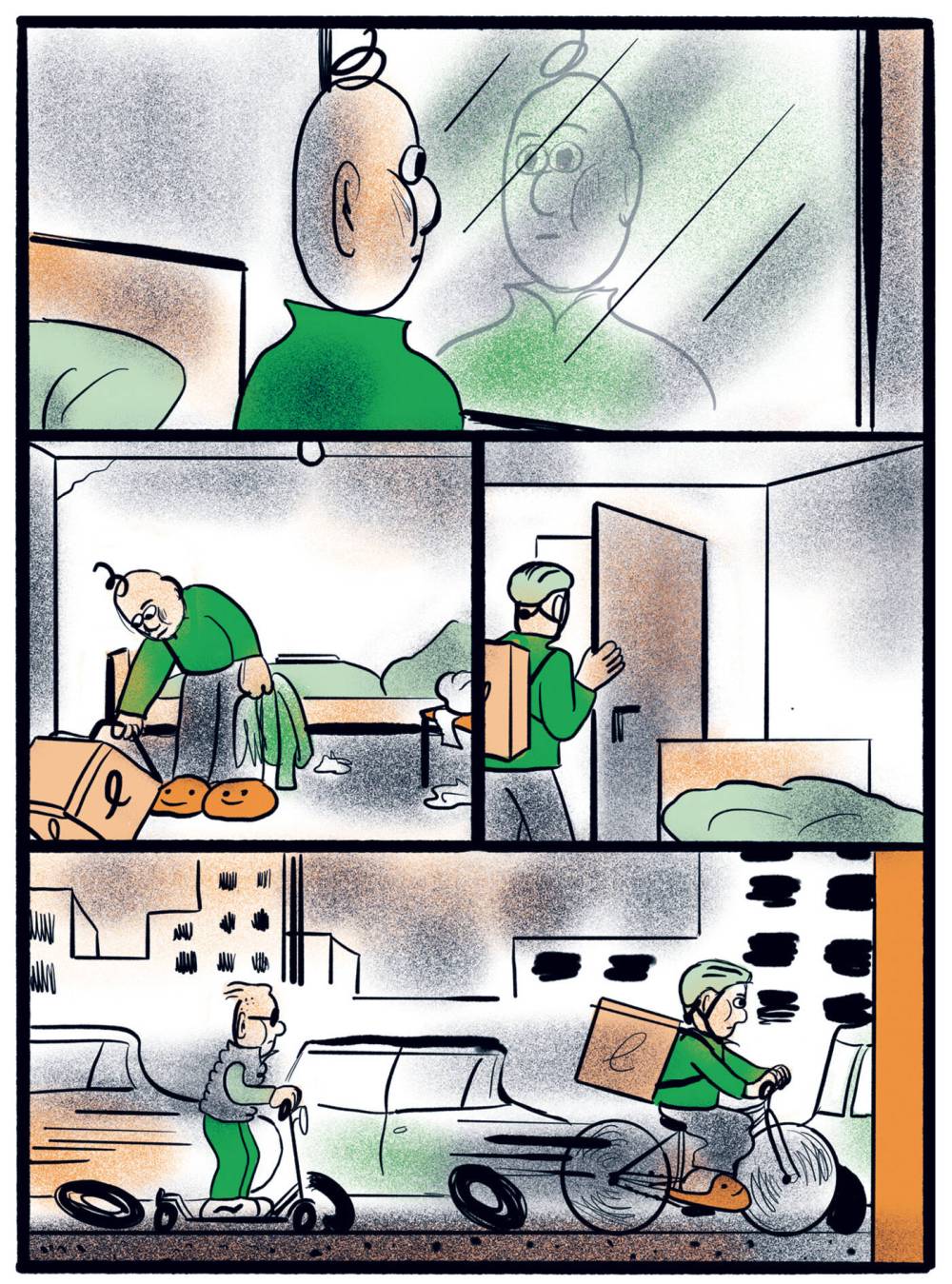
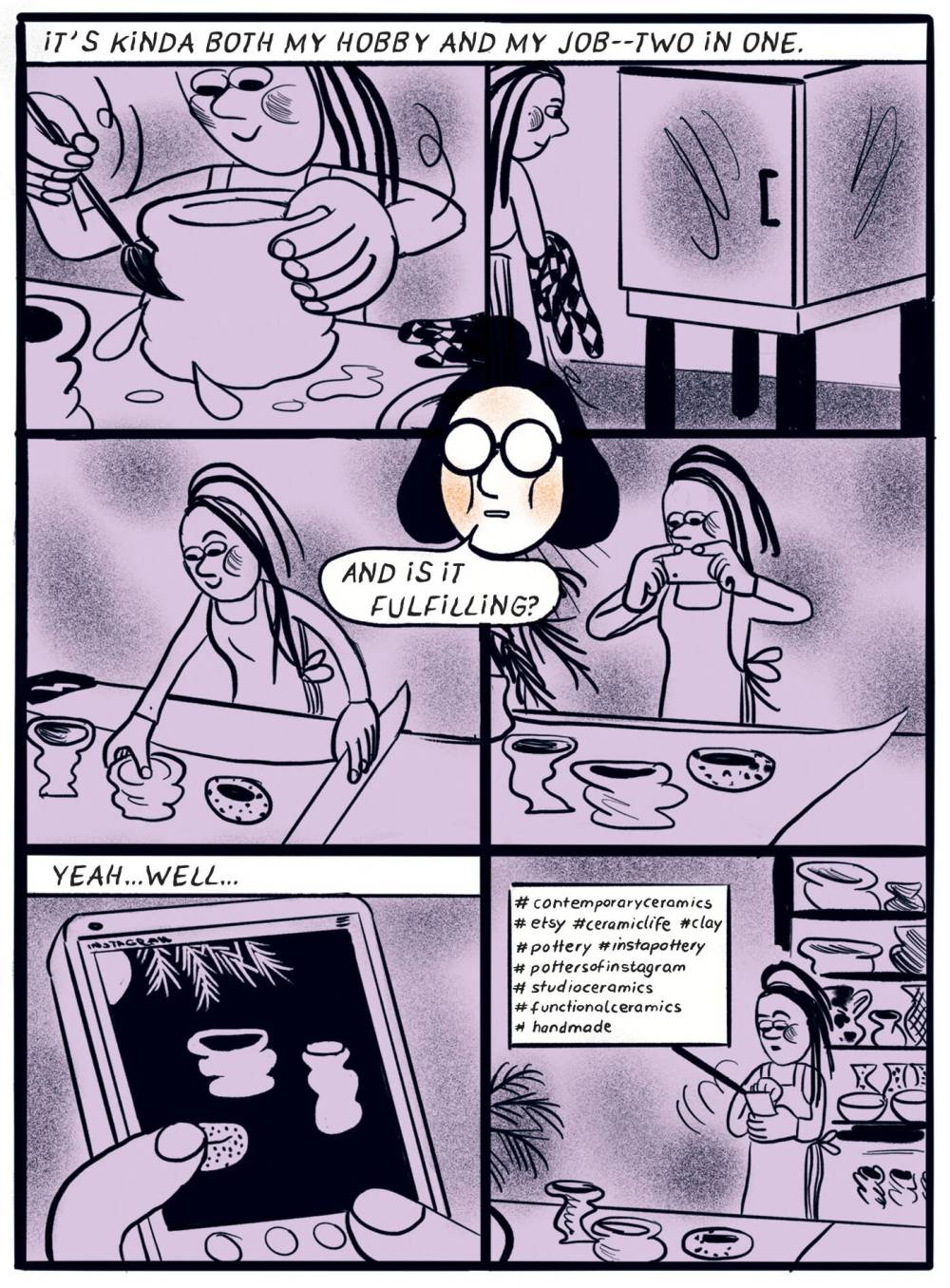
Franz balances surreal, dreamlike sequences with the daily grind of three clients who are all seeing the same therapist, imbuing each character with a signature colour palette. Anita is a ceramics artist discouraged that her years spent studying sculpture amounts to little more than frantic hashtags as an #instapotter and a smattering of Etsy sales. Rex is a freelance programmer whose spec work for wellness startup Agileal ends not in a contract for steady work, but with his intellectual property being stolen. And Sandra is a wannabe influencer who’s seemingly aged out of her target audience, and instead exploits her administrative job at Agileal for human connection in problematic ways.
Their therapist, Dr. Sharifi, is also disengaged, prioritizing self-care to the point of becoming neglectful to her patients, signaling that she too is disillusioned with her professional life.
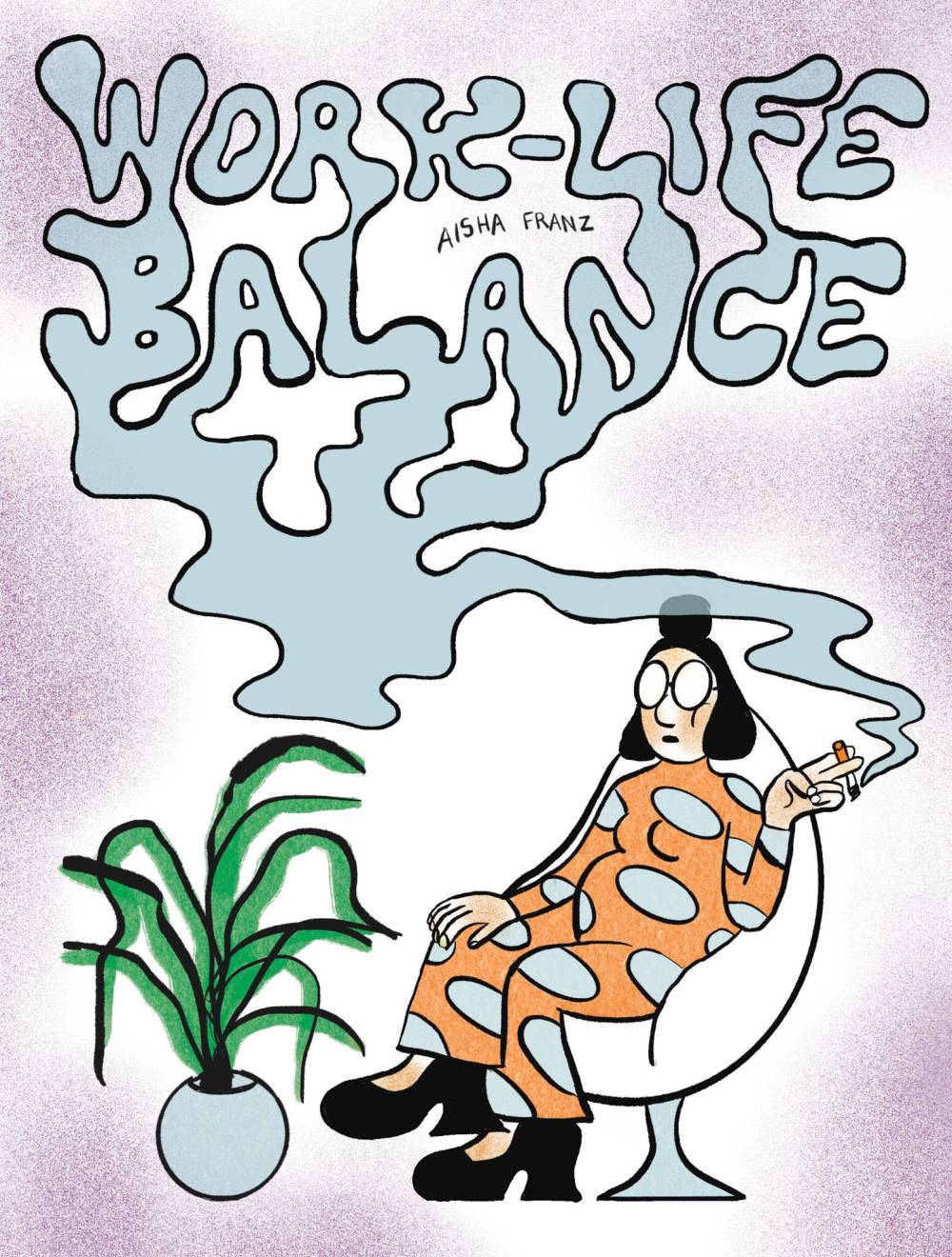
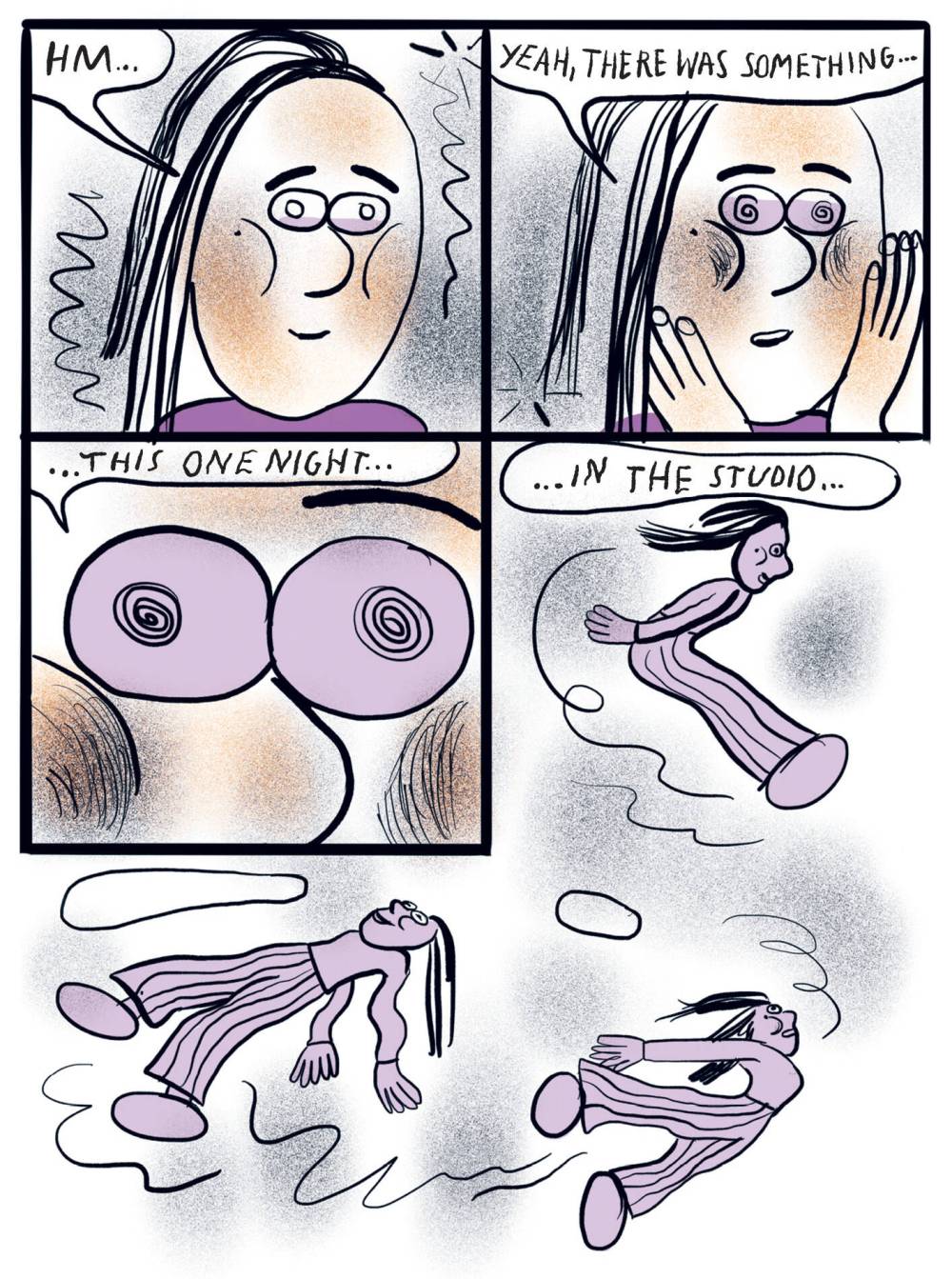
As they chase the elusive work-life balance, Franz’s lively, frenetic artwork spins her characters’ ennui into comically absurd situations that still hold fast to modern isolation and existential dread. The line between the real and the imagined often becomes indiscernible to the reader, as characters are pushed further towards a potential breakdown.
Although the author has explored these themes in her previous work, Work-Life Balance distinctly lacks a deliberately dystopian or futuristic setting. Instead, the book shows how the present digital age fuels the perceived necessity of curating, and living, a personal brand. Simple, almost child-like pencil-crayon sketches in between scenes harken back to a more analog era, where everyone involved might have been less publicly vulnerable — or at least where there may have been less pressure to present a certain face to the world at all times.
What’s more, Franz cleverly reveals therapy itself as more of a brand than a potential solution for her characters’ problems, first through Dr. Sharifi’s own unhelpful practice, and then through Rex’s experiences with Virtuapy, an online therapy program that happens to be the one he coded for Agileal. The Virtuapy app presents itself with the same kind of slick, hip atmosphere as Agileal’s real-life office, its online navigation mirroring Franz’s whimsical layout of the startup’s headquarters.

Virtuapy’s brand is initially appealing, but for Rex proves to be little more than another, easier way for Sharifi to disregard her duties as the therapist on the other end of the chat function.
Unlike Sharifi, not everyone’s lack of professional competence is the problem here; Anita and Rex, who experience the biggest workplace disappointments, are eventually granted a sense of personal satisfaction directly linked to their underappreciated skills. In both cases, though, these skills are linked to nefarious, even vengeful abuses of workplace access, which are played to great comedic effect. But since these indiscretions do feel somewhat earned, there is no real fallout involved.
Abuses of power, however, fare a lot worse. Sandra’s need for intimacy and connection takes a dark turn as Franz plainly shows the consequences of her exploitative actions.
Throughout Work-Life Balance, anxieties around modern professionalism and wellness are bound up in the perception of one’s skill set instead of one’s value as a person and community member. Although the characters in the book remain unsure of what to strive for professionally, they do find solace in genuine connections with nature, art, and other people — which, Franz suggests, might be the type of self-care worth pursuing.
Nyala Ali writes about race and gender in contemporary narratives.