Snapshots of the past
Dual memoirs of disparate wartime women both moving and beautifully told
Advertisement
Read this article for free:
or
Already have an account? Log in here »
To continue reading, please subscribe:

Digital Subscription
One year of digital access for only $205*
- Enjoy unlimited reading on winnipegfreepress.com
- Read the E-Edition, our digital replica newspaper
- Access News Break, our award-winning app
- Play interactive puzzles
*First annual payment billed as $205.00 + GST for one year. This annual subscription will automatically renew at $233.00 + GST every 52 weeks (10% off the regular annual price of $259.35). Offer available to new and qualified returning subscribers only. Cancel any time.
To continue reading, please subscribe:
Add Free Press access to your Brandon Sun subscription for only an additional
$1 for the first 4 weeks*
- Enjoy unlimited reading on winnipegfreepress.com
- Read the E-Edition, our digital replica newspaper
- Access News Break, our award-winning app
- Play interactive puzzles
*Your next Brandon Sun subscription payment will increase by $1.00 and you will be charged $17.95 plus GST for four weeks. After four weeks, your payment will increase to $24.95 plus GST every four weeks.
Read unlimited articles for free today:
or
Already have an account? Log in here »
Hey there, time traveller!
This article was published 23/09/2023 (1047 days ago), so information in it may no longer be current.
This aptly-titled book is a heartfelt compilation of stories within stories, akin to the nesting wooden dolls symbolic of Eastern European cultures like Ukraine’s and a memorable example of the “creative non-fiction” genre.
The stories form memoirs of two women from opposing sides who found common cause in aiding victims of the madness that defined Europe during the Second World War, proving that bonds of common humanity can be stronger than ideological or cultural differences.
In a style reminiscent of John Steinbeck, whose writing painfully exposed the soul of America’s downtrodden, The Matryoshka Memoirs similarly carries readers into the inner thoughts and feelings of heroes and villains alike, often by deliberately leaving unsaid what words can never convey.
Supplied photo
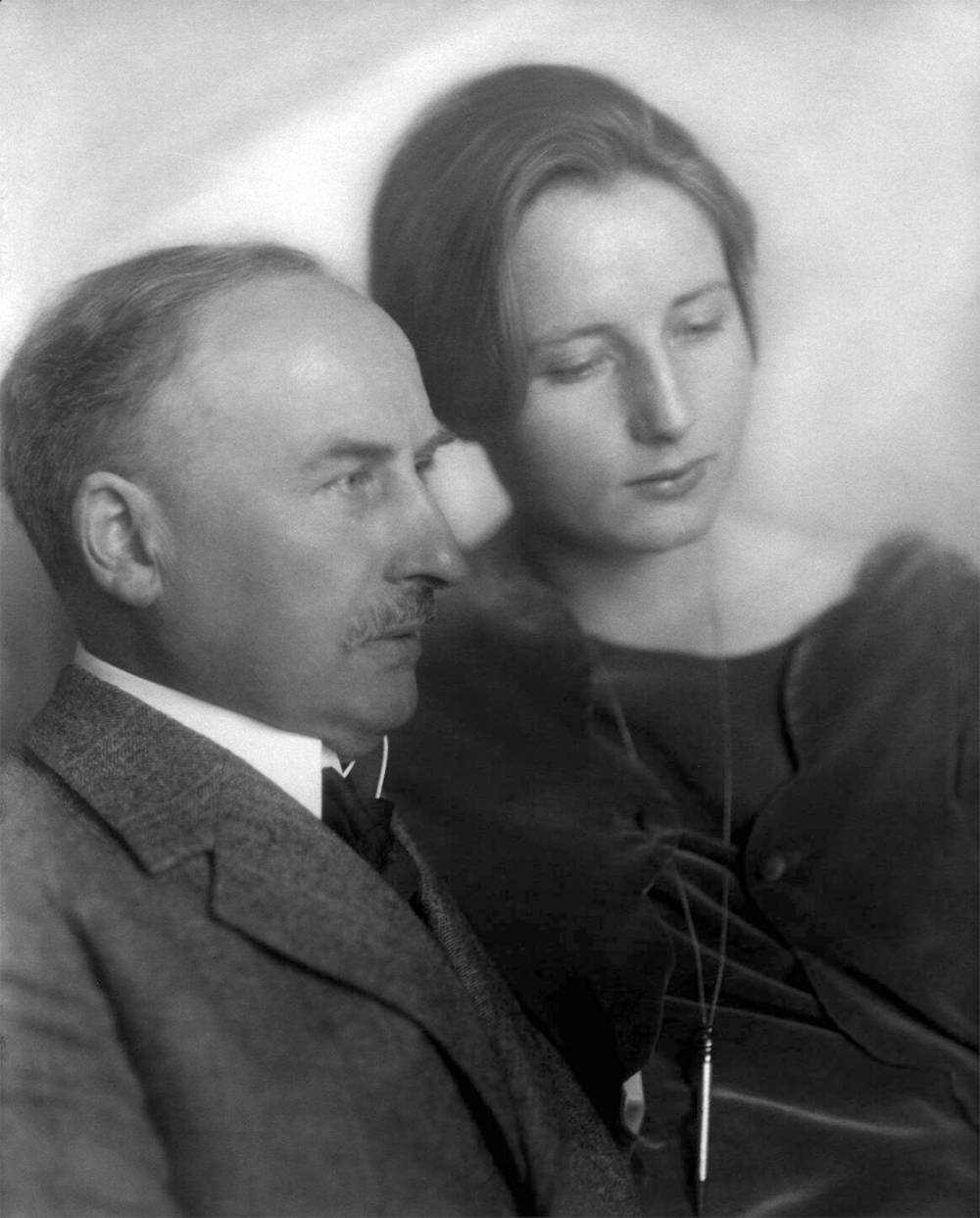
Ernst Leitz II and daughter Elsie Kühn-Leitz harboured Jews fleeing the Nazis in Wetzlar, Germany during the Second World War.
Vancouver author Sasha Colby — not to be confused with the American entertainer by the same name — is a literary historian, writer, and director of Graduate Liberal Studies and associate professor of English at Simon Fraser University.
Colby has also written three biographical dramas about 20th-century poets, showing a flair for the written word which is evident again in this collection of individual and shared experiences of two war survivors.
In a preamble to these memoirs she writes, “This story is a combination of oral history, research and imagination,” adding that details are drawn from “other first-person accounts” of crimes perpetrated by Hitler’s Nazi regime that are now common knowledge.
Beginning in 2011, she slowly coaxed stories from her maternal Ukrainian grandmother, Irina Nikifortchuk, who was living in Niagara Falls. They include recollections of stories told about the brutal excesses of Stalinist policies that led to mass starvation in Ukraine, then being abducted by invading Nazi armies and sent to a forced labour camp in the Leica camera factory in Wetzlar, Germany in 1942, one of many young Ukrainians who experienced similar fates as verified by information gleaned by Colby from the Ukrainian Canadian Research and Documentation Centre in Toronto.
The woman who became Irina’s employer and wartime confidante, camera factory owner and heiress Elsie Kühn-Leitz, penned an essay in 1947 about her wartime experiences. Portions of it are also cited in The Matryoshka Memoirs which, together with information obtained from the Wetzlar Historical Society in Germany, paints a vivid picture of Elsie and her disdain for the Nazi regime.
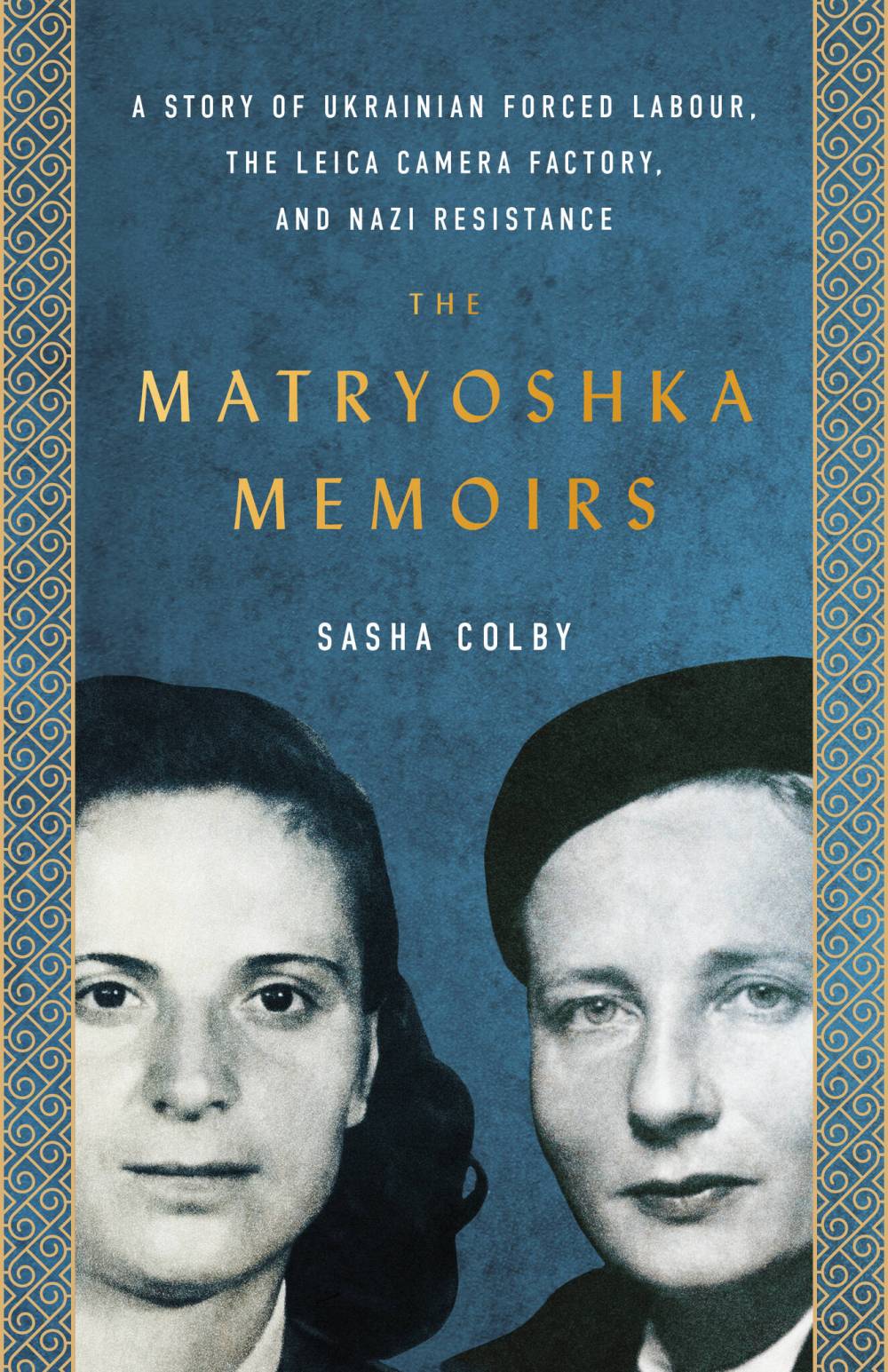
The Matryoshka Memoirs
Though both women at the heart of Colby’s book are no longer living, actual statements from Irina, plus researched facts about Elsie, spawn a deft creation of dialogue and likely interactions between them and Nazi officials, inducing empathy and curiosity as easily as spellbinding fiction does, while exposing the factually true and tortuous paths the women trod until the Third Reich was dismantled in 1945.
Colby’s penchant for creativity even extends to the book’s structure, featuring short, crisply written chapters with European wartime scenes interweaving with more recent Canadian settings.
Irina’s personal journey is captivatingly told in The Matryoshka Memoirs — from the squalid conditions of the camera factory’s labour camp, to being employed in the factory owner’s grand household, to becoming a trusted confidante of the Leitz family (who were never supporters of Hitler’s Nazi regime) and then to her eventual settling in Canada.

One particularly lucid wartime chapter discloses how Elsie, aided by Irina, sneaks additional food and necessities for residents into the squalid labour camps, in spite of Nazi guards chiding Elsie for pandering to her “subhuman employees.”
Passages from both women confirm that Nazi officials imprisoned Elsie in 1943 for her continued support of foreign labourers, subjecting her to months of physical and mental abuse until her father was able to secure her release.

Supplied photo
Sasha Colby
Their individual stories supplement Colby’s own research showing that in spite of Elsie’s husband, Kurt Kuhn, being a Wehrmacht officer, her father was “a less-known Schindler,” further adding, “Officially, Ernst Leitz rescued forty-one people from persecution by sending them to foreign branches of the Leica company.”
Like an unforgettable movie, the stories in The Matryoshka Memoirs speak to the hope of finding goodness wherever evil exists.
Joseph Hnatiuk is a retired teacher.
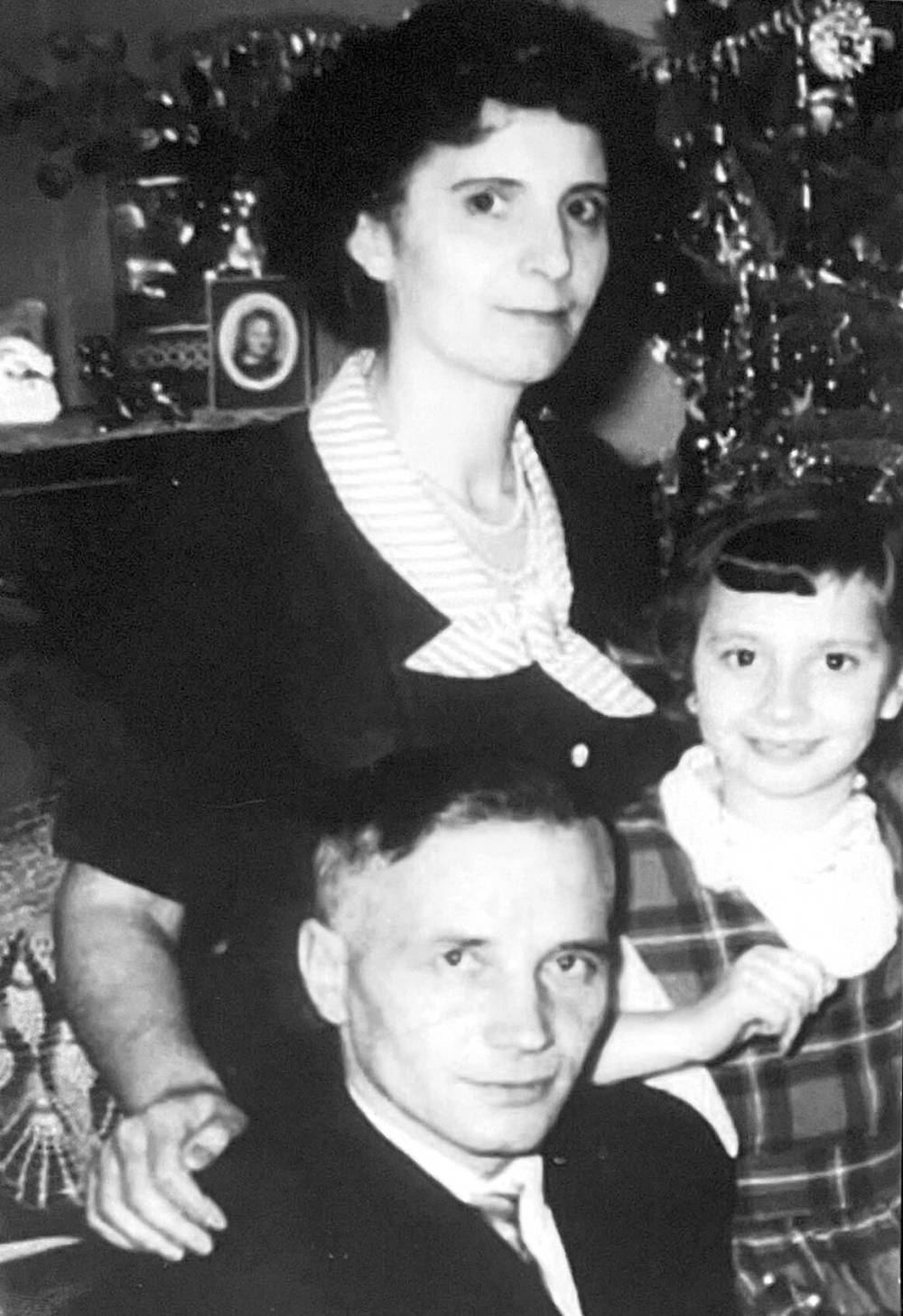
Supplied photo
In this 1956 photo, Irena Nikifortchuk (top) poses for a photo with her husband Sergei and daughter Lucy, Colby’s mother.
History
Updated on Monday, September 25, 2023 11:00 AM CDT: Corrects spelling in web headline and deck