Album reviews
Advertisement
Read this article for free:
or
Already have an account? Log in here »
To continue reading, please subscribe:
Digital Subscription
One year of digital access for only $1.44 a week*
- Enjoy unlimited reading on winnipegfreepress.com
- Read the E-Edition, our digital replica newspaper
- Access News Break, our award-winning app
- Play interactive puzzles
*Billed as $5.77 plus GST every four weeks. After 52 weeks, price increases to the regular rate of $19.95 plus GST every four weeks. Offer available to new and qualified returning subscribers only. Cancel any time.
To continue reading, please subscribe:
Add Free Press access to your Brandon Sun subscription for only an additional
$1 for the first 4 weeks*
- Enjoy unlimited reading on winnipegfreepress.com
- Read the E-Edition, our digital replica newspaper
- Access News Break, our award-winning app
- Play interactive puzzles
*Your next Brandon Sun subscription payment will increase by $1.00 and you will be charged $17.95 plus GST for four weeks. After four weeks, your payment will increase to $24.95 plus GST every four weeks.
Read unlimited articles for free today:
or
Already have an account? Log in here »
Hey there, time traveller!
This article was published 27/10/2023 (1090 days ago), so information in it may no longer be current.
ROCK
JEREMY DUTCHER
Motewolonuwok (Secret City)
When Jeremy Dutcher accepted the 2018 Polaris Prize for his first album, Wolastoqiyik Lintuwakonawa, he declared: “Canada, you are in the midst of an Indigenous renaissance.” Evidence of that proclamation has slowly but continuously revealed itself over the past five years — politically, socially, legally and culturally — and Dutcher, a classically trained operatic singer, musician and academic, is at the vanguard of this renaissance.
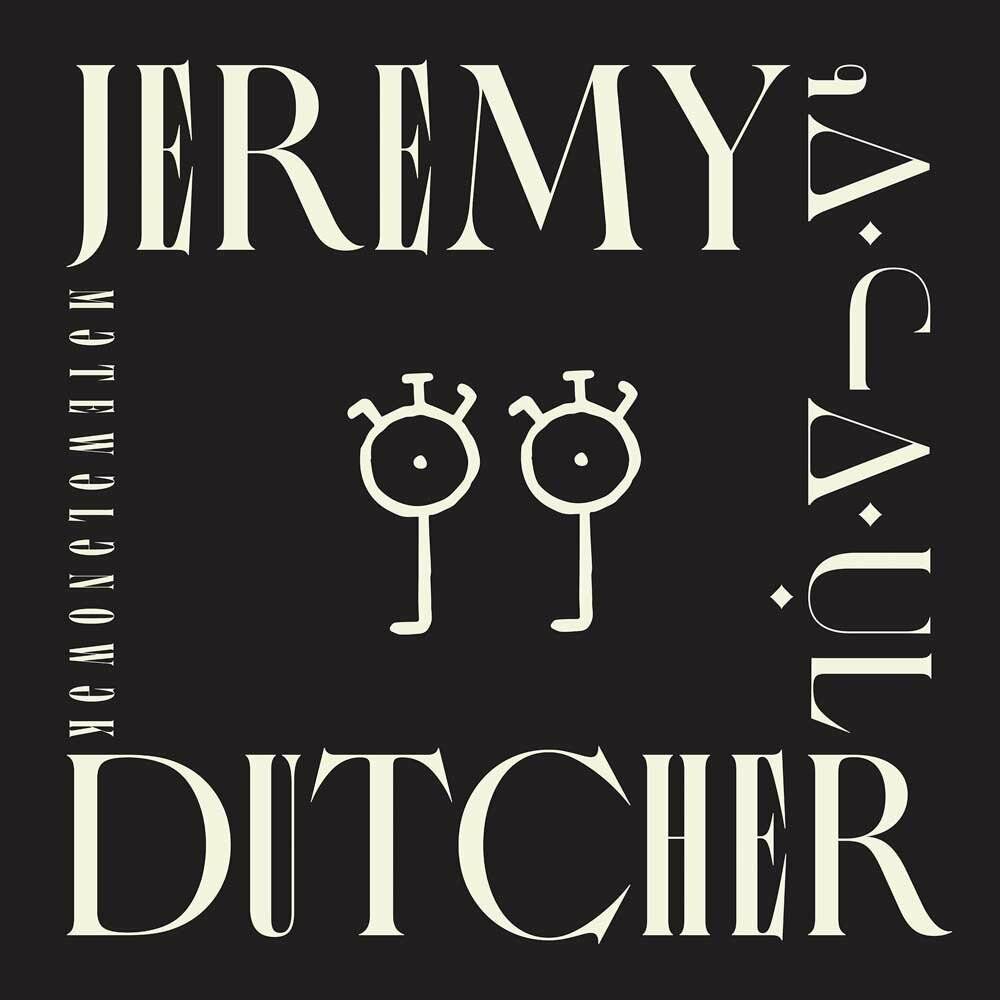
His first album featured 11 original compositions based on wax cylinder recordings of his Wolastoqiyik ancestors telling stories in their own language. It was sung entirely in Wolastoqey, which now has fewer than 100 everyday speakers, yet its combination of vibrant spirituality, expressive emotion, neo-classical instrumentation and Dutcher’s soaring, elastic tenor created a spellbinding sonic experience.
He has said he could have easily made another three or four archival recordings, but Dutcher has chosen a more personal path on Motewolonuwok, writing in both Wolastoqey and English as he explores the nature of love, beauty and his two-spirited self while also sharing his reflections about what it means to be Indigenous in Canada.
On songs such as Ancestors Too Young, in which he sings about teen suicide in northern Ontario, and The Land That Held Them, which touches on the stories of Tina Fontaine, Colten Boushie and Saskatoon’s “starlight tours,” Dutcher points out the harshest of realities. At the same time, on Take My Hand, Together We Emerge and Rise in Beauty, he summons a wellspring of hope rooted in love, compassion, acceptance and spirituality.
While the dramatic grace of Dutcher’s voice is a constant throughout this album’s 11 songs (his piano runs close second), he also expands his musical palette with a 12-voice choir on Sakom and beautiful string arrangements by Owen Pallett throughout. Yet there’s still room for a jazzy rock combo to work its way into the mix, bringing electric guitar buzz and skronking horns to Ancestors Too Young and a gentle indie vibe to Pomawsuwinuwok Wonakiyawolotuwok.
Jeremy Dutcher will perform at the Burton Cummings Theatre Saturday. ★★★★ out of five
Stream these: Skicinuwihku, Take My Hand, The Land That Held Them
— John Kendle
ROCK
Duran Duran
Danse Macabre (BMG)
There aren’t that many mainstream Halloween albums out there, so tip your masks to Duran Duran for giving us a treat this spooky season.
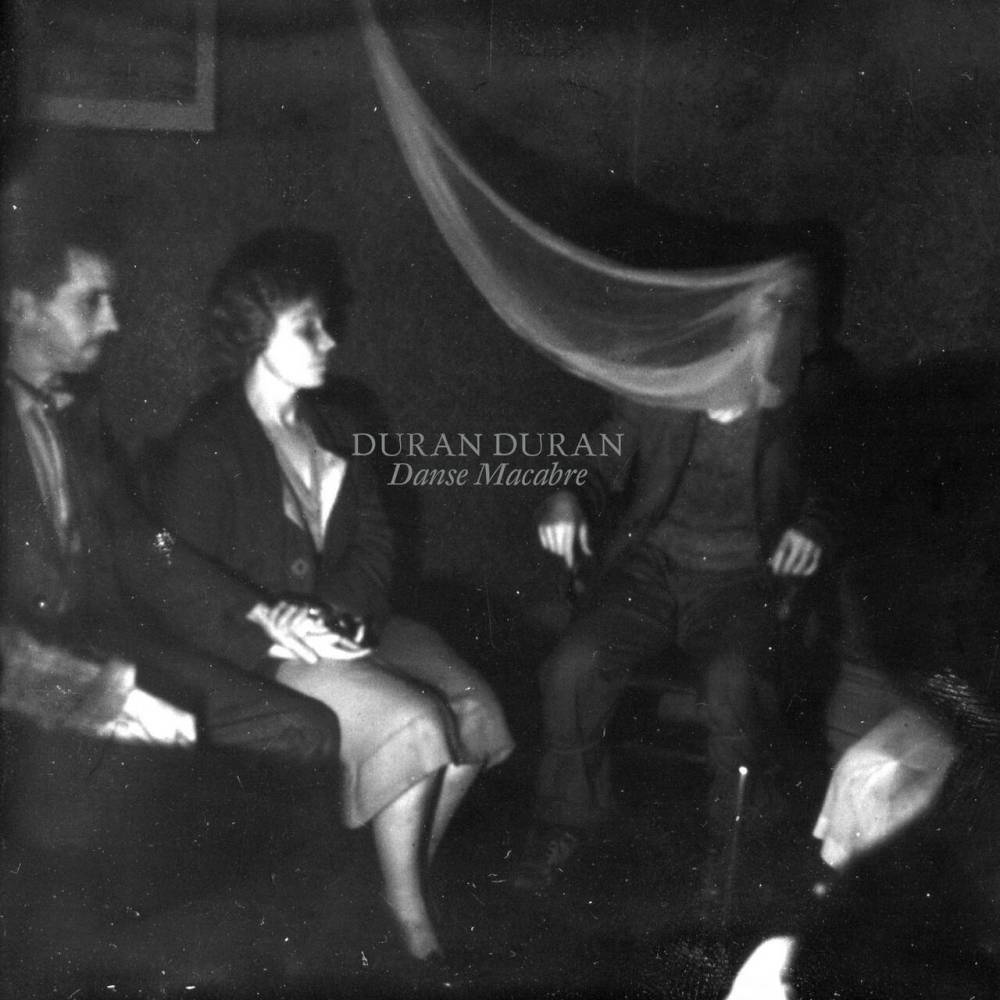
Danse Macabre is a 13-track mix of playfully dark original tunes and some seasonably appropriate covers, such as the Talking Heads’ Psycho Killer and Billie Eilish’s Bury a Friend. It all works better than you expected, a seminal ’80s band luxuriating in the thick synth dance hooks of an over-the-top holiday.
The title track is full blast of classic Duran Duran — a gothic slice of disco with an arch Simon Le Bon singing the band’s signature word soup: “Zombie in the back room, nuns in the bed/Kids in Kiss makeup toasting the bread.”
The band’s original lineup — Le Bon, Nick Rhodes, Roger Taylor, John Taylor and Andy Taylor — gather for a fine Rio-era sounding Nightboat and the unmistakably funky Nile Rodgers enlivens Black Moonlight, the album’s high point.
But there are also some nasty tricks, such as the band’s quizzical take on Eilish’s Bury a Friend. They’ve gone big when the original was brilliantly small and Le Bon has adopted a slight Eastern European accent, maybe going for a vampiric feel. “Vhaht do you vhant from me? Vhy don’t you run from me?” he sings. It’s a total car crash.
Better is the cover of the Rolling Stones’ Paint It Black, while their Psycho Killer is a cool, funky take. Duran Duran do a respectful cover of the Specials’ Ghost Town, but they unwittingly unspookify it with too many horns.
Listeners who get halfway through the band’s original Super Lonely Freak will suddenly get an extended blast of Rick James’ Super Freak. It’s like biting into a Snickers but it transforms into a Starburst — not altogether unwelcome but weird nonetheless.
Duran Duran are better off just sticking with their own music and ditching the covers. Halloween may be all about pretending to be someone else, but the boys in Duran should just be themselves. ★★½ out of five
Stream these: Danse Macabre, Psycho Killer
— Mark Kennedy, The Associated Press
JAZZ
Peripheral Vision
We’ve Got Nothing (Step 3)

Peripheral Vision is one of Canada’s best innovative and adventurous quartets. During one of their visits to Winnipeg, they took time to give a master class at a local high school as part of a commendable community outreach commitment. Co-led by guitarist Don Scott and bassist Michael Herring, Trevor Hogg is on tenor and Nick Fraser is on drums. They have been playing together for 15 years. The album was recorded live at The Tranzac, referred to as a creative music hub in Toronto.
They are always wonderfully creative in all their music, in this case the entire playlist was written by Scott or Herring. The tunes are avant-garde but retain cohesion and often a sense of fun. The album title is clearly a comment in that direction as they are far from having nothing. The opening track, Close the Paper and Play combines s jaunty mood with voiceovers by the whole band shouting out the title. It’s hilarious. Standing on Two Feet pulls the tempo and mood back to a lovely walking pace with Scott taking the centre stage. Cone of Silence has a similar groove; a gentle ballad with beautiful solos by each member.
The full-on fun and bounce of Full Disclosure Comedy Vehicle lets the quartet fly in many directions while the melody never totally disappears. It is deceptively complex and once more negates the “we’ve got nothing” comment.
This is contemporary jazz accessible at almost every level. The chemistry is tangible and the tongue-in-cheek album title simply brings a smile. Neuroses should always be so enjoyable. ★★★★½ out of five
Stream: I’ve Got Nothing, Close the Paper and Play
— Keith Black
London Symphony Orchestra,
Gianandrea Noseda
Prokofiev: Symphony No 5 in B-flat Major, Op. 100 (LSO Live)
The critically acclaimed London Symphony Orchestra led by Gianandrea Noseda tackles Prokofiev’s Symphony No. 5 in B flat major, Op. 100. Music forged in a crucible of war and political unrest in Stalinist Russia that never sounds old.
The album also marks the second offering in an ongoing cycle of Prokofiev symphonies by the LSO under Noseda’s baton, following its inaugural recording of Symphony No. 1 last March.
Composed in 1944 while the Second World War raged on, the gripping work originally intended as “a hymn to free and happy Man, to his mighty powers, his pure and noble spirit,” bristles with taut energy throughout its four movements, realized with sharp attack by the maestro and his players.
Following the opening Andante, including its electrifying coda pierced by a roaring tam-tam adding further dramatic punch, the musicians launch into the Allegro marcato, a driving scherzo propelled by sprightly winds and crisp strings as well an increasingly insistent snare drum. The following Adagio provides measures of relief, brought to life with dreamy nostalgia before the finale Allegro Giocoso, beginning with cello choir introduction caps the work with ironic humour. The maestro maintains a firm rein on the orchestra throughout before one final explosion of sound infused with pungent harmonies, repetitive melodic motives and the composer’s signature spiky rhythms brought to life by the LSO with militaristic zeal. ★★★★ out of five
Stream this: Allegro Giocoso
– Holly Harris