Czech wunderkind dazzles
Pianist Lukáš Vondráček displays masterful artistry on Mozart and Rachmaninoff works
Advertisement
Read this article for free:
or
Already have an account? Log in here »
To continue reading, please subscribe:

Digital Subscription
One year of digital access for only $205*
- Enjoy unlimited reading on winnipegfreepress.com
- Read the E-Edition, our digital replica newspaper
- Access News Break, our award-winning app
- Play interactive puzzles
*First annual payment billed as $205.00 + GST for one year. This annual subscription will automatically renew at $233.00 + GST every 52 weeks (10% off the regular annual price of $259.35). Offer available to new and qualified returning subscribers only. Cancel any time.
To continue reading, please subscribe:
Add Free Press access to your Brandon Sun subscription for only an additional
$1 for the first 4 weeks*
- Enjoy unlimited reading on winnipegfreepress.com
- Read the E-Edition, our digital replica newspaper
- Access News Break, our award-winning app
- Play interactive puzzles
*Your next Brandon Sun subscription payment will increase by $1.00 and you will be charged $17.95 plus GST for four weeks. After four weeks, your payment will increase to $24.95 plus GST every four weeks.
Read unlimited articles for free today:
or
Already have an account? Log in here »
Hey there, time traveller!
This article was published 19/01/2024 (946 days ago), so information in it may no longer be current.
The Winnipeg Symphony Orchestra offered an evening of darkness and light as it presented its latest concert in its Thursday Classics series, Vondráček Plays Mozart and Rachmaninoff.
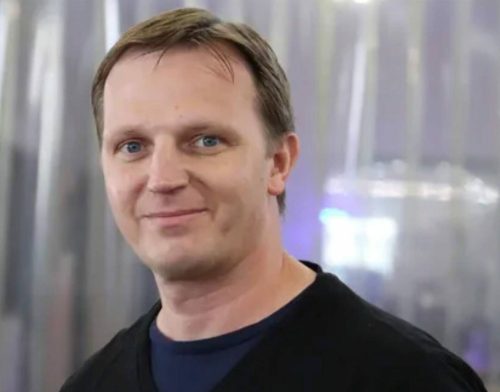
The 95-minute program (billed as 75, without intermission) led by Daniel Raiskin — who also served as affable host for the night — marked the return of renowned Czech pianist Lukáš Vondráček, who performed two starkly contrasting works.
The dynamo last appeared on this stage in April 2022, dazzling local fans with his fiery rendition of Dvorak’s Concerto in G minor.
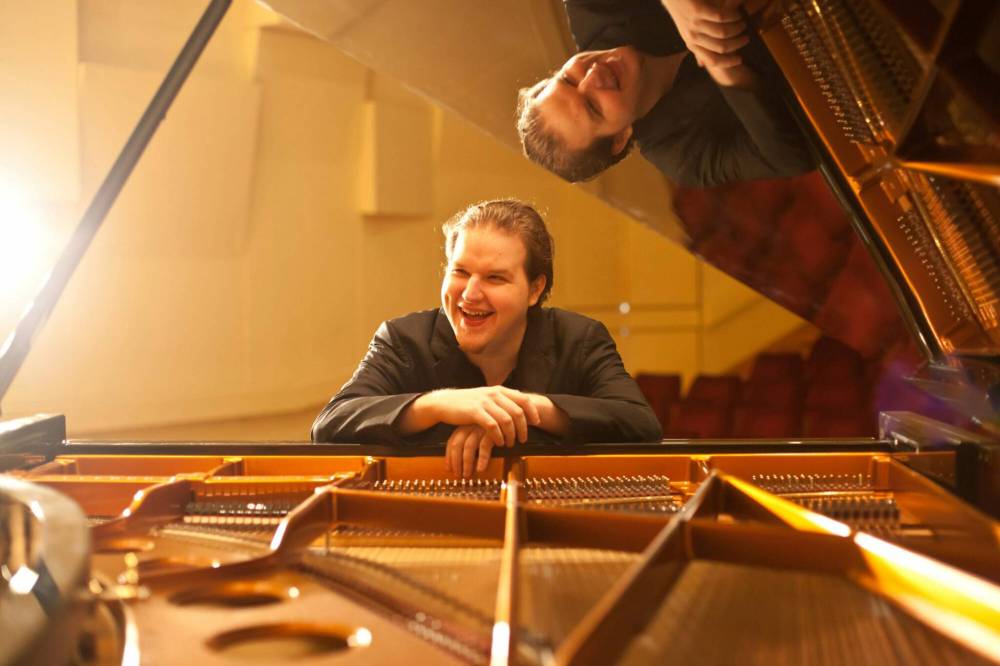
IRENE KIM PHOTO
Lukáš Vondráček showed off plenty of personality and punch with the WSO on Thursday.
His first offering, Mozart’s Concerto-Rondo in D major, evolved from the final movement of the wunderkind’s Piano Concerto No. 5 in D major, K. 175, was brimming with sunny, good-natured spirits as a set of variations based on an admittedly simple theme.
It also served to showcase Vondráček’s masterful artistry, with the former child prodigy packing plenty of personality and punch into each of its short sections, propelled by crisply executed runs and crystal clear embellishments.
After Raiskin’s quipping that the soloist’s fingers were “all warmed up for the big piece,” Vondráček took the stage again for his second work, Rachmaninoff’s Rhapsody on a Theme of Paganini, last heard here in 2011.
Based on the final caprice from Paganini’s Caprices for Solo Violin, the fiendishly difficult piece proved no match for the pianist as he stormed through its 24 variations, including heart-stopping, percussive opening chords and thundering octave runs.
Vondráček muscular approach also allowed the work’s Dies Irae theme extracted from the medieval Mass of the Dead to ring with gravitas, while Raiskin, clearly in tune with the soloist, kept a firm rein on the players throughout.
The perennially popular Variation 18, often performed as a stand-alone piece, provided momentary repose while also showcasing Vondráček’s more lyrical side and luminous tone as he artfully shaped its rhapsodic phrases that soared out into the house. A few more moments to breathe at the end would have been welcomed before this juggernaut fires up again for its final six variations.
As expected, Vondráček received a rousing standing ovation with a demand for three curtain calls by the crowd of 1,378, though its cries of bravo were met by Raiskin’s gentle benediction: “I think he’s played enough notes, so you’ll forgive no encore.”
The evening was rounded out by Tchaikovsky’s Francesca da Rimini, a symphonic poem inspired by the tragic tale of Francesca da Rimini as immortalized in Dante’s Divine Comedy. The maestro passionately led the players throughout the highly evocative, roughly 28-minute work, including its two outer sections depicting the fires of hell featuring the upper strings’ bone-chilling chromatic passagework.

Kudos to principal clarinettist Micah Heilbrunn for his exposed, eloquent “love theme” solo that serves as the eye of the storm, as well as the winds for their clear, bristling interpolations idiosyncratic to the Russian composer’s style.
The performance was given another worthy ovation.
Finally, the notable WSO première of Joseph Bologne, Chevalier de Saint-Georges’ Overture to L’Amant anonyme provided counterfoil to the night’s coming storms, offering a light-hearted confection on par with his 18th century, decidedly better-known contemporary Mozart.
Born of a French nobleman/plantation owner and an enslaved Black woman of Senegalese descent, the composer was also hailed as Europe’s finest fencer. The charming piece underscores the ever-prickly question of opportunity and privilege that continues to this day as one of the unsung heroes of the classical canon whose work should be performed again — and soon.
holly.harris@shaw.ca
Holly Harris writes about music for the Free Press Arts & Life department.
Our newsroom depends on a growing audience of readers to power our journalism. If you are not a paid reader, please consider becoming a subscriber.
Our newsroom depends on its audience of readers to power our journalism. Thank you for your support.