A piledriver of emotions Documentary looks at rite of passage for amateur wrestlers
Read this article for free:
or
Already have an account? Log in here »
To continue reading, please subscribe:

Digital Subscription
One year of digital access for only $205*
- Enjoy unlimited reading on winnipegfreepress.com
- Read the E-Edition, our digital replica newspaper
- Access News Break, our award-winning app
- Play interactive puzzles
*First annual payment billed as $205.00 + GST for one year. This annual subscription will automatically renew at $233.00 + GST every 52 weeks (10% off the regular annual price of $259.35). Offer available to new and qualified returning subscribers only. Cancel any time.
To continue reading, please subscribe:
Add Free Press access to your Brandon Sun subscription for only an additional
$1 for the first 4 weeks*
- Enjoy unlimited reading on winnipegfreepress.com
- Read the E-Edition, our digital replica newspaper
- Access News Break, our award-winning app
- Play interactive puzzles
*Your next Brandon Sun subscription payment will increase by $1.00 and you will be charged $17.95 plus GST for four weeks. After four weeks, your payment will increase to $24.95 plus GST every four weeks.
Read unlimited articles for free today:
or
Already have an account? Log in here »
Hey there, time traveller!
This article was published 02/08/2024 (760 days ago), so information in it may no longer be current.
It’s known as the “Death Tour” among professional wrestlers.
The tour is a two-week winter road trip spent travelling on ice roads to perform in remote northern Manitoba communities. For decades, the physically and emotionally demanding trek — organized by local promoter Tony Condello — has been a proving ground for wrestling greats and hopefuls alike.
VAN ROYKO STILL Wrestlers travel on ice roads and snowpacked highways to get to their northern Manitoba desitnations.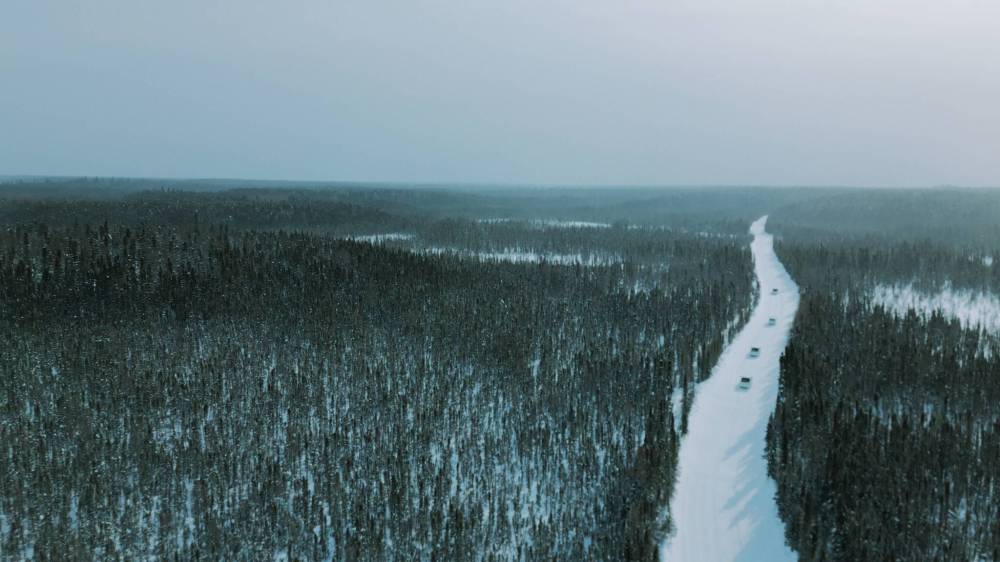
In a celebrated new documentary, the tour’s ominous moniker takes on a different meaning.
The Death Tour — co-directed by Stephan Peterson and Sonya Ballantyne with support from executive producer and tour alum Chris Jericho — follows a diverse group of wrestlers as they battle each other and their own demons. However, the focus quickly shifts beyond the ring.
SUPPLIED Death Tour co-director Stephan Peterson.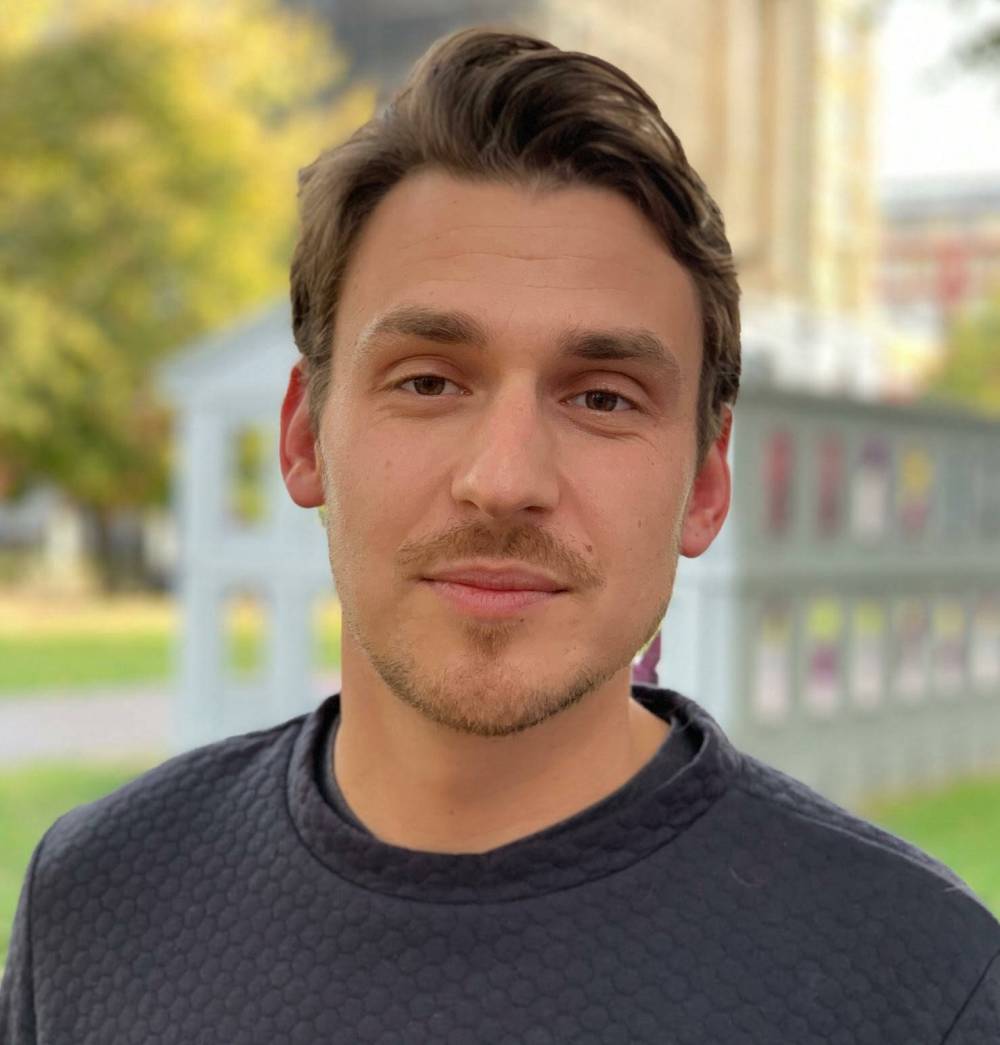
“I was really struck by the exchange between the communities and the wrestlers,” says Peterson, a filmmaker from Montreal who happened upon the tour while shooting a television show in Manitoba.
“This was more than just a film about wrestling.”
Without a connection to life in the north Peterson needed to find a local collaborator for his first feature length film and directorial debut.
Ballantyne is a Swampy Cree writer and filmmaker from Misipawistik Cree Nation now based in Winnipeg. Despite being a passionate lifelong wrestling fan, she was wary of getting involved in a project about hard fought glory and glossy wrestling personas.
“Many of the wrestlers we ended up going with had a really devastating background. That was more interesting to me than the stories they tell of their prowess,” she says.
SUPPLIED Death Tour co-director Sonya Ballantyne.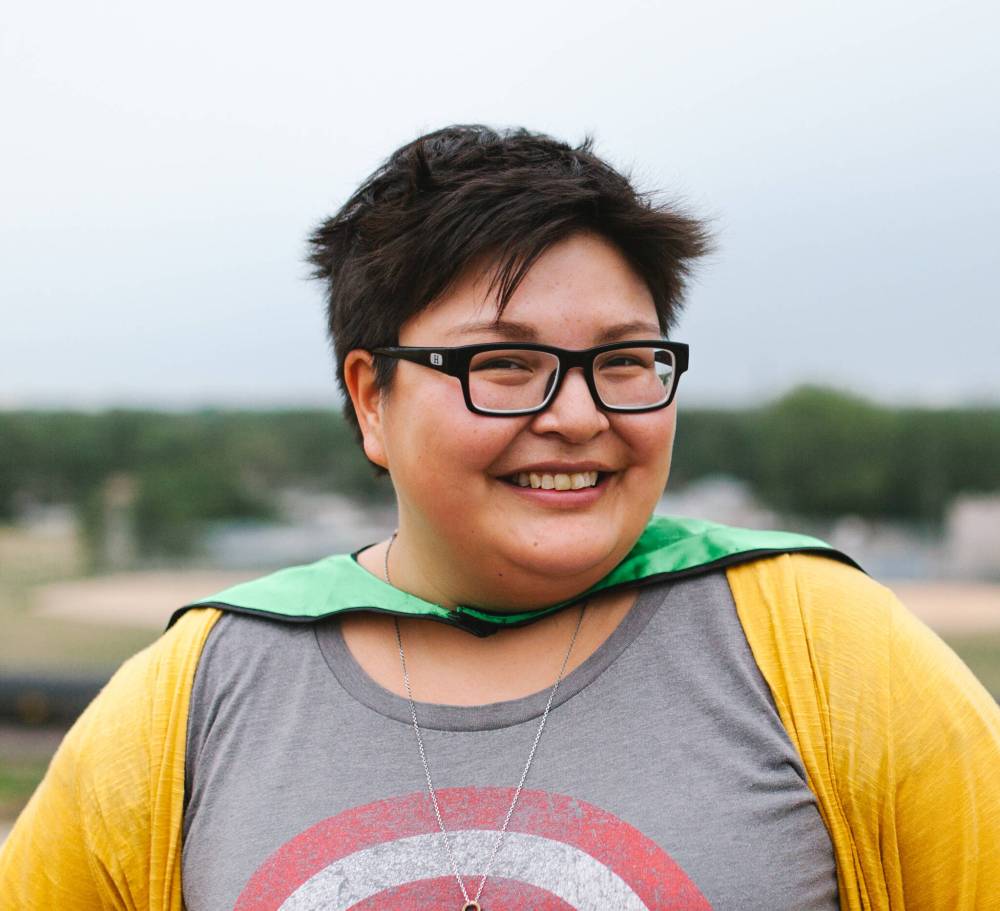
Luckily, Peterson and Ballantyne were on the same page.
Over 90 cinematic minutes, Death Tour chronicles the road trip from the perspective of four wrestlers — Sarah McNicoll (McKenrose The Scottish Warrior), Sean Dunster (Massive Damage), Sage Morin (The Matriarch) and Dez Loreen (The Eskimofo) — all of whom are pursuing an unlikely career in the entertainment sport, while dealing with addiction recovery, chronic injuries, personal trauma and imposter syndrome.
During filming, which took place in early 2023 following several years of pandemic delays, Ballantyne saw parallels between the wrestlers’ real lives, the fictional stories that played out in the ring and the legacy of colonization in Canada.
“That’s the story of being Indigenous in this country — there’s obstacles in your path to get anywhere. And I think that’s why a lot of Indigenous people connect to wrestling … you’re an underdog and the underdog always wins, no matter what,” she says.
Before the convoy departs Winnipeg, Condello warns anyone caught misbehaving will be left behind. The gruff tour organizer cares a great deal about preserving the relationships he’s fostered with First Nation communities since the 1980s.
As they travel north, the talent is seen sleeping on classroom floors and pitching in to build the tour’s well-worn ring in community halls and gymnasiums. They’re confronted with sky-high grocery prices and poor weather conditions. They also come face-to-face with the suicide epidemic plaguing many isolated First Nations in Canada — several members of communities along the tour route died by suicide during filming.
Movie screenings
The Death Tour
Dave Barber Cinematheque, 100 Arthur St.
Tickets $6.50 to 10.50 at davebarbercinematheque.com
- Aug. 9, 7 p.m.
- Aug. 10, 5 and 9:45 p.m.
- Aug. 11, 7:15 p.m.
- Aug. 15, 9:15 p.m.
- Aug. 18, 5:15 p.m.
While the documentary doesn’t sugarcoat the often harsh reality of life as a touring wrestler or life on reserve, Ballantyne wanted to share an equal message of hope.
“I wanted to tell a story about Indigenous joy,” she says. “I love wrestling and I love being Indigenous, but as a kid I was often teased for being a fan of wrestling and I was majorly teased for being native. This movie incorporates two of my favourite things at their best.”
The most affecting scenes in Death Tour come after the count when the wrestlers are swarmed by excited fans and starstruck kids. The shows offer a much needed dose of triumph and escapism for everyone in the makeshift arenas.
The tour and the documentary have left a lasting mark on the cast and crew. Dunster and Morin have since started working on a suicide prevention organization, dubbed “The Life Tour,” aimed at supporting Indigenous youth across the country.
For the filmmakers, it was a lesson in believing in their own vision.
“By the end of the shoot, I felt like I could take on anything,” says Ballantyne, who got to meet several of her wrestling idols in the process.
Having legendary wrestler Chris Jericho join the project was further confirmation.
VAN ROYKO STILL A child in a luchador mask watches a Death Tour match. 
“I was hoping to find a way to show others about this cool world and subculture that was very unique without poking fun at it and while doing it with respect,” Peterson says.
“Having that buy-in from him told us we were headed in the direction. It was important to get (wrestling) fans behind this film.”
Death Tour has received praise on the international film festival circuit, including at Slamdance and Cannes. The 89-minute documentary opens in Winnipeg next week with six screenings at Dave Barber Cinematheque this month. Following the Aug. 9 première, Peterson, Ballantyne, Condello, Morin, Dunster and wrestler Levi Night will be on hand for an audience Q & A session.
“This is a Winnipeg story,” Peterson says. “Anyone from Winnipeg who’s into wrestling has heard of this tour, has heard of Tony (Condello) or has known someone on the tour, so this screening is really important to me.”
eva.wasney@winnipegfreepress.com
X: @evawasney
If you value coverage of Manitoba’s arts scene, help us do more.
Your contribution of $10, $25 or more will allow the Free Press to deepen our reporting on theatre, dance, music and galleries while also ensuring the broadest possible audience can access our arts journalism.
BECOME AN ARTS JOURNALISM SUPPORTER
Click here to learn more about the project.

Eva Wasney has been a reporter with the Free Press Arts & Life department since 2019. Read more about Eva.
Every piece of reporting Eva produces is reviewed by an editing team before it is posted online or published in print — part of the Free Press‘s tradition, since 1872, of producing reliable independent journalism. Read more about Free Press’s history and mandate, and learn how our newsroom operates.
Our newsroom depends on a growing audience of readers to power our journalism. If you are not a paid reader, please consider becoming a subscriber.
Our newsroom depends on its audience of readers to power our journalism. Thank you for your support.

History
Updated on Friday, August 2, 2024 6:29 AM CDT: Fixes typo
Updated on Friday, August 2, 2024 9:48 AM CDT: Minor copy edit