Easiest part of holiday dinner is picking the wine

Advertisement
Read this article for free:
or
Already have an account? Log in here »
To continue reading, please subscribe:

Digital Subscription
One year of digital access for only $205*
- Enjoy unlimited reading on winnipegfreepress.com
- Read the E-Edition, our digital replica newspaper
- Access News Break, our award-winning app
- Play interactive puzzles
*First annual payment billed as $205.00 + GST for one year. This annual subscription will automatically renew at $233.00 + GST every 52 weeks (10% off the regular annual price of $259.35). Offer available to new and qualified returning subscribers only. Cancel any time.
To continue reading, please subscribe:
Add Free Press access to your Brandon Sun subscription for only an additional
$1 for the first 4 weeks*
- Enjoy unlimited reading on winnipegfreepress.com
- Read the E-Edition, our digital replica newspaper
- Access News Break, our award-winning app
- Play interactive puzzles
*Your next Brandon Sun subscription payment will increase by $1.00 and you will be charged $17.95 plus GST for four weeks. After four weeks, your payment will increase to $24.95 plus GST every four weeks.
Read unlimited articles for free today:
or
Already have an account? Log in here »
Hey there, time traveller!
This article was published 14/12/2024 (628 days ago), so information in it may no longer be current.
As wine-and-food pairings go, your typical Christmas/holiday dinner is one of the easier meals to navigate with only one major exception: almost any wines you choose will likely end up being a hit.
The only wines you’ll want to avoid for your festive feast are big, dry and tannic reds. With turkey as the centrepiece of most December holiday dinners, grippy red Bordeaux, punchy California Cabernet, rustic Rioja and the like are simply too intense for such a meal and will overpower your bird and all the trimmings.
Even if you’re doing ham this year, avoid such full-bodied reds.
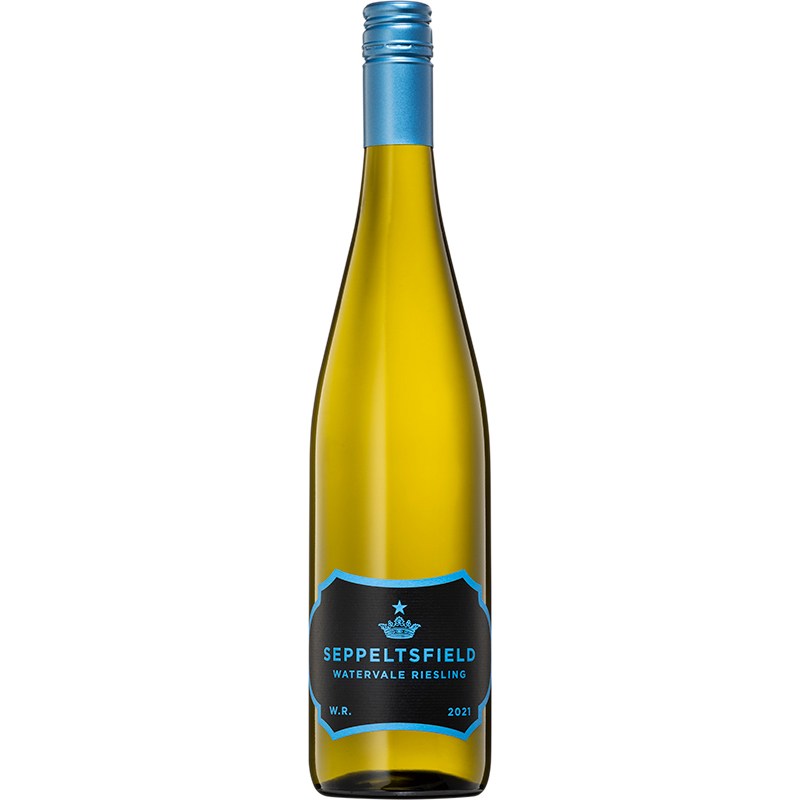
When it comes to your holiday meal, white wines of all styles tend to shine, but Riesling, both dry and off-dry, tends to glow just a bit brighter. In the former category is the Seppeltsfield 2023 Watervale Riesling (Clare Valley, Australia — $32.99, Liquor Marts and beyond), new-ish to our market and offering lovely lemon zest, chalky, green apple skin and floral aromas. It’s light-bodied and bone-dry, with fresh lemon and green apple flavours arriving with a beautiful chalky note, a hint of marmalade and racy, mouth-watering acidity. This is a Riesling that will convert those skeptics who don’t think they like the grape because it’s “too sweet.” 4.5/5
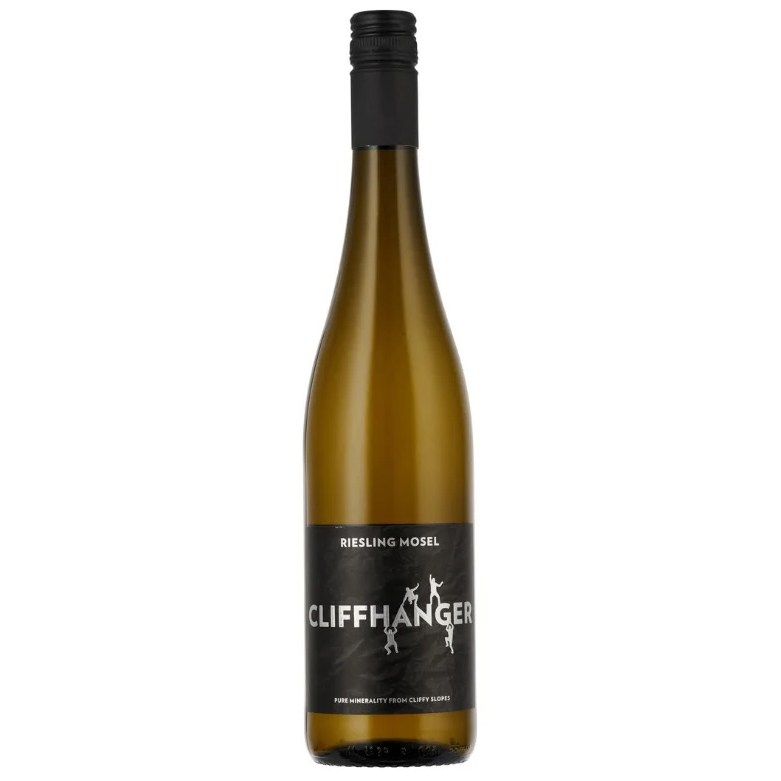
If you are after something with a touch of sweetness, the Cliffhanger 2022 Riesling Feinherb (Mosel, Germany — $24.99, Jones and Company Wine Merchants) is a lovely example of the stuff, pale gold in colour and with honeyed, sweet red apple, lemon candy and chalky aromas. On the light-plus bodied palate the slight sweetness (it’s 10.5 per cent alcohol, landing somewhere between off-dry and medium-sweet) highlights the red apple, lemon candy, peach and honeyed notes, with underlying spice and chalkiness adding complexity. A lovely tipple from Germany’s Mosel region. 4/5
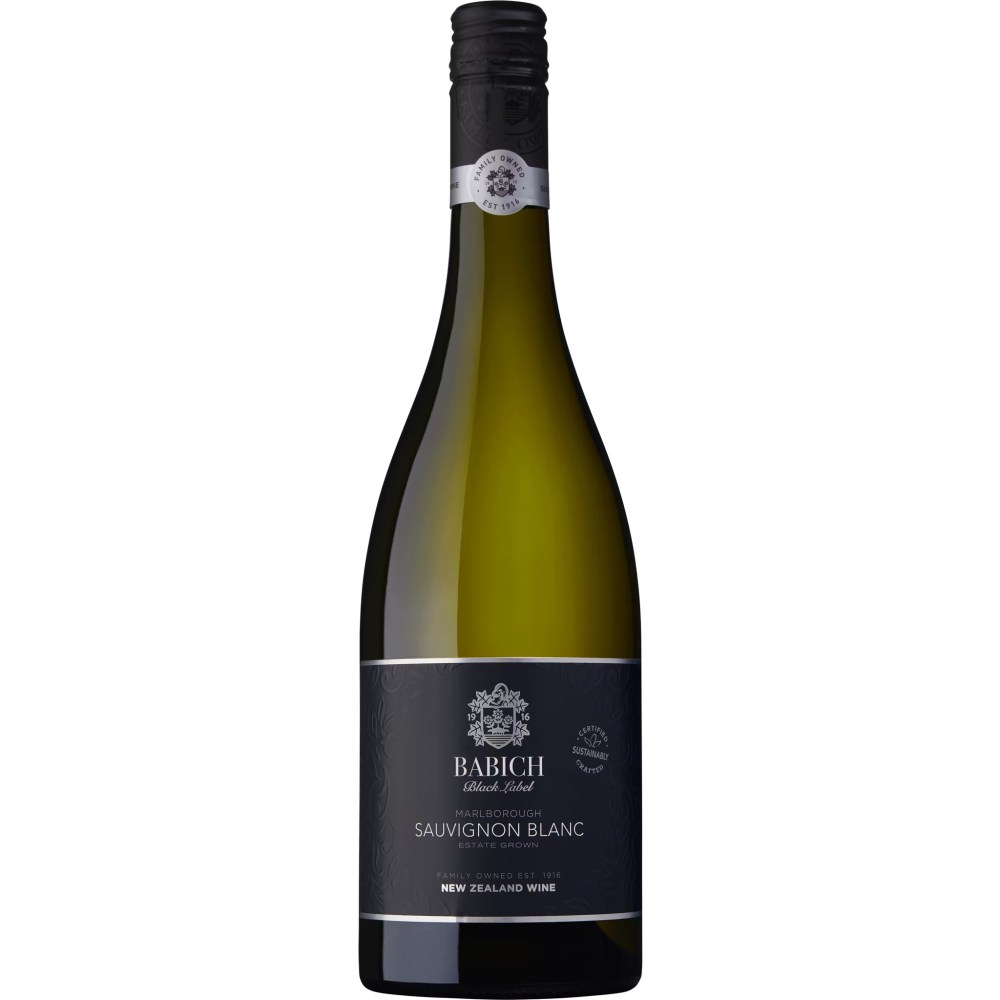
Sauvignon Blanc is consistently a versatile, racy white that works well with all manner of seasonal dishes. The Babich 2023 Black Label Sauvignon Blanc (Marlborough, New Zealand — $24.99, Liquor Marts and beyond) is the kiwi winery’s reserve-tier example of the grape, offering bright and lively tropical fruit, lemon-lime, green apple and chalky aromas, with hints of mineral notes in there as well. It’s a dry and light-bodied with an explosion of fresh gooseberry, lime, grapefruit and tropical flavours as well as a chalky component and subtle hints of grassy and bell pepper notes. Lively and zippy, but with an equally complex flavour profile — excellent. 4.5/5
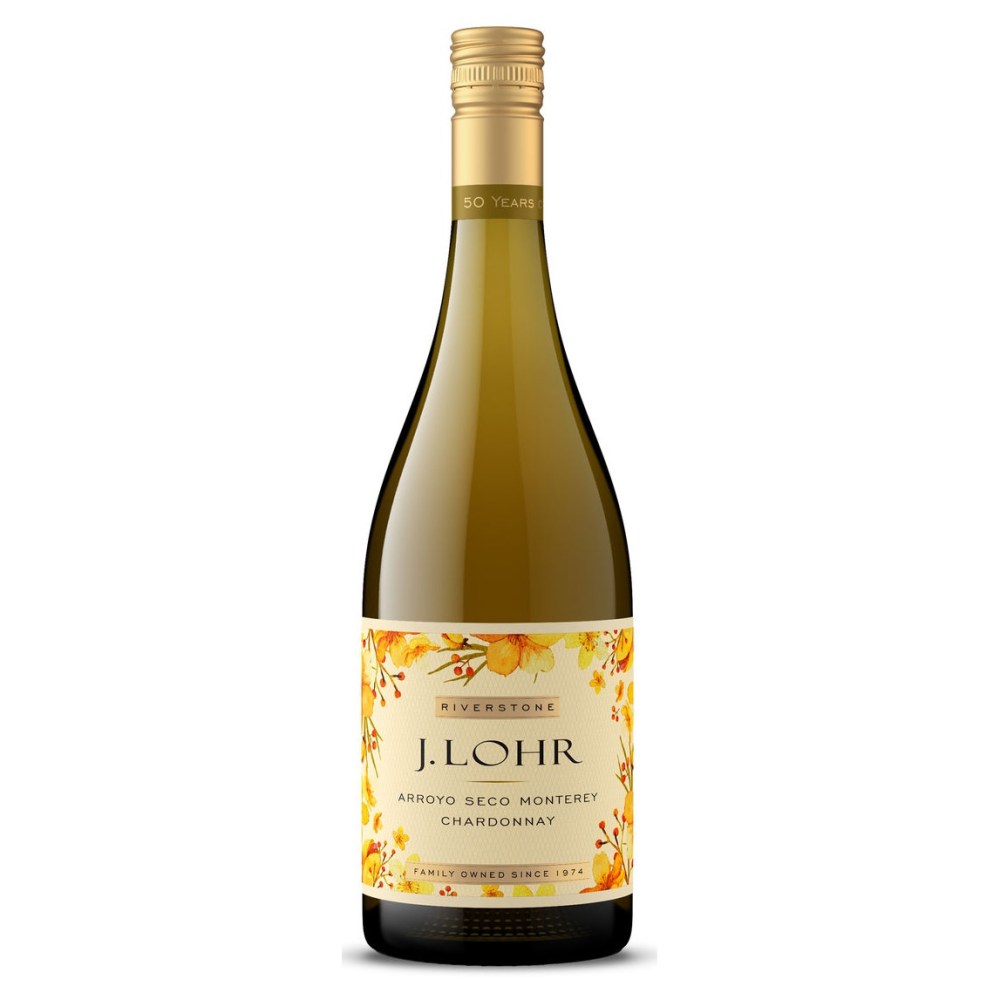
For a white with a little more weight but not too much wood, the J. Lohr 2022 Riverstone Chardonnay (Arroyo Seco/Monterey, Calif. — $23.99, Liquor Marts and beyond) is a stalwart California Chardonnay sourced from relatively cooler-climate regions of the Golden State. Aromatically it offers tropical, red apple and peach notes along with hints of vanilla, spice and sweet lemon. It’s medium-bodied and dry, offering all manner of peach, papaya, pineapple, red apple, mineral and spice notes as well as a hint of vanilla from aging in older barrels. If there’s an “anything but Chardonnay” guest at your dinner table, this wine might change their mind. 4/5
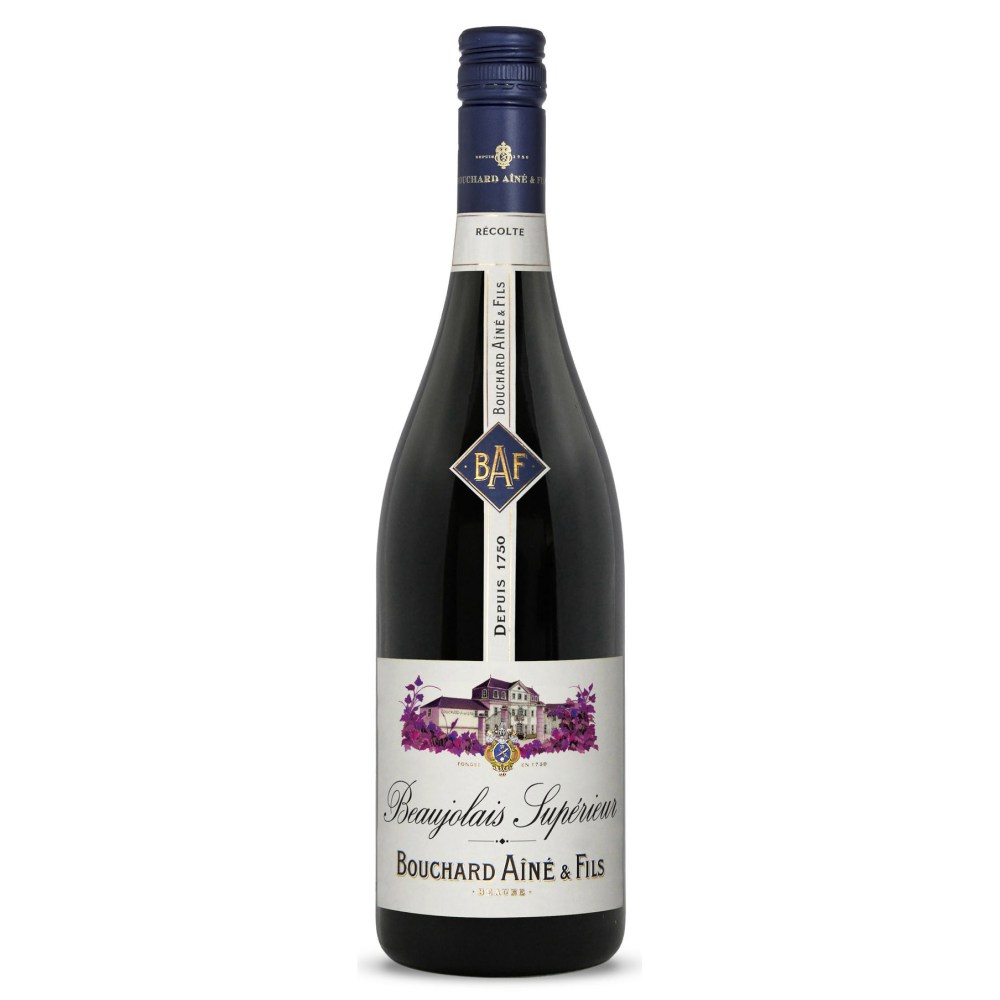
For red wines, stick with lighter and fruit-driven options. Normally Beaujolais Nouveau is a killer pairing for Christmas dinner, but the stuff was in very short supply this year; instead try the Bouchard Aîné & Fils 2022 Beaujolais Supérieur (Beaujolais, France — $19.99, Liquor Marts and beyond). Bright garnet in colour, it offers fresh cherry, strawberry and raspberry aromas with subtle bubble gum and violet notes. On the dry but juicy and light-plus bodied palate those red berry flavours shine through, coming with the lightest of tannins and modest acidity. Fun, fruity and food-friendly. 3.5/5
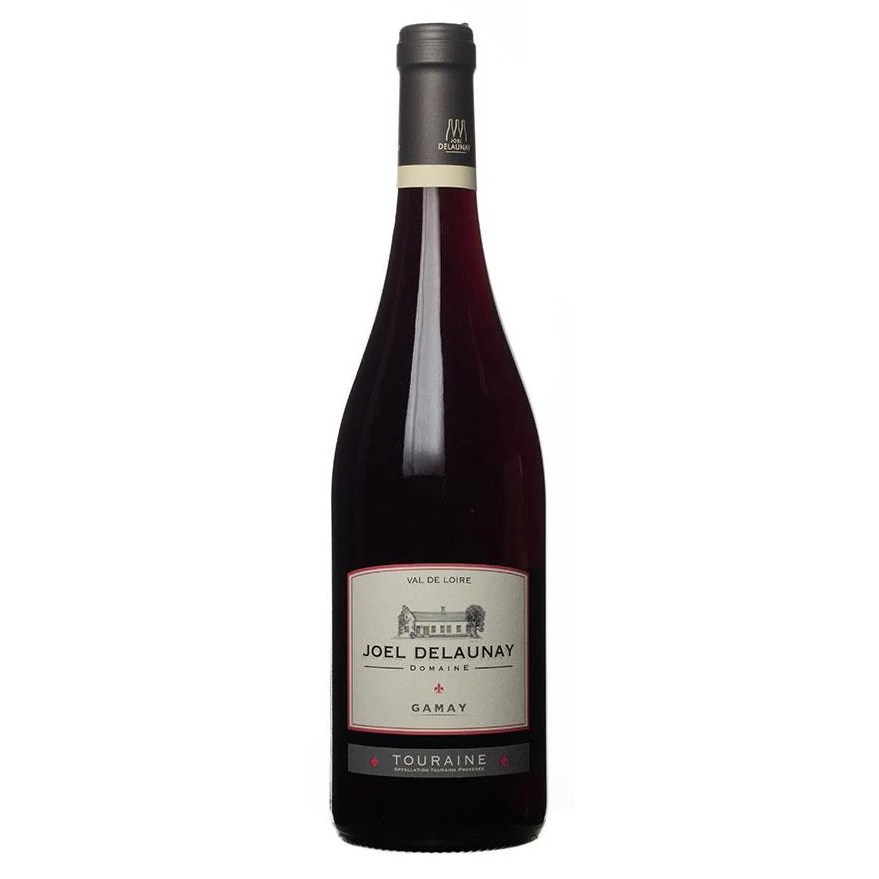
Made from the same grape as the Bouchard is the Joel Delaunay 2021 Gamay (Touraine, France — $27.99, Kenaston Wine Market), sourced from the Touraine sub-appellation of France’s Loire Valley, a cooler region where most reds are actually made from the Cabernet Franc grape. Pale ruby in colour, the nose offers intriguing cherry, cranberry, violet, earth, and licorice notes. It’s dry and light-plus bodied, with more complex flavours than the Bouchard — think ripe cherry, raspberry and cranberry but also herbal, white pepper and spice notes — with a splash of acidity, modest tannins and a short-ish finish. Chill this red for 15-20 minutes (and the Bouchard, for that matter) and enjoy. 4/5
uncorked@mts.net
@bensigurdson

Ben Sigurdson
Literary editor, drinks writer
Ben Sigurdson is the Free Press‘s literary editor and drinks writer. He graduated with a master of arts degree in English from the University of Manitoba in 2005, the same year he began writing Uncorked, the weekly Free Press drinks column. He joined the Free Press full time in 2013 as a copy editor before being appointed literary editor in 2014. Read more about Ben.
In addition to providing opinions and analysis on wine and drinks, Ben oversees a team of freelance book reviewers and produces content for the arts and life section, all of which is reviewed by the Free Press’s editing team before being posted online or published in print. It’s part of the Free Press‘s tradition, since 1872, of producing reliable independent journalism. Read more about Free Press’s history and mandate, and learn how our newsroom operates.
Our newsroom depends on a growing audience of readers to power our journalism. If you are not a paid reader, please consider becoming a subscriber.
Our newsroom depends on its audience of readers to power our journalism. Thank you for your support.
Ben Sigurdson
Literary editor, drinks writer
Ben Sigurdson is the Free Press‘s literary editor and drinks writer. He graduated with a master of arts degree in English from the University of Manitoba in 2005, the same year he began writing Uncorked, the weekly Free Press drinks column. He joined the Free Press full time in 2013 as a copy editor before being appointed literary editor in 2014. Read more about Ben.
In addition to providing opinions and analysis on wine and drinks, Ben oversees a team of freelance book reviewers and produces content for the arts and life section, all of which is reviewed by the Free Press’s editing team before being posted online or published in print. It’s part of the Free Press‘s tradition, since 1872, of producing reliable independent journalism. Read more about Free Press’s history and mandate, and learn how our newsroom operates.
Our newsroom depends on a growing audience of readers to power our journalism. If you are not a paid reader, please consider becoming a subscriber.
Our newsroom depends on its audience of readers to power our journalism. Thank you for your support.
Advertisement Advertise With Us
Advertisement Advertise With Us