Taking Reel Pride in transformation
‘It’s more of an arts festival, not necessarily just strictly the film festival that it used to be’

Advertisement
Read this article for free:
or
Already have an account? Log in here »
To continue reading, please subscribe:
Digital Subscription
One year of digital access for only $1.44 a week*
- Enjoy unlimited reading on winnipegfreepress.com
- Read the E-Edition, our digital replica newspaper
- Access News Break, our award-winning app
- Play interactive puzzles
*Billed as $5.77 plus GST every four weeks. After 52 weeks, price increases to the regular rate of $19.95 plus GST every four weeks. Offer available to new and qualified returning subscribers only. Cancel any time.
To continue reading, please subscribe:
Add Free Press access to your Brandon Sun subscription for only an additional
$1 for the first 4 weeks*
- Enjoy unlimited reading on winnipegfreepress.com
- Read the E-Edition, our digital replica newspaper
- Access News Break, our award-winning app
- Play interactive puzzles
*Your next Brandon Sun subscription payment will increase by $1.00 and you will be charged $17.95 plus GST for four weeks. After four weeks, your payment will increase to $24.95 plus GST every four weeks.
Read unlimited articles for free today:
or
Already have an account? Log in here »
Hey there, time traveller!
This article was published 17/09/2025 (404 days ago), so information in it may no longer be current.
Reel Pride isn’t entering a mid-life crisis.
At 40, the annual Winnipeg LGBTTQ+ film festival appears as forward-looking as ever — though at the moment, its president, Ray Desautels, is feeling reflective about its arc.
“The festival started at a time when … you didn’t see LGBTQ characters on television, and if you did, they were shown in a very poor light or very stereotypical way,” he says.
Supplied
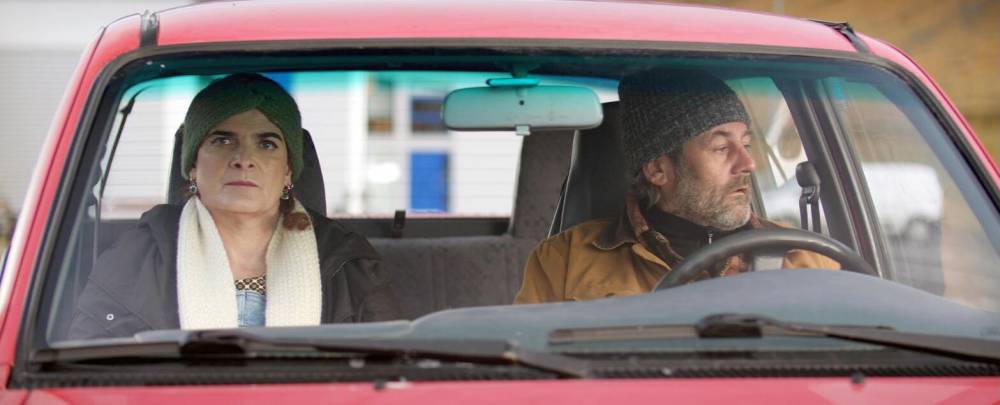
Odd Fish follows childhood friends Björn and Hjalti as they open a restaurant and as Björn transitions into Birna.
“It’s become more, I think, a gathering place for queer people and queer arts … It’s more of an arts festival, not necessarily just strictly the film festival that it used to be. So we’re a gathering place for the queer community and its allies and supporters.”
Reel Pride — Canada’s oldest LGBTTQ+ film fest — now features a free art show, with works exhibited every day of the festival at the Gas Station Arts Centre, and a dozen or so short films — to complement the seven feature films it’s showing over five days at GSAC and the Canadian Museum for Human Rights.
To highlight some of them:
- Close to You, showing at 9 p.m. tonight at the GSAC, is Canadian actor Elliot Page’s well-known, well-received passion project — a fictional, but often improvised, film about a trans man’s messy, tender experiences returning to his rustbelt hometown near Lake Ontario.
- Drône (showing Thursday at the GSAC at 9 p.m.) is a French film about an architecture student at an elite university who finds she’s being stalked through Paris by a mysterious drone. Like so many elevated “genre” movies these days, Drône’s premise is clearly metaphorical, a commentary on the ever-present male gaze in the digital age that works as a taut thriller too.
- The documentary Assembly (showing at 7 p.m. tonight at the GSAC) records the spectacular transformation of New York City’s Park Avenue Armory in 2022 from military facility into a sort of Afro-futurist space for immersive video, dance and sculptural experiences in New Year’s great drag ballroom tradition.
“The (festival’s early) films would have been probably a little more controversial… They were very few of them. Now there’s literally hundreds of them, good quality,” says Desautels.
They were controversial not only because the queer lifestyle was less accepted, but also likely because the queer cinema of that era could be especially provocative.
The 1990s, after years of fearmongering around the AIDS crisis, were a particularly raucous decade for queer cinema. While queer lifestyles were increasingly accepted in the mainstream, the “new queer cinema” movement came out punching, revelling in the subversive spirit of queer underground cinemas, raves and meeting places.
The countercultural works of Canadian filmmakers such as Bruce LaBruce and, a little later, Winnipegger Noam Gonick thumbed their noses at both straight and mainstream gay culture, exploring radical politics, fetishes and rave music in titles like Hustler White and Hey, Happy!
Desautels notes the festival’s continued engagement in recent years with trans identity and politics — a controversial subject less on the radar of earlier generations of queer filmmakers.
Supplied
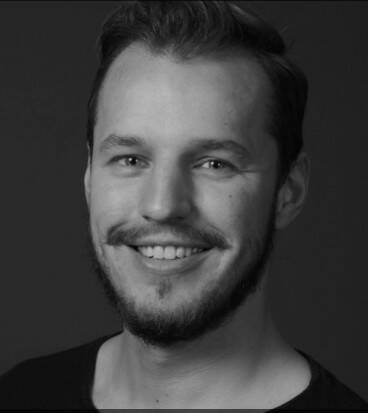
Snævar Sölvi Sölvason
Though there’s nothing that says this can’t come in the form of a wholesome comedy.
Odd Fish (which shows at 7 p.m. on Friday at the GSAC) is about childhood BFFs Hjalti and Björn, now middle-aged, who are opening a seafood restaurant in Iceland’s Westfjords.
Björn becomes Birna in the dramedy that topped Iceland’s box office — and which, like Page’s film, deals with struggles around trans identity in a blue-collar town, but with a few twists.
“Who are we as a nation, as a people? What our values? That is a topic or a theme in the film,” says the film’s 40-year-old writer-director Snævar Sölvi Sölvason, who himself grew up in the small fishing community of Bolungarvík.
“My heart is still in the village, so to speak,” he adds, before describing his fascination with Gimli, which hosts the world’s largest Icelandic population outside of Iceland.
Sölvason, whose filmmaking is celebrated for its sharp and authentic dialogue, wanted to offer a complex picture of life and politics in the fjords.
“There was a woman in my hometown who’s transgender … When it came to dealing with the guys, you know, the bulldozer driver or something like that, she was scared about ‘What will Johnny say?’ and so on,” he explains. “But it was the opposite. They were supportive.”
Odd Fish follows a similar thread. While Birna’s best friend is bewildered by her transformation, the lads and fishermen at the pub are mostly accepting.
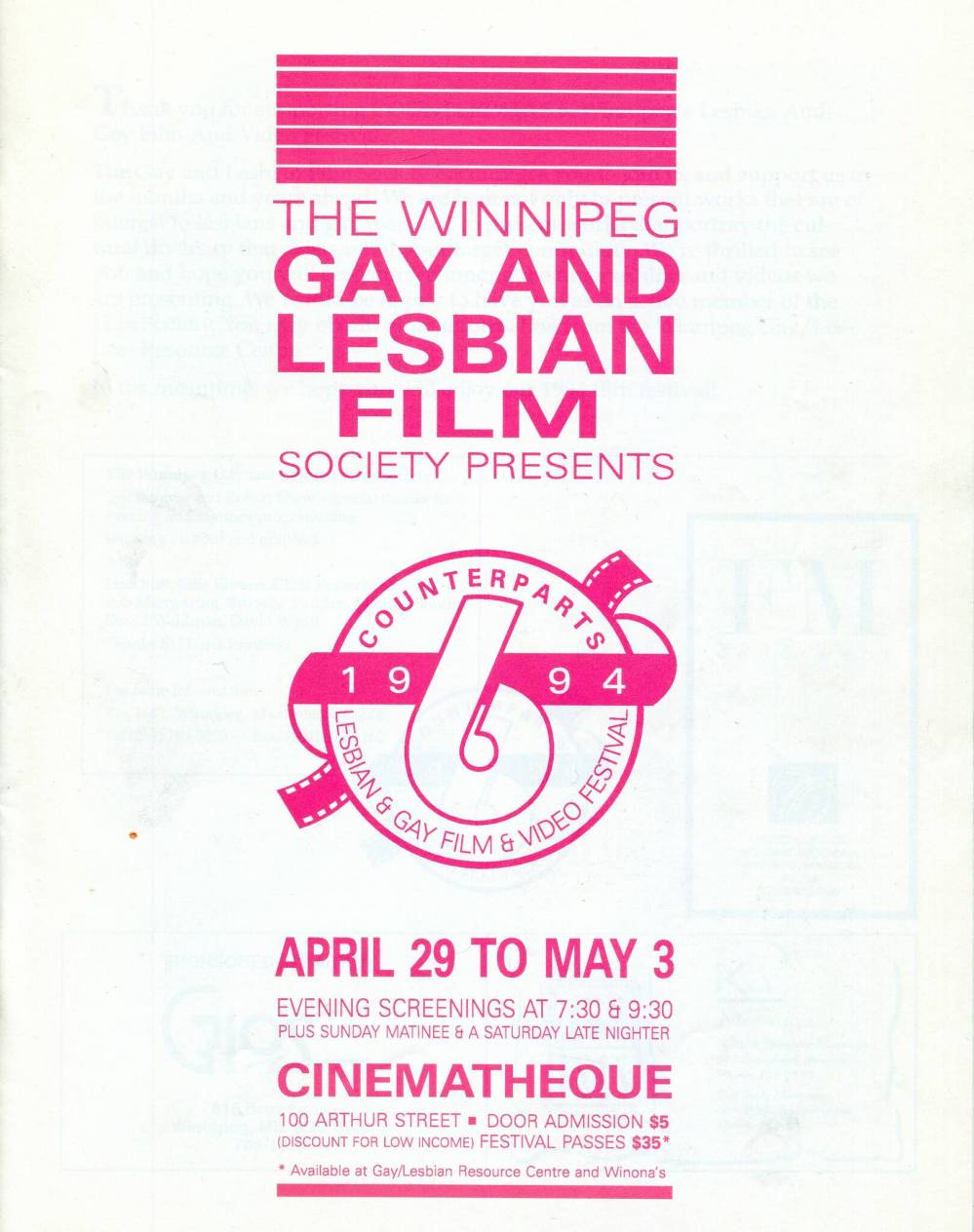
Reel Pride began in 1994 and has evolved into a wider expression of queer arts.
Desautels observes that many of this year’s Reel Pride’s selections depict queerness in the complex ways it’s experienced within diverse communities across the world.
“The stories are told in a natural setting. It’s not like a forced queer setting where they’ve thrown a character in, or they’re stretching the story to make it to the queer,” he says.
“There’s sports, there’s love, there’s tragedy, there’s something for everyone. It’s really a cultural experience.”
conrad.sweatman@freepress.mb.ca
Conrad Sweatman is an arts reporter and feature writer. Before joining the Free Press full-time in 2024, he worked in the U.K. and Canadian cultural sectors and freelanced for outlets including The Walrus, VICE and Prairie Fire. Read more about Conrad.
Our newsroom depends on a growing audience of readers to power our journalism. If you are not a paid reader, please consider becoming a subscriber.
Our newsroom depends on its audience of readers to power our journalism. Thank you for your support.
Festival Preview
Reel Pride International Film Festival
- Gas Station Arts Centre, 445 River Avenue
- Canadian Museum for Human Rights, 85 Israel Asper Way
- Opens today, runs to Sunday
- Tickets $10, passes $65 available online
Conrad Sweatman is an arts reporter and feature writer. Before joining the Free Press full-time in 2024, he worked in the U.K. and Canadian cultural sectors and freelanced for outlets including The Walrus, VICE and Prairie Fire. Read more about Conrad.
Our newsroom depends on a growing audience of readers to power our journalism. If you are not a paid reader, please consider becoming a subscriber.
Our newsroom depends on its audience of readers to power our journalism. Thank you for your support.
Advertisement Advertise With Us
Advertisement Advertise With Us
History
Updated on Wednesday, September 17, 2025 10:44 AM CDT: Updates showtime for Close to You to 9 p.m from 7 p.m.
Updated on Thursday, September 18, 2025 2:27 PM CDT: Fixed cutline