Raise a glass to the mighty Malbec — now, better than ever

Advertisement
Read this article for free:
or
Already have an account? Log in here »
To continue reading, please subscribe:

Digital Subscription
One year of digital access for only $205*
- Enjoy unlimited reading on winnipegfreepress.com
- Read the E-Edition, our digital replica newspaper
- Access News Break, our award-winning app
- Play interactive puzzles
*First annual payment billed as $205.00 + GST for one year. This annual subscription will automatically renew at $233.00 + GST every 52 weeks (10% off the regular annual price of $259.35). Offer available to new and qualified returning subscribers only. Cancel any time.
To continue reading, please subscribe:
Add Free Press access to your Brandon Sun subscription for only an additional
$1 for the first 4 weeks*
- Enjoy unlimited reading on winnipegfreepress.com
- Read the E-Edition, our digital replica newspaper
- Access News Break, our award-winning app
- Play interactive puzzles
*Your next Brandon Sun subscription payment will increase by $1.00 and you will be charged $17.95 plus GST for four weeks. After four weeks, your payment will increase to $24.95 plus GST every four weeks.
Read unlimited articles for free today:
or
Already have an account? Log in here »
Every year on April 17, lovers of big, inky, dark red wines raise a glass to the much-loved Malbec grape.
Dubbed Malbec World Day, the fêting of the grape variety is thought to be in honour of the arrival of the grape to Argentina in the 1850s, an initiative spearheaded by then-president Domingo Faustino Sarmiento. (Why “Malbec World Day” instead of “World Malbec Day” is a topic for another time.)
These days, Argentine winemarketers and producers trumpet Malbec World Day in order to get the country’s wines in front of thirsty consumers. So be it: it’s as good a reason as any to reflect on the grape variety that produces deep, jammy red wines.
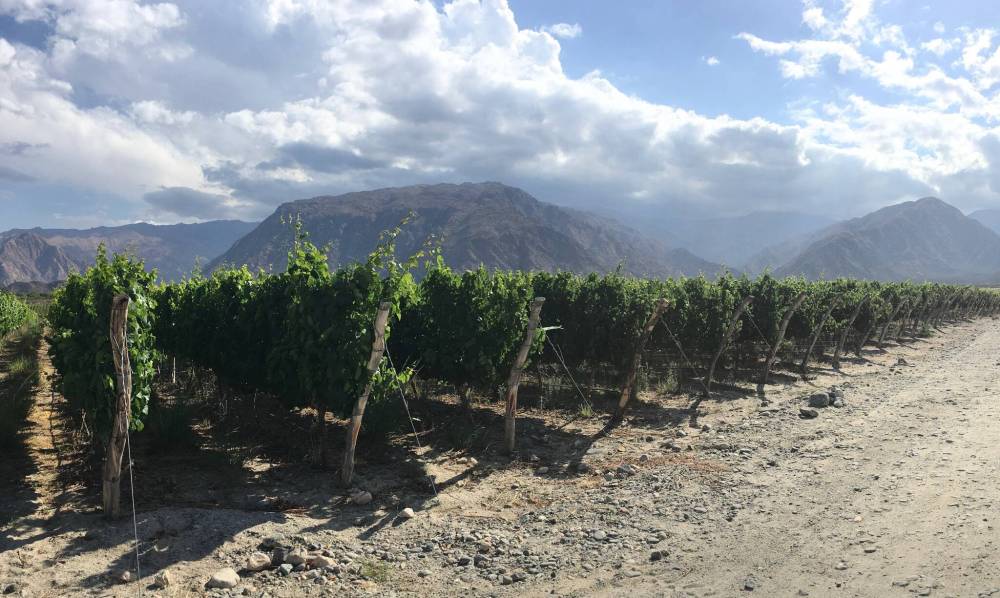
While Argentina — particularly the Mendoza region — is far and away the world’s biggest producer of Malbec wines, the grape’s arrival in the 1850s came via France. Malbec is one of the red grape varieties allowed in the production of wines in the Bordeaux region, although it plays more of a supporting role to Cabernet Sauvignon and Merlot.
It’s southwest of Bordeaux, in the Cahors region, where Malbec (or Côt, as it’s called locally) rules the roost. Cahors has a history of winemaking in the area going back centuries; these days reds from the region must contain at least 70 per cent Malbec, with the balance permitted to be made up of Tannat or Merlot. The Malbecs from Cahors tend to be a bit more rough and rustic than most Argentine examples, although the addition of Merlot in particular can help smooth out the edges.
Argentine Malbec, meanwhile, emerged as a global force in the 1990s, when producers embraced the variety as its flagship grape much in the same way New Zealand producers trumpet Sauvignon Blanc. The first wave of Argentine Malbec to hit our market in the ’90s was cheap, overly fruity, simple and somewhat boring, but that low price point and their prevalence in the market saw the wines really take off.
It was when producers really started to drill into differences in winemaking technique, terroir and elevation that Argentine Malbec hit its stride quality-wise. Rather than make overly ripe and alcoholic reds in sweltering conditions at the base of the Andes Mountains, many producers began planting vines further up the eastern edge of the range, evading balmy temps while continuing to let the fruit bask in the sunlight of the area and receive some natural irrigation from the snow-capped peaks of the mountains. Argentina is now home to the highest-elevation vineyards in the world, with many vines planted well over 1,300 metres above sea level. Producers are now also embracing the differences in soil and climate between sub-regions of Mendoza such as Uco Valley, San Rafael and Tupungato.
Many Argentine wineries have also moved away from dumping their wine into new oak barrels for extended periods of time, and are producing more nuanced wines aged in stainless steel (particularly the entry-level wines), older and neutral oak barrels or large concrete eggs called amphorae before bottling. These vessels don’t wallop the wine with wood like new oak would, allowing for better-balanced reds.
So while World Malbec Day has come and gone, there’s never a bad time to explore how wines made from the grape have evolved.
Wines of the week
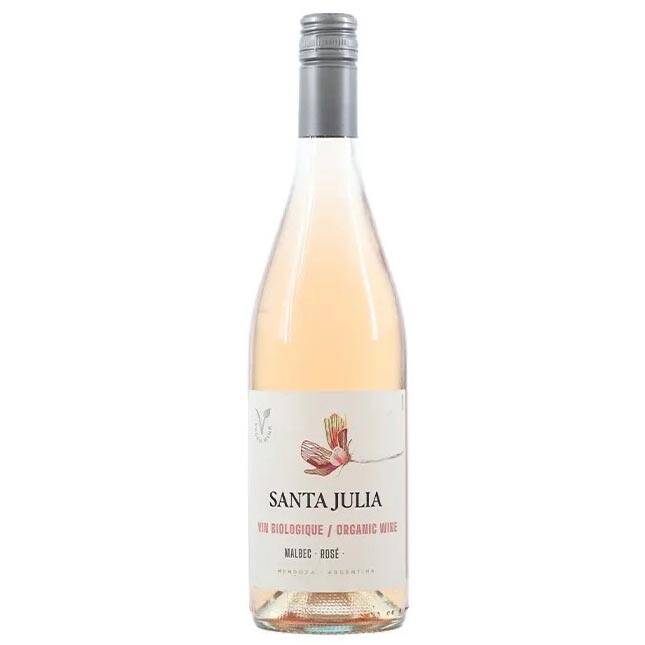
Santa Julia 2024 Malbec Rosé (Mendoza, Argentina — $17.99, Liquor Marts and beyond)
Made from organic Malbec grapes, this rosé is pale orange-pink in appearance and brings bright strawberry, raspberry and peach notes aromatically.
It’s light-plus bodied and quite ripe, with strawberry, raspberry and cherry flavours exploding on the palate with just a hint of sweetness, while fun secondary peach candy and watermelon notes, light acidity and 13.5 per cent alcohol work well on the back end.
Try with salads, mild/creamy cheeses or grilled shrimp. 3.5/5
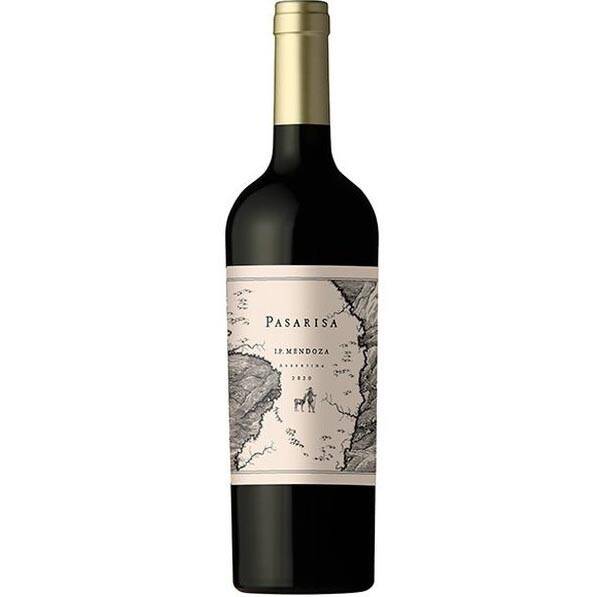
Catena 2022 Pasarisa Malbec (Mendoza, Argentina — $21.99, Liquor Marts and beyond)
From the winery of Laura Catena, arguably the figurehead for Argentine Malbec, comes a plush, fruit-driven example of the grape.
Inky purple in appearance, it brings jammy blueberry, blackberry and raspberry aromas with a secondary milk chocolate component. It’s medium-plus bodied, ripe and plush, with dense, almost-confected blackberry and blueberry flavours with a decided vanilla and cocoa note (presumably from oak aging), soft and ripe tannins and, at 14 per cent, a long and warm finish.
For those who like a ripe, almost-sweet red, this is the Malbec for you. 3/5
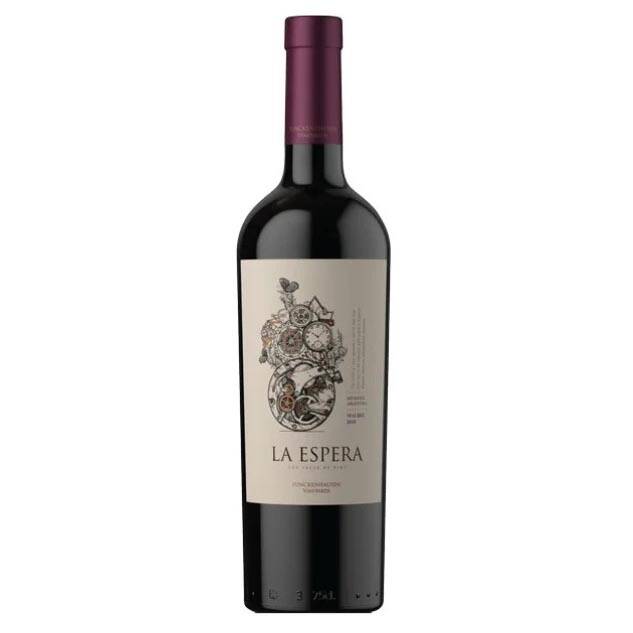
Funckenhausen Vineyards 2024 La Espera Malbec (Mendoza, Argentina — around $20, private wine stores)
Sourced from grapes planted at 850 metres above sea level in the semi-desert San Rafael sub-region of Mendoza, aromatically this Malbec brings earthy notes along with blackberry, plum, tomato leaf and white pepper components.
It’s full-bodied and juicy — only 30 per cent of the wine sees time in oak barrels, and just six months — with ripe blackberry, tart plum, cocoa powder, raspberry and cracked pepper flavours as well as modest tannins, juicy acidity and, at 13.8 per cent alcohol, a warm, medium-length finish.
A solid drink-now and fruit-forward wine with just a bit more going on than when first tasted a few years back. Drink with empanadas, medium-sharp cheeses or ribs. Available at G.J. Andrews, Calabria Market and the Pourium. 3.5/5
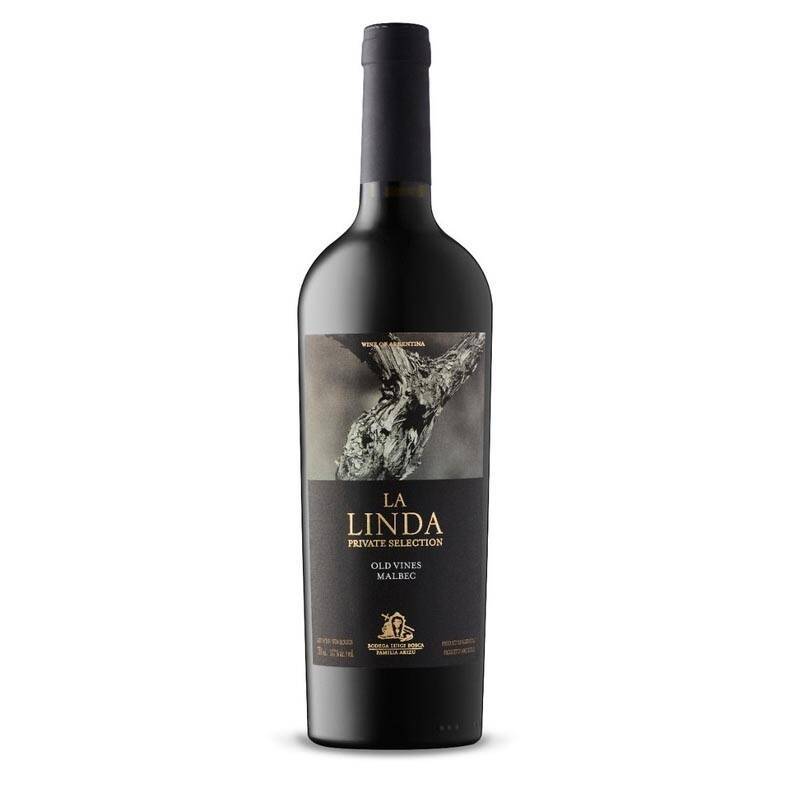
Luigi Bosca 2024 La Linda Old Vines Malbec (Mendoza, Argentina — $26, De Nardi Wines)
Grapes for this red are sourced from the Maipu and Lujan de Cuyo sub-regions of Mendoza, with 50- to 60-year-old vines located about 800 metres above sea level.
It’s medium garnet in appearance and brings violet, ripe plum and blackberry aromas with a hint of baking spice; on the dry, full-bodied palate those flavours come with subtle mocha and vanilla from aging in used French oak barrels.
Acidity is modest and the 13.5 per cent alcohol brings warmth on the finish. Drink now — it’s nice on its own or would work with grilled meat (think Argentine asado), empanadas, sharp cheeses or burgers. 4/5
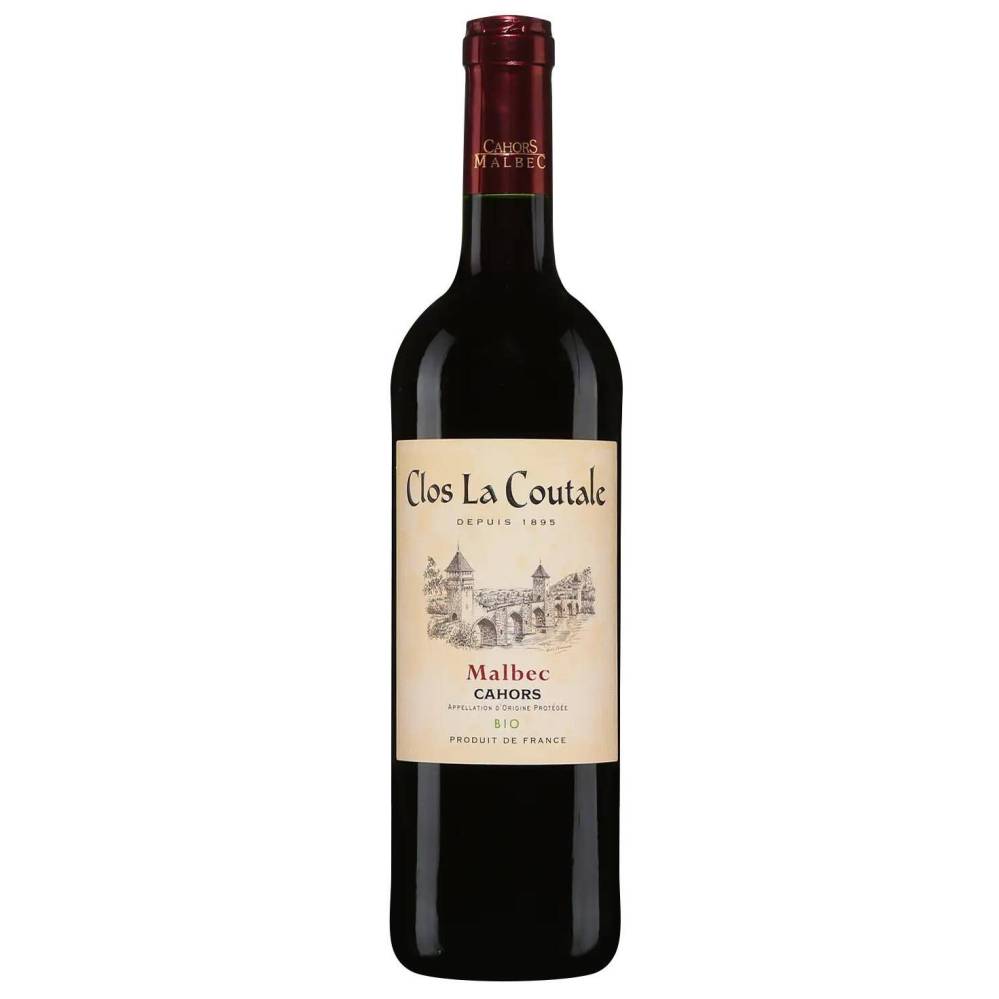
Clos la Coutale 2023 Malbec (Cahors, France — $19.90, Liquor Marts and beyond)
This organic French red is an 85-15 Malbec-Merlot split; aromatically it brings violet, red licorice, cassis, white pepper and plum notes, with a good deal of dark, ripe fruit as well.
On the dry, full-bodied palate the more rustic, earthy and peppery components come through, with a hint of vanilla (from one year of maturation in barrels and casks) also joining the berry/dark fruit flavours.
It’s sufficiently ripe but comes with nice structure including medium tannins that provide grip and, at 13.5 per cent alcohol, a long, persistent finish.
Approachable now (with steak or some such roasted meat), or could be tucked away for 2-4 years. Better than when tasted a few years back. 4/5
winnipegfreepress.com/bensigurdson
Ben Sigurdson
Literary editor, drinks writer
Ben Sigurdson is the Free Press‘s literary editor and drinks writer. He graduated with a master of arts degree in English from the University of Manitoba in 2005, the same year he began writing Uncorked, the weekly Free Press drinks column. He joined the Free Press full time in 2013 as a copy editor before being appointed literary editor in 2014. Read more about Ben.
In addition to providing opinions and analysis on wine and drinks, Ben oversees a team of freelance book reviewers and produces content for the arts and life section, all of which is reviewed by the Free Press’s editing team before being posted online or published in print. It’s part of the Free Press‘s tradition, since 1872, of producing reliable independent journalism. Read more about Free Press’s history and mandate, and learn how our newsroom operates.
Our newsroom depends on a growing audience of readers to power our journalism. If you are not a paid reader, please consider becoming a subscriber.
Our newsroom depends on its audience of readers to power our journalism. Thank you for your support.
Ben Sigurdson
Literary editor, drinks writer
Ben Sigurdson is the Free Press‘s literary editor and drinks writer. He graduated with a master of arts degree in English from the University of Manitoba in 2005, the same year he began writing Uncorked, the weekly Free Press drinks column. He joined the Free Press full time in 2013 as a copy editor before being appointed literary editor in 2014. Read more about Ben.
In addition to providing opinions and analysis on wine and drinks, Ben oversees a team of freelance book reviewers and produces content for the arts and life section, all of which is reviewed by the Free Press’s editing team before being posted online or published in print. It’s part of the Free Press‘s tradition, since 1872, of producing reliable independent journalism. Read more about Free Press’s history and mandate, and learn how our newsroom operates.
Our newsroom depends on a growing audience of readers to power our journalism. If you are not a paid reader, please consider becoming a subscriber.
Our newsroom depends on its audience of readers to power our journalism. Thank you for your support.
Advertisement Advertise With Us
Advertisement Advertise With Us