Cinematheque celebrates LGBTTQ+ director’s catalogue
Advertisement
Read this article for free:
or
Already have an account? Log in here »
To continue reading, please subscribe:

Digital Subscription
One year of digital access for only $205*
- Enjoy unlimited reading on winnipegfreepress.com
- Read the E-Edition, our digital replica newspaper
- Access News Break, our award-winning app
- Play interactive puzzles
*First annual payment billed as $205.00 + GST for one year. This annual subscription will automatically renew at $233.00 + GST every 52 weeks (10% off the regular annual price of $259.35). Offer available to new and qualified returning subscribers only. Cancel any time.
To continue reading, please subscribe:
Add Free Press access to your Brandon Sun subscription for only an additional
$1 for the first 4 weeks*
- Enjoy unlimited reading on winnipegfreepress.com
- Read the E-Edition, our digital replica newspaper
- Access News Break, our award-winning app
- Play interactive puzzles
*Your next Brandon Sun subscription payment will increase by $1.00 and you will be charged $17.95 plus GST for four weeks. After four weeks, your payment will increase to $24.95 plus GST every four weeks.
Read unlimited articles for free today:
or
Already have an account? Log in here »
As a distinct and important voice in queer cinema, director Gregg Araki’s sex-filled, nihilistic films about LGBTTQ+ life have left a lasting impact on indie films.
To end off the summer, Winnipeggers will have a rare one-week opportunity to experience the Los Angeles-born filmmaker’s work in theatres at Dave Barber Cinematheque from Aug. 28 to Sept. 6.
The series is to celebrate Araki’s newest movie, I Want Your Sex (which opens tonight and runs to Tuesday),and incorporates some of his more well-known works along with older films that aren’t usually screened, says Olivia Norquay, film programmer for Cinematheque.
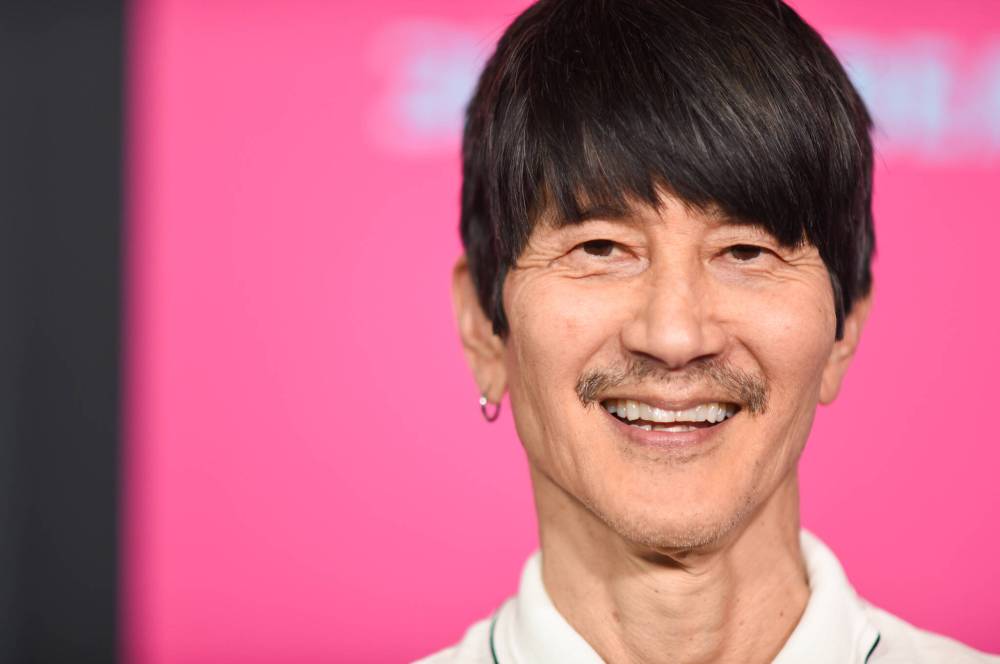
Richard Shotwell / Invision / AP
Director Gregg Araki arrives at the premiere of “I Want Your Sex” on July 28 in Los Angeles. The film will be screened at Cinematheque tonight to Tuesday.
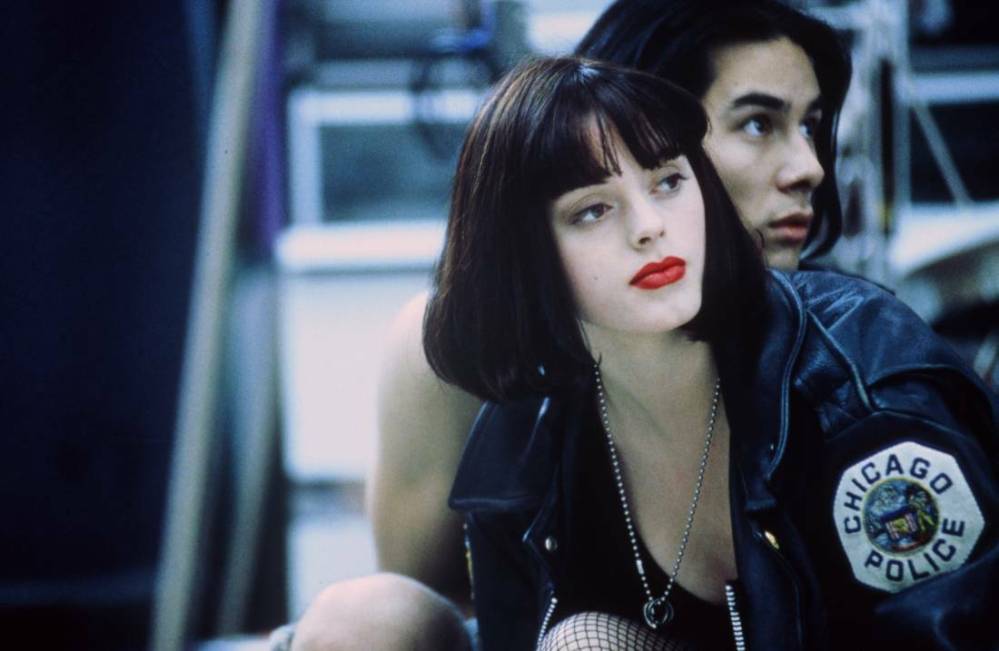
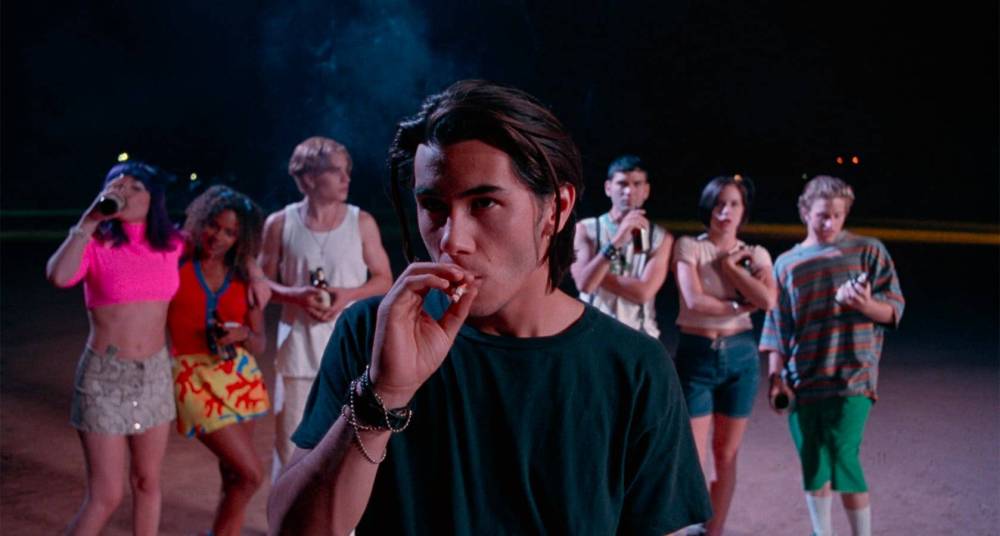
One of the most important inclusions for Norquay is Araki’s Teen Apocalypse trilogy, which includes Totally F***ed Up (1993), The Doom Generation (1995) and Nowhere (1997).
“They’re really esthetic and very hyper-stylized films, but they also can be quite angry, as well as romantic,” she says. “They do have this, like, teenage or adolescent view of the world and in a lot of ways I just think they’re all so chaotic and hectic and bright.”
Each instalment of the trilogy focuses on a group of queer teens who are spiritually discontented and trying to find meaning in a chaotic and seemingly meaningless world. All this happens in the backdrop of the cultural wasteland of the early 1990s during the economic recession and the peak of the AIDS epidemic, thus the name Teen Apocalypse.
Along with the trilogy, Norquay is also looking forward to Splendor (1999), which will be screened in 35-millimetre film.
“It’s exciting because (Cinematheque is) able to show 35, but because of our location, it’s hard to get 35-millimetre film. I think we’re one of the last theatres able to show it,” she says.
Magnolia Pictures via AP
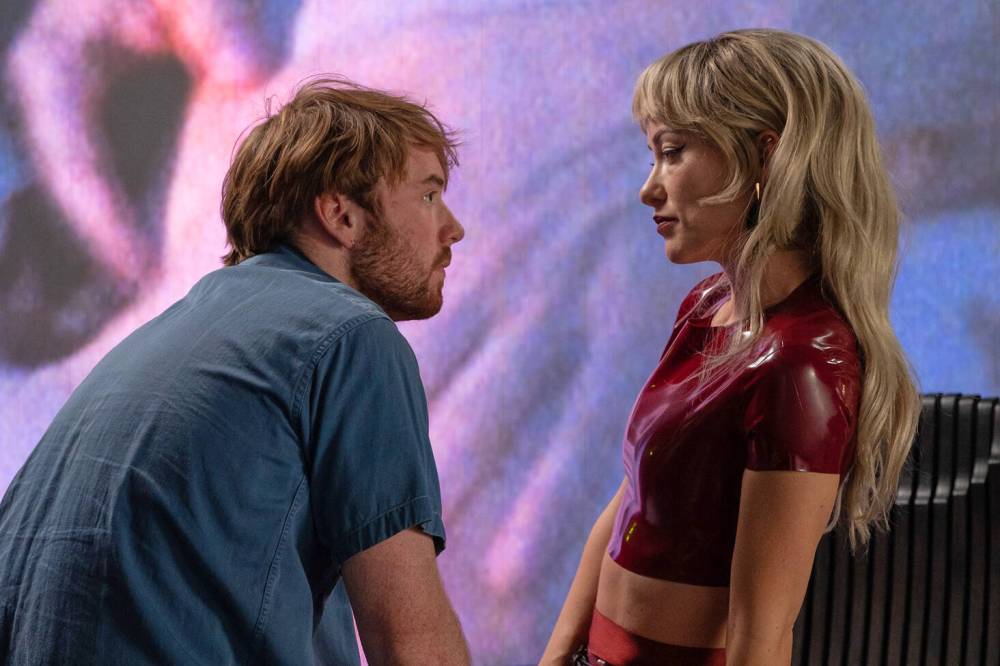
Olivia Wilde, right, and Cooper Hoffman in a scene from I Want Your Sex. Magnolia Pictures via AP
This image released by Magnolia Pictures shows Olivia Wilde, right, and Cooper Hoffman in a scene from “I Want Your Sex.” (Magnolia Pictures via AP)
The theatre was able to get in touch with the Academy Film Archives in Los Angeles — which holds more than 250,000 items, including Oscar-nominated films — which loaned them Splendor to screen.
The movie follows Veronica (Canadian actress Kathleen Robertson), who falls in love with two very different men in Los Angeles. Instead of choosing one, she moves them both into her apartment to form a three-way relationship.
The latter two films in the Teen Apocalypse Trilogy, as well as Mysterious Skin (2004), have also gotten a much-needed restoration in 4K, said Norquay.
“The Doom Generation and Nowhere, prior to the restoration, only had VHS releases, so it was a good time to restore them, and the other restorations look so beautiful. Colours in the films are just so important so it’s great to see actual details,” she says.
Other films included in the series are Smiley Face (2007), Three Bewildered People in the Night (1987) and The Living End: Remixed and Remastered (1992).
Norquay says Araki first made a name for himself, along with other queer filmmakers such as Todd Haynes (Safe) and Derek Jarman (Edward II), at the 1992 Sundance Film Festival.

This emergence led film critic and scholar B. Ruby Rich to coin the term “New Queer Cinema.”
Norquay first discovered Araki’s films five years ago after watching Nowhere; she immediately fell in love with the film’s bright youthful energy.
She has been a major fan ever since.
“This is like a dream program for me,” she says.
tiago.resko@winnipegfreepress.com