Mi’kmaw actor’s directorial debut highlights injustice faced by Donald Marshall Jr.
Advertisement
Read this article for free:
or
Already have an account? Log in here »
To continue reading, please subscribe:

Digital Subscription
One year of digital access for only $205*
- Enjoy unlimited reading on winnipegfreepress.com
- Read the E-Edition, our digital replica newspaper
- Access News Break, our award-winning app
- Play interactive puzzles
*First annual payment billed as $205.00 + GST for one year. This annual subscription will automatically renew at $233.00 + GST every 52 weeks (10% off the regular annual price of $259.35). Offer available to new and qualified returning subscribers only. Cancel any time.
To continue reading, please subscribe:
Add Free Press access to your Brandon Sun subscription for only an additional
$1 for the first 4 weeks*
- Enjoy unlimited reading on winnipegfreepress.com
- Read the E-Edition, our digital replica newspaper
- Access News Break, our award-winning app
- Play interactive puzzles
*Your next Brandon Sun subscription payment will increase by $1.00 and you will be charged $17.95 plus GST for four weeks. After four weeks, your payment will increase to $24.95 plus GST every four weeks.
Read unlimited articles for free today:
or
Already have an account? Log in here »
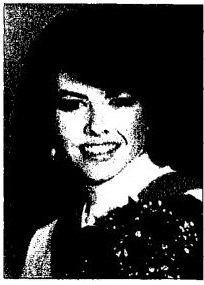
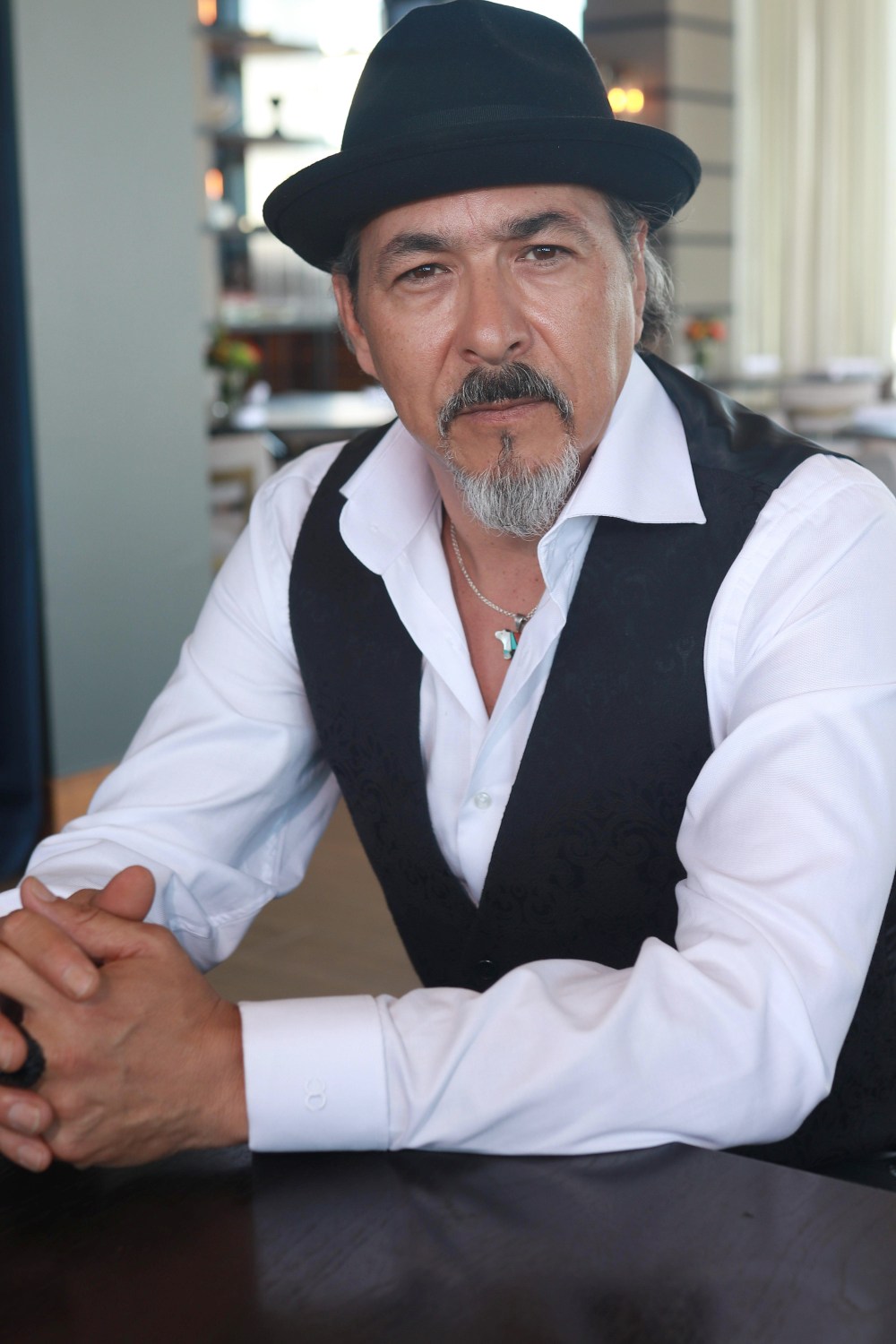
A Mi’kmaw actor has made his film directing debut in a movie inspired by a road trip he went on with his uncle, Donald Marshall Jr., who was wrongfully convicted of murder and spent 11 years in jail.
Glen Gould, from Membertou First Nation, was 17 when his mother sent him to Maine to help his uncle and bring him back home to Cape Breton.
“It was one thing after another on that road trip,” Gould said in a recent interview. “We got our car stolen, ended up stranded at a motel … so I took that road trip and turned it into a movie.”
During the trip, Gould said Marshall Jr. shared many stories and recounted what happened the night his friend, 17-year-old Sandy Seale, was stabbed at a park late at night in May of 1971.
His uncle told him that he and Seale were having a drink on their way to a dance when two men approached them asking for money. This turned into an altercation and one of the men stabbed Seale and slashed Marshall Jr. on the arm.
Despite his co-operation with police, investigators believed Marshall Jr. had stabbed Seale during an argument and that the cut on his arm was self-inflicted. He was sentenced to life in prison.
Marshall Jr. was eventually acquitted in 1983, after more than a decade behind bars. Roy Ebsary was identified as the stabber and spent a year in jail after being convicted of manslaughter in Seale’s death.
Gould said during the road trip his uncle “talked about that night (in 1971) and talked about what kept him going all those years in prison.”
In the film, “I tried to reiterate it to the best I could from memory, it was pretty emotional,” he added.
Marshall Jr.’s case became one of the first high-profile wrongful convictions in the country and led to sweeping changes to a system that was found to be plagued by incompetence and racism.
An inquiry in 1989 found that racism played a role in Marshall Jr.’s wrongful conviction and that “the criminal justice system failed Donald Marshall Jr. at virtually every turn.”
In a separate case, Marshall would later be convicted of illegal fishing in the 1990s, triggering a legal battle that went all the way to the Supreme Court of Canada, which overturned the conviction and affirmed the treaty right of First Nations people to fish, hunt and gather in pursuit of a moderate livelihood.
Gould said his film, called Jeffrey’s Turn, is a work of fiction inspired by his teenage memories and moments he shared with his uncle. It premièred at the Atlantic International Film Festival earlier this month.
“I think now is a good time … to revisit the systemic racism that still exists within the legal system,” Gould said.
“Anyone who’s non-Indigenous, I would hope that they would walk away from this film and see that we’re just as human as everybody else,” he said.
Gould, who has spent his career in theatre, film and television and has appeared in shows like Fargo, Outlander and Sullivan’s Crossing, said creating this coming-of-age film and its script took more than 10 years.
He hired a number of Mi’kmaq and Indigenous actors and musicians who worked on the film, including his best friend’s son, 19-year old Zeegwon Shilling, who played the lead character.
He said the rewarding process of filming the movie became extremely challenging after suffering a stroke during the film shoot.
“While I was directing and acting in the film, I was in an active stroke. When I wrapped the film, I ended up in the hospital for a week in the stroke unit,” Gould said.
Gould said he was encouraged by his co-producers wanting to visit the hospital, but he refused until the filming was complete. He is dealing with brain fog and mobility challenges due to the stroke, but said he “got really lucky.”
“I was so excited about just bringing this (film) to life, that I just pushed through,” he said.
This report by The Canadian Press was first published Sept. 30, 2026.