Swiss museum turns page on Nazi plunder
Advertisement
Read this article for free:
or
Already have an account? Log in here »
To continue reading, please subscribe:

Digital Subscription
One year of digital access for only $205*
- Enjoy unlimited reading on winnipegfreepress.com
- Read the E-Edition, our digital replica newspaper
- Access News Break, our award-winning app
- Play interactive puzzles
*First annual payment billed as $205.00 + GST for one year. This annual subscription will automatically renew at $233.00 + GST every 52 weeks (10% off the regular annual price of $259.35). Offer available to new and qualified returning subscribers only. Cancel any time.
To continue reading, please subscribe:
Add Free Press access to your Brandon Sun subscription for only an additional
$1 for the first 4 weeks*
- Enjoy unlimited reading on winnipegfreepress.com
- Read the E-Edition, our digital replica newspaper
- Access News Break, our award-winning app
- Play interactive puzzles
*Your next Brandon Sun subscription payment will increase by $1.00 and you will be charged $17.95 plus GST for four weeks. After four weeks, your payment will increase to $24.95 plus GST every four weeks.
Read unlimited articles for free today:
or
Already have an account? Log in here »
Hey there, time traveller!
This article was published 04/12/2014 (4315 days ago), so information in it may no longer be current.
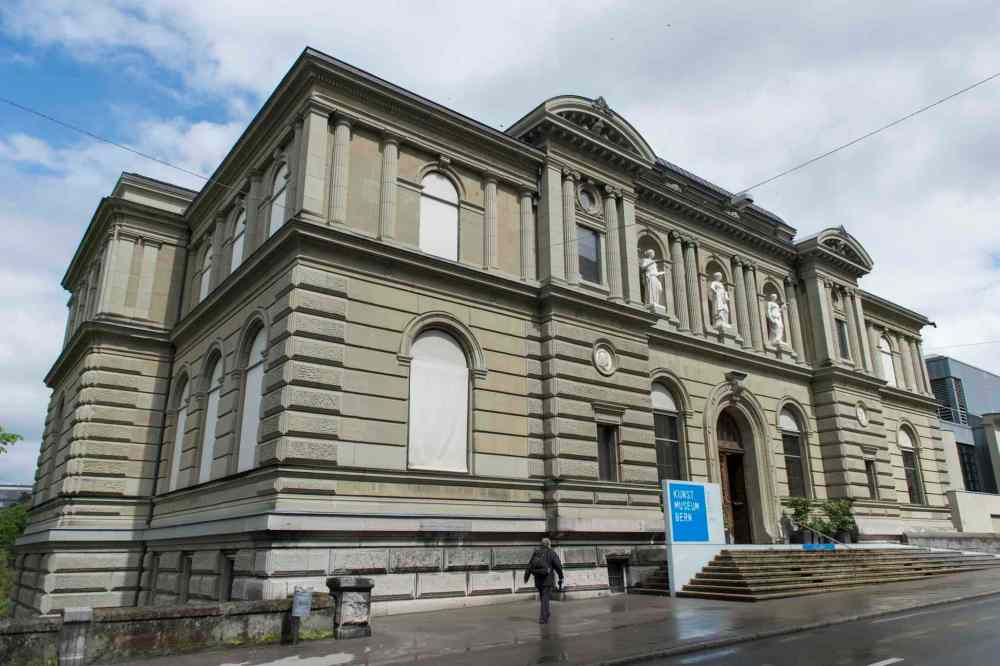
The Swiss do not have the best record when it comes to providing restitution for Holocaust victims and their heirs. So the willingness of the Kunstmuseum Bern to work with German authorities to untangle the case of the so-called Schwabing art trove is as remarkable as it is welcome.
The name comes from the district in Munich that was home to Cornelius Gurlitt, whose father built a huge collection while helping the Nazis sell art they had confiscated. Gurlitt lived quietly with the paintings in Schwabing until German police accidentally discovered the cache late last year. In May, just as a German government task force was investigating the art’s provenance, he died.
Gurlitt bequeathed the collection to Kunstmuseum Bern. Even before the museum accepted the collection, however, World Jewish Congress President Ronald Lauder warned that doing so could bring “an avalanche of lawsuits.”
Since then, lawyers representing the heirs of Jewish art owners have made claims on several dozen of the 240 works believed to have been looted from private collections. The German task force has so far validated two of these claims, but the rightful owners have not yet taken possession. Meanwhile, Gurlitt’s relatives have made claims of their own on the entire trove. It is, to use the legal term, a mess.
The Kunstmuseum is making an effort to clarify matters. Its deal with the German and Bavarian governments makes it clear that the museum wants no part of Nazi loot and will release it to the rightful heirs when the task force establishes provenance. Any paintings suspected to be stolen will not leave Germany until they are fully investigated.
True, the German government will do most of the investigative work, and it will indemnify the museum for any future claims on works the task force may miss. But the Kunstmuseum is also taking an active role. It has published Gurlitt’s father’s business records and a full list of works in the trove, for example, something the German government couldn’t do for legal reasons.

The Kunstmuseum Bern is Switzerland’s oldest and one of its richest. It has the resources, both reputational and financial, to take on the risks that the Schwabing art trove represents — and maybe its partnership with German authorities can become a model for dealing with such looted art.
Now, 88-year-old David Toren, who fled Nazi Germany when he was 14, has a chance to see Max Liebermann’s “Two Riders on the Beach,” which he says the Nazis seized from his uncle’s villa before the start of the Second World War. And soon, if all goes well, hundreds of treasured works of art that have been hidden for more than seven decades will be hanging in a museum, free for the whole world to behold and appreciate.