Life through a different lens
Photographer shadows
movie set's director of photography

Advertisement
Read this article for free:
or
Already have an account? Log in here »
To continue reading, please subscribe:

Digital Subscription
One year of digital access for only $205*
- Enjoy unlimited reading on winnipegfreepress.com
- Read the E-Edition, our digital replica newspaper
- Access News Break, our award-winning app
- Play interactive puzzles
*First annual payment billed as $205.00 + GST for one year. This annual subscription will automatically renew at $233.00 + GST every 52 weeks (10% off the regular annual price of $259.35). Offer available to new and qualified returning subscribers only. Cancel any time.
To continue reading, please subscribe:
Add Free Press access to your Brandon Sun subscription for only an additional
$1 for the first 4 weeks*
- Enjoy unlimited reading on winnipegfreepress.com
- Read the E-Edition, our digital replica newspaper
- Access News Break, our award-winning app
- Play interactive puzzles
*Your next Brandon Sun subscription payment will increase by $1.00 and you will be charged $17.95 plus GST for four weeks. After four weeks, your payment will increase to $24.95 plus GST every four weeks.
Read unlimited articles for free today:
or
Already have an account? Log in here »
Hey there, time traveller!
This article was published 10/11/2016 (3540 days ago), so information in it may no longer be current.
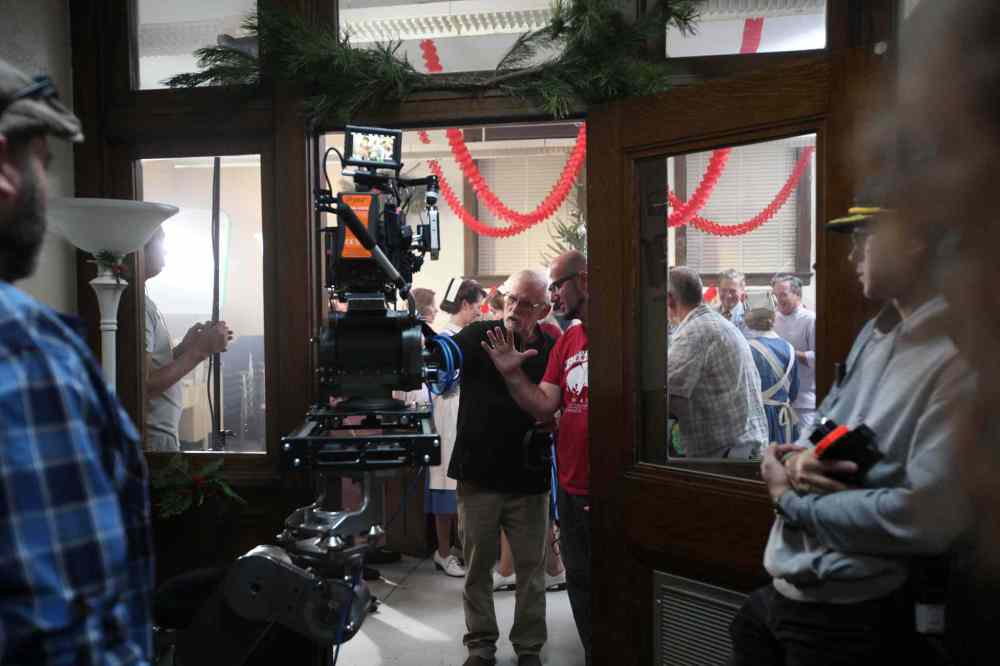
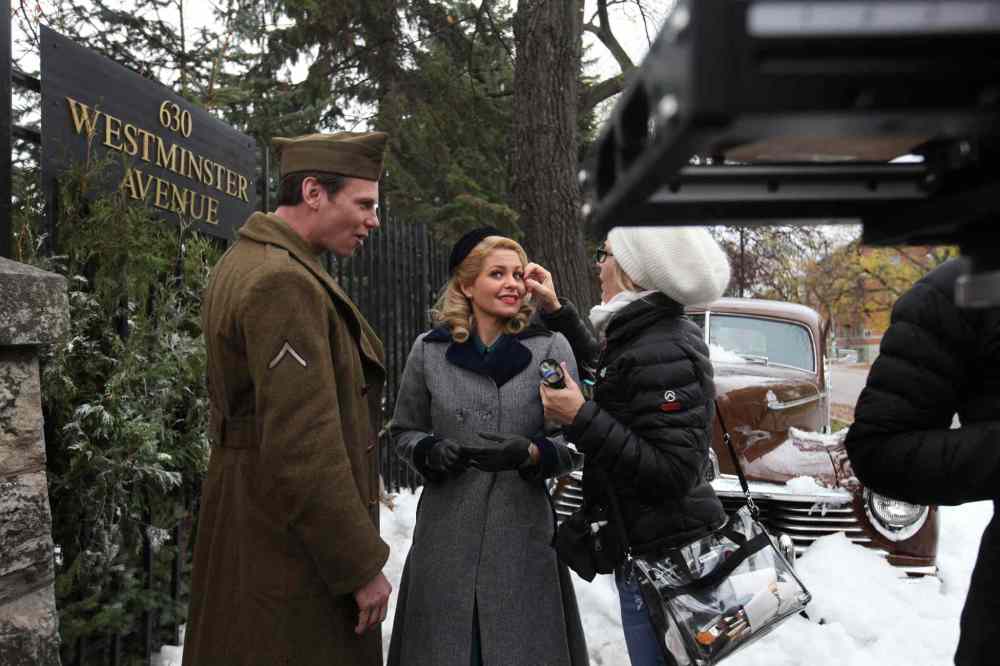
Recently, I had the chance to be on the set of Journey Back to Christmas, a Hallmark movie featuring Candace Cameron Bure and Oliver Hudson that was filmed entirely in Winnipeg.
The opportunity came about when I photographed the movie director, Mel Damski, for a story colleague Gordon Sinclair was writing. During the shoot, I wasted no time letting him know how intrigued I was with the role of director of photography, also known as the DOP.
Film sets have always intrigued me; just driving by a set makes my breath skip.
“I’m already doing my dream job as a photojournalist at the Free Press,” I said. “But my other dream job, if you can have two, is to be a director of photography on a movie set.”
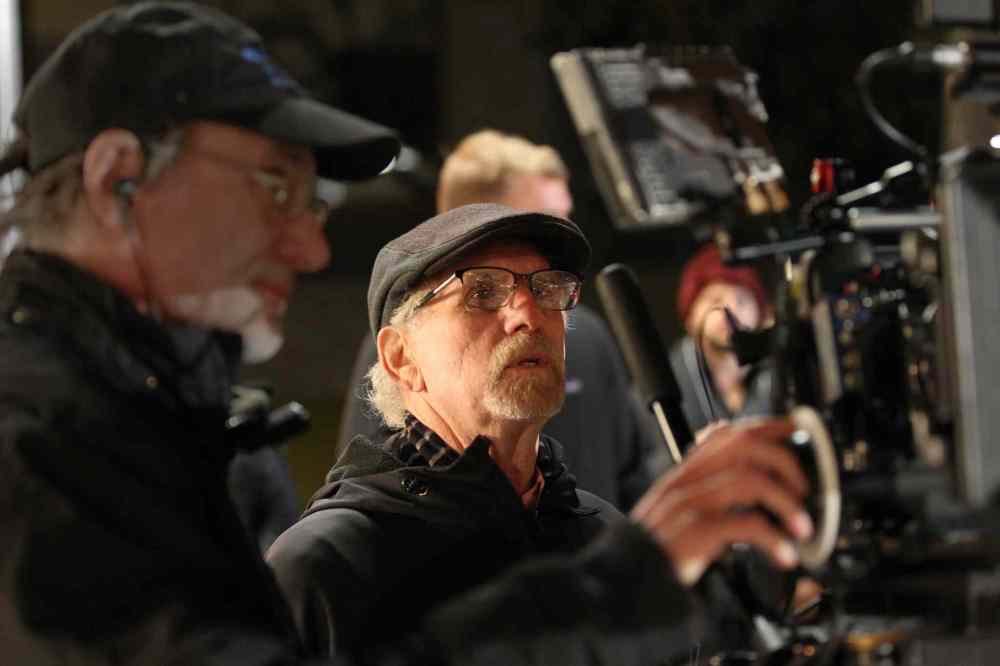
That’s when Damski helped make my dream come true by offering me the opportunity to shadow the movie’s DOP, Pieter Stathis.
I was sent the script later that night and I stayed up until the wee hours of the morning reading it and visualizing the scenes unfold in my mind.
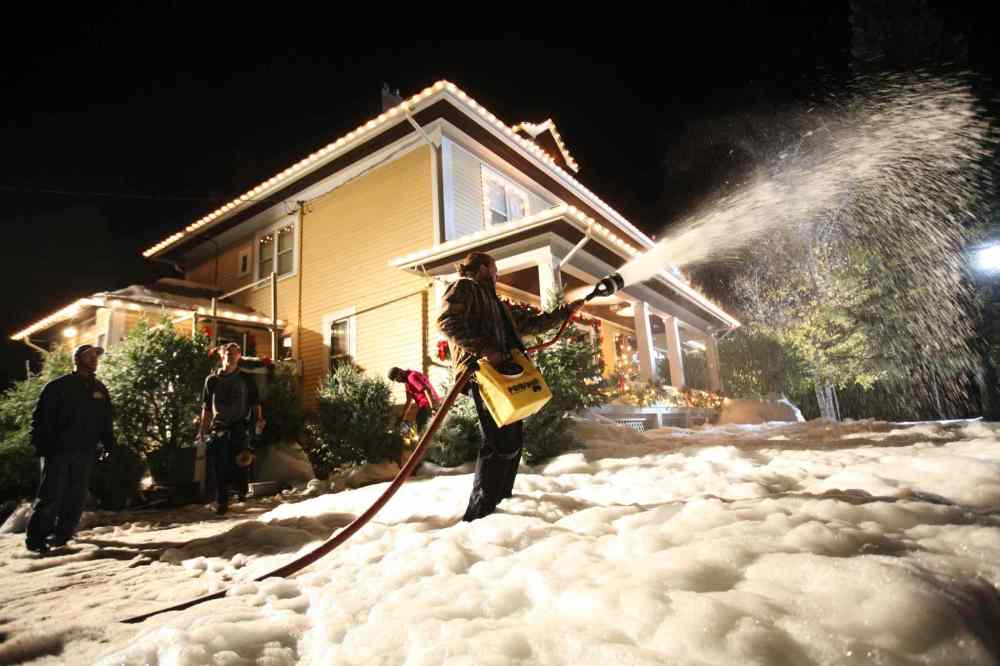
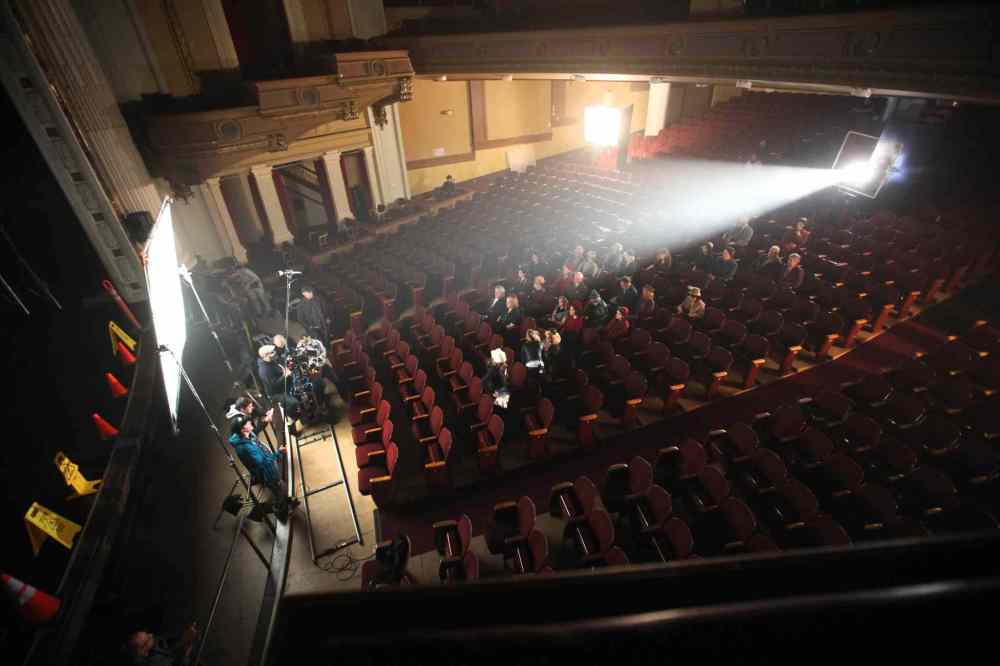
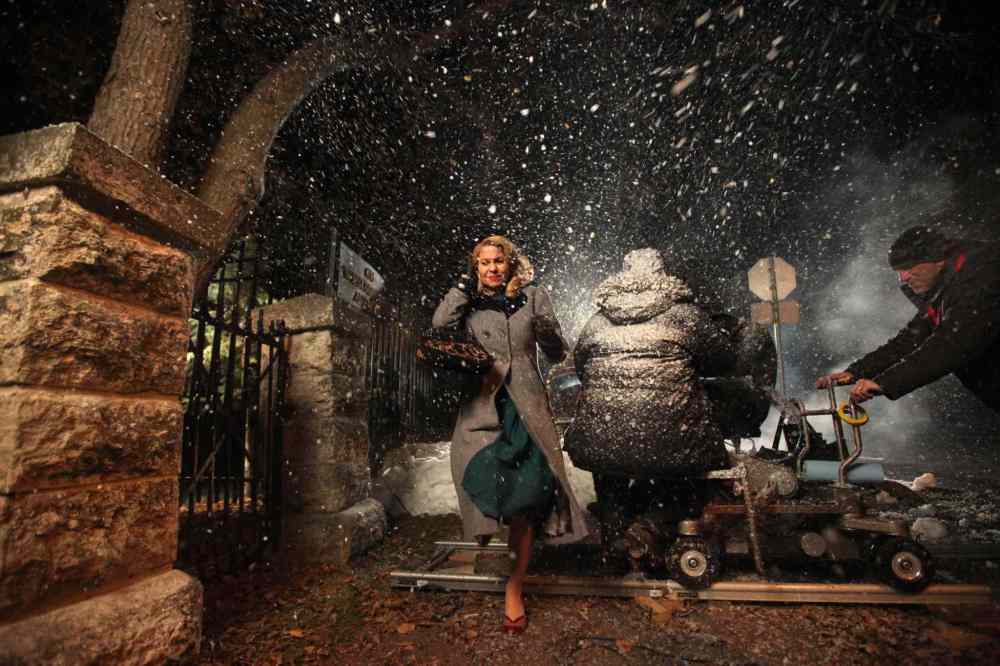
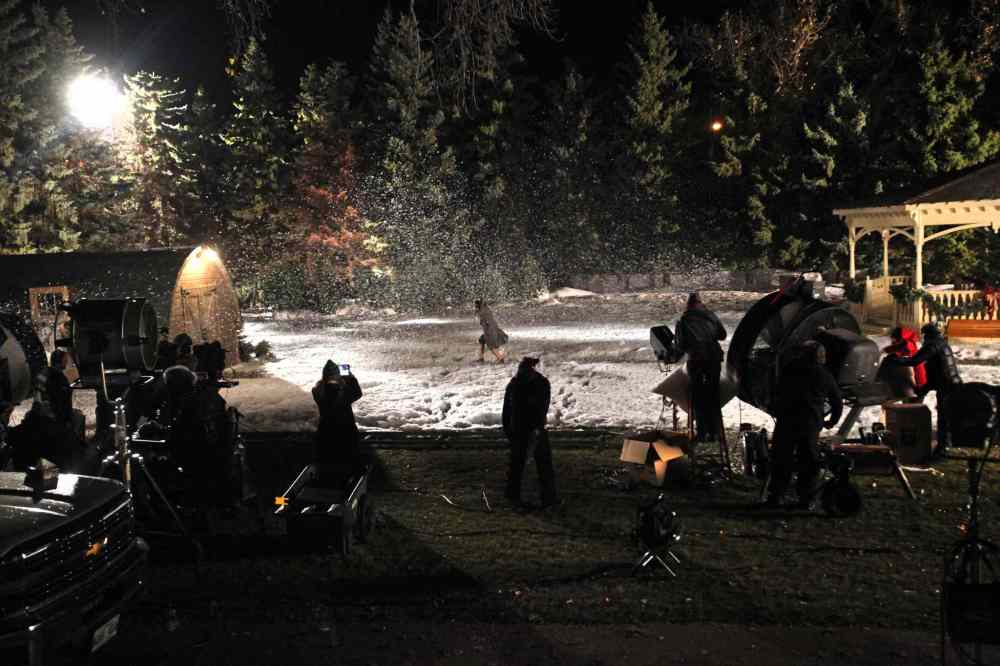
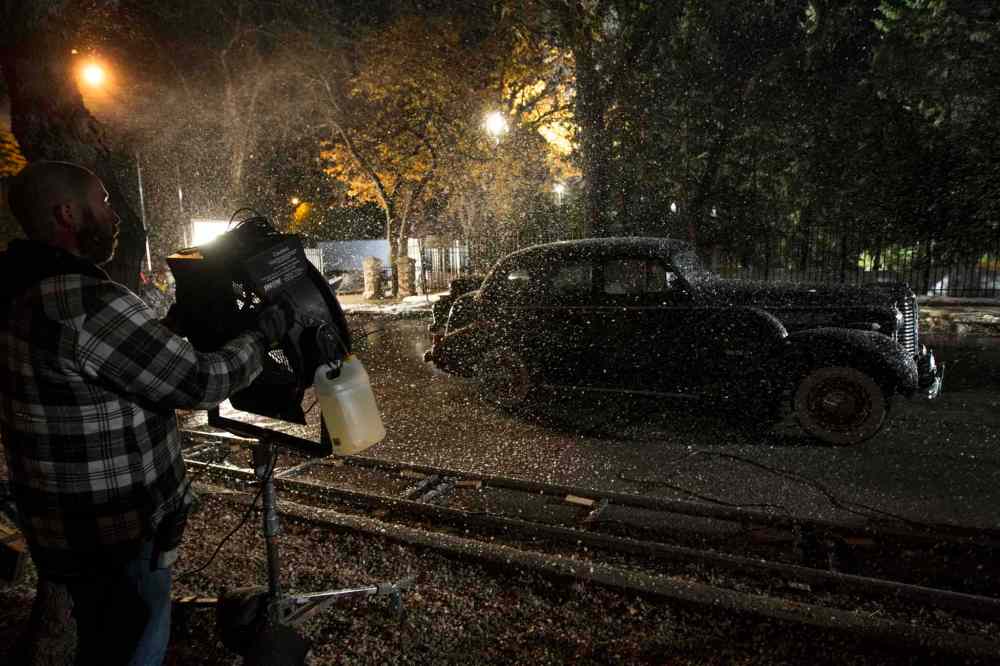
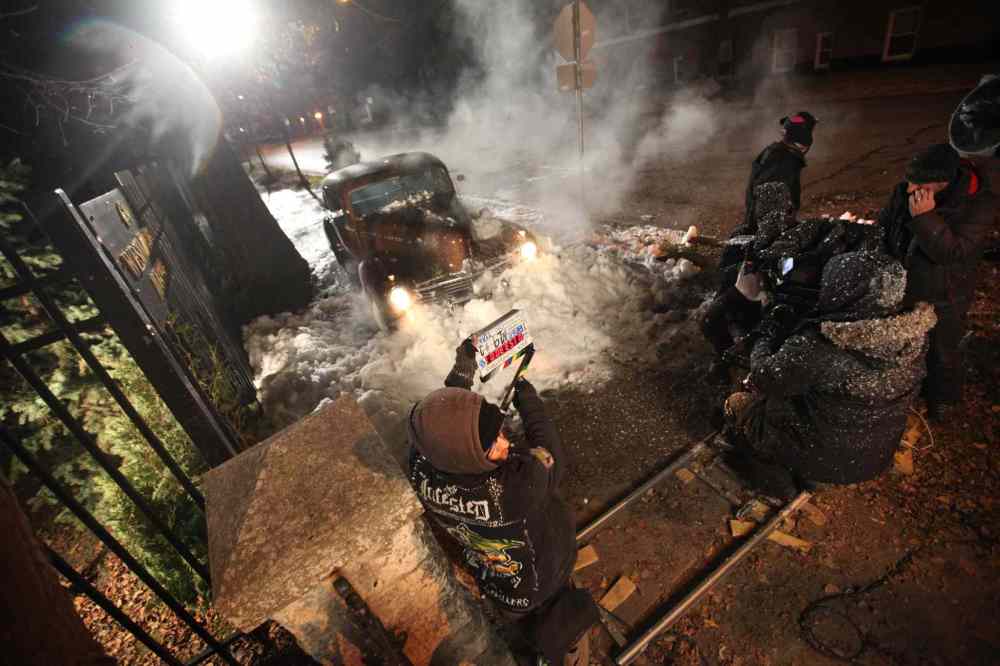
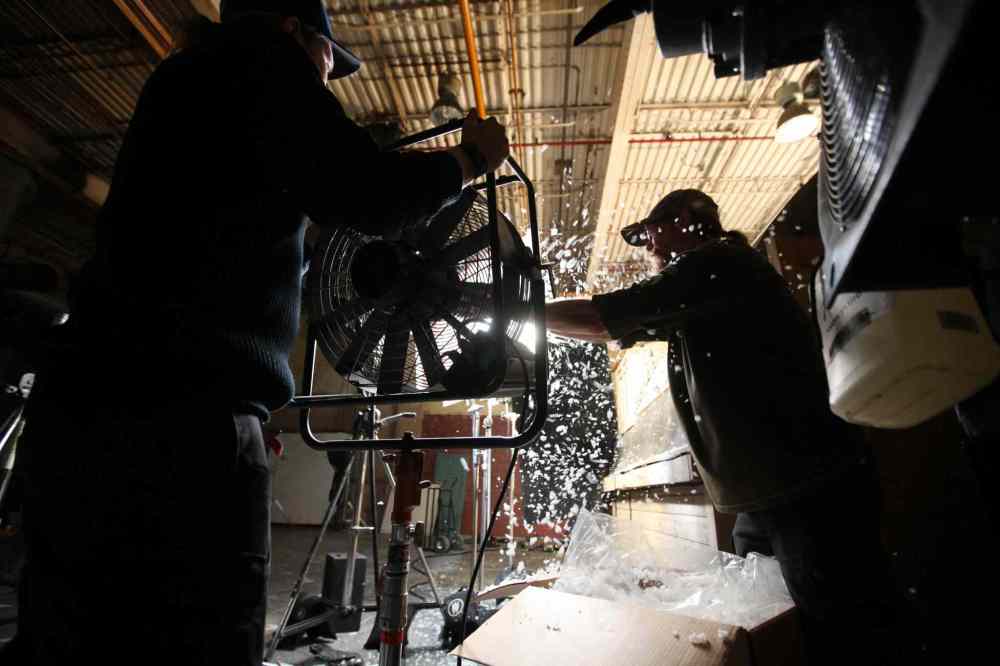
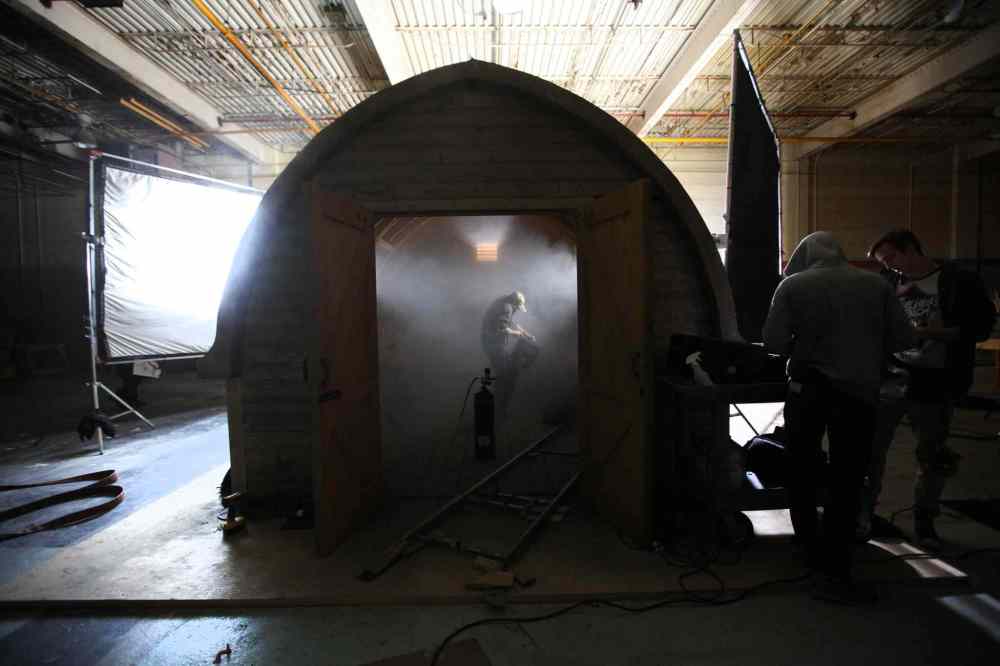
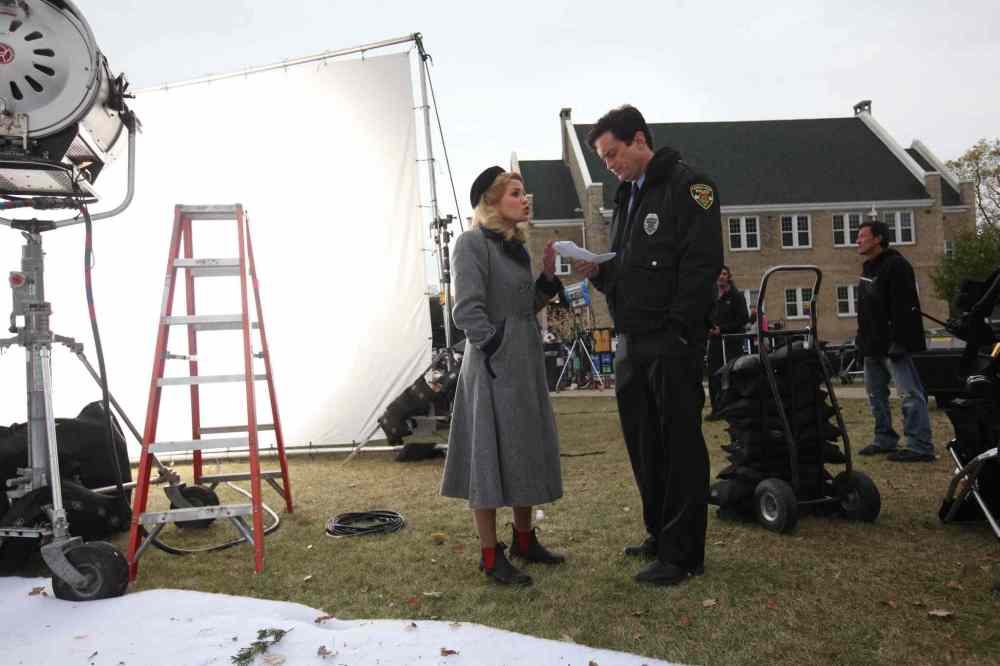
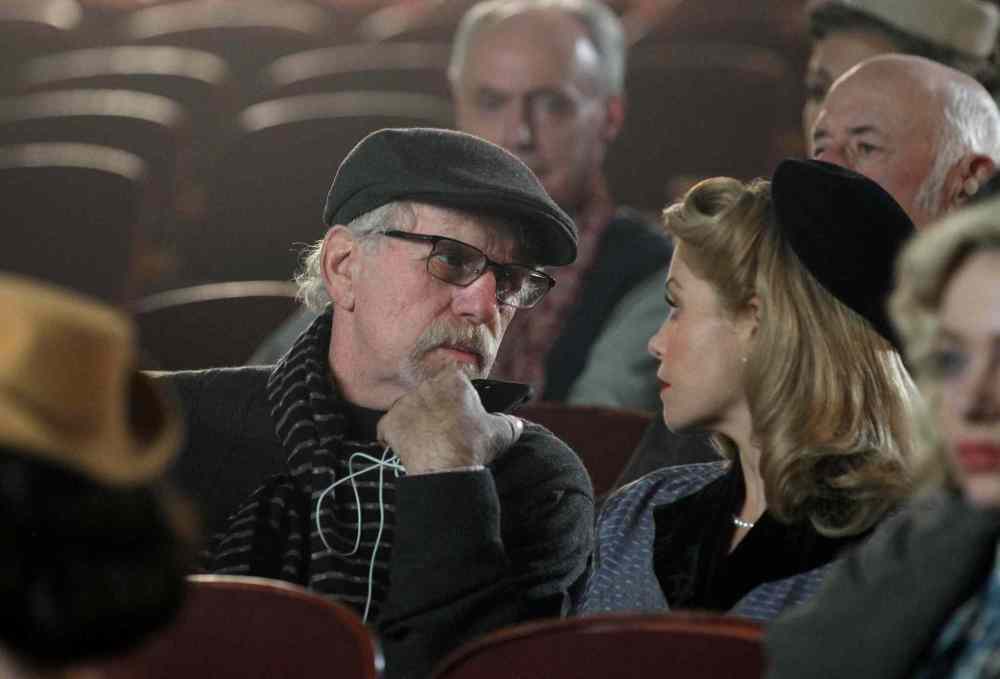
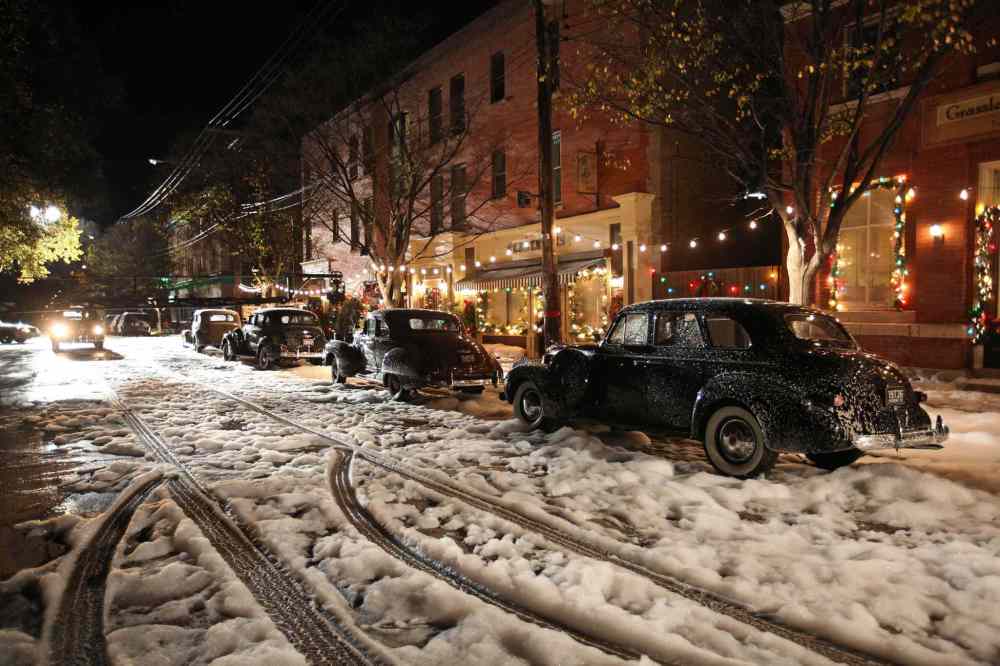
Filming started in mid-September at various locations throughout the city including Westminster Avenue, Cornish Library, Wellington Crescent and Pantages Playhouse Theatre. With the beginning of the film set in 1945, areas of the city were transformed with period costumes, classic cars and fake snow made from soapsuds, which created fairy-tale-like scenes of a bygone era.
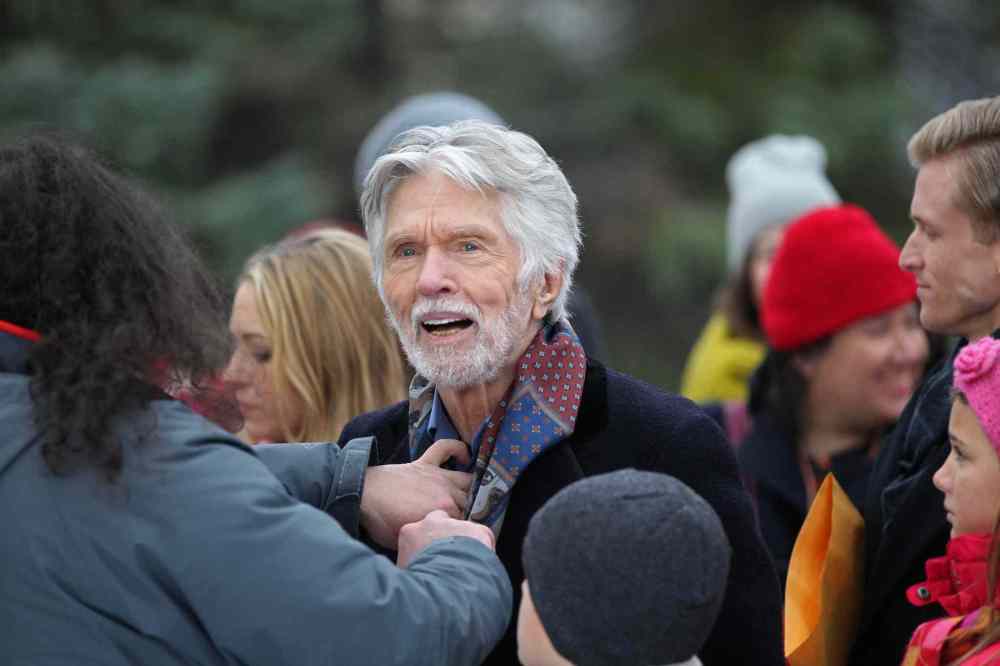
The final days of filming were on the grounds of Balmoral Hall. Wide-eyed children waited with their mothers after class to catch a glimpse of the charming American actor Candace Cameron Bure, who is well known for playing D. J. Tanner on the TV show Full House. Some asked to have their picture taken with her, which she humbly obliged.
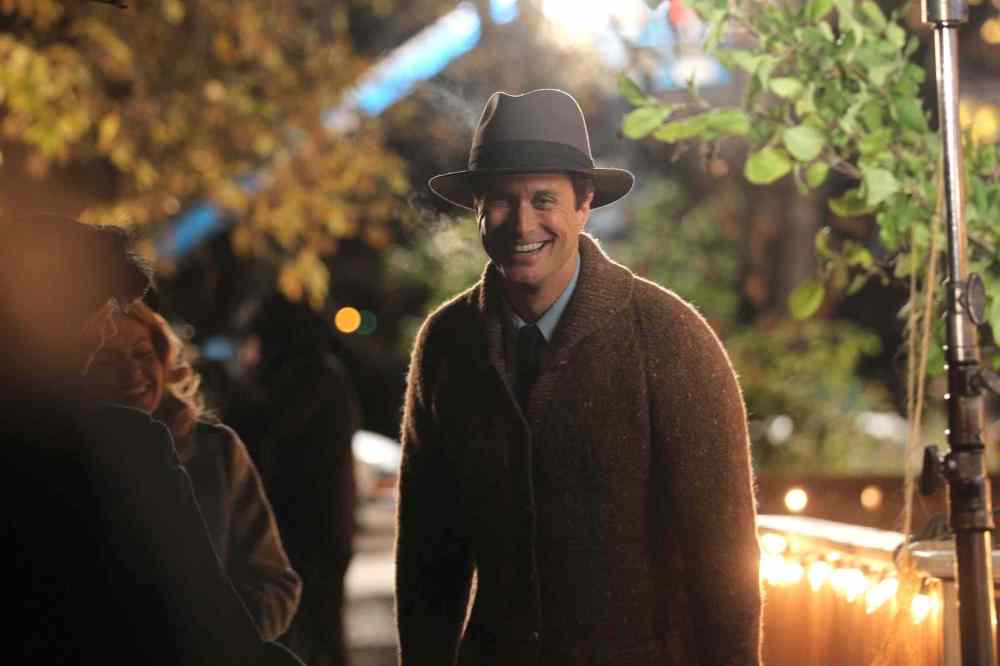
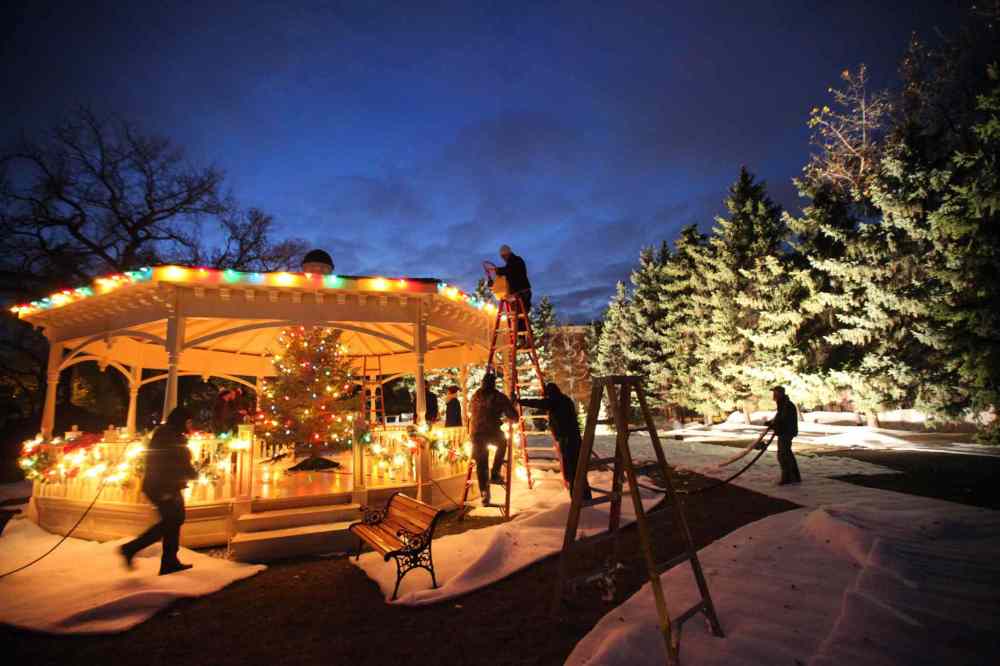
The school grounds were turned into a town square complete with rosy-cheeked carollers and a beautiful, ornate gazebo strung with lights and topped with a star that was lit up for the final scene of the movie.
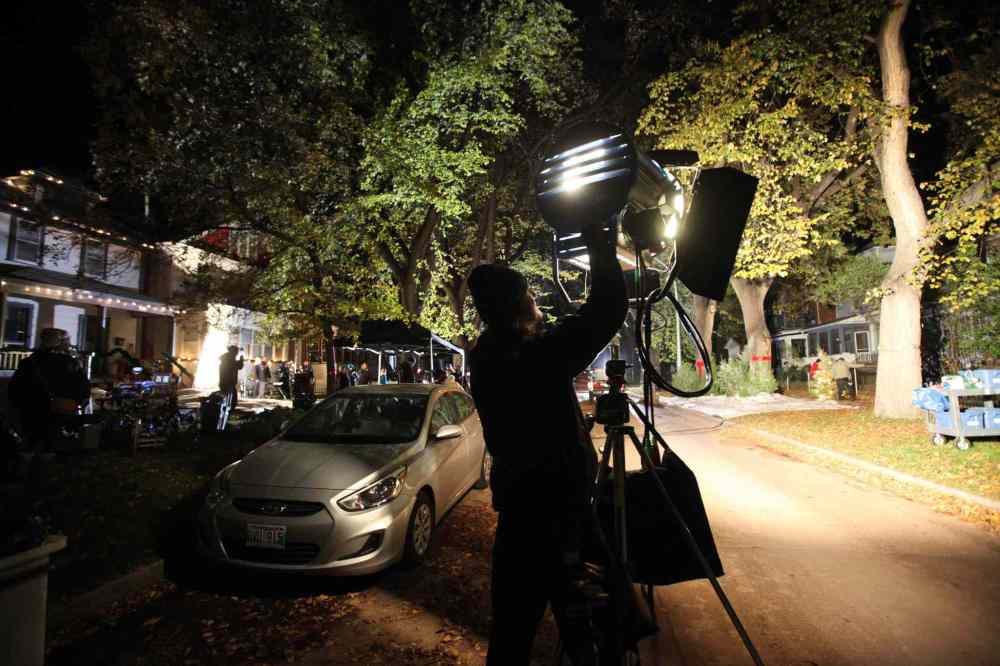
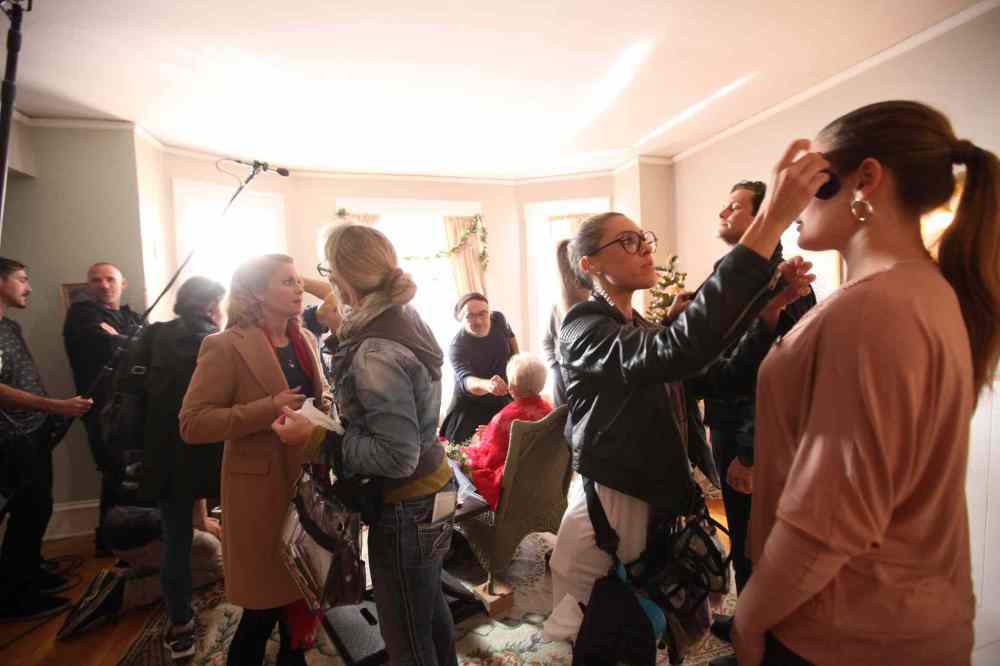
At night, the production house would send out a daily call sheet with information for the following day’s shoot. I would dash to the site after work each day to take full advantage of this rare perspective. Initially, I just soaked in all of the activity. I quickly realized the DOP had one of the busiest and most important positions on the set, next to the director. Later, I started asking questions and Stathis was more than willing to share his thoughts.
His job is to create the look and feel of the movie with compelling imagery that pulls the viewer into the story. He seamlessly directed a small army of people — camera operators, grips, electrics, crane operators, set dressers and special effects crews — to create his desired look that complemented that of the director and the script. Each scene was framed in his mind and then artistically lit by shaping and bending the light. It appeared chaotic from the onlooker’s view, but was calm and surreal on screen.
“That’s movie-making magic,” he says.
I not only have a greater appreciation for making movies, but have since reflected and compared it with what I do as a photojournalist. The worlds are very different.
We work mostly alone and travel light. Our gear is minimal, many times relying on available light. We photograph real people, not actors, and tell their stories, with no second takes. Often their stories are heartbreaking and have no Hollywood endings.
Photojournalism is raw, candid and real — at its essence it’s the most truthful photography there is. Movies create their magic, a photojournalist’s magic is from how well they can adapt to unknown circumstances.
Although we view our worlds through a different lens, both tell compelling stories.
Journey Back to Christmas premières Nov. 27.

Our newsroom depends on a growing audience of readers to power our journalism. If you are not a paid reader, please consider becoming a subscriber.
Our newsroom depends on its audience of readers to power our journalism. Thank you for your support.
Our newsroom depends on a growing audience of readers to power our journalism. If you are not a paid reader, please consider becoming a subscriber.
Our newsroom depends on its audience of readers to power our journalism. Thank you for your support.
Advertisement Advertise With Us
Advertisement Advertise With Us