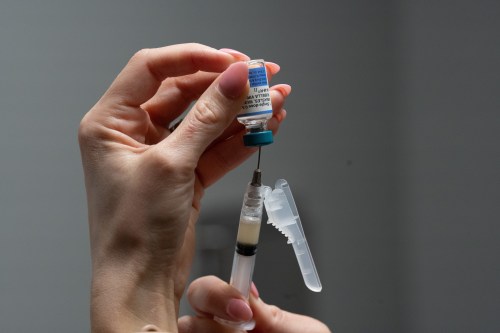
I meme, you meme: internet language brings us together

Advertisement
Read this article for free:
or
Already have an account? Log in here »
To continue reading, please subscribe:
Digital Subscription
One year of digital access for only $1.44 a week*
- Enjoy unlimited reading on winnipegfreepress.com
- Read the E-Edition, our digital replica newspaper
- Access News Break, our award-winning app
- Play interactive puzzles
*Billed as $5.77 plus GST every four weeks. After 52 weeks, price increases to the regular rate of $19.95 plus GST every four weeks. Offer available to new and qualified returning subscribers only. Cancel any time.
To continue reading, please subscribe:
Add Free Press access to your Brandon Sun subscription for only an additional
$1 for the first 4 weeks*
- Enjoy unlimited reading on winnipegfreepress.com
- Read the E-Edition, our digital replica newspaper
- Access News Break, our award-winning app
- Play interactive puzzles
*Your next Brandon Sun subscription payment will increase by $1.00 and you will be charged $17.95 plus GST for four weeks. After four weeks, your payment will increase to $24.95 plus GST every four weeks.
Read unlimited articles for free today:
or
Already have an account? Log in here »
Hey there, time traveller!
This article was published 18/08/2021 (1886 days ago), so information in it may no longer be current.
Sometimes, a public health campaign gets it right.
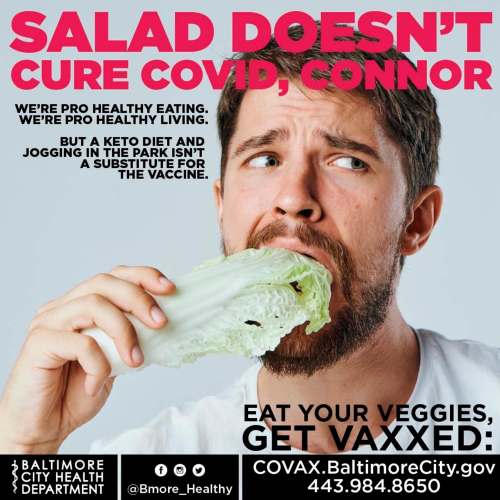
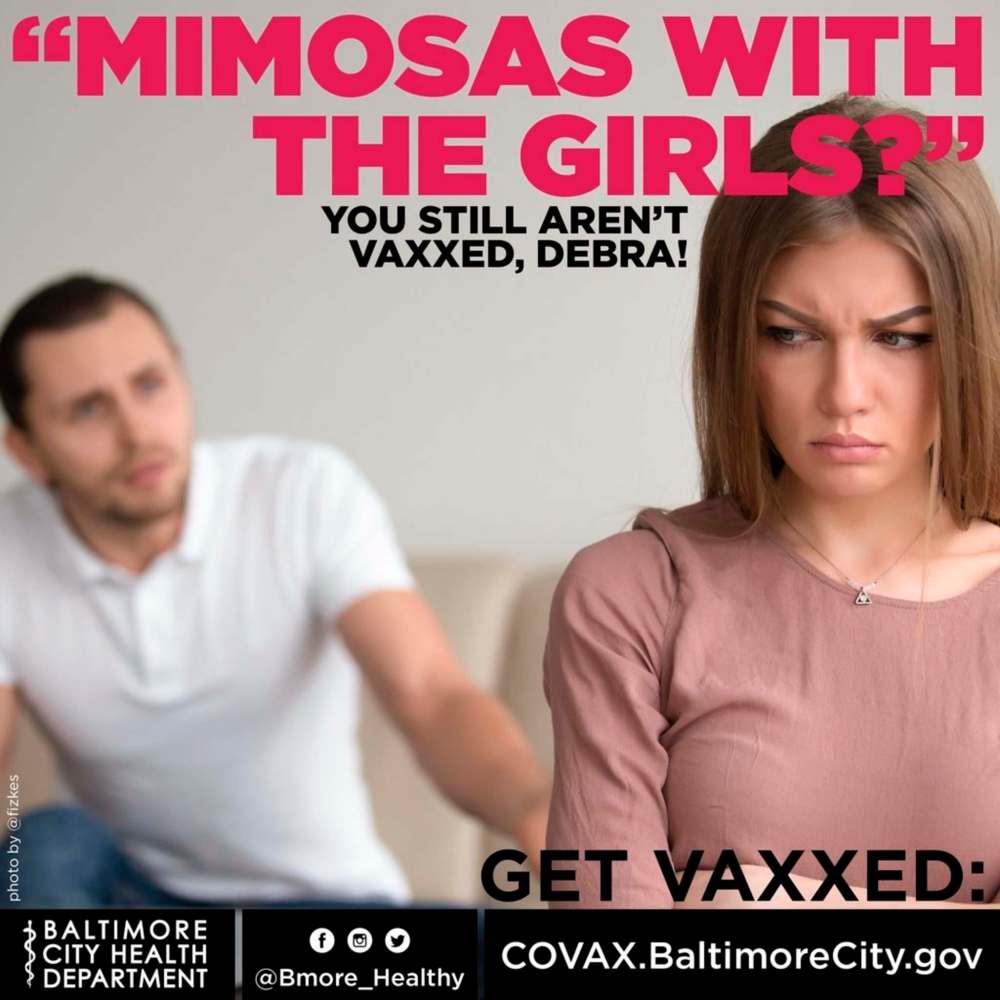
The Baltimore City Health Department has been earning praise for a new initiative that spreads accurate information about COVID-19 and vaccines online by using an internet-native language: memes.
“Ginger ale can’t cure COVID, Derrick!” reads one. “Mimosas with the girls? You’re still not vaxxed, Debra!” reads another. “What the FAQ is Delta? It’s new. It’s scary. But we’re here to break it down.”
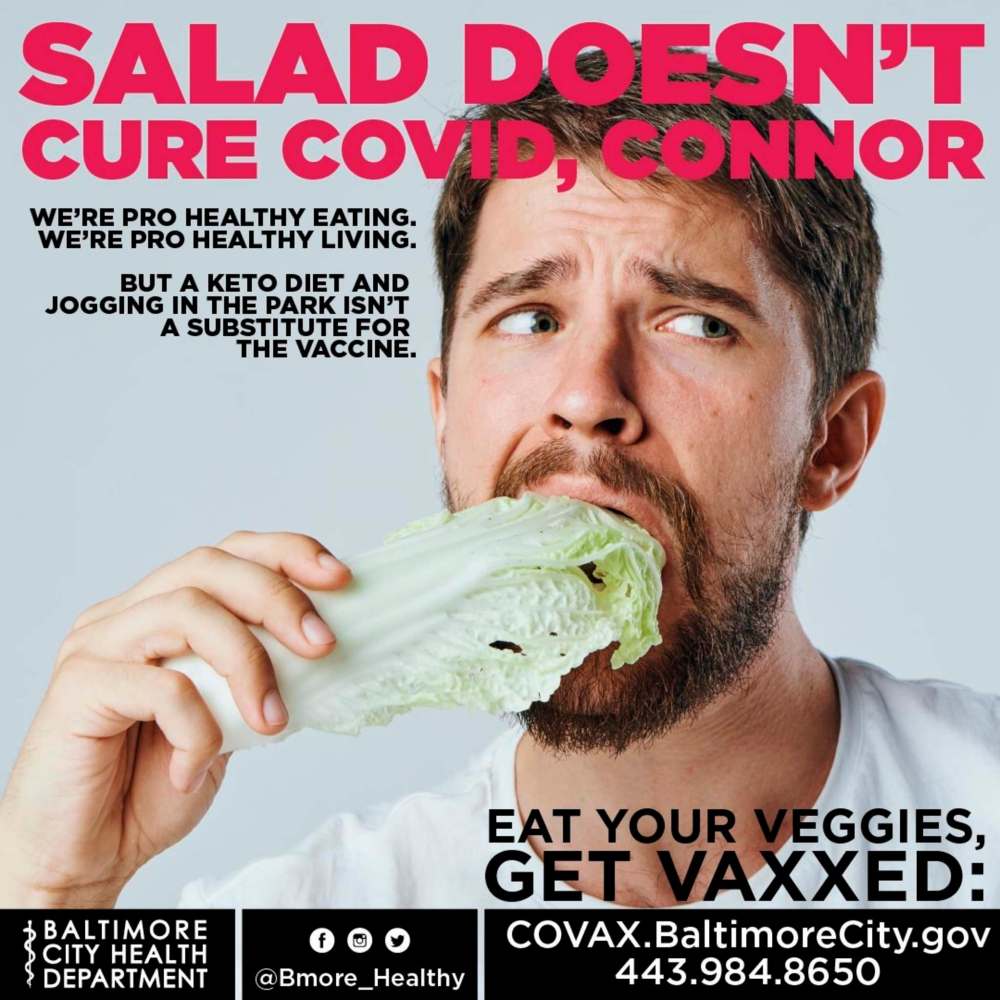
Done wrong, a public health department using the language of the internet can smack a bit of, to evoke a popular meme, actor Steve Buscemi dressed up unconvincingly as a teenager and asking, “How do you do, fellow kids?” (To be fair, so does describing memes in print.)
But there’s canny wisdom in Baltimore’s campaign. As Adam Abadir, the communications director for the city’s health department, told Slate, “We can totally message how to stay safe during a pandemic if we’re meeting people where they are and if we’re using language that they use themselves.”
And where people are, especially during periods of pandemic-related lockdown, is online. Instagram and its billion-dollar industry of “wellness” influencers, in particular, has become a venomous pit of snake-oil salespeople spreading anti-vaxx rhetoric; using memes to counter that messaging is smart, especially since memes have been a cornerstone of pandemic-era communication.
Nothing captures the zeitgeist quite like memes. They are ephemeral, endlessly transmittable, easily digestible — an easy way to get an idea out to lots of people. Anyone can make them, anyone can share them.
The best memes are funny because they contain a ring of truth and recognition, which is also what makes them a powerful coping tool during a crisis. Think of the proliferation of quarantine memes at the beginning of the pandemic; we had to laugh to keep from crying, or evaporating into existential dread. The sharing of memes, whether it was on our social media feeds or in our group chats, represented the all-in-this-together conviviality of the early pandemic. We may have stopped banging pots for frontline workers at 7 p.m. every night, but we never stopped sharing memes.
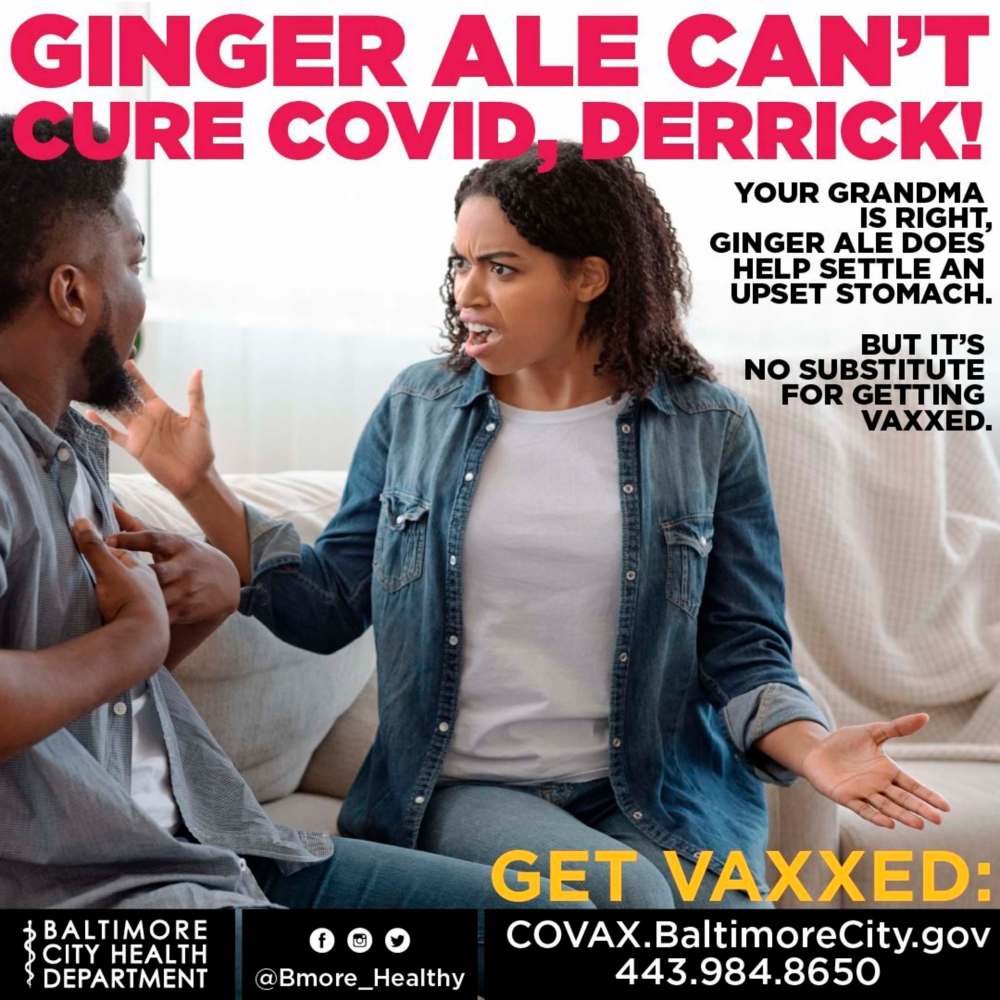
Pandemic memes have evolved as the pandemic itself has evolved; the latest entry to sweep social media is the My Fall Plans/Delta Variant meme.
The meme follows a simple hero-vs.-villain, parade-vs.-rain construction. My Fall Plans might be symbolized by a picture of the Titanic on the right side, while Delta variant might be summed up by a picture of an iceberg on the left. My Fall Plans might be a Royal Dansk cookie tin (you know the one) stocked with buttery cookies, while the Delta variant is the same tin except it’s full of sewing notions (I’m convinced everyone with a grandma has experienced this particular heartbreak). You get it.
It’s a funny way to get at a sobering idea: many countries are staring down a Delta-driven fourth wave and, for most of us, the promise of a hot vaxx summer was underdelivered upon, owing to plateauing or low vaccination rates and variants of concern. It’s a way to say, I’m feeling this, too. You are not alone. With apologies to Hans Christian Andersen, where words fail, memes speak.

Memes are more than a coping mechanism; they are also a useful tool to express criticism. Many local meme-makers — such as @mbpolidragrace, which uses GIFs from TV series RuPaul’s Drag Race to throw shade at Manitoba’s pandemic response — have been a humorous voice for the people.
And, as the Baltimore campaign illustrates, they can be a useful, low-barrier tool for education. More public health organizations would do well to take a page from that playbook.
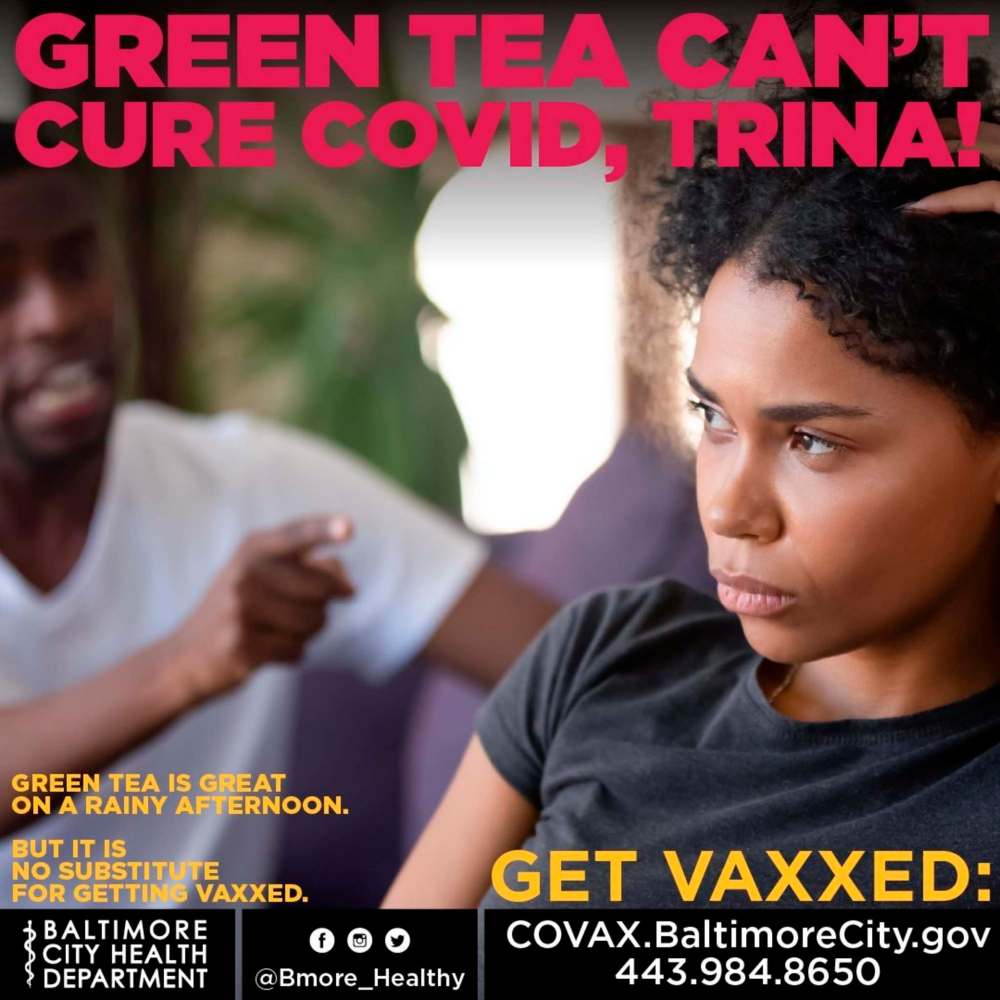
The power of memes can also be harnessed for evil, of course — remember: anyone can make them, anyone can share them. The tenets of media literacy still apply. That’s why discourse can’t begin and end with a meme. The creators of Baltimore’s campaign describe their memes as icebreakers; humour, they’ve found, is a way to diffuse what can be heated interactions and open the door to conversations around public health that otherwise wouldn’t have happened — online and off.
jen.zoratti@freepress.mb.ca
Twitter: @JenZoratti
Jen Zoratti is a columnist and feature writer working in the Arts & Life department, as well as the author of the weekly newsletter NEXT. A National Newspaper Award finalist for arts and entertainment writing, Jen is a graduate of the Creative Communications program at RRC Polytech and was a music writer before joining the Free Press in 2013. Read more about Jen.
Every piece of reporting Jen produces is reviewed by an editing team before it is posted online or published in print – part of the Free Press‘s tradition, since 1872, of producing reliable independent journalism. Read more about Free Press’s history and mandate, and learn how our newsroom operates.
Our newsroom depends on a growing audience of readers to power our journalism. If you are not a paid reader, please consider becoming a subscriber.
Our newsroom depends on its audience of readers to power our journalism. Thank you for your support.
Jen Zoratti is a columnist and feature writer working in the Arts & Life department, as well as the author of the weekly newsletter NEXT. A National Newspaper Award finalist for arts and entertainment writing, Jen is a graduate of the Creative Communications program at RRC Polytech and was a music writer before joining the Free Press in 2013. Read more about Jen.
Every piece of reporting Jen produces is reviewed by an editing team before it is posted online or published in print – part of the Free Press‘s tradition, since 1872, of producing reliable independent journalism. Read more about Free Press’s history and mandate, and learn how our newsroom operates.
Our newsroom depends on a growing audience of readers to power our journalism. If you are not a paid reader, please consider becoming a subscriber.
Our newsroom depends on its audience of readers to power our journalism. Thank you for your support.
Advertisement Advertise With Us
Advertisement Advertise With Us