15 months in hell
Canadian journalist recalls her captivity in Somalia
Advertisement
Read this article for free:
or
Already have an account? Log in here »
To continue reading, please subscribe:

Digital Subscription
One year of digital access for only $205*
- Enjoy unlimited reading on winnipegfreepress.com
- Read the E-Edition, our digital replica newspaper
- Access News Break, our award-winning app
- Play interactive puzzles
*First annual payment billed as $205.00 + GST for one year. This annual subscription will automatically renew at $233.00 + GST every 52 weeks (10% off the regular annual price of $259.35). Offer available to new and qualified returning subscribers only. Cancel any time.
To continue reading, please subscribe:
Add Free Press access to your Brandon Sun subscription for only an additional
$1 for the first 4 weeks*
- Enjoy unlimited reading on winnipegfreepress.com
- Read the E-Edition, our digital replica newspaper
- Access News Break, our award-winning app
- Play interactive puzzles
*Your next Brandon Sun subscription payment will increase by $1.00 and you will be charged $17.95 plus GST for four weeks. After four weeks, your payment will increase to $24.95 plus GST every four weeks.
Read unlimited articles for free today:
or
Already have an account? Log in here »
Hey there, time traveller!
This article was published 31/08/2013 (4738 days ago), so information in it may no longer be current.
In her electrifying and harrowing new memoir, Albertan Amanda Lindhout chronicles 15 months in captivity as a tortured hostage in Somalia.
Now living in Canmore, Alta., the 32-year-old former journalist is still healing from the psychological, physical and sexual assaults she endured.
She was kidnapped by more than a dozen Islamic gunmen while in Somalia as a freelance reporter in August 2008 and kept for 459 days.

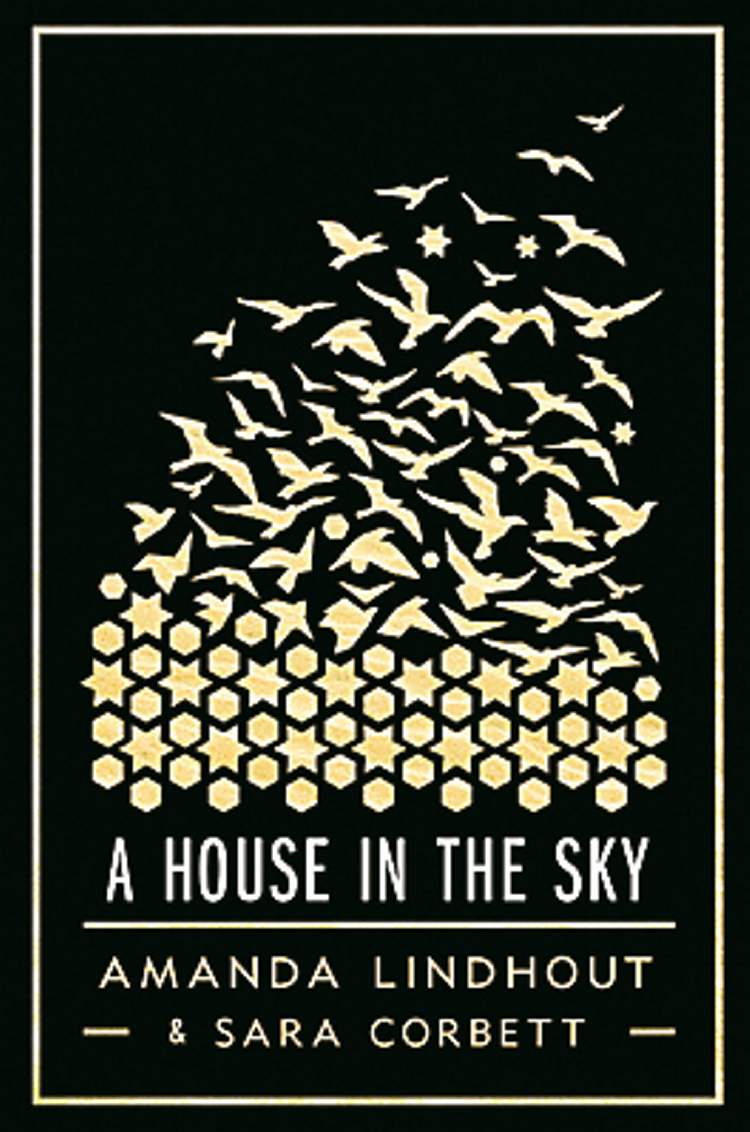
A House in the Sky is brutally honest and impossible to put down — right through to its very last page. It is a tale of true human suffering, the will to survive and one woman’s against-all-odds triumph over horrific traumas.
No doubt it will provide satisfying fodder for book clubs for years to come, even after it’s no longer on the bestseller lists, where it is certain to land.
Lindhout’s co-author, Sara Corbett, is a contributing writer for the New York Times Magazine. Their collaboration is a compelling and powerful work destined to make a difference.
Born in Red Deer, Alta., Lindhout grew up in a troubled home. Dreaming of escape, she had a passion for travel ignited by reading National Geographic magazines. As she relates here, she moved to Calgary at 19 and became a cocktail waitress, but her dreams, needless to say, were bigger.
By 2007, aged 26, Lindhout was in Afghanistan and trying to find work as a self-trained photojournalist. Many might have seen her trip to the war-plagued country as a foolhardy and dangerous move, but she eventually sold one of her photos to a local magazine for expats.
When her money ran out in Afghanistan, she went back to Calgary to wait tables and take a photography course. Then a journalist she’d met in Afghanistan helped her get a television job in Baghdad for Press TV. She landed in Baghdad in the winter of 2008 having also convinced her hometown newspaper, the Red Deer Advocate, to pay her a small sum for a weekly column.
On Aug. 23, she was working in Mogadishu, Somalia, with an Australian photographer friend, Nigel Brennan, then 37. They were driving in a car when a group of gunmen abducted them.
Her captors initially believed Lindhout and Brennan were spies. Upon further investigation, the captors understood they were journalists and decided to ask for ransom.
“The big-time journalists generally had kidnapping insurance through their news organizations,” she writes. “Usually, it would pay for a crisis response company to help negotiate for a hostage’s release. Freelancers most often had none.”
Back home, she relates, the RCMP were supportive of Lindhout’s family and coached her parents on how to speak with the kidnappers when they called.
As a man, Brennan was accorded more respect by their captors, she explains. “Because we were together (at first), we were treated more or less the same. I hung on to this, knowing his proximity helped keep me safe,” she writes.
Two months after the abduction, Brennan was moved to a separate space in the same tiny house. Then Lindhout’s relentless sexual abuse began.
“Alone with myself, I had nothing,” she writes. “Every fear I’d ever had now came back to me.”
After withstanding five months of unspeakable horror, Lindhout and Brennan managed to escape once, but were re-captured. They were shackled with chains for their remaining 10 months in captivity. At one point, Lindhout was tortured for 48 hours.
In order to survive, she writes, “I tried to climb away from the shock of what my life had become.”
She imagined a house in the sky. “Inside the house in the sky, all the people I loved sat down for a big holiday meal. I was safe and protected. “
Meanwhile, Brennan’s family and hers had joined forces to hire a private kidnap-and-ransom specialist a year after they were kidnapped.
That move paid off. On Nov. 25, 2009, they were released when $600,000 was paid to the kidnappers. There were other expenses their families had to pay the hostage negotiators they hired.
Fast forward 3 1/2 years. Lindhout and Brennan have lost touch. Brennan published a book about his ordeal in Australia in 2011. Lindhout is still healing. She has been treated for post-traumatic stress disorder and has worked with therapists, psychologists, psychiatrists, acupuncturists, nutritionists and meditation experts. She is founder and executive director of a non-profit organization that supports aid and education initiatives in Somalia and Kenya. She is in demand as a public speaker.
Her lessons are unforgettable, as is her book: “I strive toward forgiveness and compassion above all the other feelings — anger, hatred confusion, self-pity — that surface in me.”
Brenlee Carrington, a Winnipeg lawyer and mediator, is the Law Society of Manitoba’s equity ombudsman.
History
Updated on Sunday, September 1, 2013 10:50 AM CDT: Spelling correction made