Gourluck turns his eye to rich North End history
Advertisement
Read this article for free:
or
Already have an account? Log in here »
To continue reading, please subscribe:

Digital Subscription
One year of digital access for only $205*
- Enjoy unlimited reading on winnipegfreepress.com
- Read the E-Edition, our digital replica newspaper
- Access News Break, our award-winning app
- Play interactive puzzles
*First annual payment billed as $205.00 + GST for one year. This annual subscription will automatically renew at $233.00 + GST every 52 weeks (10% off the regular annual price of $259.35). Offer available to new and qualified returning subscribers only. Cancel any time.
To continue reading, please subscribe:
Add Free Press access to your Brandon Sun subscription for only an additional
$1 for the first 4 weeks*
- Enjoy unlimited reading on winnipegfreepress.com
- Read the E-Edition, our digital replica newspaper
- Access News Break, our award-winning app
- Play interactive puzzles
*Your next Brandon Sun subscription payment will increase by $1.00 and you will be charged $17.95 plus GST for four weeks. After four weeks, your payment will increase to $24.95 plus GST every four weeks.
Read unlimited articles for free today:
or
Already have an account? Log in here »
Hey there, time traveller!
This article was published 10/07/2010 (5933 days ago), so information in it may no longer be current.
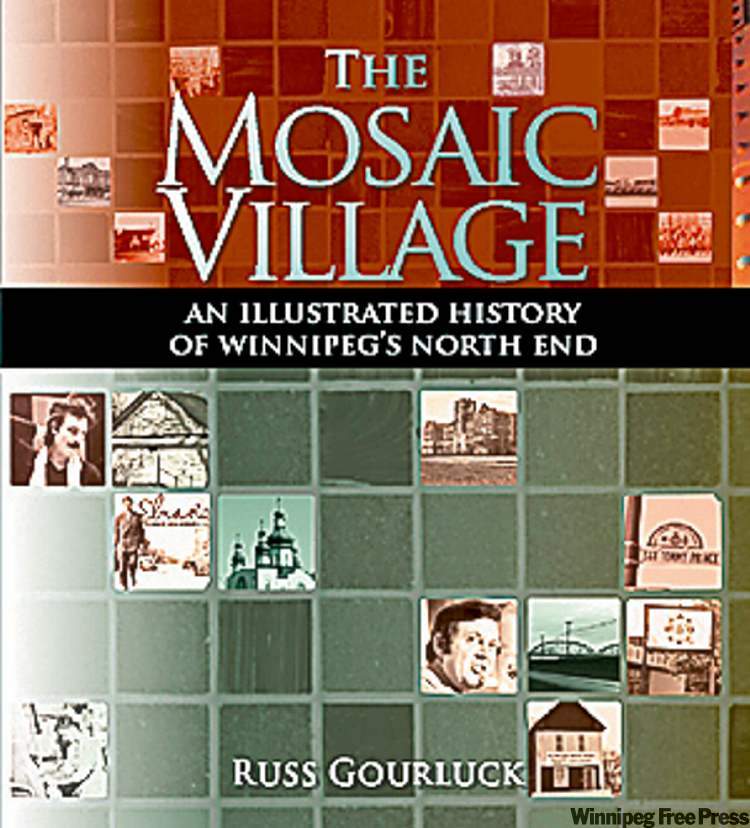
The Mosaic Village
An Illustrated History of Winnipeg’s North End
By Russ Gourluck
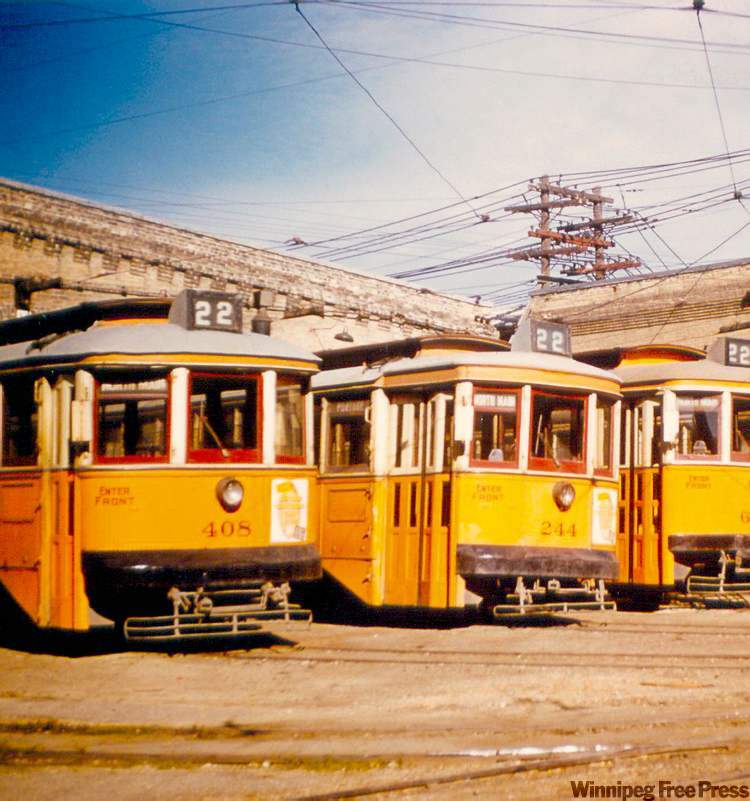
Great Plains Publications, 244 pages, $30
Russ Gourluck is a master storyteller, something that must have made the retired Winnipeg teacher a favourite with his students.
It has also made him one of our most successful popular historians — with illustrated studies of the downtown Eaton’s store, the Winnipeg Tribune and Portage Avenue, all released by Winnipeg’s Great Plains Publications — to his credit.
In his new book, also a Great Plains product, Gourluck gives us another lively and absorbing portrait of a group of Winnipeggers and their place in the city’s history. This time it’s the legendary North End and the rich mosaic of people that has called the district home.
Gourluck makes heavy use of personal interviews to write his books, and that is at once both a strength and a weakness.
The strength lies in the authentic tone of his writing. It can sometimes seem like listening in as your older relatives swap stories around the kitchen table.
The down side is that he is restricted by what his informants can remember and what they choose to tell him, although, of course, Gourluck does a competent job of placing their stories in historical context.
In his preface, he informs us that the book focuses mainly on what he calls the "glory years" of the North End, from 1930 to 1970, because those are the years his interview subjects remember and can talk about.
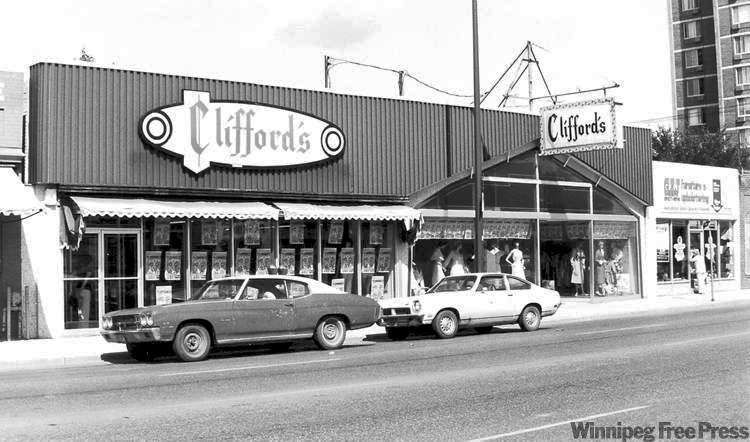
The period before 1930 is not described in the same detail or with the same interest as the later years. Modern-day North Enders, aboriginal people and East Asians, among others, are given a few pages but we don’t hear their stories of struggle and success.
That said, the unevenness is more than compensated for by Gourluck’s richly detailed account of his chosen era.
Like all good local histories, Mosaic Village has chapters on churches, clubs, politicians, businesses and schools, including St. John’s High School, which celebrated its centennial in June.
But we are also treated to sections dealing with topics that are often left of out of local histories. There are accounts of pool halls and other hangouts, movie houses, floating crap games and parks and what all these things meant to people.
Gourluck’s account of a few North End apartment houses gives us a tantalizing glimpse of a subject that no other historian has written about. Perhaps an illustrated history of the city’s apartment houses would be a good future topic for him.
A constant theme through the book is the ambition and work ethic of the many families who started small businesses, often in their garage or basement, and then went out knocking on doors to sell their products.
Some of these businesses, like Gunn’s Bakery, Elman’s Kosher Deli Foods and Oretzki’s Department Store, grew into major enterprises. The contribution of all these North End businesses to the city’s economy has been enormous over the decades.
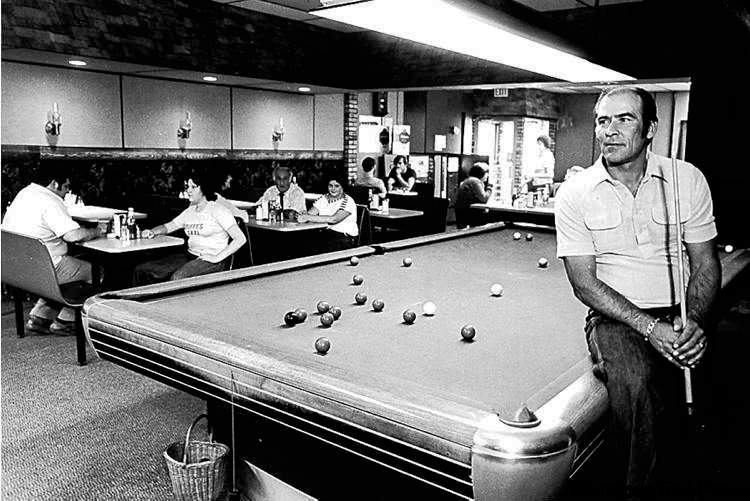
Mosaic Village is an illustrated history and its pages are covered with hundreds of pictures gathered in archives, from family albums and in a few cases, taken by Gourluck himself.
Perhaps the most touching picture in the book is a snapshot of John Marczyk, a Polish immigrant from the postwar period, sitting in his car behind his Cathedral Avenue house.
His son told Gourluck of how his father had to endure the prejudices of his fellow workers who made him the butt of Polish jokes and called him a "DP" (displaced person).
When he got home from work he would often sit in the car for a while dreaming of the old country, just one of generations of immigrants who did not have an easy time of it putting down roots in Canada.
Friction between newcomers and old timers and between different ethnic groups was and is an inevitable part of life in the North End, and while Gourluck does not dwell on these things, he gives us a few examples of how people coped.
Most Winnipeggers associate the North End with good things to eat, making pilgrimages to Gunn’s or Alycia’s or some other favourite spot. Gourluck profiles the restaurants and bakeries and sausage factories that still dot the area.

We learn which rye bread makes the best corned beef sandwich and what goes into the Winnipeg Old Country Sausage wieners. There are even a couple of recipes that Gourluck somehow persuaded restaurant owners to share.
Mosaic Village needs a map to help readers find the streets and landmarks described in the text. As well, the book, printed in Gourluck’s trademark 28-by-25-cm format, will be difficult for some readers to hold onto. No one will be able to read it in bed.
These quibbles aside, Mosaic Village is a great read and can take its place proudly on the shelf among the growing collection of Gourluck’s works about our city.
Jim Blanchard is a librarian at the University of Manitoba and author of the 2006 book Winnipeg 1912: Diary of a City.