Lively new bio-novel helps raise H.G. Wells from the dead
Advertisement
Read this article for free:
or
Already have an account? Log in here »
To continue reading, please subscribe:

Digital Subscription
One year of digital access for only $205*
- Enjoy unlimited reading on winnipegfreepress.com
- Read the E-Edition, our digital replica newspaper
- Access News Break, our award-winning app
- Play interactive puzzles
*First annual payment billed as $205.00 + GST for one year. This annual subscription will automatically renew at $233.00 + GST every 52 weeks (10% off the regular annual price of $259.35). Offer available to new and qualified returning subscribers only. Cancel any time.
To continue reading, please subscribe:
Add Free Press access to your Brandon Sun subscription for only an additional
$1 for the first 4 weeks*
- Enjoy unlimited reading on winnipegfreepress.com
- Read the E-Edition, our digital replica newspaper
- Access News Break, our award-winning app
- Play interactive puzzles
*Your next Brandon Sun subscription payment will increase by $1.00 and you will be charged $17.95 plus GST for four weeks. After four weeks, your payment will increase to $24.95 plus GST every four weeks.
Read unlimited articles for free today:
or
Already have an account? Log in here »
Hey there, time traveller!
This article was published 25/06/2011 (5579 days ago), so information in it may no longer be current.
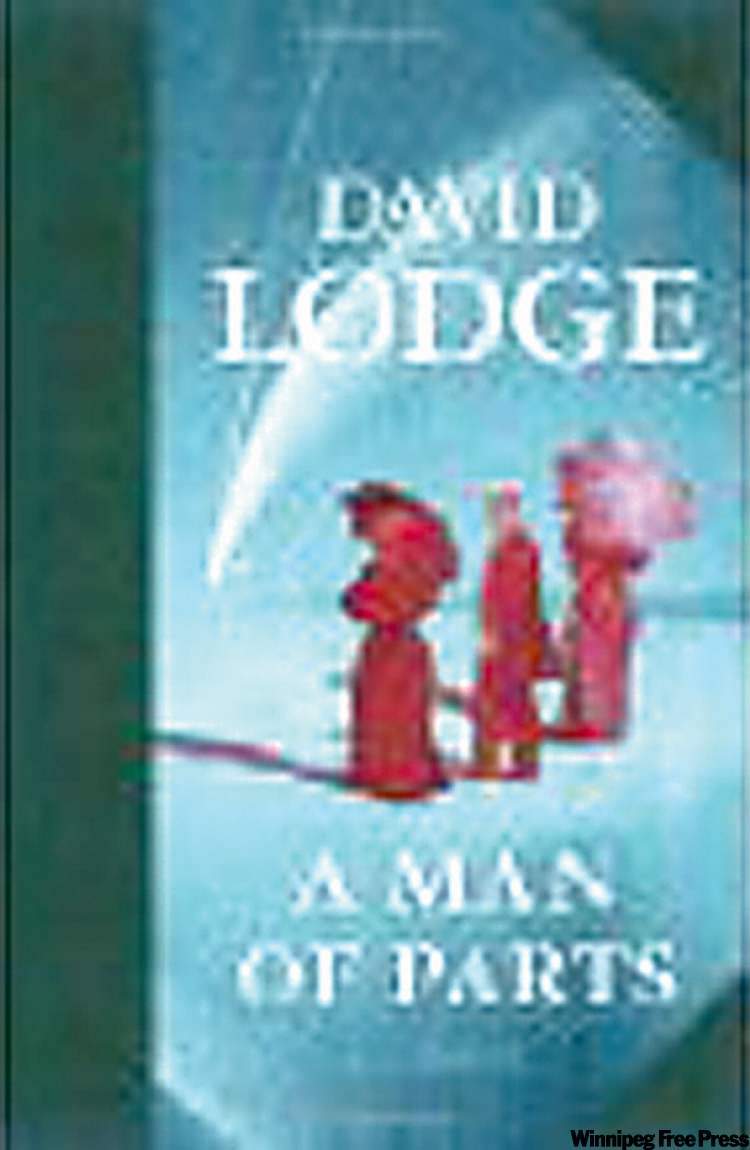
A Man of Parts
By David Lodge
Harvill Secker, 565 pages, $35
In the introduction to a Penguin reissue of the 1922 H.G. Wells non-fiction book A Short History of the World, the British historian Norman Stone writes: “Wells is the English writer of this century whom I should most like to raise from the dead.”
Stone may in fact have gotten his wish, if one counts the lively new bio-novel from British mid-lister David Lodge, A Man of Parts.
Sixty-five years after his death at death at age 80, Wells is best remembered for two of his early science-fiction novels, The Time Machine (1895) and The War of the Worlds (1898).
But in his prime, from 1895 to the 1915, he was arguably England’s most famous living author. Over the course of a long and prolific working life, he churned out more than 100 fiction and non-fiction titles. They dealt with all the big subjects of his day, from socialism, feminism and free love, to science, warfare and the class system.
While celebrating his accomplishments and exploring his contradictions, Lodge zeroes in on Wells’ personal relationships. His conquests as a lover, it seems, were as Herculean as his achievements as a writer.
According to Lodge, who has scoured the voluminous written record, Wells bedded most of the women of Edwardian London, many of them, star-struck by his literary celebrity, half his age.
As a man of parts, Wells kept his well-oiled.
He stayed married to his second wife, but carried on numerous affairs and sired at least two illegitimate children with her knowledge and often full consent. (Wells like to call his wifely sanctioned horn-dogging “triangular mutuality.”)
Perhaps his most famous liaison was with the writer and journalist Rebecca West, which lasted a decade and produced a son, Anthony West, himself a minor author.
Lodge employs conventional narrative techniques and his normally fluid style. He has written almost 20 novels himself, most notable the campus comedies Changing Places (1975) and Small World (1984), and at age 76, he remains in full command of his own significant gifts.
He relishes his descriptions of Wells’ bedroom antics and his accounts of his protagonist’s testy friendships with the likes of George Bernard Shaw and Henry James. Lodge likely found inspiration for A Man of Parts while researching his 2004 bio-novel on James, Author, Author.
Lodge’s most creative flourish here is inserting a nameless interviewer (Wells’ conscience perhaps?), who puts pointed questions to the great man about significant moments of his life.
He also invents Wells’ numerous encounters with paramours. In one, Wells breaks off with longtime lover, the novelist Elizabeth von Arnim Elizabeth, accusing her of being a snob.
“It’s because I’m common, isn’t it,” Wells says.

“You are a little common in some ways,” she replies. “But you’re also a genius, and one can forgive a genius for many imperfections.”

The story zips along like a high-toned historical romance. The novel’s high page count is deceptive. The hardcover edition uses large type.
Those who know little about Wells will come away wanting to investigate his canon. Whatever imperfections A Man of Parts has, they are easily forgiven.
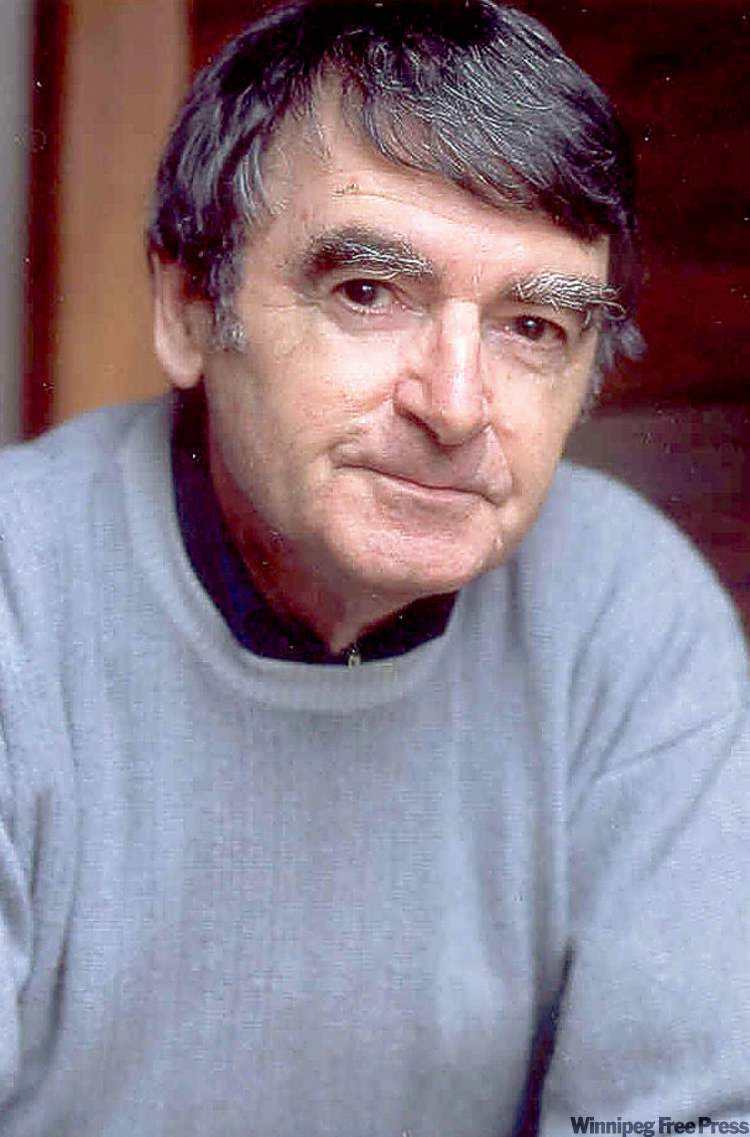
Morley Walker edits the Free Press books section.
Related Articles
Narrative lacks art, runs along surface
Advertisement Advertise With Us
Advertisement Advertise With Us