Deftly told tale of Riding Mountain squatters
Advertisement
Read this article for free:
or
Already have an account? Log in here »
To continue reading, please subscribe:

Digital Subscription
One year of digital access for only $205*
- Enjoy unlimited reading on winnipegfreepress.com
- Read the E-Edition, our digital replica newspaper
- Access News Break, our award-winning app
- Play interactive puzzles
*First annual payment billed as $205.00 + GST for one year. This annual subscription will automatically renew at $233.00 + GST every 52 weeks (10% off the regular annual price of $259.35). Offer available to new and qualified returning subscribers only. Cancel any time.
To continue reading, please subscribe:
Add Free Press access to your Brandon Sun subscription for only an additional
$1 for the first 4 weeks*
- Enjoy unlimited reading on winnipegfreepress.com
- Read the E-Edition, our digital replica newspaper
- Access News Break, our award-winning app
- Play interactive puzzles
*Your next Brandon Sun subscription payment will increase by $1.00 and you will be charged $17.95 plus GST for four weeks. After four weeks, your payment will increase to $24.95 plus GST every four weeks.
Read unlimited articles for free today:
or
Already have an account? Log in here »
Hey there, time traveller!
This article was published 28/01/2012 (5343 days ago), so information in it may no longer be current.
THE title of this locally written and published book sounds like it must be a giant Monty Pythonesque foot stomp on sacred cows.
It’s not that at all. It’s the true tale of the squatters and homesteaders who settled on the southeastern edge of Riding Mountain over a century ago.
This may not sound like a subject you were burning to read, but retired Winnipeg English teacher Ron Stevens tells the tale so deftly that it keeps tugging you along without you knowing you’re being tugged. It’s like being pulled in an old horse-drawn buckboard along the eastern escarpment of Riding Mountain and saying hello to all the ghosts of settlers along the way.
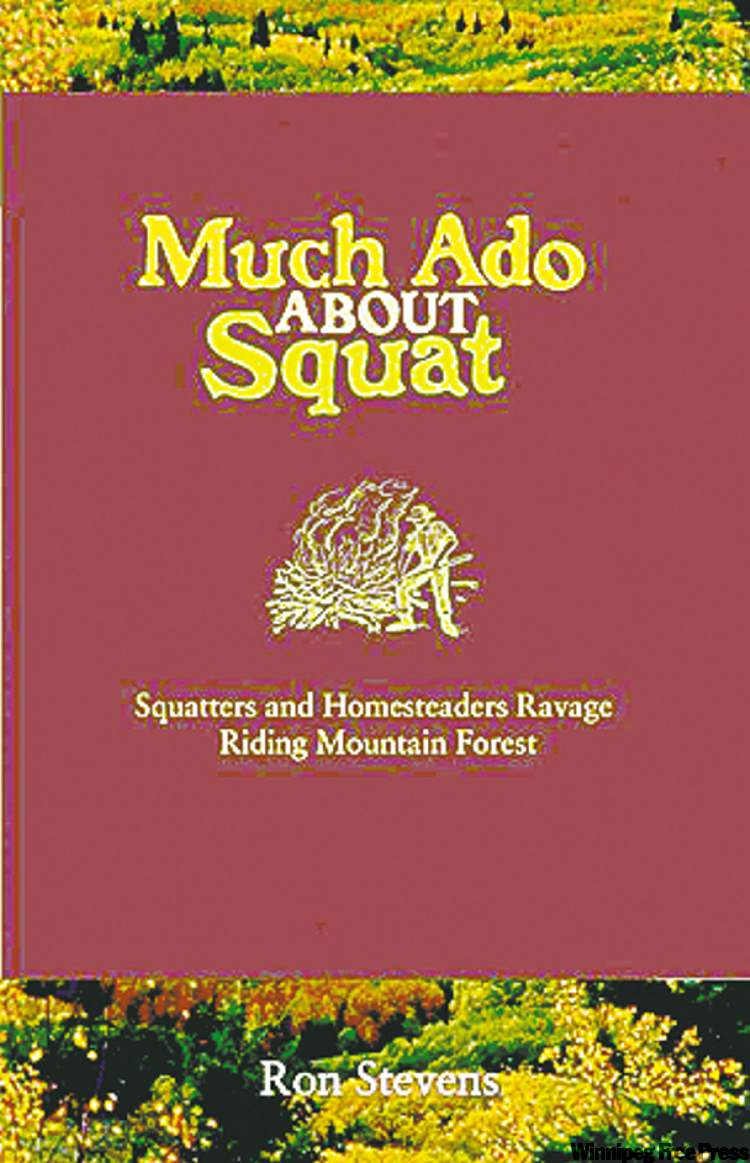
Much Ado began with Stevens deciding to check his maternal grandfather’s claim that he was a member of the North West Mounted Police in the early 1880s, as well as a member of French’s Scouts, one of many militia groups that helped turn back Métis insurgents in the North West Rebellion of 1885.
But Stevens finds no record of his grandfather, Fred Chambers, at the Royal Canadian Mounted Police Archives in Regina. “Our grandfather had lied through his dentures,” Stevens concludes. He believes his grandfather made up the story to impress the family of his fiancée, from the Muskoka district of Ontario, who had a history of military service. More about this later.
Then who was his grandfather really? The game is afoot. Stevens combs through government archives and rural newspapers, mixing in family anecdotes and his own reminisces of growing up in the hamlet of Birnie, where his grandparents settled.
The book impresses when Stevens decides to not just research his grandparents but 10 other settlers — his grandparents’ neighbours — from 1890 to 1917. Now it becomes a book. Now people like the uppity British guy squatting on land, and claiming his inalienable right to that land because of his place of birth, enter the picture.
One of the surprises is what a rich source of material the letters between settlers and the federal Department of the Interior turns out to be.
Found in the homestead files at the Manitoba Archives, the files, for example, reveal the skullduggery of his grandfather’s neighbours in their designs on his land, claiming he was not fulfilling his obligations under the Homestead Act.
However, Stevens is torn between supporting people like his grandparents settling the land, and what amounted to the plundering of Riding Mountain forest reserve by the same homesteaders, squatters, poachers and sawmill operators. The forest should never have been broken, he maintains.
The book cover says Stevens combines history with fiction. This needn’t scare anyone. The fictive elements are just vignettes sprinkled through the book, not overly long or indulgent, that help paint the picture. They are printed in a different font so readers can distinguish them from Stevens’ non-fiction narrative.

A nagging doubt for this reader, however, was whether Stevens is right to dismiss his grandfather’s military claims. Yes, families are apt to exaggerate their roles in history — the director of the RCMP Archives told him it’s quite common. But there is usually some element of truth to such stories.
Also, NWMP records are spotty at best and many were destroyed in a fire, circa 1930s. To keep up this story where he lived, as Chambers did, he would have surely been outed in his lifetime. Many people from the area were part of the dozen or so militias — basically, civilian posses — that answered the call in the North West Rebellion.
Nor does Stevens show a pattern of lying by his grandfather. As Stevens learns, Chambers “was an honourable and respected member of his community.” After finishing his book, this reader doubts he was a liar.
Bill Redekop is the Free Press‘s rural reporter. His latest book, Made in Manitoba, is a collection of his Open Road stories.
Book review
Much Ado About Squat
Squatters and Homesteaders Ravage Riding Mountain Forest
- By Ron Stevens
- Heartland Associates, 303 pages, $23
Related Articles
Eye-opener to health and well-being
Advertisement Advertise With Us
Advertisement Advertise With Us