Father-son road trips hell of a ride
Swofford offers unflinching look
Advertisement
Read this article for free:
or
Already have an account? Log in here »
To continue reading, please subscribe:

Digital Subscription
One year of digital access for only $205*
- Enjoy unlimited reading on winnipegfreepress.com
- Read the E-Edition, our digital replica newspaper
- Access News Break, our award-winning app
- Play interactive puzzles
*First annual payment billed as $205.00 + GST for one year. This annual subscription will automatically renew at $233.00 + GST every 52 weeks (10% off the regular annual price of $259.35). Offer available to new and qualified returning subscribers only. Cancel any time.
To continue reading, please subscribe:
Add Free Press access to your Brandon Sun subscription for only an additional
$1 for the first 4 weeks*
- Enjoy unlimited reading on winnipegfreepress.com
- Read the E-Edition, our digital replica newspaper
- Access News Break, our award-winning app
- Play interactive puzzles
*Your next Brandon Sun subscription payment will increase by $1.00 and you will be charged $17.95 plus GST for four weeks. After four weeks, your payment will increase to $24.95 plus GST every four weeks.
Read unlimited articles for free today:
or
Already have an account? Log in here »
Hey there, time traveller!
This article was published 09/06/2012 (5200 days ago), so information in it may no longer be current.
This is a keen and unflinching look at a life lived in the wake of twin perils — war and sudden wealth.
Anthony Swofford is a 40ish ex-U.S Marine sniper and author of the bestselling 2003 Gulf War memoir Jarhead (made into a 2005 movie of the same name starring Jake Gyllenhaal) and the 2007 novel 2007 Exit A.
The title alludes to places he landed up in, or visited, in his lost decade plus, circa 1998-2010.
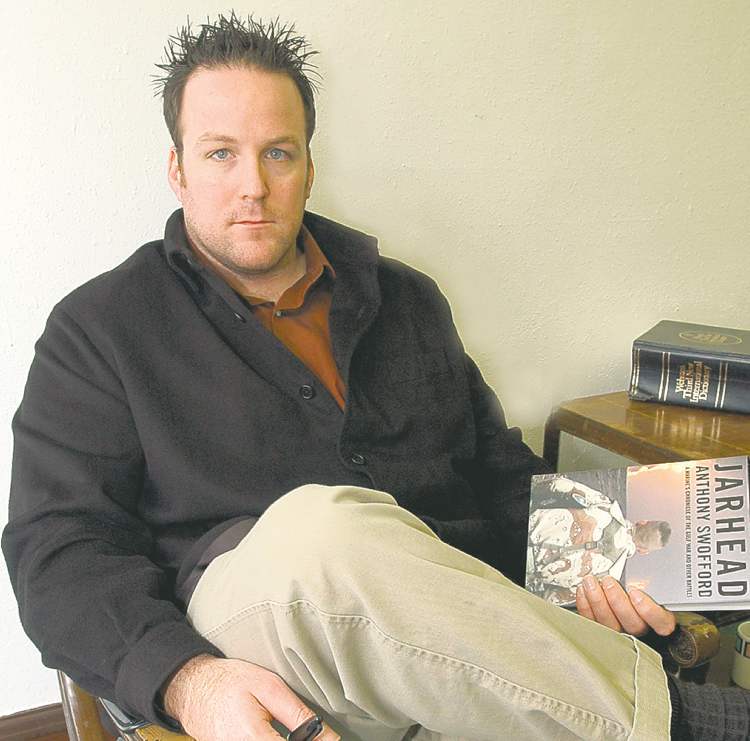
But notably missing from the title is the memoir’s other principal locale, a giant Winnebago.
The RV is how, and where, Swofford and his dad took three desperate-to-connect trips down America’s highways.
Father and son are equally psychologically interesting. And intense doesn’t begin to describe their relationship.
Both are damaged by military pasts. And both are chronically unable to forgive or forget transgressions suffered at the hands of the other.
For most of the memoir, there’s a vacancy at the heart of their relationship. The only bridges between them are bile and dysfunctionalilty.
Nor is it always clear who we should be rooting for in their shared drama. Much of the time Swofford’s the victim, his dad the villain. But sometimes they switch roles: the father becoming heroic, the son a self-absorbed prima donna.
His father is also an ex-soldier. (Swofford even traces his conception to dad’s Vietnam War-era Hawaiian R&R visit with his mother.)
And dad carried notions of soldierly discipline into domestic life.
Whole pages of debate are chronicled that revolve around whether one sunny Saturday afternoon in 1977 dad, applying military notions of fit punishment, forced seven-year-old Tony’s nose “into,” or merely “toward,” backyard dog poop.
Either way, the psychological trauma caused Swofford by the event primes oral and written sparring between father and son across decades.
When Swofford wasn’t battling with his father, he slept with prodigious numbers of women and consumed even more prodigious quantities of alcohol and drugs.
He recounts days and nights of excess following the critical and commercial success of Jarhead (both book and movie), a near-fatal car crash, flirtations with suicide, and desperate yet moving “research” encounters with maimed and disfigured combat veterans at Bethesda Naval Hospital.
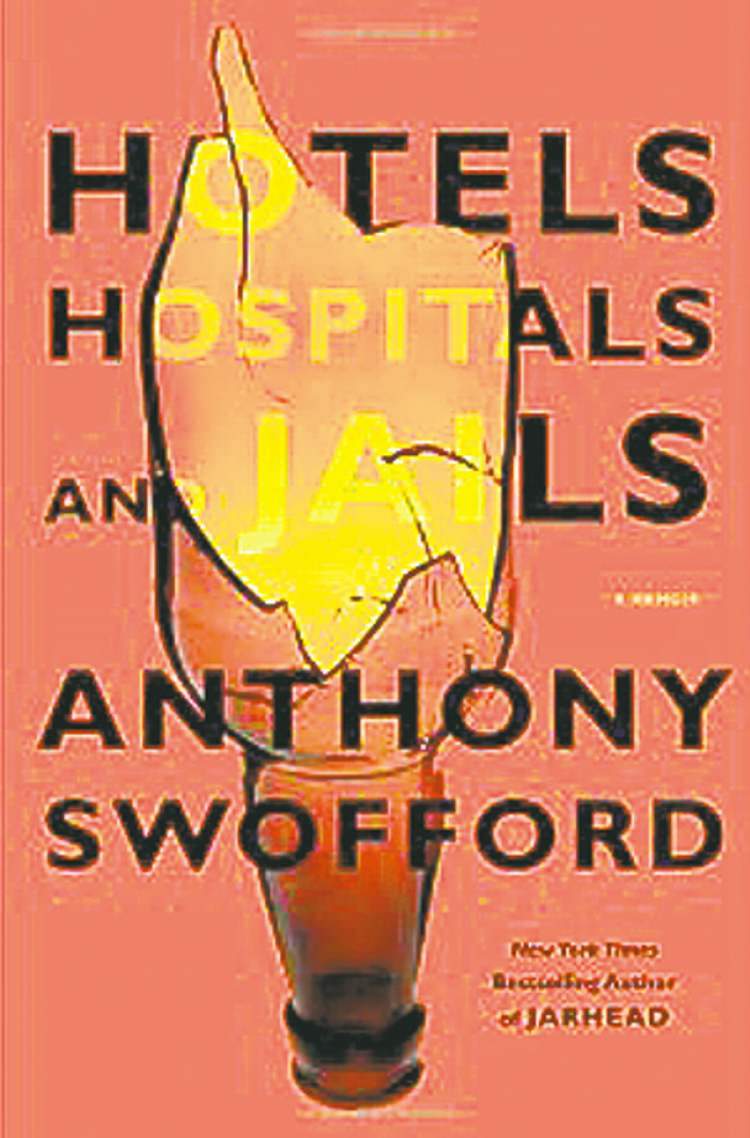
Yet there’s little prurience, and less shock, in his curiously matter-of-fact, yet compelling, account of a wasted decade. But maybe not so wasted after all, if it yielded this story.
Swofford’s writing is subtly captivating. There’s not a lot of whiz-bang to it.
But nor is there any deadwood. He tells his stories cleanly and crisply.
Surprisingly, there’s a mutual apocalypse of respect and forgiveness during the by-then-dying father and son’s third and last trip. Though there’s little comfort en route, there is some by journey’s end.
Swofford’s personal redemption also came suddenly.
Clichéd and cornball as it sounds, in the end, what pulled him out of his life’s downward spiral was the love of a good woman and the birth of his first child.
Douglas J. Johnston is a Winnipeg lawyer and writer.